pelleting machine price in nigeria ,animal feed pellet machine

Wholesale Feed Machine Deals for Nigerian Agents: Transform Your Agricultural Business
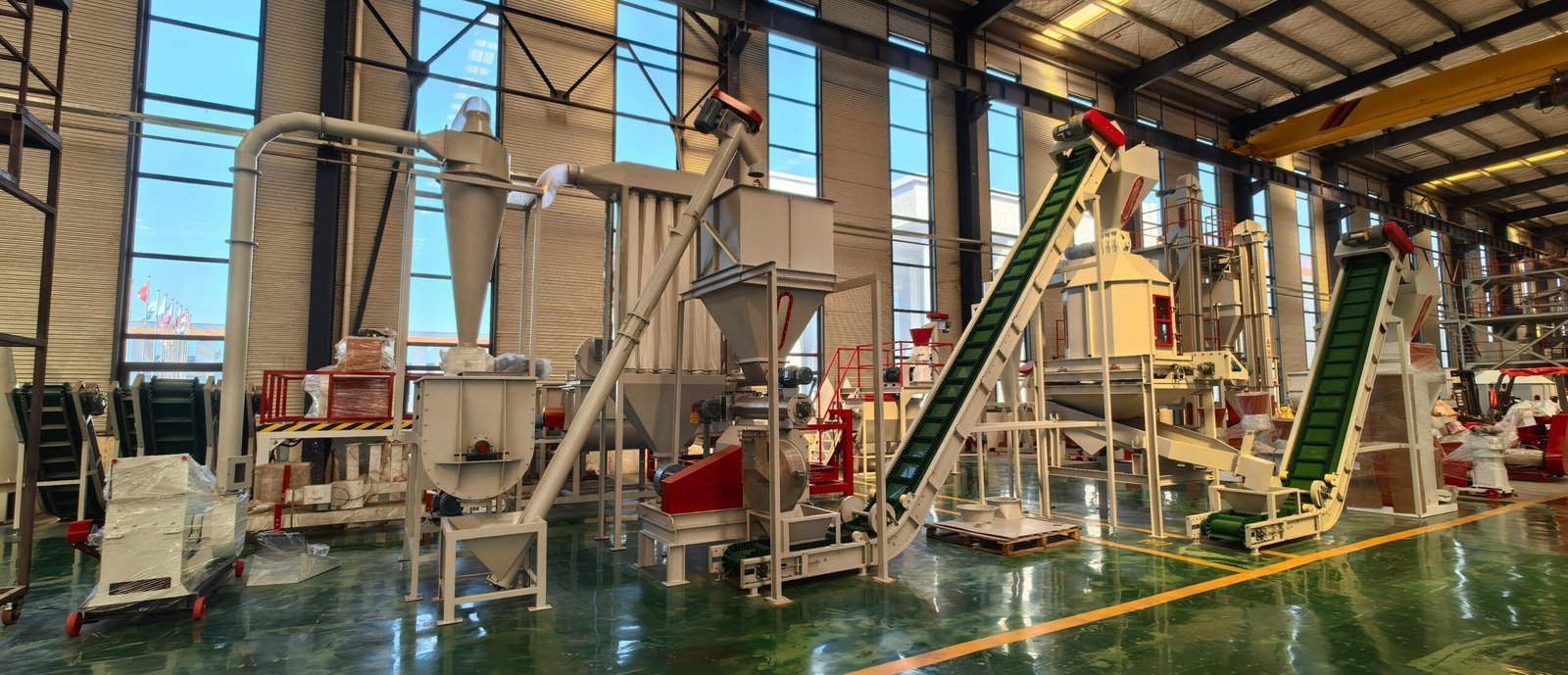
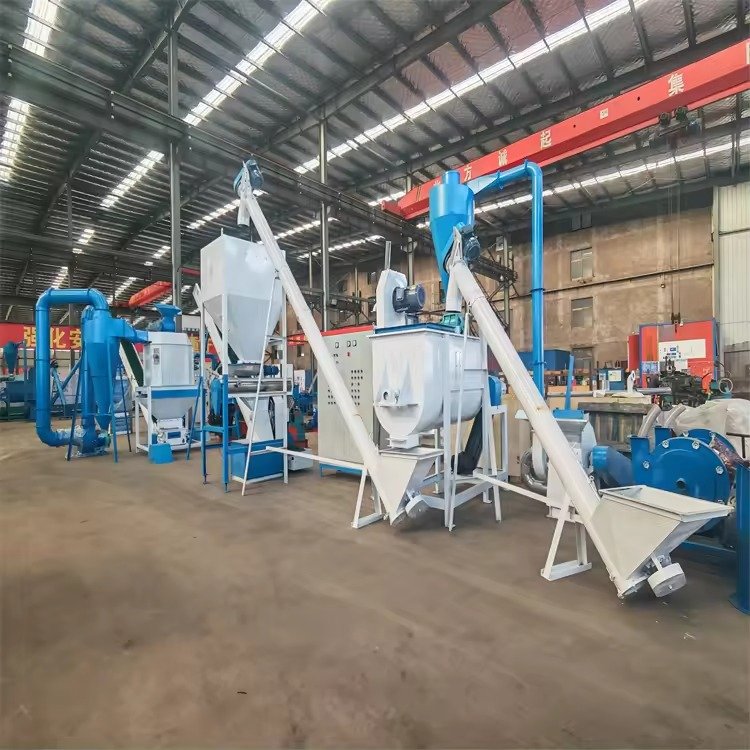
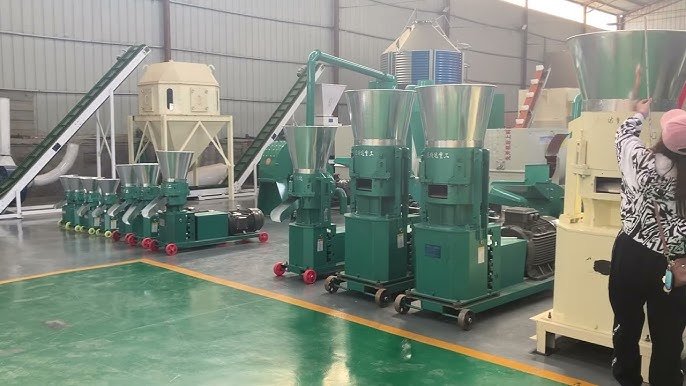
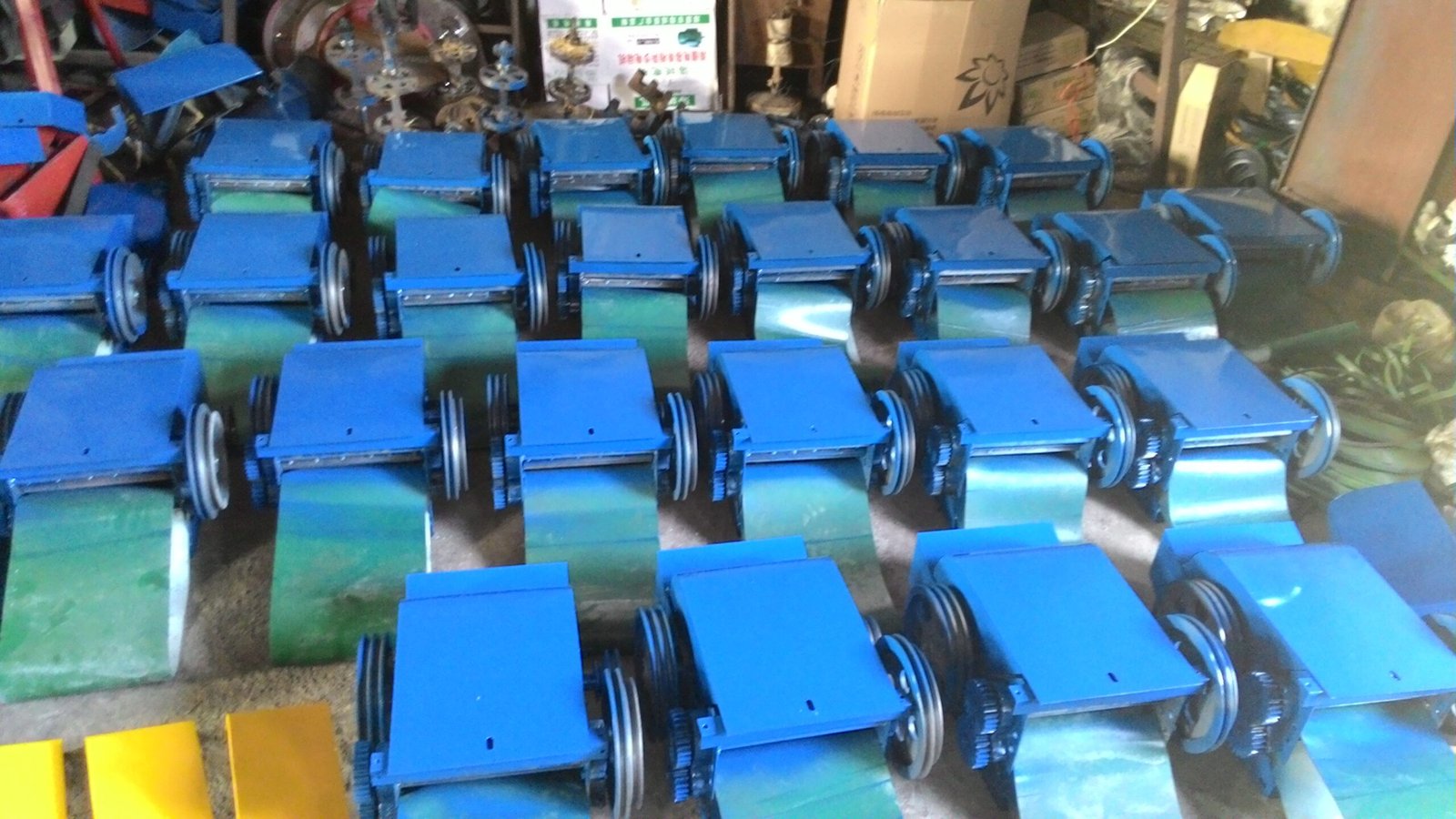
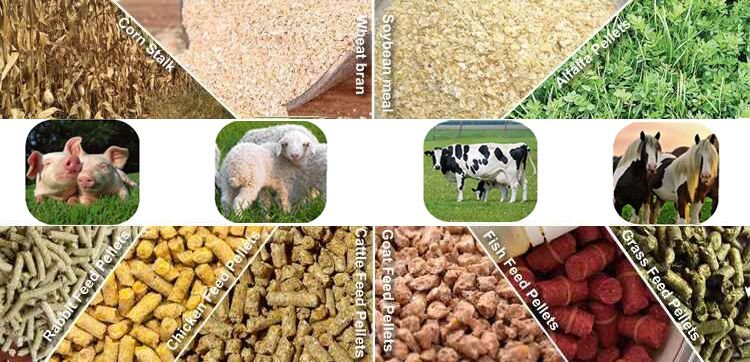
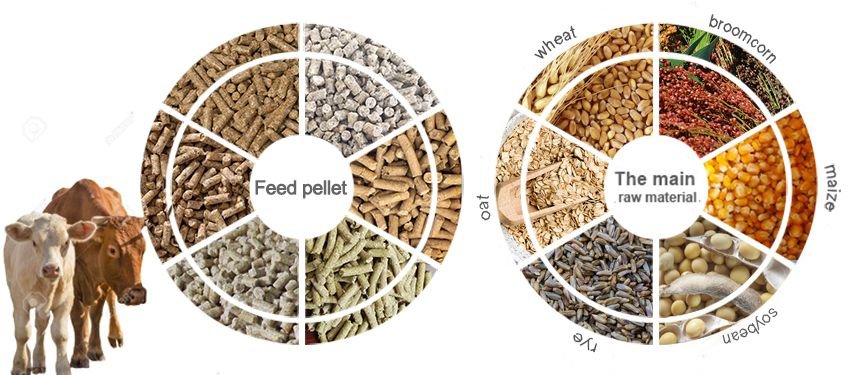
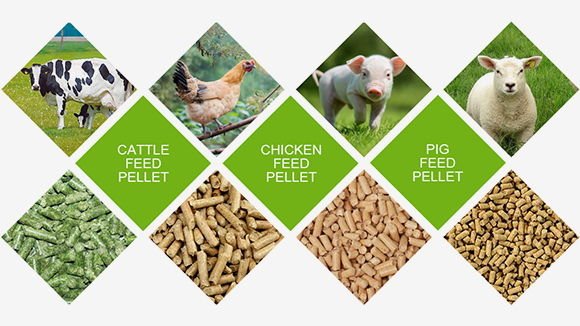
Rising feed costs are crushing profit margins for Nigerian farmers. Commercial feed prices have jumped 45% in the past two years. But smart farmers across Lagos, Kano, and Oyo states have found a solution. They produce their own feed pellets and cut costs by up to 40%.
MAIKONG brings you factory-direct access to professional feed pellet machines. Our equipment serves small chicken farmers and large commercial operations alike. Whether you run a fish farm in Warri or a cattle ranch in Kaduna, we have the right solution. This guide shows you exactly how to choose, buy, and profit from feed pelletizer machines.
Ready to Cut Your Feed Costs Today?
Chat with our Nigerian technical team now. Get instant answers about equipment, pricing, and customization options for your farm.
WhatsApp Us Now Call: +86-158-1555-6422
Why Nigerian Farmers Are Switching to Their Own Feed Production
The cost of animal feed in Nigeria has become unsustainable for many farming operations. A 25kg bag of commercial poultry feed now costs between ₦8,500 and ₦12,000 in most Nigerian markets. For a farm with just 1,000 chickens, monthly feed expenses can exceed ₦450,000.
Feed Cost Crisis Impact
- Commercial feed prices increase 15-20% annually
- Feed represents 70% of total poultry farming costs
- Quality inconsistency from commercial suppliers
- Supply chain disruptions during rainy season
- Limited customization for specific livestock needs
Your Own Production Benefits
- Reduce feed costs by 35-45% immediately
- Control ingredient quality and formulation
- Produce exactly when you need it
- Customize pellet size for different animals
- Create additional income selling to neighbors
A feed pellet making machine pays for itself within 6-8 months for most commercial operations. Small farmers with 500 birds see returns in 8-12 months. The math is simple: produce your own feed at ₦4,500 per 25kg bag instead of buying at ₦10,000. That’s ₦5,500 profit per bag.
Real Nigerian Example: Brother Chukwuma in Enugu operates a 2,000-bird poultry farm. Before buying his MAIKONG feed pellet machine, he spent ₦900,000 monthly on commercial feed. Now he produces the same feed for ₦480,000. His monthly savings of ₦420,000 paid for the machine in just 7 months. He now sells excess feed to three neighboring farms for additional income.
MAIKONG: Your Trusted Partner in Nigerian Feed Equipment
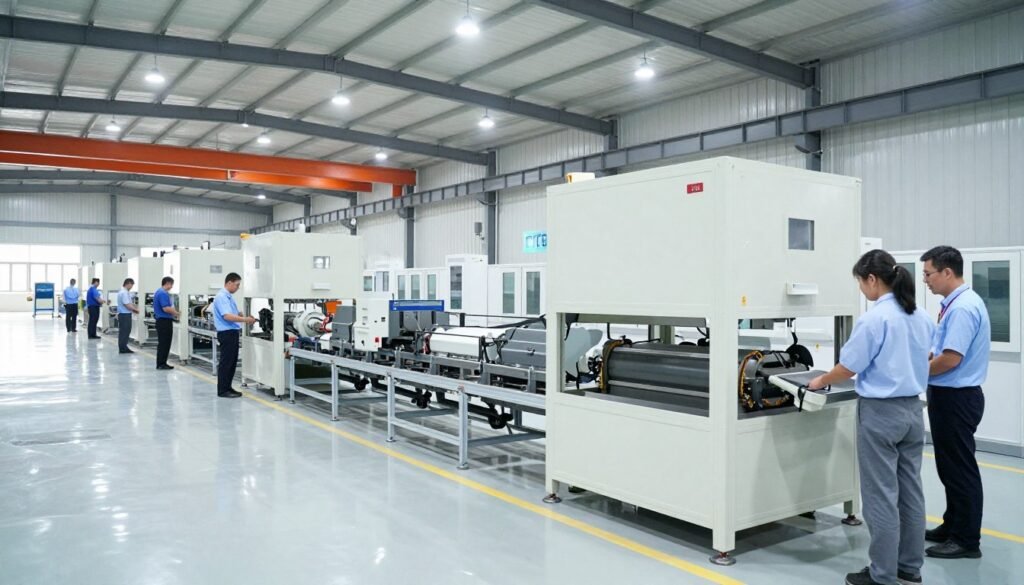
MAIKONG has manufactured pellet machines for over 20 years. We understand the Nigerian agricultural market because we’ve worked here for more than a decade. Our equipment operates successfully on farms from Port Harcourt to Maiduguri, producing millions of tons of quality feed pellets annually.
Why Nigerian Farmers Choose MAIKONG
Proven Nigerian Performance
Our machines work in Nigerian conditions. Hot climates, power fluctuations, and diverse raw materials like palm kernel, soybean meal, and fish meal. We’ve tested everything locally.
Local Technical Support
WhatsApp our Nigerian support team anytime at +86-158-1555-6422. Video troubleshooting, spare parts in Lagos, and training in English or Pidgin. We respond within 2 hours during business days.
Customization Freedom
Need specific pellet sizes? Want custom voltage for your generator? Require OEM branding? We modify every machine to match your exact requirements. No two farms are identical.
Our product range covers every farming need. Poultry feed pellet machines for chickens and turkeys. Floating fish feed machines for catfish and tilapia. Cattle and goat feed equipment for ruminants. Each machine category includes options from small manual units to fully automated production lines.
Become a MAIKONG Agent in Your Region
We’re recruiting distributors across Nigeria. Earn attractive margins, receive technical training, and access factory-direct pricing. Limited territories available in each state.
Complete Feed Pellet Machine Range for Every Nigerian Farm
Choosing the right feed pelletizing equipment depends on your livestock type, farm size, and production goals. MAIKONG offers specialized machines for each agricultural sector. Let’s explore your options based on what you raise.
Poultry Feed Pellet Machines: Perfect for Chicken and Turkey Farms
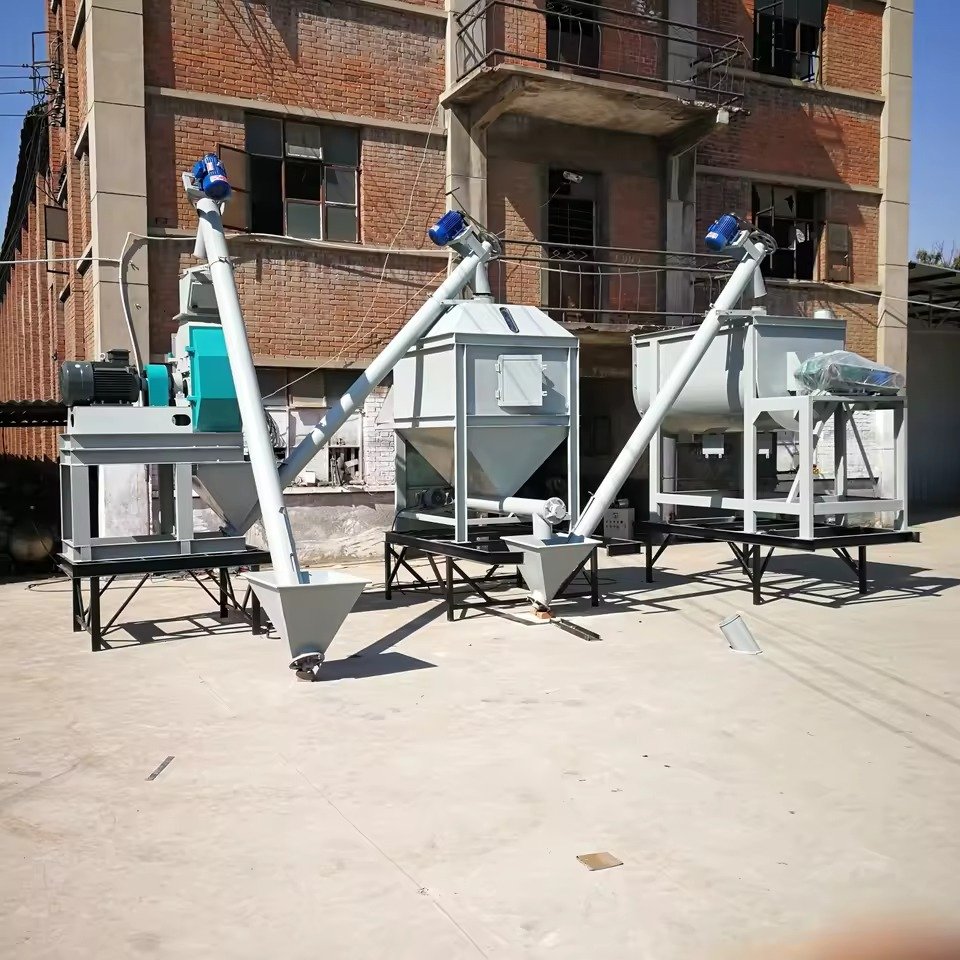
Nigerian poultry farmers need reliable, efficient feed pellet machines that handle local ingredients. Our poultry feed equipment processes maize, soybean meal, groundnut cake, rice bran, and other common materials. You can produce starter feed (2mm pellets), grower feed (3-4mm), and layer feed (4-5mm) from the same machine.
Small-Scale Poultry Models
Ideal for farms with 200-2,000 birds. These manual feed pellet machines offer affordable entry into feed production.
- Capacity: 60-150 kg/hour
- Power: 3-7.5 HP motor or diesel engine
- Die diameter: 120mm-150mm
- Perfect for home poultry operations
Commercial Poultry Lines
Designed for farms with 2,000-50,000+ birds. Full automation reduces labor and increases consistency.
- Capacity: 300-2,000 kg/hour
- Includes mixer, pelletizer, cooler
- Automatic raw materials feeding
- PLC control for precision
Layer Feed Specialists
Optimized for producing calcium-enriched layer feed with consistent pellet hardness.
- Handles high-calcium formulations
- Produces uniform 4-5mm pellets
- Minimal fines (broken particles)
- Extends feed shelf life
Broiler Feed Systems
High-protein broiler feed requires robust pelletizing. Our systems handle oil-rich ingredients easily.
- Processes high-fat formulations
- Variable pellet size from 2-6mm
- Fast production for quick turnaround
- Easy die changes for different batches
Every poultry feed pellet machine from MAIKONG includes adjustable compression. This lets you control pellet density. Harder pellets reduce waste in feeders. Softer ones improve digestibility for young chicks. You decide based on your birds’ age and breed.
Fish Feed Pellet Machines: Specialized for Nigerian Aquaculture
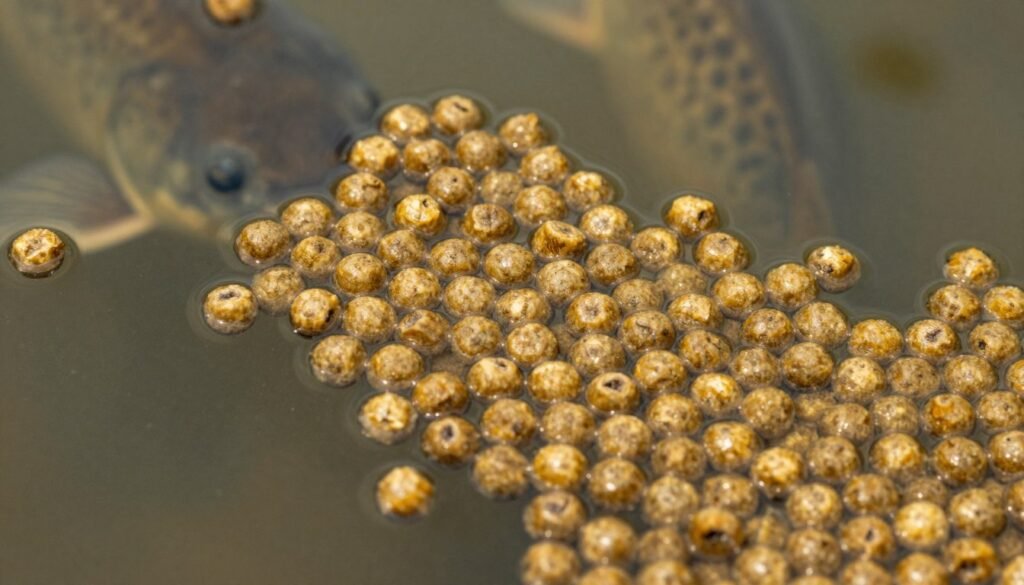
Fish farming in Nigeria demands specific feed characteristics. Catfish need floating fish feed that stays on the surface for 30+ minutes. Tilapia prefer slowly sinking pellets. MAIKONG manufactures both extruder machines (for floating feed) and pelleting machines (for sinking feed).
Floating Fish Feed Extruders
Our wet-type and dry-type extruders create perfectly buoyant fish feed pellets. The extrusion process cooks the feed, improving digestibility and water stability.
- Buoyancy time: 24+ hours in water
- Capacity range: 100-3,000 kg/hour
- Produces 1mm to 12mm diameter pellets
- Handles fish meal, soybean, corn, wheat bran
- Minimal water pollution vs commercial feed
Sinking Fish Feed Pellet Makers
Traditional pelleting for bottom-feeding fish species. Lower cost than extruders, suitable for ponds with mixed species.
- Economical alternative to floating feed
- Ideal for tilapia, carp, and mixed ponds
- Cold pelleting preserves vitamins
- Easy to operate and maintain
- Lower power consumption
Shrimp Feed Pellet Machines
Specialized equipment for shrimp farming operations. Produces slow-sinking micro-pellets with excellent water stability.
- Micro-pellet capability (0.5mm – 3mm)
- High protein formulation handling
- Extended water stability (2+ hours)
- Precise nutrient preservation
- Customizable for prawn sizes
Nigerian fish farmers tell us that switching to their own fish feed pellet production cuts costs by 50% or more. A 15mm floating pellet costs ₦450-600 per kg commercially. You can produce it for ₦200-280 per kg with the right ingredients and a MAIKONG extruder.
Technical Tip: For catfish farming, adjust your feed formula moisture to 25-30% before extrusion. This creates optimal expansion and floating characteristics. Our technical team provides specific formulations via WhatsApp based on your available raw materials.
Livestock Feed Machines: Cattle, Goat, Sheep, and Pig Feed Solutions
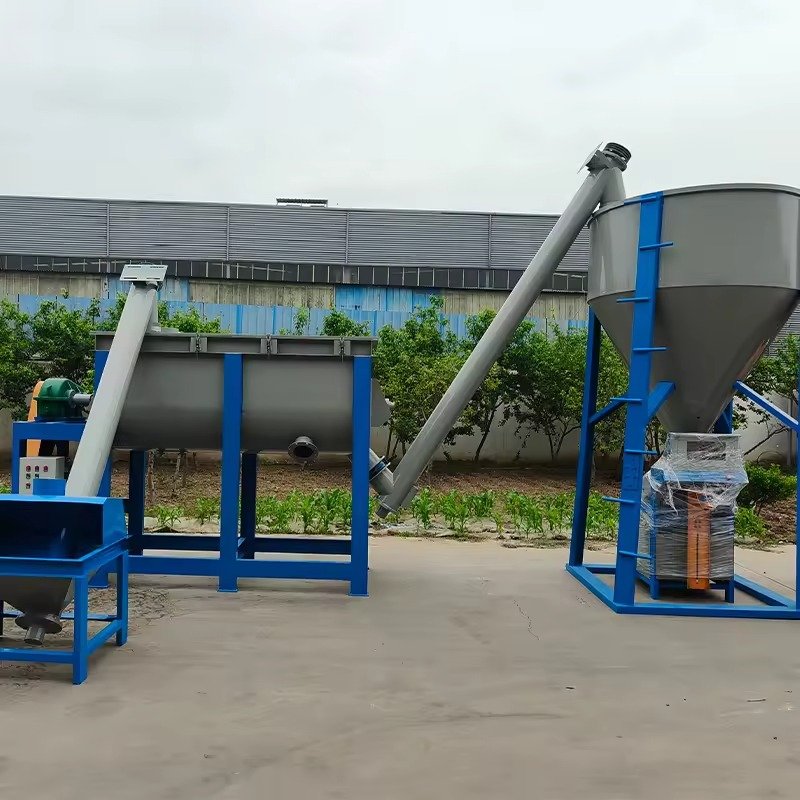
Ruminant animals and pigs have different feeding needs than poultry and fish. Livestock feed pellet machines must handle fibrous materials like grass, hay, and corn stalks. MAIKONG builds rugged equipment specifically for these tough ingredients.
Cattle and Ruminant Feed Equipment
Nigerian cattle, goats, and sheep benefit from pelleted feed during dry seasons when fresh grass becomes scarce. Our machines compress roughage into dense, nutritious pellets.
- Handles grass, hay, corn stalks, groundnut shells
- Produces 6-12mm diameter pellets for easy consumption
- Reduces feed waste by up to 60%
- Capacity: 200-5,000 kg/hour models
- Special dies for high-fiber materials
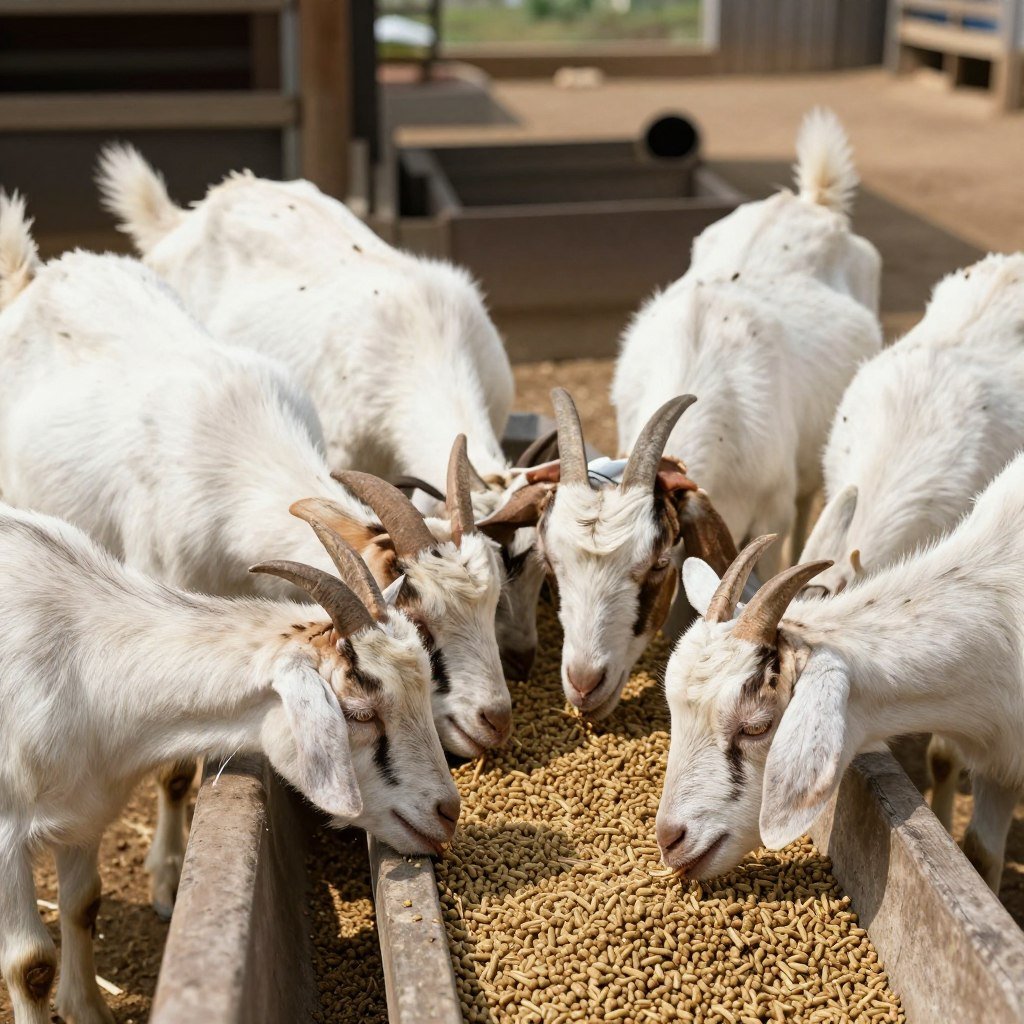
The advance pig feed pelletizing machine from MAIKONG handles high-moisture ingredients common in pig diets. Cassava peels, yam peels, and vegetable waste can be incorporated after proper drying. This reduces feed costs significantly for pig farmers who have access to these free or low-cost materials.
| Livestock Type | Recommended Pellet Size | Key Ingredients | Production Capacity Needed |
| Cattle (Dairy) | 8-12mm diameter | Corn, soybean meal, cotton seed, rice bran | 500-2,000 kg/hour |
| Cattle (Beef) | 8-12mm diameter | Grass, corn stalks, groundnut shells, molasses | 300-1,500 kg/hour |
| Goats/Sheep | 6-8mm diameter | Grass hay, groundnut cake, corn, minerals | 200-800 kg/hour |
| Pigs (Grower) | 4-6mm diameter | Corn, soybean, fish meal, cassava, bran | 300-1,000 kg/hour |
| Pigs (Finisher) | 6-8mm diameter | High-protein concentrate, energy feeds | 400-1,200 kg/hour |
For mixed farms raising multiple livestock types, we recommend our versatile animal feed pellet machine with changeable dies. Swap dies in 15 minutes to switch from cattle feed production to pig feed. This flexibility maximizes your investment.
Specialty Applications: Pet Food and Beyond
The growing Nigerian pet food market offers excellent opportunities. Our pet pellet feed processing machine produces dog food, cat food, and other animal nutrition products. Small entrepreneurs buy our equipment to create branded pet food lines for local retail.
Not Sure Which Feed Machine Fits Your Farm?
Our technical experts will recommend the perfect equipment based on your livestock type, farm size, and budget. Free consultation, no obligation.
Feed Pellet Machine Price Guide for Nigerian Buyers
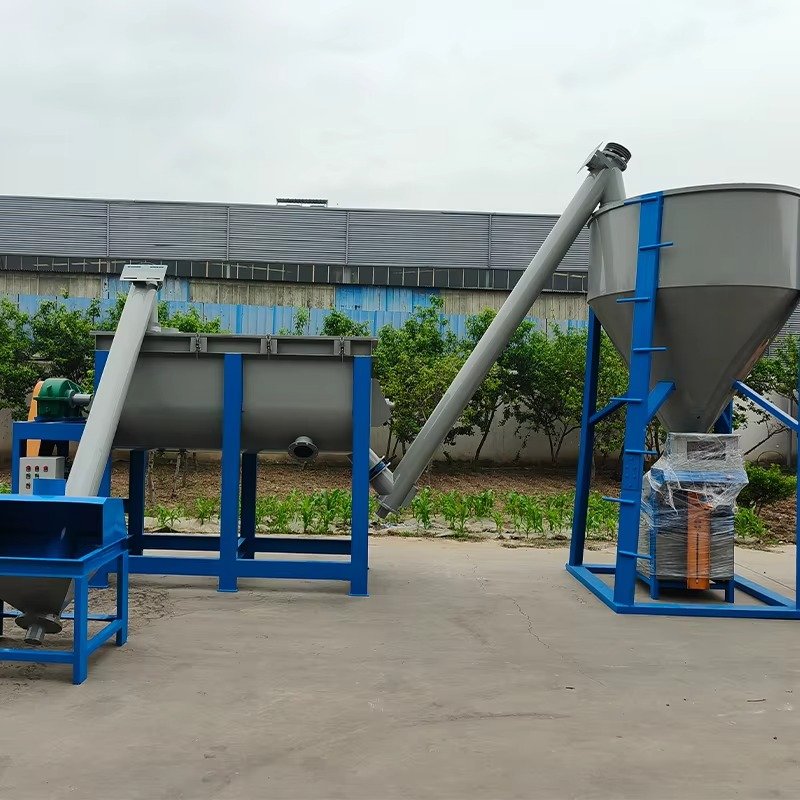
Understanding feed pellet machine price in Nigeria requires looking beyond the initial cost. Smart buyers calculate total cost of ownership: purchase price, shipping, installation, operation, and maintenance. MAIKONG offers transparent pricing and helps you understand the full investment.
Price Ranges by Machine Category
Entry-Level Manual Models
Perfect for farms starting their feed production journey. Simple operation, low power requirements.
- Capacity: 60-100 kg/hour
- Price range: $800 – $1,500 USD
- Diesel or electric motor options
- Suitable for 200-1,000 birds
Semi-Automatic Feed Mill
Balanced automation and affordability. Most popular choice for commercial Nigerian farms.
- Capacity: 150-400 kg/hour
- Price range: $2,000 – $4,500 USD
- Includes mixer and basic automation
- Ideal for 1,000-5,000 poultry
Professional Production Lines
Complete automation for serious feed businesses. Consistent quality, minimal labor.
- Capacity: 500-2,000 kg/hour
- Price range: $8,000 – $25,000 USD
- Full feed pellet production system
- Serves 10,000+ birds or feed sales
Floating Fish Feed Extruders
Specialized aquaculture equipment with premium technology for buoyant pellets.
- Capacity: 100-500 kg/hour
- Price range: $4,500 – $15,000 USD
- Wet or dry extrusion types
- Essential for profitable catfish farming
These are factory-direct prices from MAIKONG. When you buy pet pellet feed processing machine in nigeria from local dealers, expect to pay 25-40% more. As a wholesale agent or direct buyer, you access our lowest rates.
Price Advantage Example: A small feed pellet machine with 200 kg/hour capacity costs approximately $2,800 USD factory-direct from MAIKONG. The same specification from a Lagos dealer might cost ₦1,800,000-2,200,000 (roughly $4,000-4,900 USD at typical exchange rates). Buying direct saves you $1,200-2,100 USD per unit.
What Affects Feed Pellet Machine Cost?
- Production Capacity: Higher output machines require larger motors, heavier dies, and more robust construction
- Automation Level: Automatic feeding, PLC controls, and integrated systems increase price but reduce labor
- Build Quality: Stainless steel components cost more than regular steel but last 3-5 times longer in Nigerian conditions
- Specialized Features: Floating fish feed capability, variable pellet size, or specific ingredient handling adds to cost
- Included Components: Complete feed pellet line with mixers, conveyors, and coolers costs more than standalone pelletizers
Total Cost of Ownership Calculation
The small feed pellet machine price is just your starting point. Here’s how to calculate your real investment for a typical 300 kg/hour system:
| Cost Component | Estimated Amount (USD) | Notes |
| Machine Purchase Price | $3,200 | Factory-direct MAIKONG price |
| Shipping to Nigeria | $450 – $650 | Sea freight to Lagos port |
| Customs & Clearance | $280 – $400 | Varies by port and agent |
| Installation & Training | $150 – $250 | Optional but recommended |
| First Year Spare Parts | $120 – $180 | Dies, bearings, belts |
| Total Initial Investment | $4,200 – $4,680 | Complete ready-to-operate cost |
Most Nigerian farmers recover this investment within 6-10 months through feed cost savings. After payback, your machine continues generating profit for 8-12+ years with proper maintenance.
Get Exact Pricing for Your Specific Needs
Tell us your livestock type, daily feed requirement, and budget. We’ll recommend the perfect machine and provide a detailed quotation including all costs.
How to Choose the Right Feed Pelletizer Machine for Your Nigerian Farm
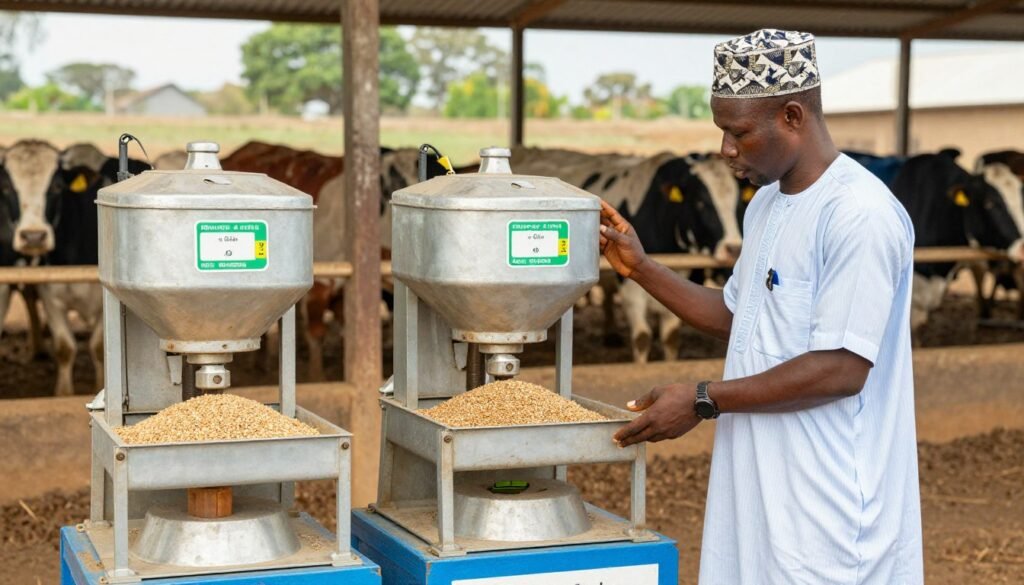
Selecting the wrong feed pellet making machine wastes money and causes frustration. The right choice depends on six critical factors. Let’s walk through each decision point to ensure you buy equipment that serves your farm for years.
1. Match Capacity to Your Daily Feed Needs
Calculate how much feed your farm consumes daily. Add 20-30% buffer for growth and potential feed sales to neighbors. This determines the machine capacity you need.
Capacity Calculation Example
A farm with 1,500 laying hens consumes approximately:
- Each hen eats 120-130g of feed daily
- Total daily consumption: 1,500 × 0.125kg = 187.5 kg
- Add 30% growth buffer: 187.5 × 1.30 = 243.75 kg
- Recommended machine: 250-300 kg/hour capacity
- Production time: Less than 1 hour daily
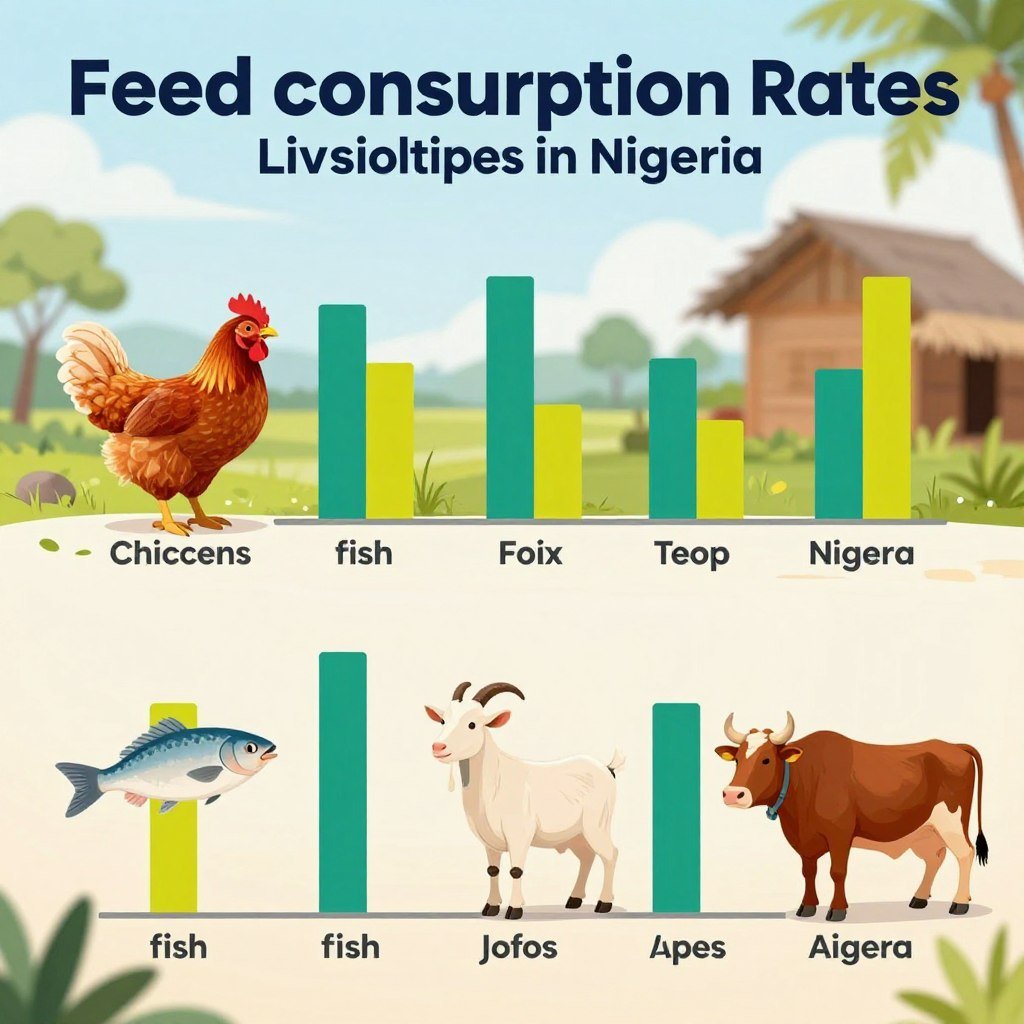
Don’t buy an oversized machine “just in case.” A 300 kg/hour feed pellet machine costs significantly less than a 1,000 kg/hour model. You can always upgrade later as your farm grows. MAIKONG offers trade-in programs for farmers expanding operations.
2. Select the Correct Pellet Size Range
Different animals need different pellet sizes. Your machine must produce the appropriate diameter for your livestock. Most MAIKONG machines allow die changes to adjust pellet size, but verify this before purchasing.
Pellet Size Reference: Chicks (2-3mm) → Growers (3-4mm) → Layers (4-5mm) → Broilers (5-6mm) → Cattle (8-12mm). Fish pellet sizes range from 0.5mm (fry) to 10mm (adult catfish). Always confirm your machine can produce your target size.
3. Choose Between Flat Die and Ring Die Design
This technical choice significantly impacts performance and maintenance:
Flat Die Pellet Machines
- Lower initial cost ($800-2,500 range)
- Easier to operate and maintain
- Perfect for small to medium farms
- Die replacement costs less
- Suitable for manual feed pellet machine applications
- Good for materials with natural moisture
Ring Die Pellet Machines
- Higher production capacity (500+ kg/hour)
- Better for commercial operations
- More consistent pellet quality
- Longer continuous operation time
- Essential for large feed mill operations
- Higher initial investment ($4,000+)
For most Nigerian family farms and small commercial operations, flat die machines provide the best value. Large feed production businesses serving multiple farms should invest in ring die systems for efficiency.
4. Power Source: Electric Motor, Diesel, or Gasoline?
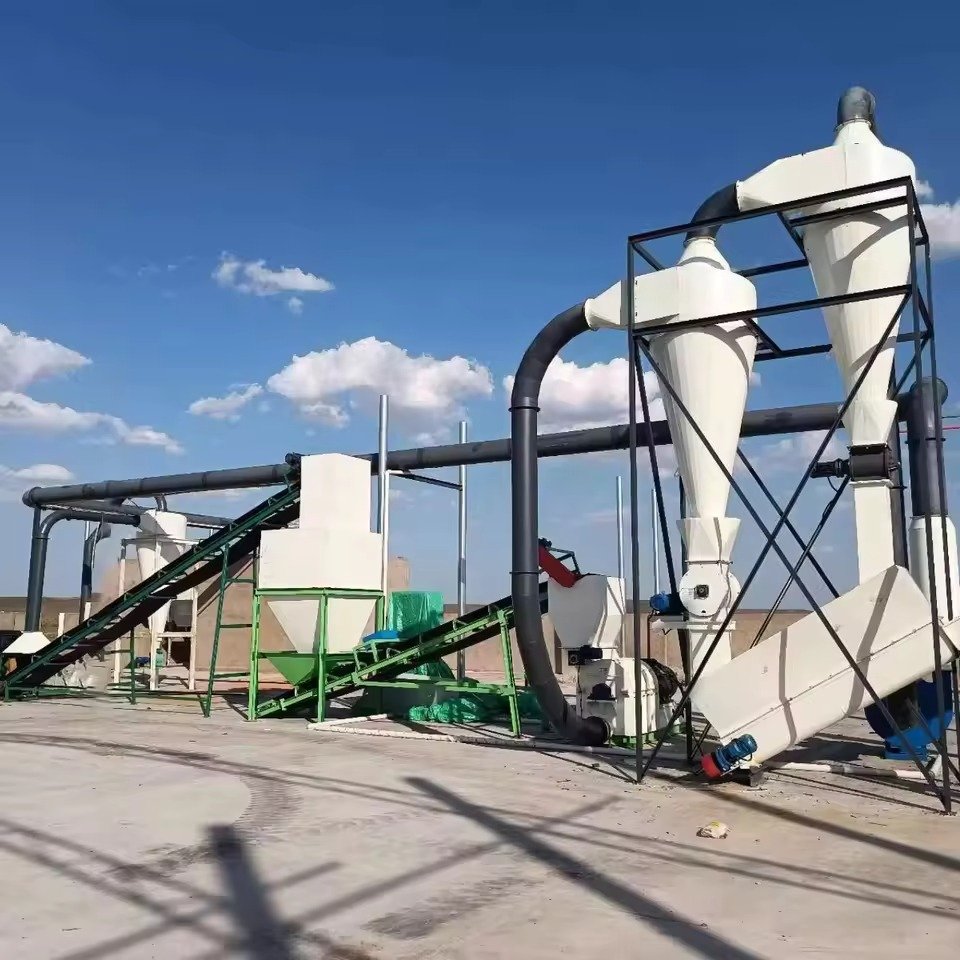
Nigerian power supply challenges require careful consideration of your energy source:
- Electric Motor Machines: Most economical to operate if you have reliable PHCN power or a generator. Our machines work with Nigerian 220V single-phase or 380V three-phase power. Great for urban and peri-urban farms.
- Diesel Machines: Best for rural areas with unreliable electricity. Higher fuel cost but guaranteed operation. Popular in northern Nigeria and remote farming regions. Our gasoline feed machine options also available for smaller capacity needs.
- Dual-Power Systems: Some MAIKONG models accept both electric and diesel/gasoline power. Flexibility costs 15-20% more but provides backup capability.
Calculate your energy costs over one year. If you run generators more than 4 hours daily for farm operations, diesel-powered feed equipment often proves more economical. For farms with solar power systems, we can provide DC motor options (custom order).
5. Ingredient Flexibility Matters
What raw materials can you source affordably in your area? Your machine must handle these ingredients effectively. MAIKONG equipment processes diverse Nigerian materials:
Grain-Based Ingredients
Standard feed pellet machines easily handle these common materials.
- Maize (corn) – most common
- Sorghum – drought-resistant option
- Wheat and wheat bran
- Millet – northern Nigeria staple
Protein Sources
Requires robust pelletizing capability due to oil content.
- Soybean meal – primary protein
- Groundnut (peanut) cake
- Fish meal – for aquaculture feed
- Palm kernel cake – Nigerian specialty
Fibrous Materials
Needs powerful compression for livestock roughage pellets.
- Grass and hay – dry season feed
- Corn stalks and cobs
- Groundnut shells
- Cassava peels (dried)
By-Products & Additives
Bulk ingredients that reduce costs significantly.
- Rice bran – common in rice-growing areas
- Brewery waste (dried)
- Mineral premixes
- Vitamin supplements
If you plan to use primarily grass and fibrous materials for livestock, specify this when ordering. MAIKONG installs specialized dies and heavier rollers. For mixed farms producing both poultry and cattle feed, we recommend multi-purpose dies that balance both needs.
6. Consider Future Expansion and Automation
Think three years ahead. Will you expand your farm? Start selling feed to neighbors? Add new livestock types? The advance feed pelletizing machine you buy today should accommodate tomorrow’s growth.
Common Mistake: Farmers often buy the cheapest manual feed pellet machine, then face labor shortages within one year. Upgrading to semi-automatic costs more than buying the better machine initially. If you can afford 20-30% more upfront, choose automation features. Your future self will thank you.
Get Expert Help Choosing Your Perfect Feed Machine
Answer a few questions about your farm, and our technical team will recommend the ideal equipment configuration. Free consultation with no sales pressure.
Operating Your Feed Pellet Machine: From Raw Materials to Finished Pellets
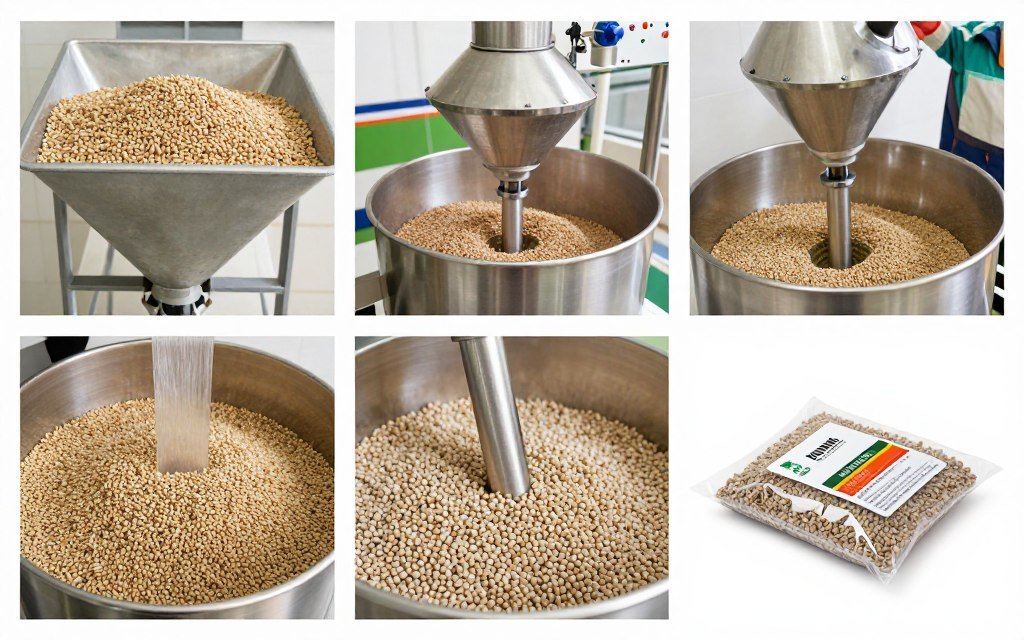
Understanding how to make a feed pellet machine work efficiently saves time and money. The process follows five main steps. Master these, and you’ll produce consistent, high-quality feed pellets every batch.
The Complete Feed Pellet Production Process
Step 1: Ingredient Preparation
- Weigh all ingredients according to your formula
- Check moisture content (ideal: 13-15% for most materials)
- Grind ingredients to uniform particle size (3-5mm recommended)
- Remove foreign objects (stones, metal, large sticks)
- Dry any wet ingredients before processing
Step 2: Mixing
- Load ingredients into mixer in proper sequence
- Mix for 5-8 minutes for uniform distribution
- Add liquid ingredients (oil, molasses) gradually
- Ensure vitamins and minerals blend completely
- Verify consistent color throughout mixture
Step 3: Pelleting
- Preheat machine for 5-10 minutes
- Feed mixture gradually into pelletizer
- Monitor pellet formation and adjust compression
- Check pellet hardness and length
- Maintain consistent feed rate for quality
Step 4: Cooling
- Spread hot pellets on clean surface
- Allow air circulation for 30-60 minutes
- For large batches, use cooling fans
- Verify pellets reach room temperature
- This step prevents mold growth in storage
Step 5: Storage
- Package pellets in moisture-proof bags
- Store in dry, ventilated area
- Elevate bags off ground to prevent moisture
- Use within 3-4 weeks for maximum freshness
- Label with production date and formula
Optimizing Pellet Quality
High-quality pellets improve animal performance and reduce waste. Here’s how to achieve professional results with your MAIKONG machine:
Moisture Management
Moisture content critically affects pellet formation and durability. Too dry, and pellets crumble. Too wet, and they clog the die.
- Optimal range: 13-15% moisture for most feeds
- Fish feed: 25-30% for extrusion
- Livestock roughage: 15-18% for fibrous materials
- Test with simple hand squeeze method
- Add water if mixture is too dusty
Die Temperature Control
Proper die temperature ensures strong binding without burning ingredients. Temperature affects starch gelatinization.
- Preheat die to 60-75°C before production
- Maintain 70-85°C during operation
- Higher temps for fish feed extrusion (100-120°C)
- Never exceed 130°C (destroys vitamins)
- Monitor with infrared thermometer
Compression Adjustment
The right compression creates dense, durable pellets without excessive energy consumption.
- Start with medium compression setting
- Increase if pellets crumble easily
- Decrease if machine overloads or slows
- Poultry feed: Moderate compression
- Fish feed: Higher compression for water stability
Common Operating Problems and Solutions
Why are my pellets crumbling or breaking apart?
Crumbly pellets usually indicate insufficient moisture or compression. Add 1-2% water to your mix and increase compression slightly. Also verify that your die holes are not worn (replace dies every 500-800 hours of operation). For poultry feed, adding 2-3% vegetable oil improves binding. Check that you’re not over-grinding ingredients – some larger particles actually help pellet structure.
The machine keeps jamming or clogging. What’s wrong?
Jamming happens when mixture is too wet, ingredients are too coarse, or you’re feeding too fast. Reduce moisture to 12-13%, ensure all ingredients pass through a 4mm screen, and slow your feed rate. Clean the die thoroughly – old material buildup causes most jams. For fibrous livestock feeds, mix in 10-15% grain-based ingredients to improve flow. Never force wet ingredients through the machine.
My floating fish feed pellets sink immediately. How do I fix this?
Sinking fish feed from an extruder means insufficient expansion during extrusion. Increase the moisture content to 28-32% and raise the barrel temperature to 110-125°C. Verify your formula includes enough starch sources (corn, wheat) – aim for minimum 30% for good expansion. Reduce the die hole diameter slightly, which increases pressure and expansion. Check that your extruder screws are not worn. Contact our WhatsApp support for specific formula adjustments.
How do I calculate the actual cost per kilogram of my feed pellets?
Add the cost of all ingredients used (weigh precisely and multiply by unit prices), then add energy costs (electricity or diesel consumed during production), labor costs (if paying workers), and equipment wear (approximately 2-3% of machine value per year, divided by annual production). Divide total costs by total kilograms produced. Most Nigerian farmers produce poultry feed for ₦180-250 per kg and fish feed for ₦220-300 per kg using this method.
What maintenance does the feed pellet machine need, and how often?
Daily: Clean die and remove residual material after each use (15 minutes). Weekly: Lubricate bearings and check belt tension. Monthly: Inspect die holes for wear, check all bolts for tightness, clean motor cooling vents. Every 500 hours: Replace worn dies, inspect gearbox oil level, check electrical connections. Annual: Complete service including bearing replacement, belt replacement, and professional inspection. MAIKONG provides detailed maintenance schedules with every machine. Follow these, and your equipment lasts 10+ years.
Technical Support Available: Every MAIKONG customer receives our comprehensive operation manual in English. We also provide WhatsApp video support at +86-158-1555-6422 for any operating questions. Our Nigerian support team responds within 2 hours during business days. Never struggle alone with technical issues.
Calculating Your Feed Machine Return on Investment (ROI)

The best reason to invest in a feed pellet machine is financial. Let’s calculate exactly how much money you’ll save and how fast you’ll recover your investment. These numbers are based on real Nigerian farm experiences with MAIKONG equipment.
Monthly Savings Example: 2,000-Bird Poultry Farm
| Item | Buying Commercial Feed | Own Production | Monthly Savings |
| Monthly Feed Need | 7,500 kg (300 bags) | 7,500 kg | – |
| Cost Per Kilogram | ₦380 – ₦450 | ₦210 – ₦240 | ₦170 – ₦210 per kg |
| Total Monthly Cost | ₦2,850,000 – ₦3,375,000 | ₦1,575,000 – ₦1,800,000 | ₦1,275,000 – ₦1,575,000 |
| Annual Savings | – | – | ₦15.3M – ₦18.9M |
A suitable MAIKONG feed pellet machine for this farm size (300-400 kg/hour capacity) costs approximately ₦2,500,000 – ₦3,200,000 delivered to Nigeria. Your payback period is just 1.6 to 2.1 months. After that, all savings become pure profit.
ROI for Different Farm Sizes
Small Farm: 500 Chickens
Entry-level feed production with manual machine.
- Machine cost: ₦650,000 – ₦850,000
- Monthly savings: ₦280,000 – ₦350,000
- Payback period: 2.3 – 3.0 months
- Year 1 net gain: ₦2,500,000+
Medium Farm: 5,000 Chickens
Semi-automatic system with good automation.
- Machine cost: ₦4,200,000 – ₦5,500,000
- Monthly savings: ₦3,100,000 – ₦3,800,000
- Payback period: 1.4 – 1.8 months
- Year 1 net gain: ₦32,000,000+
Large Farm: 20,000 Chickens
Automated feed pellet production line.
- Machine cost: ₦12,000,000 – ₦18,000,000
- Monthly savings: ₦12,000,000 – ₦15,000,000
- Payback period: 1.0 – 1.5 months
- Year 1 net gain: ₦126,000,000+
Fish Farm: 50 Ponds (1,000 kg daily)
Floating fish feed extruder for catfish production.
- Machine cost: ₦6,500,000 – ₦9,000,000
- Monthly savings: ₦4,500,000 – ₦6,200,000
- Payback period: 1.4 – 2.0 months
- Year 1 net gain: ₦45,000,000+
These calculations assume you continue producing the same amount of feed you previously purchased. Most farmers expand their operations after seeing these savings, which accelerates profit growth even more.
Additional Profit Opportunities
Beyond saving on your own feed costs, a feed pellet machine creates new income streams:
Case Study – Brother Emeka, Anambra State: Started with 1,500 layers and a MAIKONG 300 kg/hour machine. After cutting his own costs, he noticed neighboring farmers asking about his feed. Now produces an extra 1,000 kg monthly for sale at ₦350/kg. This additional revenue of ₦350,000 monthly paid for machine upgrades and a second livestock building. His total profit from the feed machine now exceeds ₦850,000 monthly.
- Sell to Neighbors: Other farmers will buy your quality feed at prices below commercial brands but above your production cost
- Contract Production: Partner with cooperative societies to produce their feed requirements for a fee
- Custom Formulations: Offer specialized feed blends for specific farming needs (high-protein for broilers, calcium-rich for layers)
- Seasonal Services: During peak farming seasons, provide feed production services to farmers without equipment
Calculate Your Specific Farm’s ROI
Send us your current feed costs and farm size. We’ll provide a detailed ROI analysis showing your exact payback period and annual savings with MAIKONG equipment.
Become a MAIKONG Feed Equipment Agent in Nigeria
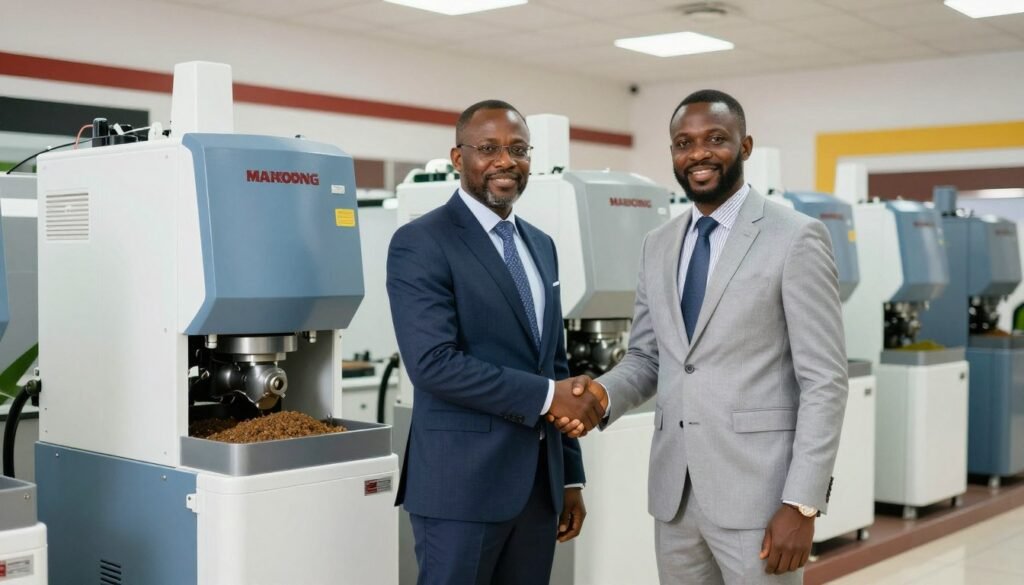
MAIKONG actively recruits distributors, agents, and regional representatives across Nigeria. If you’re in agricultural equipment sales, farming services, or looking for a profitable business opportunity, partnership with MAIKONG offers exceptional benefits.
Why Partner with MAIKONG as a Distributor?
Attractive Profit Margins
Earn 20-35% margins on every machine sold. Higher volumes unlock better pricing tiers. Top agents earn ₦8-15 million monthly during peak seasons.
Exclusive Territory Rights
Secure exclusive distribution rights in your state or region. We limit agents to ensure adequate market coverage without internal competition.
Comprehensive Training
Receive technical training on all products, sales support, and marketing materials. We teach you how to make a feed pellet machine demonstration that closes sales.
Marketing Support
Get branded catalogs, demonstration videos, technical specifications, and sales presentations. We help you market effectively to Nigerian farmers.
Fast Delivery
Stock high-demand models in Nigeria for immediate delivery. Special orders ship within 15-25 days from factory. We maintain inventory transparency.
After-Sales Backing
We support your customers directly with technical assistance. You focus on sales while we handle service, ensuring customer satisfaction and repeat business.
Agent Requirements and Investment
Becoming a MAIKONG distributor requires commitment but offers excellent returns. Here’s what we look for:
Ideal Agent Profile
- Experience in agricultural equipment, farming supplies, or related business
- Established customer base or network in farming community
- Physical location suitable for displaying machines (shop, warehouse, or farm)
- Ability to invest in demo unit and initial inventory
- Commitment to MAIKONG brand standards and customer service
- Financial capability to stock 2-5 units initially
Initial Investment (Typical)
- Demo machine purchase: ₦1,500,000 – ₦2,800,000
- Initial inventory (2-3 units): ₦4,000,000 – ₦8,000,000
- Marketing and setup: ₦500,000 – ₦1,000,000
- Working capital: ₦1,000,000 – ₦2,000,000
- Total estimated start: ₦7,000,000 – ₦13,800,000
- Expected payback: 4-8 months for active agents
We offer flexible partnership models. New agents can start with just a demo unit and order basis (minimal inventory). As you grow, transition to stocking distributor with better pricing tiers.
Support and Resources for Agents
Sales Training Program
- Product knowledge for all machine types
- Effective demonstration techniques
- Handling customer objections
- Feed formula consultation basics
- Ongoing sales coaching via WhatsApp
Marketing Materials
- High-quality product catalogs
- Demonstration videos for each machine
- ROI calculators for customer presentations
- Social media content templates
- Branded signage and banners
Technical Backup
- Direct factory support line
- Spare parts availability
- Installation guidance
- Customer training assistance
- Warranty claim processing
Success Stories from Current Agents
“I started as a MAIKONG agent in Kaduna State 18 months ago with just one demo machine. My farming background helped me connect with customers. Now I stock 8 units and sell 12-15 machines monthly. The profit supports my family and I’m expanding into other states. MAIKONG’s factory support is excellent – they answer technical questions within hours.”
“As a woman in agricultural business, I needed a product that truly helped farmers. MAIKONG feed pellet machines deliver real value. My customers see savings within weeks and refer others. I’ve built a profitable business while supporting women farmers in my community. The flexible payment terms from MAIKONG helped me start without huge capital.”
Apply to Become a MAIKONG Agent Today
Limited territories available. Submit your distributor application now to secure your region. We’ll review your application and respond within 48 hours with next steps.
Frequently Asked Questions About Feed Pellet Machines
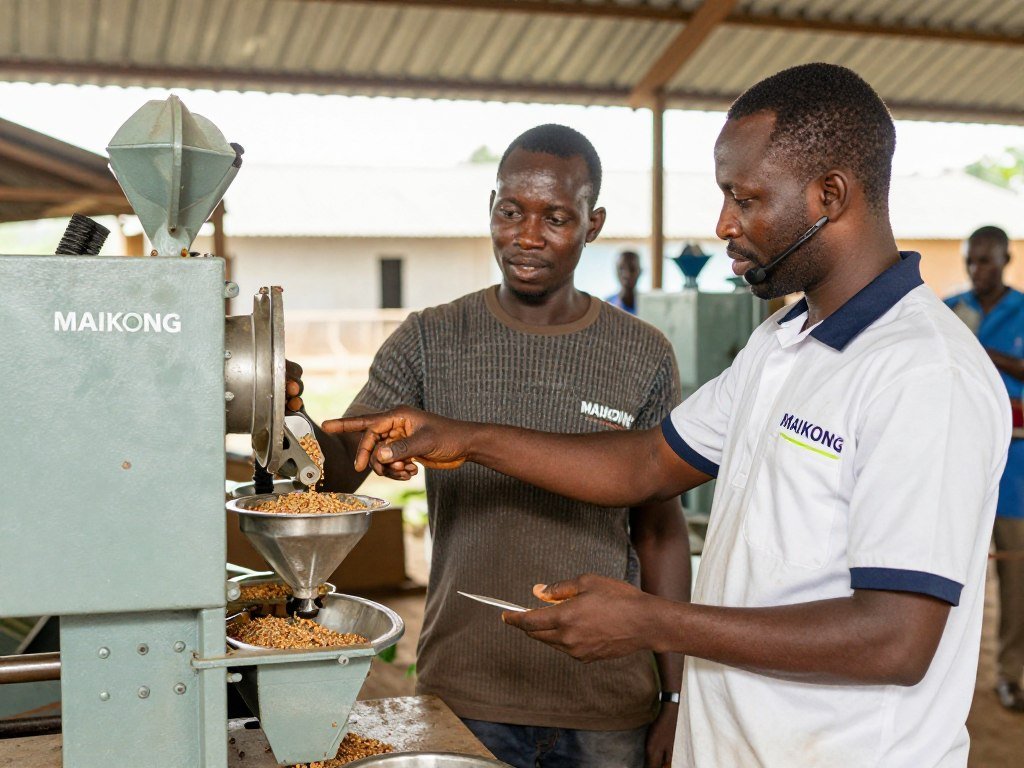
What’s the difference between a feed pellet machine and an extruder for fish feed?
A standard feed pellet machine uses compression to form pellets through a die without significant heat. These pellets typically sink in water and work perfectly for poultry, livestock, and sinking fish feed. An extruder, however, cooks the ingredients at high temperature and pressure, causing the feed to expand and float. Extruded floating fish feed is essential for catfish farming because it stays on the water surface, allowing you to monitor feeding and reducing waste. If you raise catfish, tilapia, or other surface-feeding fish, invest in an extruder. For poultry, pigs, cattle, goats, or sheep, a standard pelletizer works excellently and costs less.
Can one machine produce feed for different animals (chickens, fish, goats)?
Yes, most MAIKONG feed pellet machines are versatile enough to produce feed for multiple animal types. The key is changing the die to adjust pellet size and modifying your ingredient formula. For example, with a 300 kg/hour machine, you can produce 4mm pellets for chickens on Monday, switch to an 8mm die for goat feed on Wednesday, and use 10mm for cattle on Friday. Each die change takes 15-20 minutes. The limitation is that standard pellet machines cannot produce floating fish feed – that specifically requires an extruder. If you need both regular pellets and floating fish feed, consider buying both machines or starting with the one serving your larger livestock population.
How long does a feed pellet machine typically last, and what maintenance is required?
MAIKONG feed pellet machines last 10-15 years with proper maintenance. The main wear component is the die, which needs replacement every 500-800 operating hours (approximately 6-12 months for most farms). Dies cost ₦45,000-₦180,000 depending on machine size. Daily maintenance involves cleaning the machine after use (15 minutes). Weekly tasks include lubricating bearings and checking belt tension. Monthly inspections cover electrical connections and bolt tightness. Annual major service requires bearing replacement and gearbox oil change. We provide a complete maintenance schedule with every machine. Follow this, and your equipment will serve your farm for many years. Our Nigerian customers report excellent longevity when maintenance schedules are followed.
What if power supply is unstable or unavailable in my area?
Nigerian power challenges are common, and MAIKONG offers three solutions. First, our electric machines work with generators – a 300 kg/hour machine needs a 7-10 kVA generator, which most farms already have. Second, we manufacture diesel-powered machines that operate completely independently of electricity. These are popular in northern Nigeria and rural areas. Third, for areas with some solar infrastructure, we can provide DC motor machines (custom order, 4-6 week delivery). The diesel option adds about 15-20% to machine cost but provides total power independence. Calculate your fuel costs versus generator operation – for farms running generators 4+ hours daily anyway, diesel machines often prove more economical. Contact us to discuss which power option suits your specific situation.
Do you provide installation and training when I buy a machine?
Yes. Every MAIKONG feed pellet machine comes with a comprehensive English operation manual including diagrams and troubleshooting guides. For customers in Nigeria, we offer optional on-site installation and training for ₦120,000-₦250,000 depending on location and machine complexity. This includes travel to your farm, machine assembly, test runs, and hands-on operator training (typically 1-2 days). Many customers successfully install using our video guides and WhatsApp support, which is free. Our support team at +86-158-1555-6422 provides real-time assistance via video call during installation. We walk you through every step until your machine operates perfectly. For large production lines, professional installation is strongly recommended and included in the quotation.
Can I visit your factory or see a demonstration before buying?
Absolutely. We welcome factory visits and arrange demonstrations. Our main manufacturing facility is in China, and we can organize factory tours for serious buyers (coordinate travel through Lucy@pelletmachine.ng). For Nigerian customers, we have demonstration units available through our agent network in Lagos, Kano, and Enugu. These demo machines allow you to see actual operation, test with your own raw materials, and verify feed quality before purchasing. We can also arrange video demonstrations via WhatsApp where we operate a machine in real-time and answer your questions. Many customers bring ingredient samples to demo sessions to test their specific formulations. Contact us to schedule a demonstration at a location near you or to arrange a factory visit.
What warranty do MAIKONG machines come with, and how are warranty claims handled?
All MAIKONG feed pellet machines include a 12-month warranty from delivery date covering manufacturing defects and component failures under normal use. This covers motors, gearboxes, frames, and electrical components. Wear parts (dies, rollers, belts) are not covered as these are consumable items. If you experience a warranty issue, contact our support team via WhatsApp or email with a description and photos/video of the problem. We diagnose remotely in 90% of cases and send replacement parts by express courier to Nigeria (typically 7-10 days delivery). For major issues requiring factory repair, we provide a loaner unit (where available) or work with local technicians to resolve problems. Our warranty response time averages 24 hours, and we track all claims to ensure customer satisfaction. Extended warranties available for additional fee.
How do I know which capacity machine to buy for my farm size?
Calculate your daily feed consumption and work backwards. For poultry: multiply bird count × 0.125 kg (average daily consumption per bird). For fish: approximately 3-5% of total fish weight daily. For goats/sheep: 1-1.5 kg per animal daily. For cattle: 2-4 kg per animal daily (supplemental feed). Once you have daily kilograms, add 25-30% for growth and potential sales. Choose a machine that produces this amount in 1-2 hours of operation. Example: 2,000 chickens need 250 kg daily. Add 30% = 325 kg. A 350-400 kg/hour machine produces this in under 1 hour, leaving capacity for expansion. Our technical team provides free capacity consultation – send your farm details to Lucy@pelletmachine.ng, and we’ll recommend the perfect machine size.
How to Order Your MAIKONG Feed Pellet Machine
Purchasing a feed pellet machine from MAIKONG is straightforward. We’ve streamlined the process for Nigerian customers. Here’s exactly what happens from inquiry to delivery.
Step-by-Step Ordering Process
Step 1: Contact & Consultation
- Reach us via WhatsApp, email, or phone
- Describe your farming operation and needs
- Receive machine recommendations
- Ask any technical or pricing questions
- Review our product specifications
Step 2: Quotation & Agreement
- Receive detailed price quotation
- Review all costs (FOB, shipping, customs estimates)
- Clarify customization requirements
- Confirm delivery timeline (typically 15-25 days)
- Agree on payment terms
Step 3: Order Placement
- Submit formal purchase order
- Pay deposit (usually 30-40% of total)
- Confirm machine specifications in writing
- Provide delivery address details
- Receive order confirmation with production timeline
Step 4: Production & Updates
- Factory begins manufacturing (custom orders)
- Receive progress photos during production
- Quality testing before shipping
- Final inspection and packaging
- Pre-shipment notification with photos
Step 5: Shipping & Customs
- Sea freight to Nigerian port (Lagos/Port Harcourt)
- Receive tracking and shipping documents
- Customs clearance assistance if needed
- Final payment before release (balance 60-70%)
- Shipping duration: 20-30 days typical
Step 6: Delivery & Setup
- Machine arrives at your location
- Installation guidance via video or on-site
- Initial test runs and adjustments
- Operator training and manual handover
- Warranty registration and support contact
Payment Options
MAIKONG accepts multiple payment methods for Nigerian customers:
- Bank Transfer (TT): Most common method. Deposit 30-40%, balance before shipping. We provide full bank details.
- Letter of Credit (L/C): Available for orders above $10,000 USD. Provides security for both parties.
- Installment Plans: For qualified agents and large orders, we offer installment arrangements. Contact for terms.
- Cash Payment: Accepted for local Nigerian stock items purchased through our agents.
Important: Only make payments to official MAIKONG bank accounts provided in signed quotations. Verify account details via phone call to Lucy at +86-158-1555-6422 before transferring funds. We never request payment to personal accounts or via informal methods.
Delivery Timeframes
| Order Type | Production Time | Shipping Time | Total to Nigeria |
| Stock Standard Model | 0-3 days (ready) | 20-30 days | 3-5 weeks |
| Standard Model (made to order) | 10-15 days | 20-30 days | 5-7 weeks |
| Custom Specification | 15-25 days | 20-30 days | 6-8 weeks |
| Complete Production Line | 25-40 days | 20-30 days | 7-10 weeks |
Express air shipping available for urgent orders (additional cost applies). Most common models ship faster as we maintain production stock. Discuss your timeline requirements during consultation.
Ready to Order Your Feed Pellet Machine?
Start the process today. Our team will guide you through every step from quotation to successful operation. Get your farm on the path to feed independence and profitability.
Transform Your Nigerian Farm with MAIKONG Feed Machines
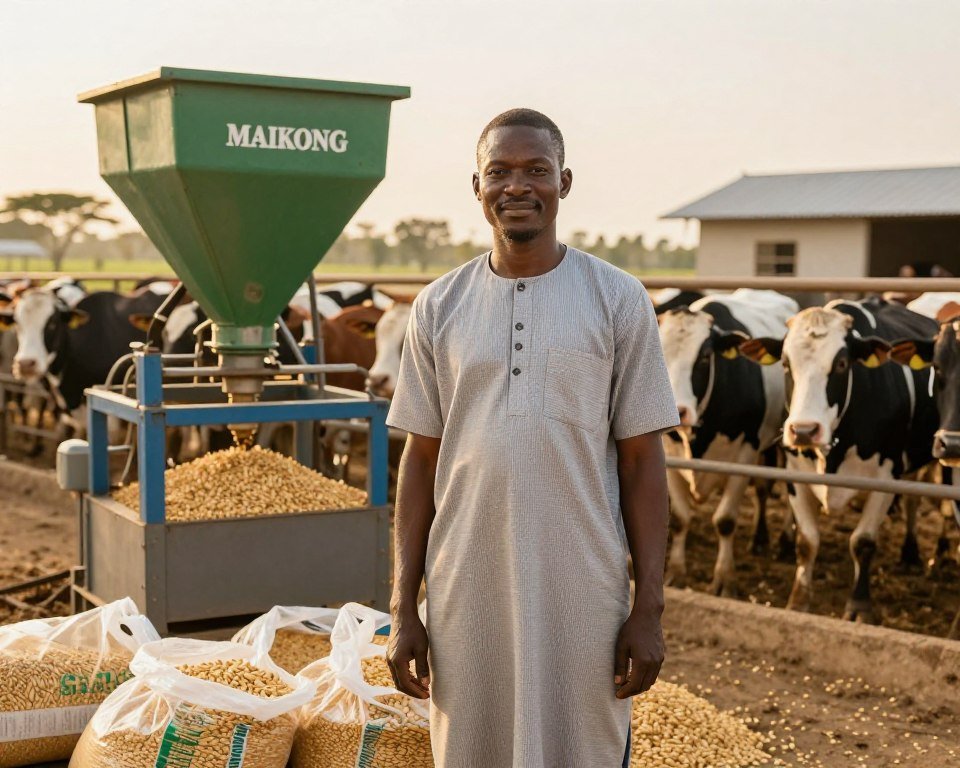
Investing in a feed pellet machine represents more than buying equipment. You’re taking control of your farming costs, ensuring feed quality, and building long-term profitability. Nigerian farmers who produce their own feed pellets consistently report three major benefits: dramatically lower operating costs, improved animal performance, and new income opportunities from selling excess feed.
MAIKONG brings 20+ years of manufacturing expertise directly to Nigerian agriculture. Our machines operate successfully from Lagos to Maiduguri, from small family farms to commercial operations producing tons of feed daily. The combination of factory-direct pricing, robust construction, and dedicated Nigerian support makes MAIKONG the smart choice for serious farmers.
Your Next Steps
Whether you’re a poultry farmer tired of rising feed costs, a fish farmer wanting better floating feed, a livestock operator seeking dry season solutions, or an entrepreneur looking for distributor opportunities, MAIKONG has the solution. Don’t wait for feed prices to increase further. Start your journey to feed independence today.
For Farm Owners:
- Calculate your potential monthly savings
- Review our machine range for your livestock type
- Contact us for personalized recommendations
- Request a detailed quotation
- Schedule a demonstration if available nearby
For Potential Agents:
- Review the distributor program benefits
- Assess your market and territory potential
- Submit your distributor application
- Discuss exclusive territory rights
- Plan your agricultural equipment business growth
The MAIKONG team stands ready to support your success. We’re not just selling machines – we’re partnering with Nigerian farmers to build a more sustainable, profitable agricultural future. Every customer receives our commitment to excellent products, honest communication, and reliable support.
Contact MAIKONG Today
Take the first step toward feed independence and farm profitability. Our team is here to answer your questions, provide expert guidance, and help you choose the perfect feed pellet machine for your Nigerian farm.
Join thousands of successful Nigerian farmers who’ve already made the switch to MAIKONG feed equipment. Your farm’s future starts with better feed. Let’s build it together.
Copy©2025