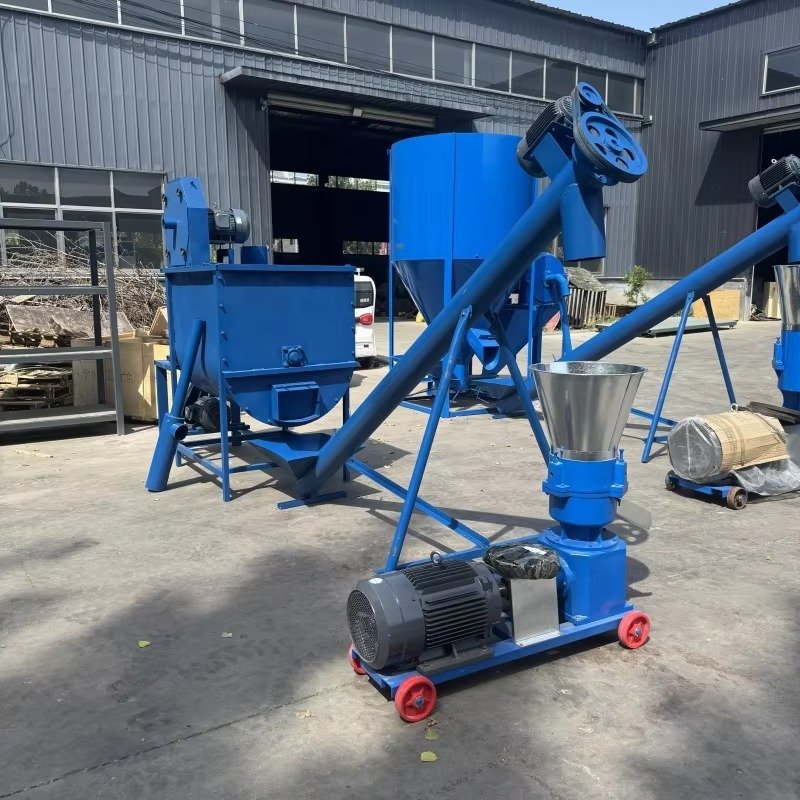
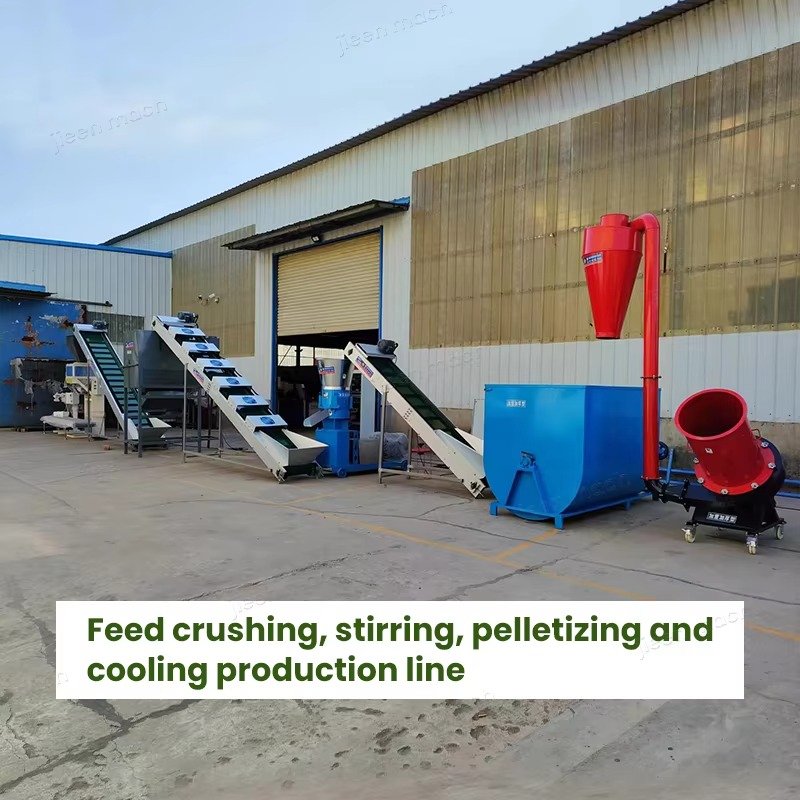
Pellet Mills: Basic Components and Operation
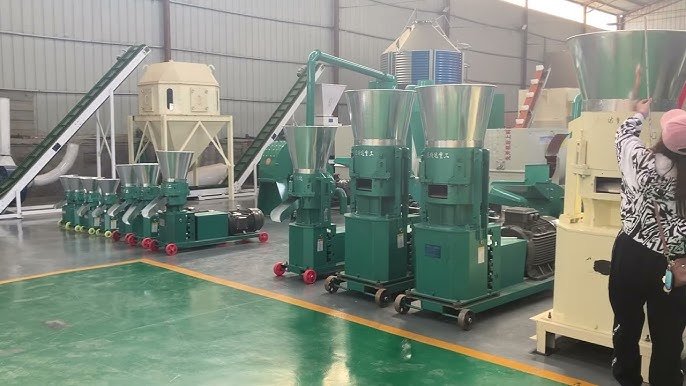
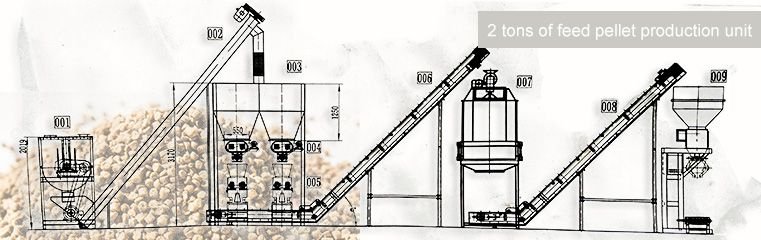
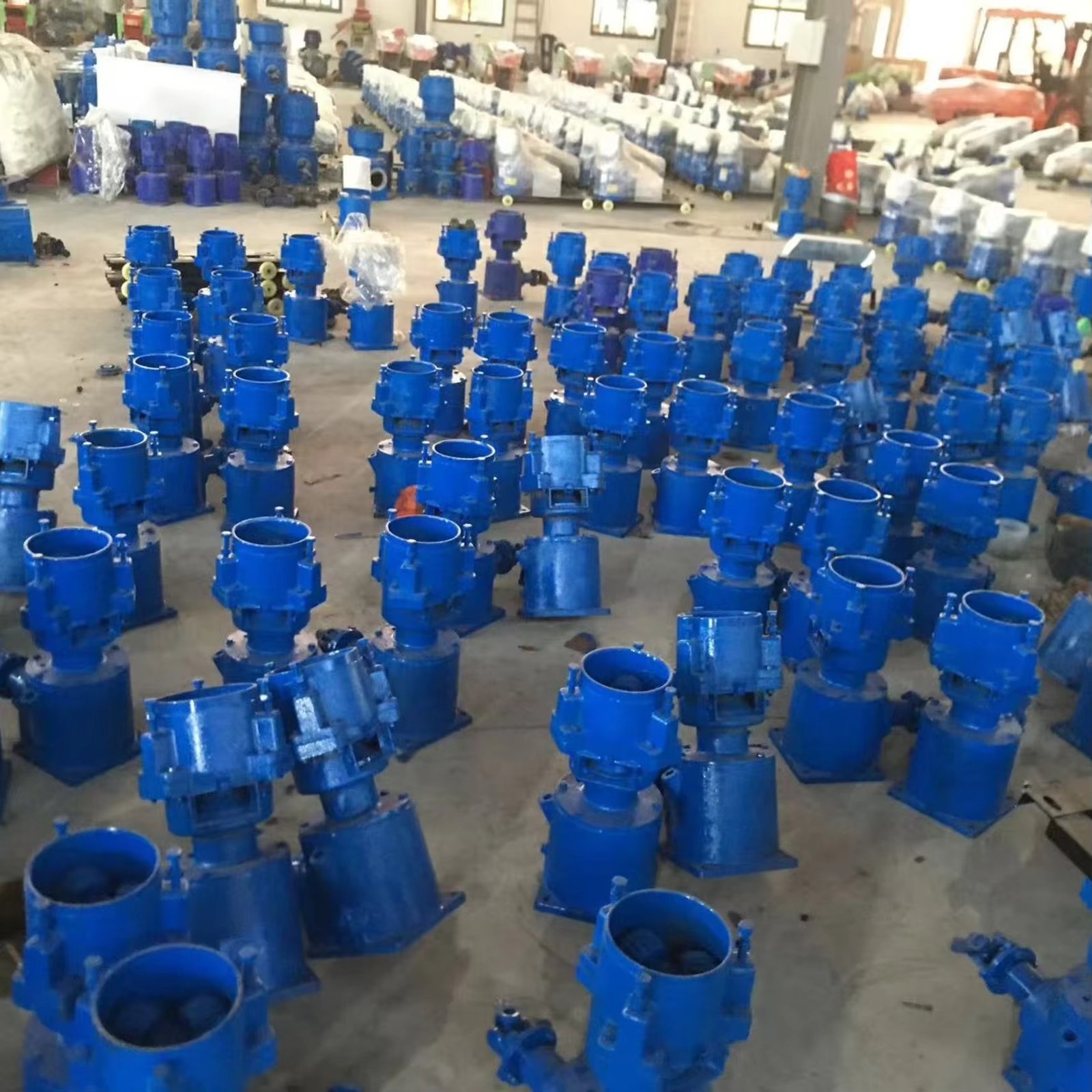
Before diving into safety procedures, it’s essential to understand how pellet mills function. These powerful machines transform loose material into dense, uniform pellets through compression and extrusion. The core components include:
- Die and Rollers: The heart of the pelletizing process where compression occurs
- Conditioner: Pre-treats material with steam and/or liquid additives
- Feeder System: Controls material flow rate into the pellet chamber
- Drive System: Powers the die rotation (motor, gearbox, and transmission)
- Cutting Mechanism: Slices extruded material to desired pellet length
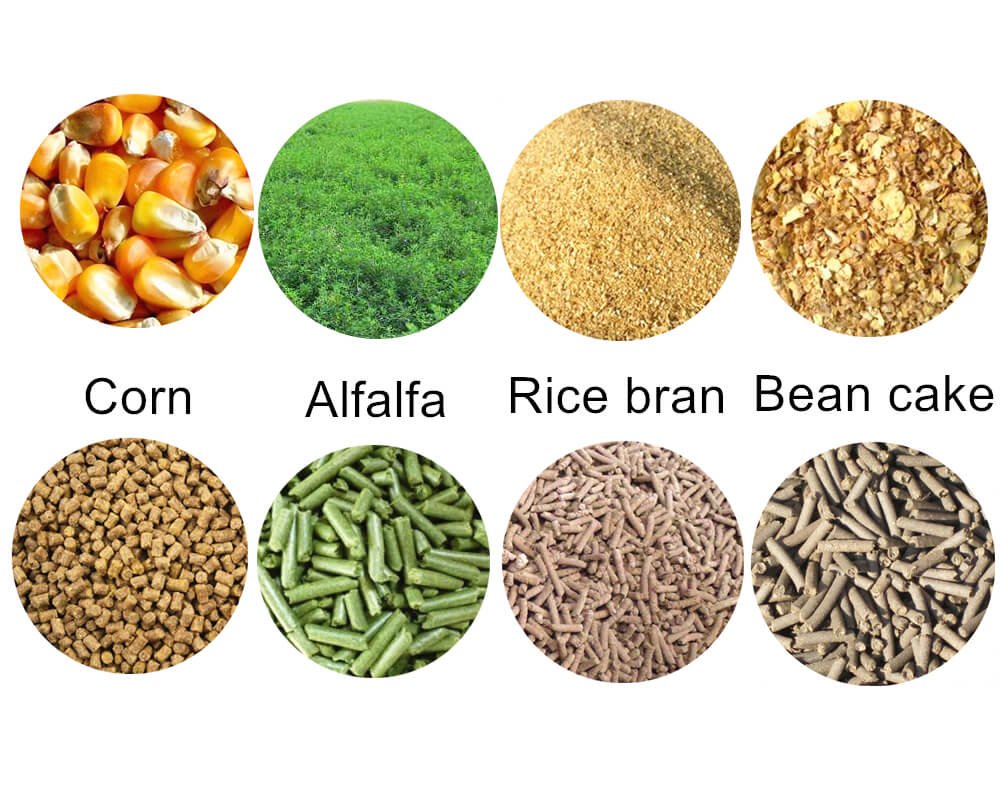
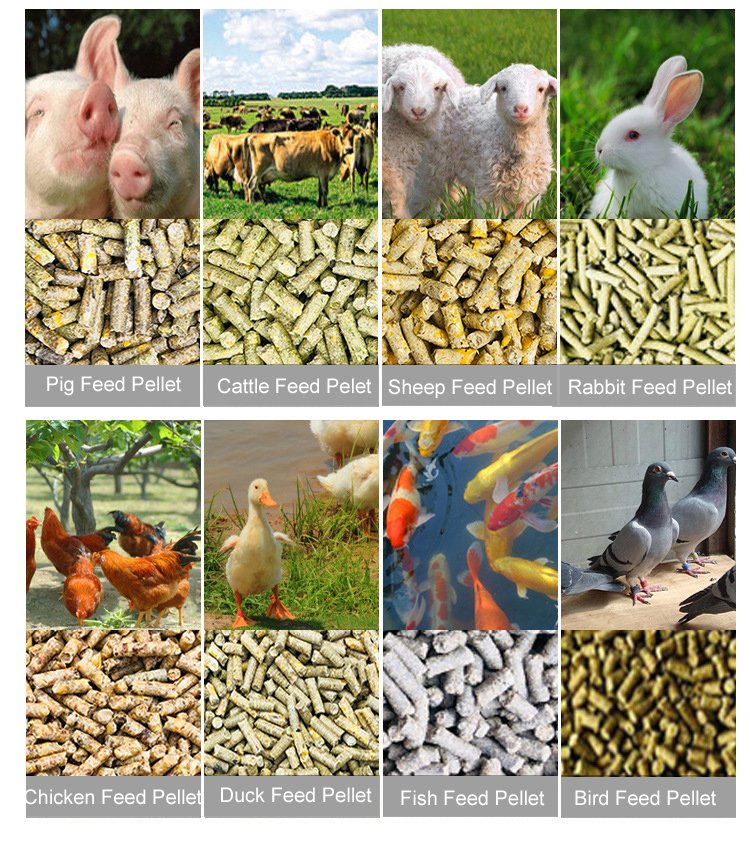
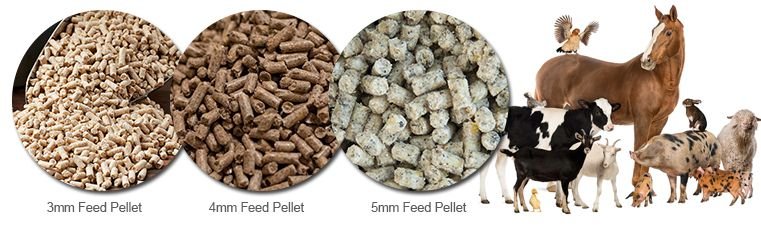
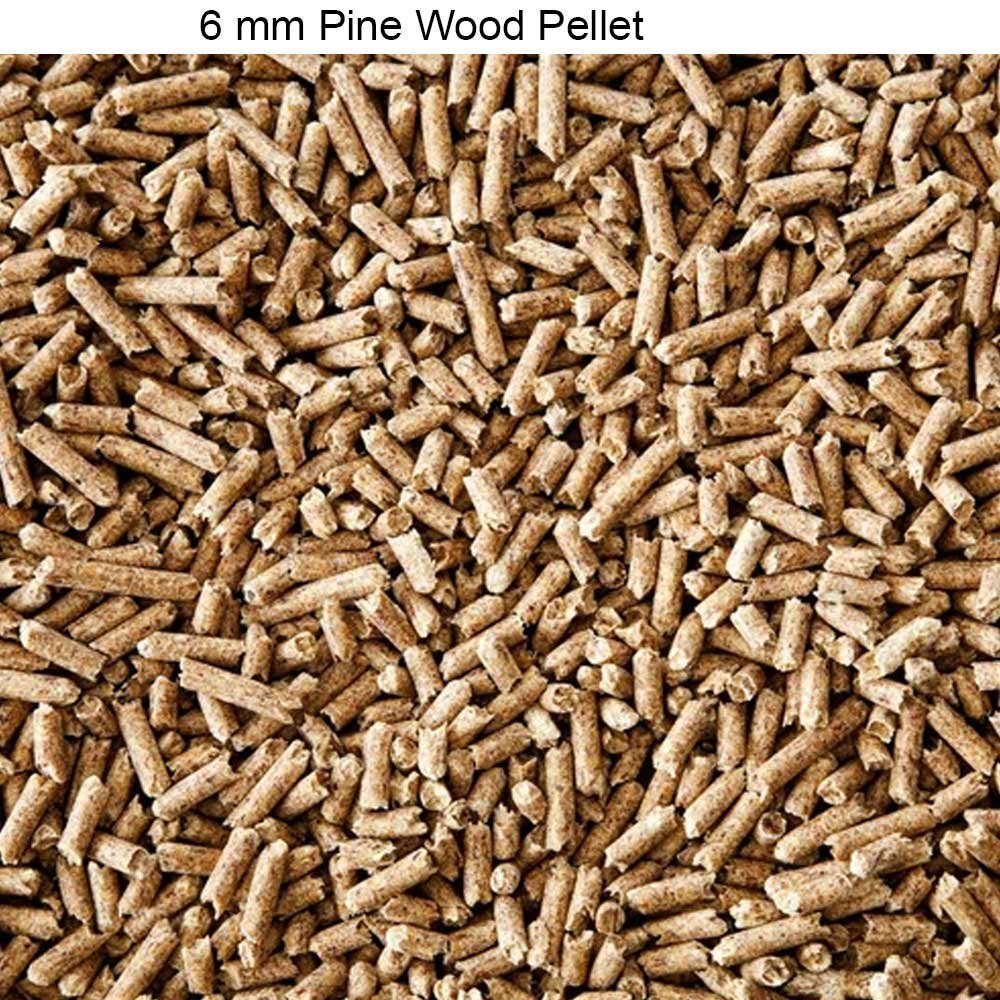
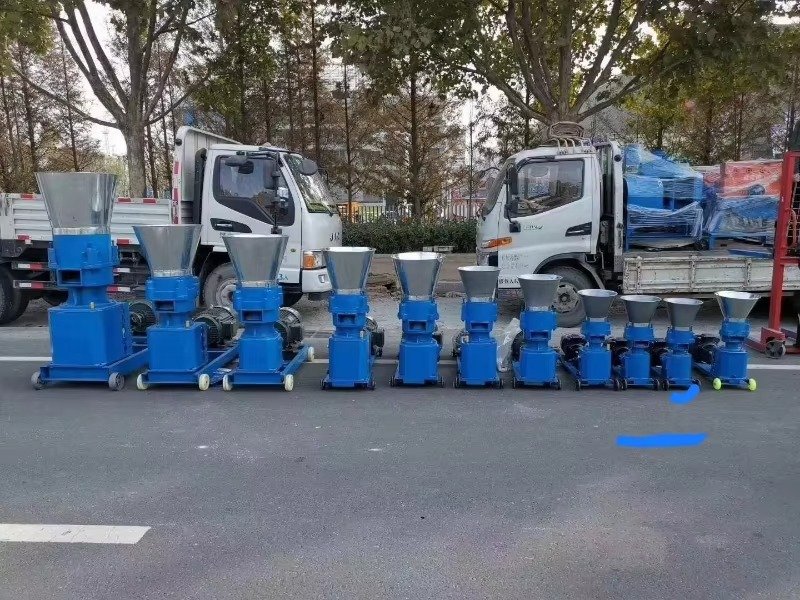
MAIKONG’s range of pellet mills includes models designed specifically for various applications, from animal feed production to biomass processing. Each machine incorporates advanced safety features while maintaining the robust performance Nigerian businesses demand.
Need Expert Guidance on Pellet Mill Selection?
Our technical team can help you choose the right model for your specific application.
Contact via WhatsApp
Essential Safety Precautions Before Operating Pellet Mills
Safety Checklist
- Verify all guards and safety shields are properly installed
- Check electrical connections for damage or wear
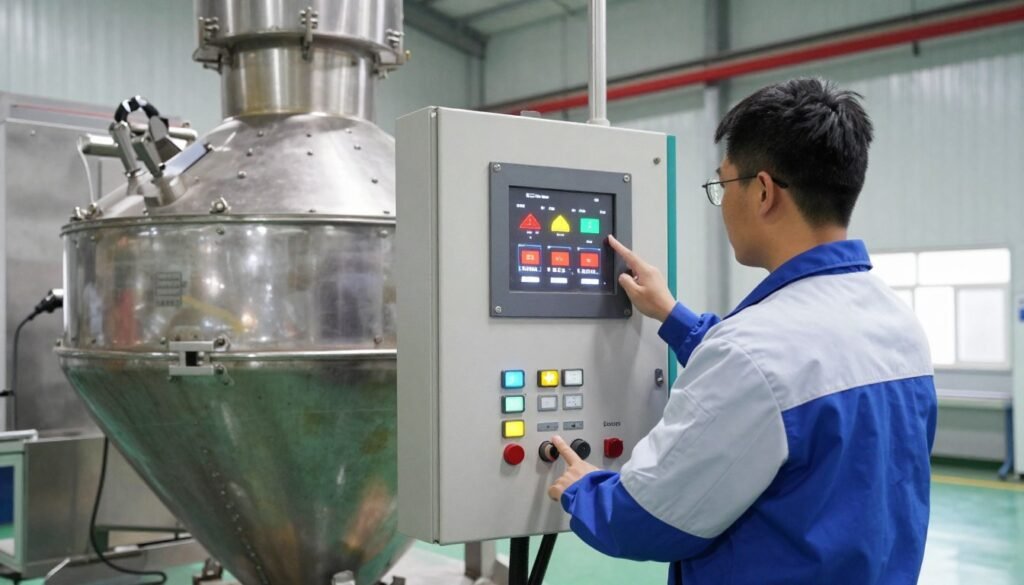
- Ensure emergency stop buttons are functional and accessible
- Confirm proper lubrication of all moving parts
- Inspect die and rollers for damage or excessive wear
- Verify that the area around the machine is clear of obstacles
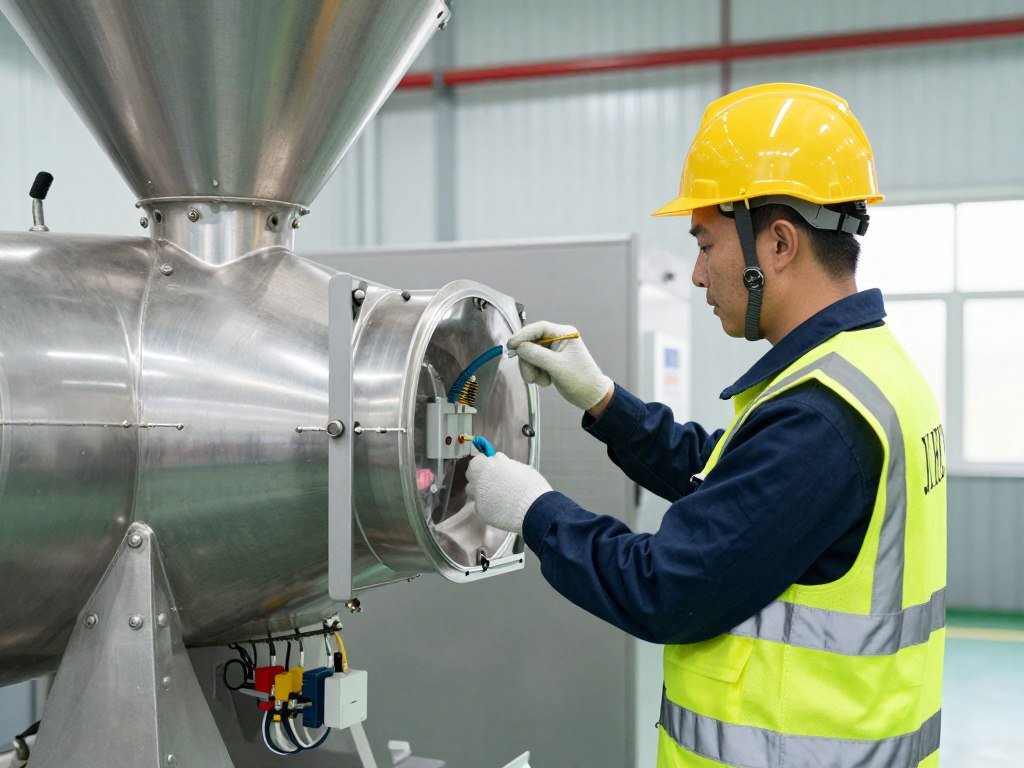
- Ensure operators are wearing appropriate PPE
Common Safety Hazards
- Operating without proper guards or shields
- Attempting maintenance while machine is running
- Wearing loose clothing near rotating equipment
- Bypassing safety interlocks or emergency stops
- Overloading the pellet mill beyond rated capacity
- Operating with damaged or worn components
- Insufficient training of machine operators
At MAIKONG, we prioritize operator safety through comprehensive training and equipment design. All our pellet mills feature multiple safety interlocks, emergency stop systems, and clear warning labels in accordance with international safety standards.
Proper Startup and Operation Procedures
- Pre-Start Inspection: Complete all safety checks outlined in the previous section
- Power Sequence: Follow the correct power-up sequence for auxiliary equipment before starting the main drive
- No-Load Operation: Run the mill without material for 3-5 minutes to ensure proper operation
- Gradual Material Introduction: Begin feeding material slowly, gradually increasing to operational capacity
- Monitor Parameters: Continuously check amperage, temperature, and pressure readings
- Listen for Abnormalities: Unusual sounds may indicate problems requiring immediate attention
- Maintain Consistent Feed Rate: Avoid surges or interruptions in material flow
“Proper startup procedures extend equipment life and prevent costly downtime. Many pellet mill failures can be traced to improper startup sequences.”
– MAIKONG Technical Support Team
Need Technical Support?
Our WhatsApp technical support team is available to assist with startup procedures and troubleshooting.
Connect with Support
Material Preparation and Conditioning
Proper material preparation is crucial for both safety and pellet quality. Incorrectly prepared materials can cause blockages, equipment damage, or even catastrophic failures in extreme cases.
| Material Type |
Optimal Moisture |
Conditioning Temperature |
Common Issues |
| Animal Feed |
15-17% |
80-90°C |
Inconsistent particle size, excessive fines |
| Wood Biomass |
10-12% |
90-105°C |
Resin buildup, insufficient binding |
| Agricultural Residues |
12-15% |
85-95°C |
Variable density, abrasive contaminants |
| Fertilizer |
8-10% |
70-80°C |
Corrosion, chemical reactions |
Important: Always ensure material is free from metal contaminants, stones, and other foreign objects that could damage the die and rollers or create safety hazards.
MAIKONG’s pellet mills include advanced conditioning systems that optimize material properties before pelleting, resulting in higher quality pellets and safer operation.
Maintenance Procedures for Pellet Mills
Regular maintenance is essential for safe operation and longevity of your pellet mill. MAIKONG recommends the following maintenance schedule:
Daily Maintenance
- Check oil levels and lubrication points
- Inspect die and rollers for wear
- Clean feed intake area
- Check belt tension and alignment
- Verify all safety devices are functional
- Listen for unusual noises during operation
Weekly Maintenance
- Inspect and clean conditioner paddles
- Check gearbox oil quality
- Inspect electrical connections
- Clean cooling system components
- Check for loose bolts and fasteners
- Inspect feed screws and metering devices
Monthly Maintenance
- Change oil filters
- Inspect bearings for wear
- Check motor mounts and alignment
- Inspect hydraulic systems (if applicable)
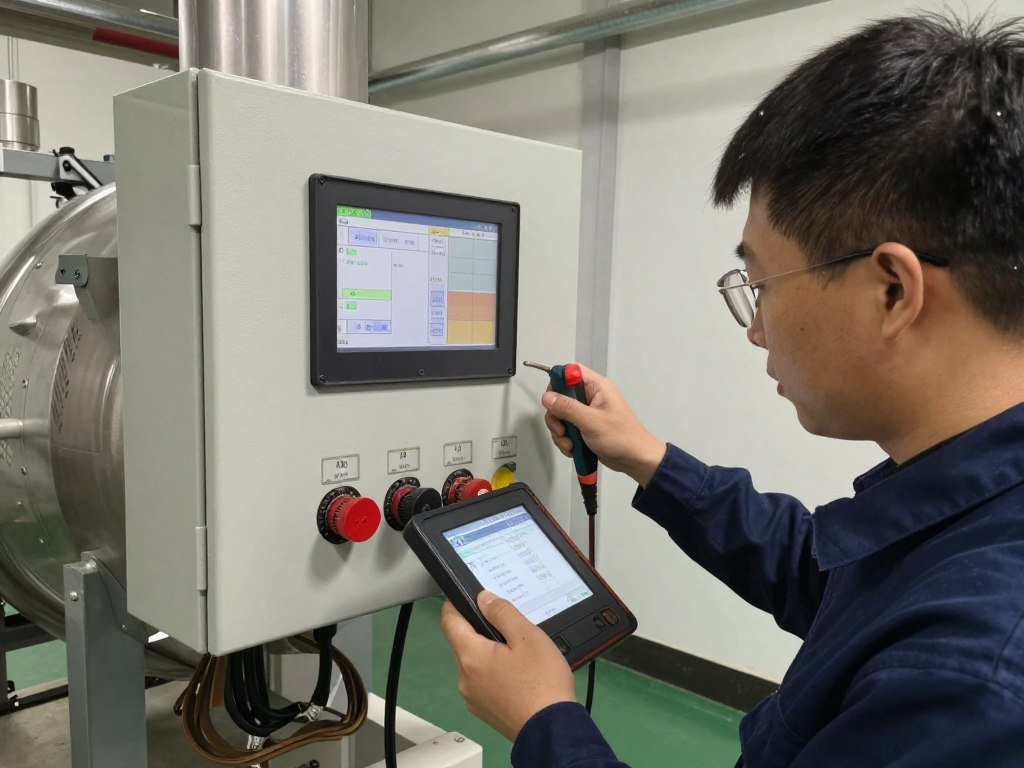
- Clean control panels and sensors
- Verify calibration of monitoring instruments
Annual Maintenance
- Complete gearbox oil change
- Comprehensive bearing inspection
- Full electrical system inspection
- Structural integrity assessment
- Recalibration of all sensors and controls
- Professional inspection by certified technician
Warning: Always follow lockout/tagout procedures before performing any maintenance. Ensure all energy sources are isolated and secured before removing guards or accessing internal components.
Need Genuine MAIKONG Spare Parts?
Contact our parts department for high-quality replacement components designed specifically for your pellet mill model.
Email Parts Department
Troubleshooting Common Pellet Mill Issues
Even with proper maintenance, issues may occasionally arise. Quick identification and resolution of problems prevents safety hazards and minimizes downtime.
Excessive Vibration or Unusual Noise
Possible Causes: Unbalanced die, worn bearings, loose mounting bolts, foreign object in chamber
Safety Action: Immediately stop the machine and investigate. Never operate with excessive vibration as this can lead to catastrophic failure.
Resolution: Check die and roller condition, inspect bearings, verify all mounting hardware is tight, and ensure no foreign materials are present in the pelleting chamber.
Poor Pellet Quality or Inconsistent Production
Possible Causes: Improper material conditioning, worn die or rollers, incorrect die-to-roller gap, inconsistent feed rate
Safety Action: This is primarily a quality issue but can lead to blockages if not addressed.
Resolution: Verify material moisture content and temperature, check die and roller condition, adjust die-to-roller gap according to specifications, and ensure consistent material feed.
Motor Overheating or Excessive Amperage
Possible Causes: Overfeeding, plugged die holes, insufficient material conditioning, mechanical binding
Safety Action: Reduce feed rate immediately and monitor temperature. Shut down if temperature continues to rise.
Resolution: Check for plugged die holes, verify proper material conditioning, ensure proper lubrication of all components, and adjust feed rate to match machine capacity.
Feed System Blockage
Possible Causes: Foreign material, bridging in hopper, moisture clumping, worn feed screws
Safety Action: Follow lockout/tagout procedures before attempting to clear any blockage.
Resolution: Inspect feed system for foreign objects, check material consistency, verify proper operation of flow aids, and inspect feed screws for wear.
MAIKONG provides comprehensive troubleshooting guides with all pellet mills. Our WhatsApp technical support team is also available to assist with diagnosing and resolving issues quickly.
Operator Training and Certification
Proper training is perhaps the most important safety measure for pellet mill operation. MAIKONG provides comprehensive training programs for all equipment purchasers.
- Basic Operator Training: Safety procedures, startup/shutdown sequences, routine monitoring
- Advanced Operation: Optimizing production parameters, quality control, troubleshooting
- Maintenance Training: Preventive maintenance, component replacement, calibration
- Safety Certification: Emergency procedures, hazard recognition, proper PPE usage
“Well-trained operators are the foundation of a safe and productive pelleting operation. Investing in comprehensive training pays dividends through reduced downtime, fewer accidents, and higher quality output.”
– MAIKONG Training Department
We recommend refresher training at least annually and whenever new equipment or processes are introduced. MAIKONG offers both on-site training at your Nigerian facility and virtual training options.
Schedule Operator Training
Contact our training department to arrange customized training for your team.
Request Training
Conclusion: Safety First in Pellet Mill Operation
Operating pellet mills safely requires a combination of proper equipment, thorough training, regular maintenance, and adherence to established procedures. By following the guidelines in this safety guide, you can minimize risks while maximizing productivity and equipment lifespan.
MAIKONG is committed to supporting Nigerian businesses with high-quality pelleting equipment and comprehensive safety resources. Whether you’re producing animal feed, processing biomass, or creating fertilizer pellets, our team is here to ensure your success.
For more information about our pellet mills and pelleting solutions, or to discuss your specific requirements, contact our team today. We look forward to partnering with you for safe, efficient pelleting operations.