
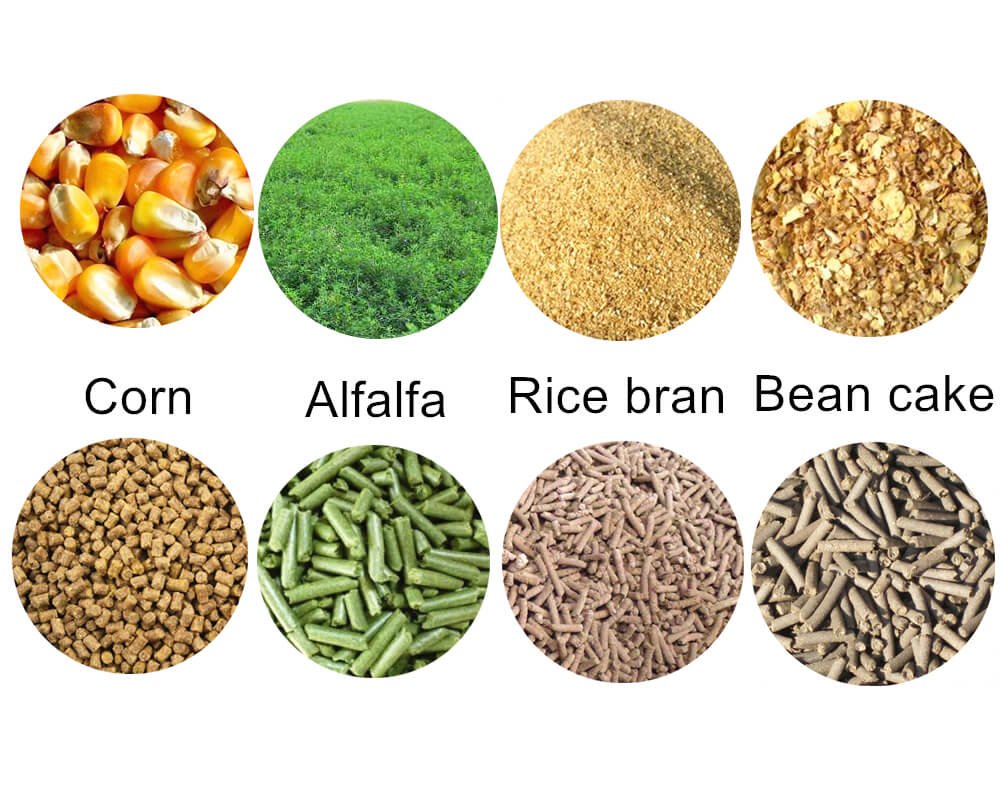
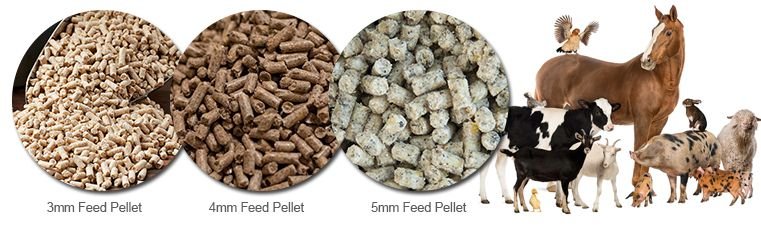
Every Nigerian farm owner faces the same critical question: should you invest in a small feed pellet machine or commit to a full industrial feed machine setup? Your answer determines not just your upfront costs, but your profit margins for years to come. With commercial poultry feed prices ranging from ₦8,500 to ₦12,000 per 25kg bag in Lagos and Abuja markets, producing your own feed pellets can slash costs by 40-60%.
This detailed guide breaks down real investment numbers, production capacities, and return-on-investment timelines across both small scale and industrial feed pellet machine categories. You will discover which machine type matches your current operation size, future growth plans, and budget constraints. We analyze equipment from MAIKONG Nigeria, a trusted manufacturer with 20 years of experience serving African livestock and aquaculture farms.
Understanding Feed Machine Types and Applications
Before diving into budget comparisons, you need clarity on what separates small scale equipment from industrial feed machines. The primary difference lies in production capacity, automation level, power requirements, and scalability potential. Nigerian farms operate across a wide spectrum, from backyard poultry operations processing 50kg daily to commercial facilities requiring 5,000kg hourly output.
Small Scale Feed Pellet Making Machine Categories
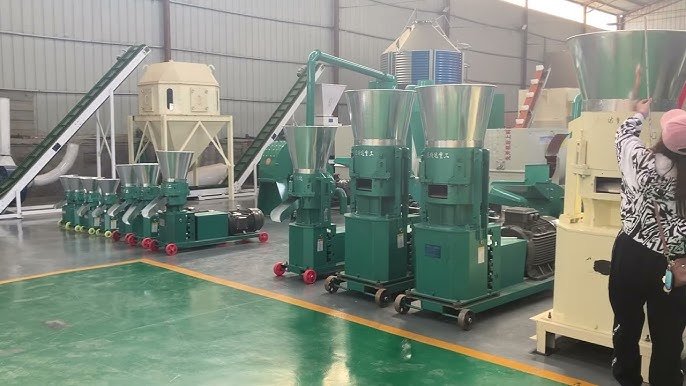
Small scale equipment serves farms with daily feed requirements between 100kg and 500kg. These machines typically feature manual or semi-automatic operation, requiring 2-3 workers for full production cycles. The most common types include flat die pellet making machine models and basic manual feed pellet machine units suitable for home-based operations.
Flat Die Pellet Machine (150-300 kg/hr)

- Ideal for poultry farms with 500-2000 birds
- Processes grains, soybeans, fishmeal into 3-8mm pellets
- Power consumption: 7.5-15 kW
- Price range: ₦650,000-₦1,200,000
- Can produce floating fish feed with proper formulation
This category fits small chicken farm owners looking to reduce feed costs and rural cooperative leaders managing shared production facilities. The animal feed pellet machine variations handle multiple livestock types including goats, sheep, and rabbits.
Ring Die Feed Pellet Machine (300-500 kg/hr)
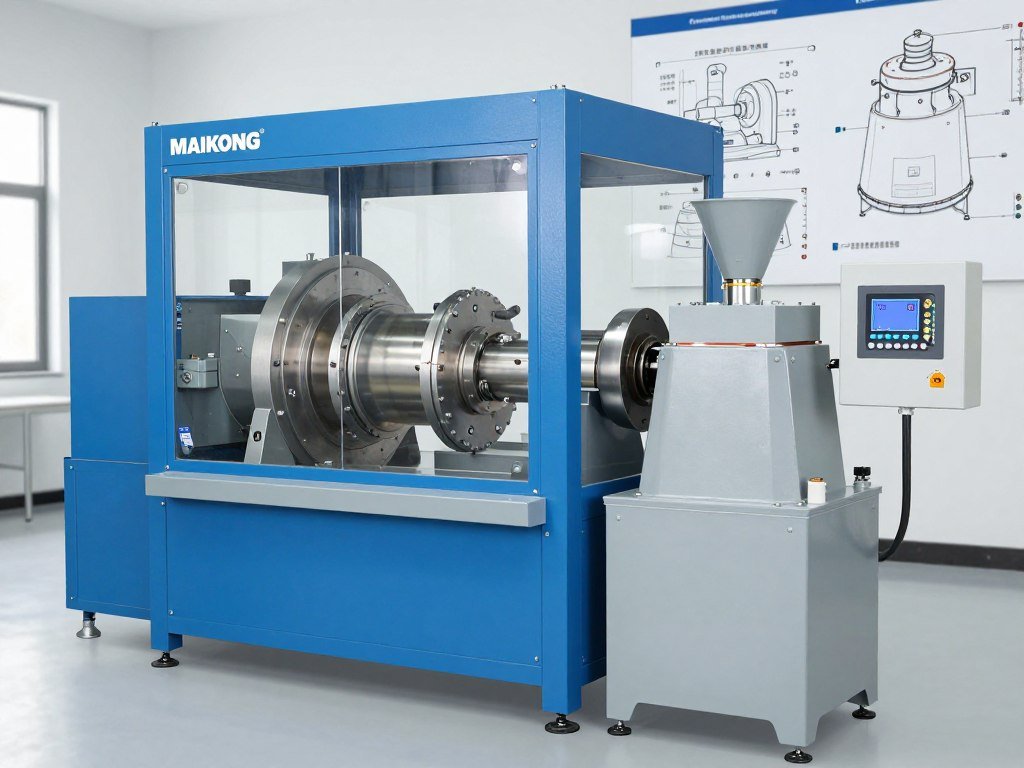
- Suited for medium poultry operations (5000-10000 birds)
- Higher pellet density and uniformity than flat die
- Power requirement: 22-37 kW
- Investment: ₦1,800,000-₦3,500,000
- Produces durable pellets for cattle and pig feed
Medium-sized farm operators and pig farm owners benefit from this tier. The equipment handles high-protein formulations required for swine nutrition. MAIKONG’s advance pig feed pelletizing machine models in this category include specialized dies for optimal pellet hardness.
Industrial Feed Machine Production Systems
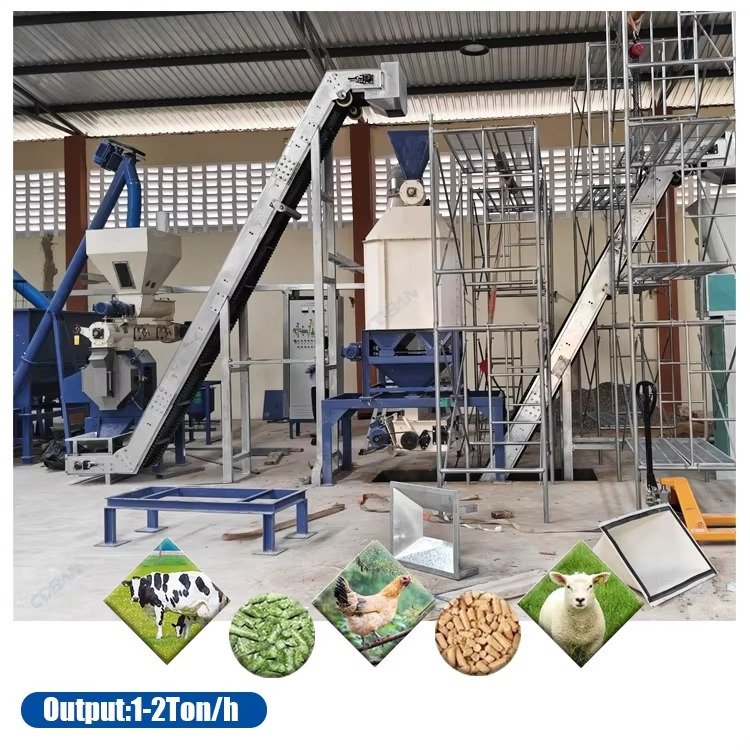
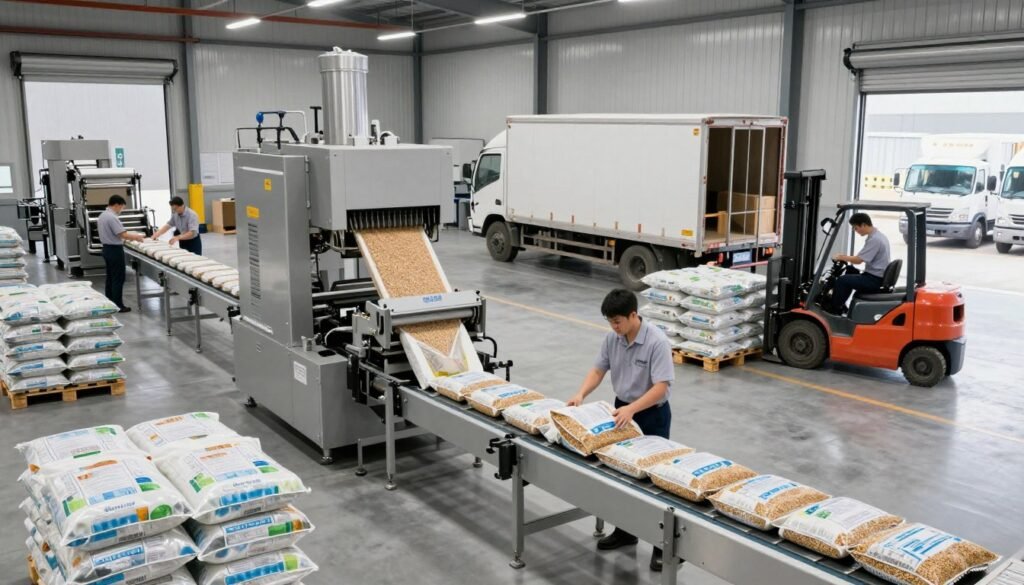
Industrial feed pellet machine installations represent complete production lines rather than standalone equipment. These systems integrate mixing, grinding, conditioning, pelletizing, cooling, and packaging stages into automated workflows. Daily output ranges from 5 tons to 50 tons, serving large commercial operations.
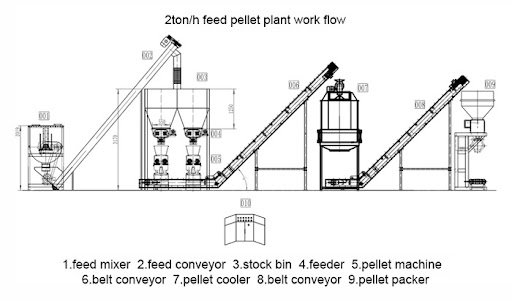
| Production Line Component | Function | Capacity Range | Power (kW) |
| Raw Material Reception | Receiving and storing corn, wheat, soybean meal | 10-50 tons/batch | 5-15 |
| Crushing and Grinding | Hammer mill reduces particle size to 2-3mm | 1-10 tons/hour | 37-110 |
| Mixing System | Blends ingredients with premix and additives | 500-5000 kg/batch | 7.5-30 |
| Conditioning Unit | Steam injection raises temperature to 75-85°C | 1-8 tons/hour | 3-11 |
| Pellet Mill | Compression through die creates pellets | 1-15 tons/hour | 55-250 |
| Cooling and Drying | Reduces pellet temperature and moisture | 1-12 tons/hour | 1.5-7.5 |
| Screening and Packaging | Removes fines and bags finished pellets | 1-10 tons/hour | 3-15 |
Large livestock enterprise procurement managers and government agricultural project contractors typically evaluate these comprehensive systems. The total investment for a 5-ton-per-hour feed pellet machine production line ranges from ₦45,000,000 to ₦85,000,000 depending on automation level and included equipment.
Budget Breakdown: Small Scale Feed Pellet Machines
Understanding the true cost of small scale equipment requires looking beyond the machine purchase price. Nigerian farm owners must account for installation, initial raw materials, electricity infrastructure, operator training, and maintenance reserves. This section provides realistic budget frameworks for operations processing 200-800 kg daily.
Complete Investment Analysis for 300 kg/hr Pellet Making Machine
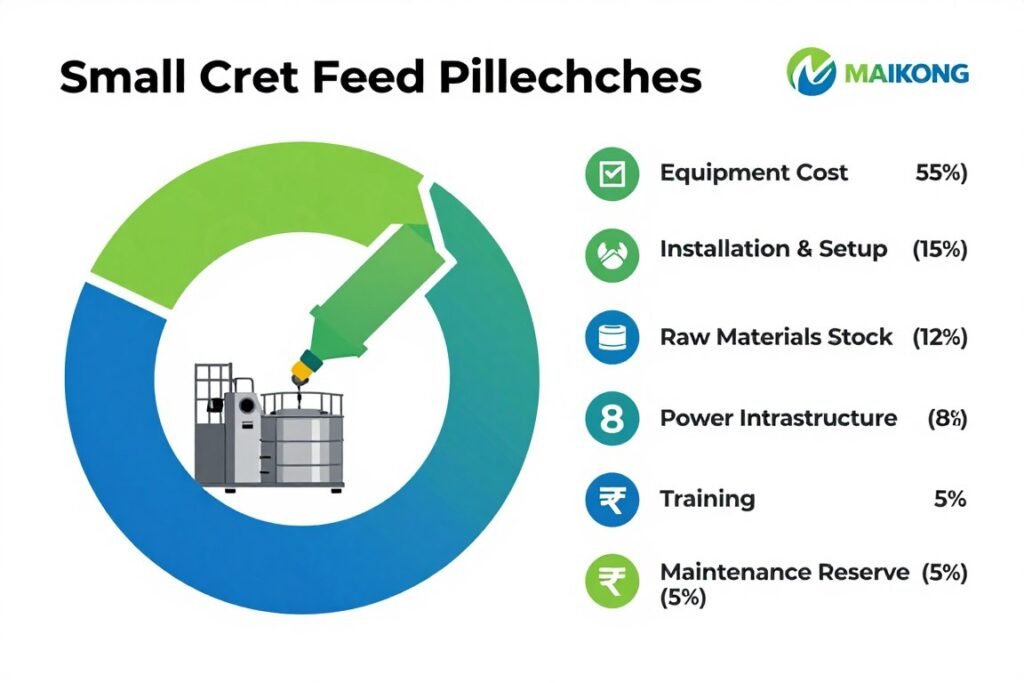
| Cost Category | Description | Estimated Amount (₦) | Percentage |
| Feed Pellet Making Machine | Ring die model, 300 kg/hr capacity, 22kW motor | 2,200,000 | 55% |
| Shipping and Delivery | Transport to Lagos, Abuja, or Port Harcourt | 180,000 | 4.5% |
| Installation Setup | Foundation, mounting, alignment by technicians | 250,000 | 6.3% |
| Power Infrastructure | Generator backup or grid connection upgrade | 320,000 | 8% |
| Spare Parts Kit | Extra dies, rollers, bearings for first year | 180,000 | 4.5% |
| Operator Training | 3-day on-site training for 2 workers | 120,000 | 3% |
| Raw Material Stock | Initial 2-week inventory of corn, soybean, fishmeal | 480,000 | 12% |
| Working Capital Reserve | Buffer for utilities and labor (1 month) | 270,000 | 6.7% |
| Total Investment | 4,000,000 | 100% |
This ₦4 million total represents realistic startup costs for a small chicken farm owner transitioning from purchased feed to self-production. The equipment accounts for just over half the investment, highlighting why many entrepreneurs underestimate true capital requirements.
Monthly Operating Costs and Profit Margins
Beyond initial investment, sustainable operation depends on managing recurring expenses. A 300 kg/hr machine running 6 hours daily produces approximately 1,800 kg of feed pellets per day or 54,000 kg monthly (assuming 30 production days).
Monthly Cost Structure
- Raw materials (corn, soybean meal, fishmeal, premix): ₦4,860,000 for 54 tons
- Electricity (132 kW daily × 30 days × ₦65/kWh): ₦257,400
- Labor (2 operators × ₦60,000): ₦120,000
- Maintenance and spare parts: ₦80,000
- Packaging (bags, stitching): ₦108,000
- Total monthly operating cost: ₦5,425,400
Revenue and Profit Calculation
- Production: 54,000 kg (2,160 bags of 25kg)
- Internal farm use: 40,000 kg (saving ₦3,600,000 vs. market price of ₦9,000/25kg)
- Excess sale to neighbors: 14,000 kg at ₦8,000/25kg = ₦4,480,000
- Total monthly benefit: ₦8,080,000
- Net monthly profit: ₦2,654,600
- ROI period: 1.5 months (equipment cost only) or 3.2 months (total investment)
These numbers demonstrate why small scale feed pellet machine investments deliver exceptional returns for Nigerian farms. Agricultural entrepreneurs and women agricultural entrepreneurs can achieve payback within one growing season. To explore equipment options matching your specific capacity needs, you can buy pet pellet feed processing machine in nigeria directly from MAIKONG or authorized distributors.
Get Your Custom Quote – Free Production Assessment Included
Our equipment specialists will calculate exact ROI based on your current feed consumption, livestock types, and local raw material prices. Receive a detailed proposal within 24 hours including equipment recommendations, installation timeline, and financing options.
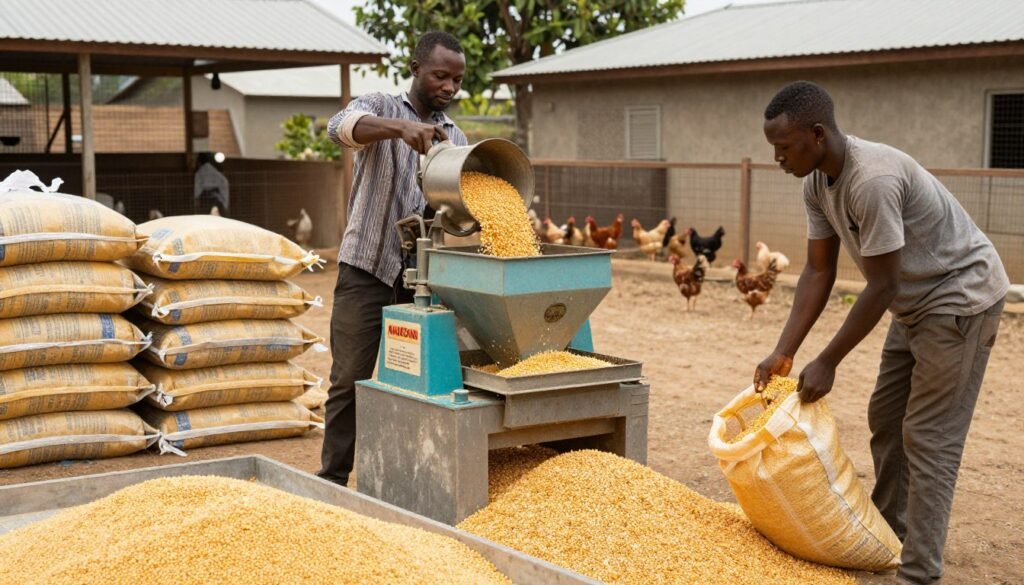
Industrial Feed Machine Investment Analysis
Industrial feed pellet machine systems require significantly larger capital commitments but deliver economies of scale that transform feed processing into a profitable business venture beyond farm self-sufficiency. These installations serve feed processing plant owners, large integrated agricultural groups, and export traders supplying multiple farms or regions.
5-Ton-Per-Hour Production Line Complete Cost Breakdown
A complete industrial feed machine production line capable of 5 tons hourly output represents the entry point for commercial feed manufacturing in Nigeria. This capacity serves approximately 50,000-100,000 broiler chickens or equivalent livestock populations.
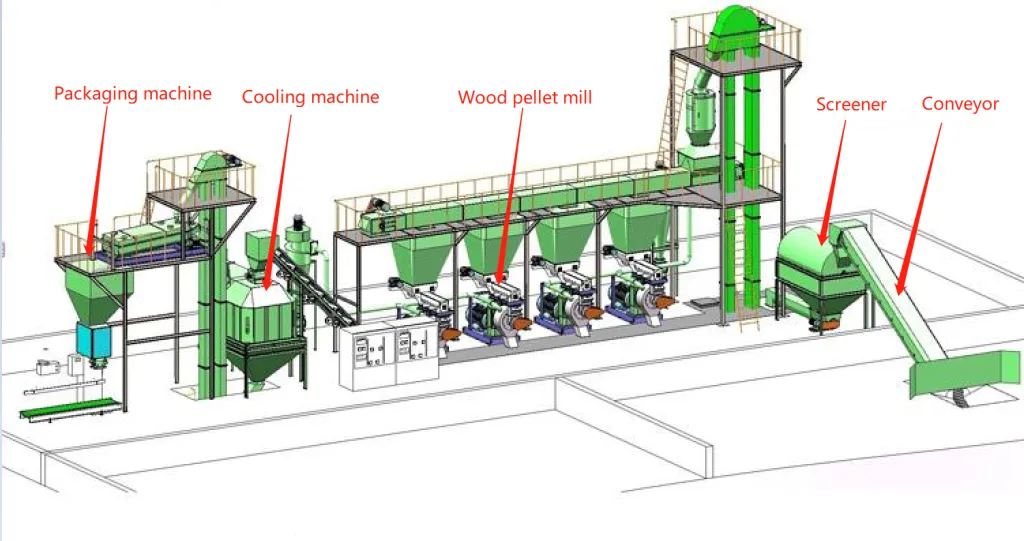
| Equipment Component | Specification | Quantity | Unit Price (₦) | Subtotal (₦) |
| Raw Material Silos | 50-ton capacity, galvanized steel | 6 | 2,800,000 | 16,800,000 |
| Hammer Mill Grinder | 5 ton/hr, 110 kW motor | 2 | 4,500,000 | 9,000,000 |
| Horizontal Mixer | 2-ton batch capacity | 1 | 3,200,000 | 3,200,000 |
| Steam Conditioner | 5 ton/hr throughput | 1 | 2,400,000 | 2,400,000 |
| Ring Die Pellet Mill | 5 ton/hr, 160 kW, MAIKONG SZLH420 | 1 | 12,500,000 | 12,500,000 |
| Counterflow Cooler | 5 ton/hr cooling capacity | 1 | 3,800,000 | 3,800,000 |
| Crumbler | For producing crumbles from pellets | 1 | 1,800,000 | 1,800,000 |
| Packaging System | Automatic weighing and bagging | 1 | 4,200,000 | 4,200,000 |
| Conveying Systems | Elevators, screw conveyors, pneumatic | 1 set | 5,600,000 | 5,600,000 |
| Control System | PLC automation with touchscreen HMI | 1 | 3,500,000 | 3,500,000 |
| Civil Works | Building, foundation, electrical | 1 | 8,200,000 | 8,200,000 |
| Installation & Commissioning | Including technician travel and training | 1 | 4,000,000 | 4,000,000 |
| Total Equipment Investment | 75,000,000 |
This ₦75 million represents equipment and basic installation. Additional working capital of ₦15-20 million covers initial raw material inventory, operational testing, certifications, and 2-3 months of operating expenses during the ramp-up period.
Commercial Production Economics at Industrial Feed Machine Scale
Industrial feed pellet production fundamentally changes the business model from cost-saving to revenue-generation. Feed distributors and agricultural investors evaluate these projects based on market demand, competitive pricing, and production efficiency.
Monthly Production Metrics (20 days operation)
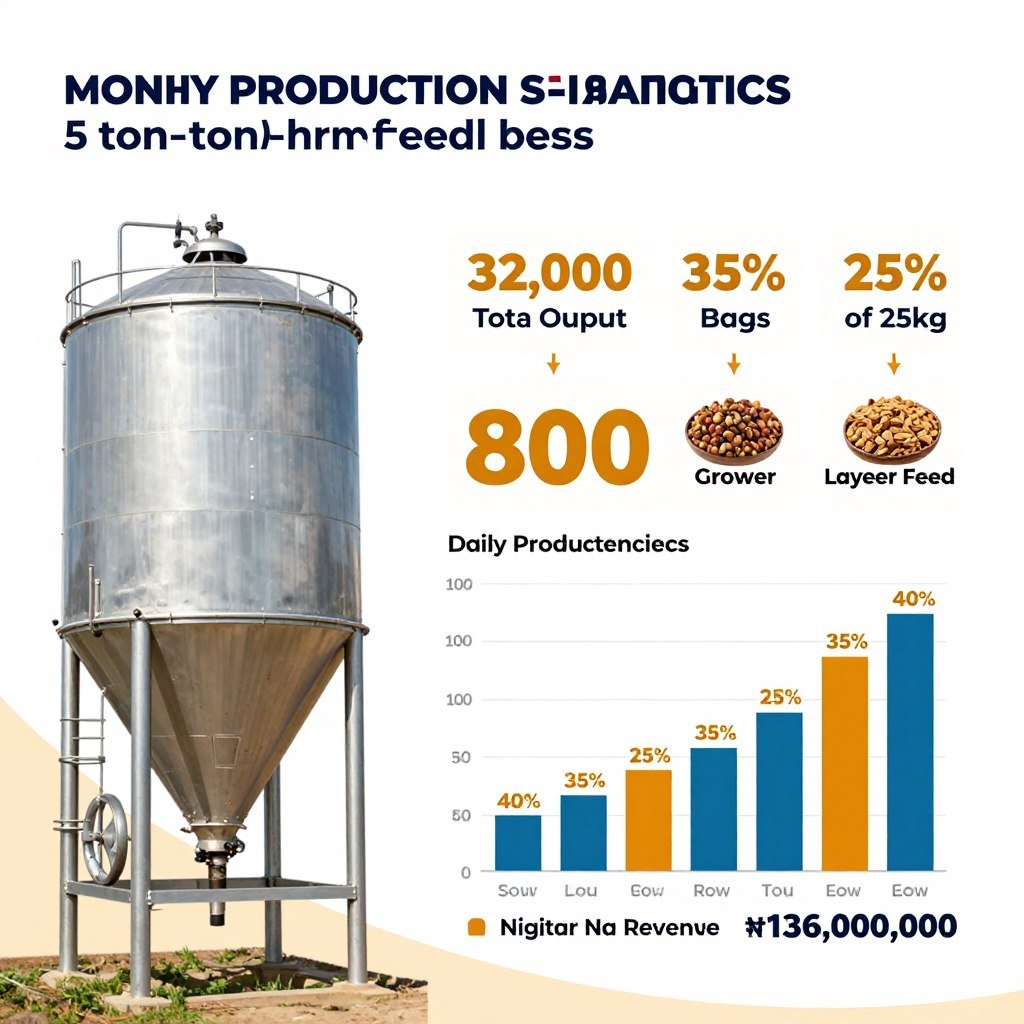
- Daily capacity: 40 tons (8 hours operation)
- Monthly output: 800 tons or 32,000 bags
- Product mix: 40% poultry starter, 35% grower, 25% layer feed
- Direct labor: 8 workers per shift
- Power consumption: 1,280 kWh daily
Revenue and Profitability Model
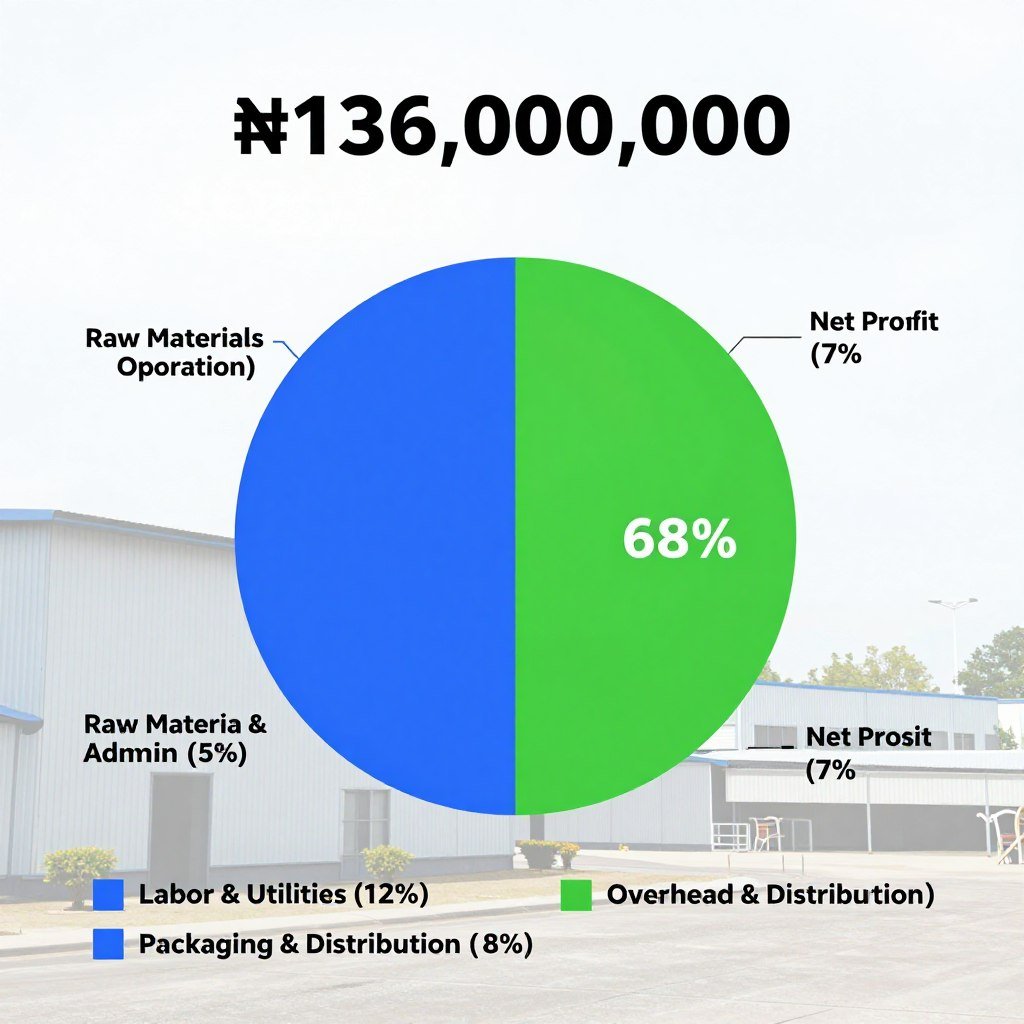
- Average selling price: ₦8,500 per 25kg bag
- Monthly revenue: ₦272,000,000
- Raw material costs (68%): ₦184,960,000
- Operating expenses (25%): ₦68,000,000
- Monthly net profit: ₦19,040,000
- Annual profit: ₦228,480,000
- ROI period: 9.8 months
These projections assume 70% capacity utilization in year one, increasing to 85% by year two. The margin of ₦595 per bag (7% net profit) reflects competitive pricing in Nigerian urban markets while maintaining quality standards. Feed processing plant owners typically reinvest profits into expanding distribution networks or adding specialized lines for floating fish feed or cattle rations.
Real Nigeria Case Studies: ROI Across Farm Sizes
Theoretical calculations provide guidance, but actual performance data from Nigerian farms reveals how feed pellet machines perform under real-world conditions. MAIKONG has installed over 150 systems across Nigeria since 2018, serving farms from Kano to Rivers State. These case studies demonstrate ROI across different scales and livestock types.
Case Study 1: Ogun State Poultry Farm – Small Scale Success
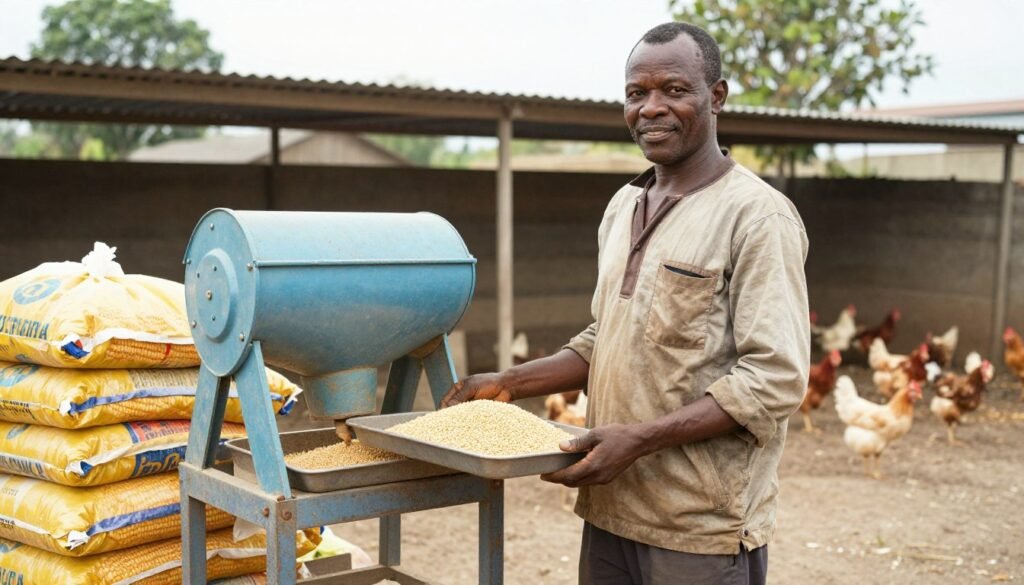
Mr. Adebayo operates a 3,500-bird layer farm in Mowe, Ogun State. Before installing a MAIKONG 200 kg/hr flat die pellet machine in March 2022, he purchased all feed from local distributors at ₦9,200 per 25kg bag. His monthly feed cost reached ₦2,760,000 for approximately 30 tons consumption.
Initial investment totaled ₦2,850,000 including the machine (₦980,000), installation (₦120,000), spare parts (₦90,000), training (₦60,000), and working capital (₦1,600,000 for raw materials). Within the first month, he produced 28 tons of layer feed at a total cost of ₦1,680,000 in raw materials plus ₦185,000 in electricity and labor.
Monthly savings reached ₦895,000, achieving full payback in 3.2 months. By month six, he began selling 8 tons monthly to neighboring farms at ₦8,500 per bag, generating additional revenue of ₦2,720,000. His total monthly profit from the feed pellet making machine operation now exceeds ₦1,450,000.
Case Study 2: Delta State Fish Farm – Floating Fish Feed Production
Chief Okoro’s catfish farm in Warri operates 40 earthen ponds with 120,000 fingerlings across different growth stages. Commercial floating fish feed prices ranged from ₦11,500 to ₦14,000 per 25kg depending on protein content (32% vs. 42%). Monthly feed expenditure exceeded ₦8,400,000.
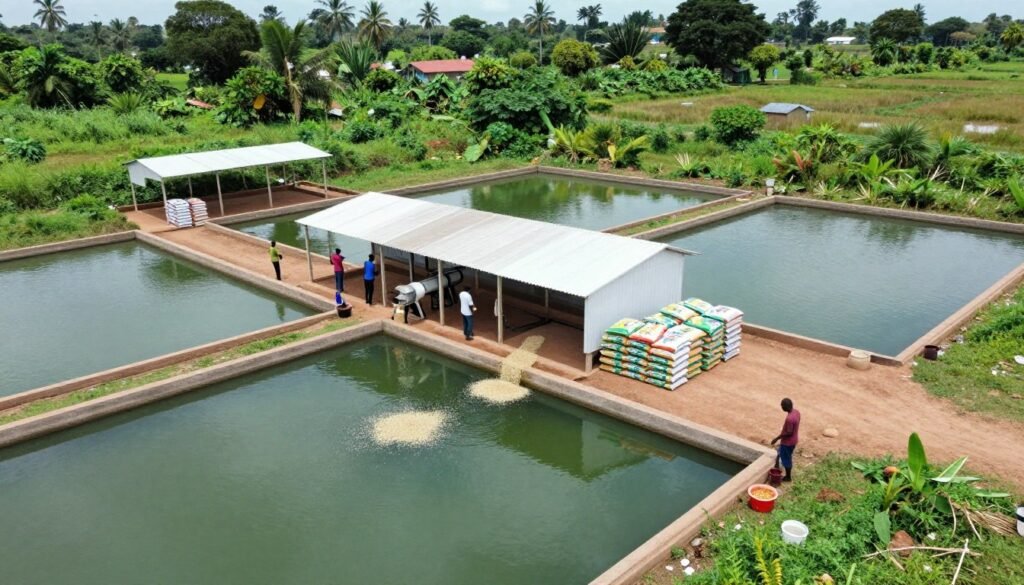
In July 2021, he invested ₦4,200,000 in a MAIKONG 350 kg/hr extruder specifically designed for floating fish feed production. This equipment uses higher temperature and pressure to create buoyant pellets essential for monitoring fish feeding behavior. His formulation includes fishmeal (25%), soybean meal (35%), corn (30%), wheat bran (5%), and vitamin-mineral premix (5%).
Monthly production costs breakdown:
- Raw materials for 72 tons: ₦5,760,000
- Electricity (extruder requires 30 kW): ₦234,000
- Labor (2 operators): ₦140,000
- Maintenance: ₦65,000
- Total: ₦6,199,000 vs. previous ₦8,400,000
- Monthly savings: ₦2,201,000
- Payback achieved: 1.9 months
Chief Okoro reports improved fish growth rates due to consistent pellet quality and ability to adjust protein levels based on fish size. His farm now supplies fingerlings and feed to 12 smaller fish farmers in the region, creating an additional revenue stream. Fish farm owners considering similar investments can review specialized fish feed pellet machine options designed for aquaculture applications.
Case Study 3: Kaduna Commercial Feed Mill – Industrial Feed Machine Scale
Green Pastures Agro Limited established a commercial feed mill in Kaduna in 2020, targeting the northern Nigeria livestock market. Their 3-ton-per-hour production line serves cattle ranchers, sheep farmers, and poultry operations across Kaduna, Kano, and Katsina states.
| Financial Metric | Year 1 (2020) | Year 2 (2021) | Year 3 (2022) |
| Initial Investment | ₦58,000,000 | – | – |
| Monthly Production (tons) | 420 | 540 | 630 |
| Monthly Revenue | ₦142,800,000 | ₦183,600,000 | ₦214,200,000 |
| Operating Costs | ₦128,520,000 | ₦165,240,000 | ₦192,780,000 |
| Monthly Net Profit | ₦14,280,000 | ₦18,360,000 | ₦21,420,000 |
| Annual Profit | ₦171,360,000 | ₦220,320,000 | ₦257,040,000 |
| Cumulative Profit | ₦171,360,000 | ₦391,680,000 | ₦648,720,000 |
Green Pastures achieved payback in 8.1 months and expanded their product line to include specialized advance pig feed pelletizing machine formulations for the growing swine industry in Plateau State. They now employ 24 workers and distribute through 18 retail outlets. Managing Director Musa Ibrahim credits MAIKONG’s technical support and spare parts availability as critical success factors.
Join Nigeria’s Growing MAIKONG Distributor Network
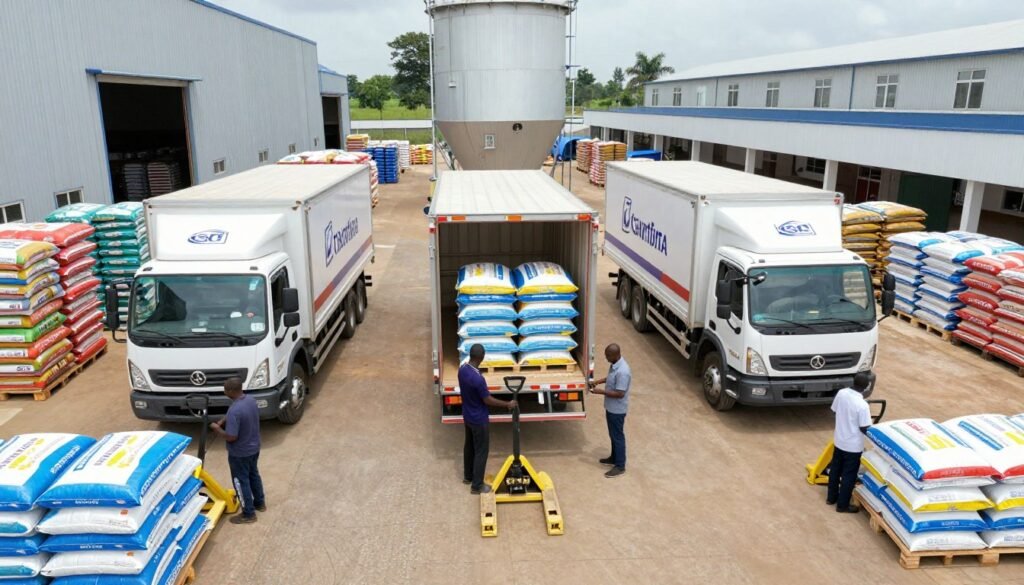
MAIKONG is expanding our authorized distributor network across Nigeria’s six geopolitical zones. We offer exclusive territory rights, technical training, marketing support, and attractive wholesale pricing. Ideal opportunity for agricultural equipment dealers and agricultural investors with existing customer networks.
Making Your Decision: Expert Buying Guide for Nigerian Farms
Choosing between small scale and industrial feed machines depends on multiple factors beyond simple production capacity. This decision matrix helps livestock operators, mobile feed production service providers, and livestock training institutions evaluate their specific circumstances.
Decision Criteria Assessment Framework
Current Feed Consumption Analysis
Calculate your monthly feed usage across all livestock categories. Include seasonal variations and growth projections for the next 24 months.
- Less than 15 tons monthly → Flat die 150-200 kg/hr machine
- 15-50 tons monthly → Ring die 300-500 kg/hr machine
- 50-200 tons monthly → Small industrial line (1-2 ton/hr)
- 200+ tons monthly → Full industrial system (3-5+ ton/hr)
Capital Availability and Financing
Assess accessible capital including savings, bank loans, cooperative funding, or investor capital. Factor in 3-6 months working capital.
- ₦500,000-₦2,000,000 → Entry-level flat die models
- ₦2,000,000-₦5,000,000 → Quality ring die equipment with automation
- ₦5,000,000-₦25,000,000 → Modular production line components
- ₦25,000,000+ → Complete turnkey industrial feed machine installations
Labor and Technical Capability
Evaluate available skilled workers and management capacity to operate and maintain equipment properly.
- Limited technical staff → Simple manual or semi-automatic machines
- 2-3 trained operators → Automated single machines with basic controls
- 5+ workers with supervision → Multi-stage production lines
- Experienced mill management → Fully automated industrial systems
Business Model Objectives
Clarify whether the primary goal is farm cost reduction, revenue generation, or community service provision.
- Own farm consumption only → Size to current + 20% growth
- Sell surplus to neighbors → Add 40-60% excess capacity
- Commercial feed business → Industrial scale from start
- Contract manufacturing → Flexible multi-product capability
Raw Material Sourcing and Supply Chain Considerations
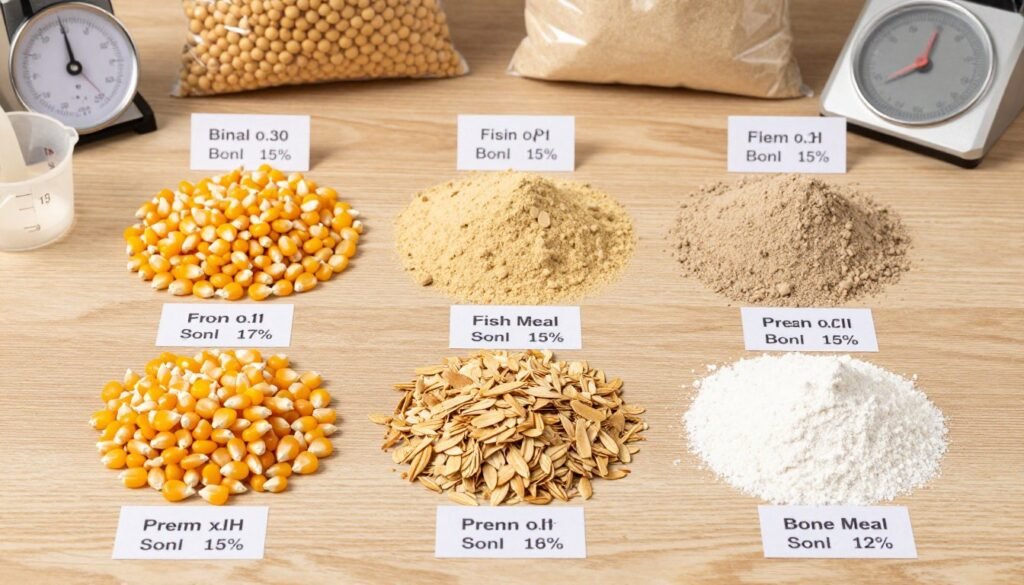
Feed pellet production success depends heavily on consistent access to quality raw materials at competitive prices. Nigerian feed formulators require corn, soybean meal, fishmeal, wheat offal, bone meal, and vitamin-mineral premixes. Supply chain reliability varies significantly by region.
Northern Nigeria Advantages
- Direct access to corn from Kano, Kaduna, Katsina production zones
- Lower transportation costs for grain commodities
- Proximity to soybean crushing plants in Kaduna
- Strong livestock farming culture and market demand
- Lower land costs for mill facility construction
Southern Nigeria Advantages
- Port access in Lagos and Port Harcourt for imported ingredients
- Higher density of poultry farms creating immediate market
- Better infrastructure and electricity reliability
- Proximity to fishmeal production from coastal fishing
- More developed distribution networks
Mobile feed production service providers often locate operations in central positions relative to their customer base rather than raw material sources, as they transport finished pellets in smaller quantities. Large-scale commercial operations prioritize proximity to grain production areas to minimize inbound logistics costs, which represent 60-70% of finished feed cost.
Quality Control and Product Differentiation
As Nigerian consumers become more sophisticated, livestock farmers increasingly demand higher quality feed pellets with consistent nutritional content. Industrial feed machines with advanced control systems enable precise formulation management and quality assurance.
Small Scale Quality Management
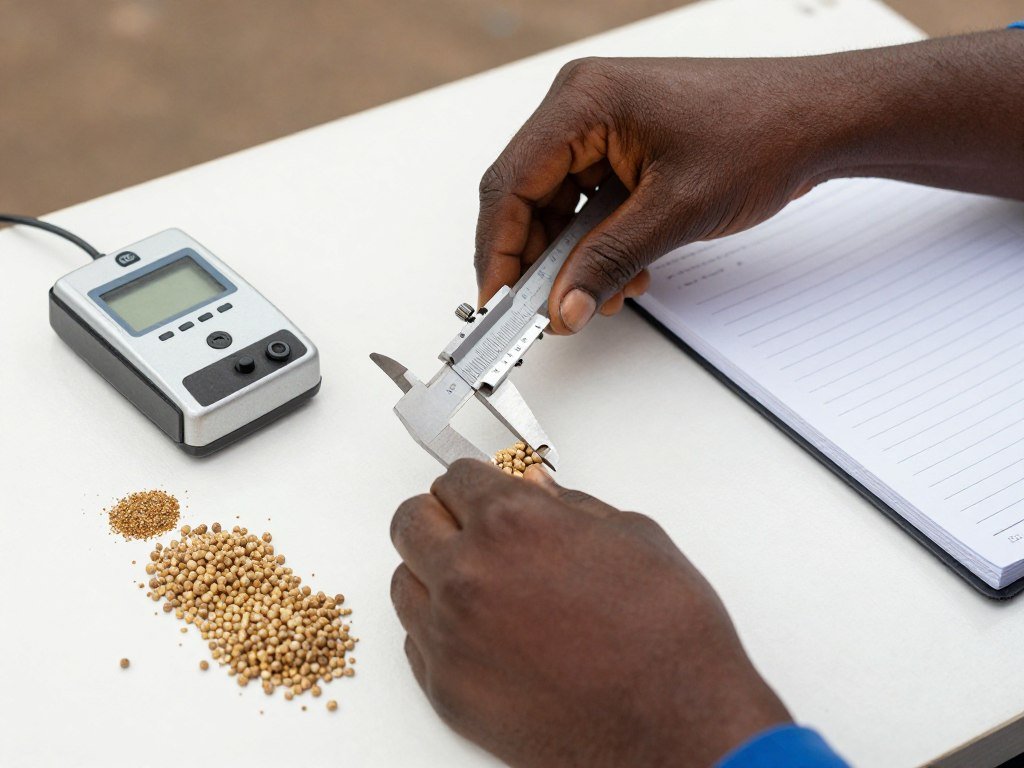
- Manual ingredient weighing with platform scales
- Visual inspection of pellet uniformity
- Basic moisture testing with handheld meters
- Periodic laboratory analysis for nutritional content
- Customer feedback as primary quality indicator
Industrial Scale Quality Systems
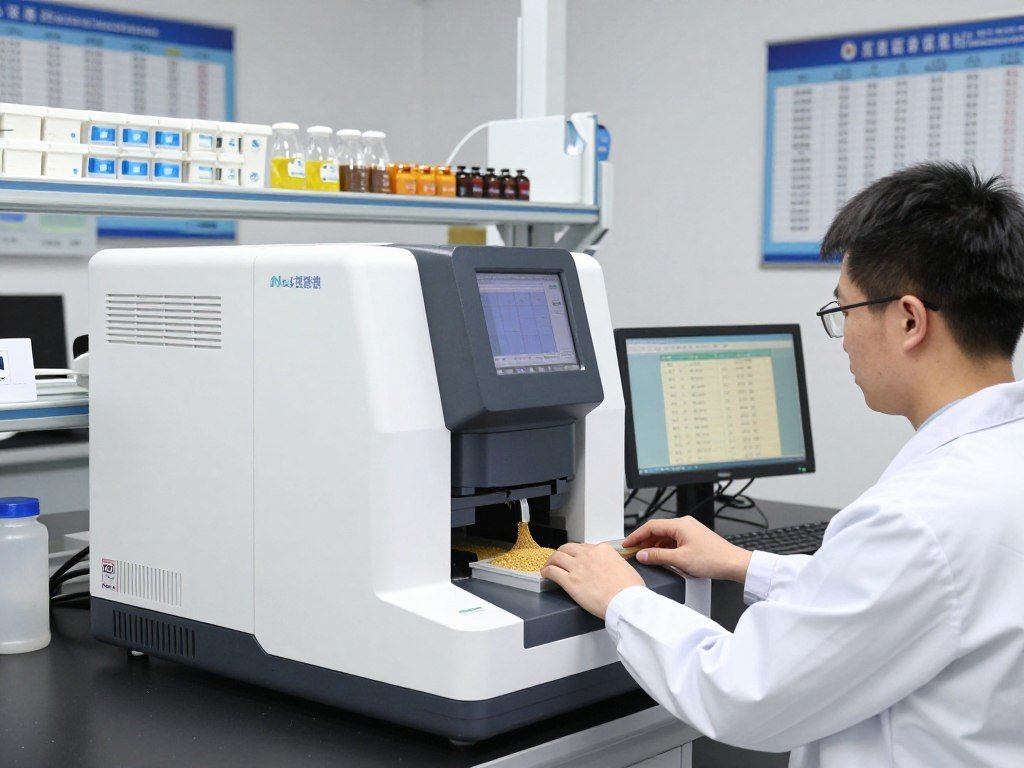
- Automated batch weighing systems (±0.2% accuracy)
- In-line NIR spectroscopy for real-time nutrition monitoring
- Pellet durability index (PDI) testing equipment
- Moisture and temperature sensors throughout process
- Full traceability from raw materials to finished bags
University agricultural research institutions and NGO agricultural development organizations evaluating equipment for demonstration or training purposes should prioritize models that showcase modern quality control capabilities. MAIKONG’s pelleting machine price in nigeria range includes systems with integrated quality monitoring suitable for educational applications.
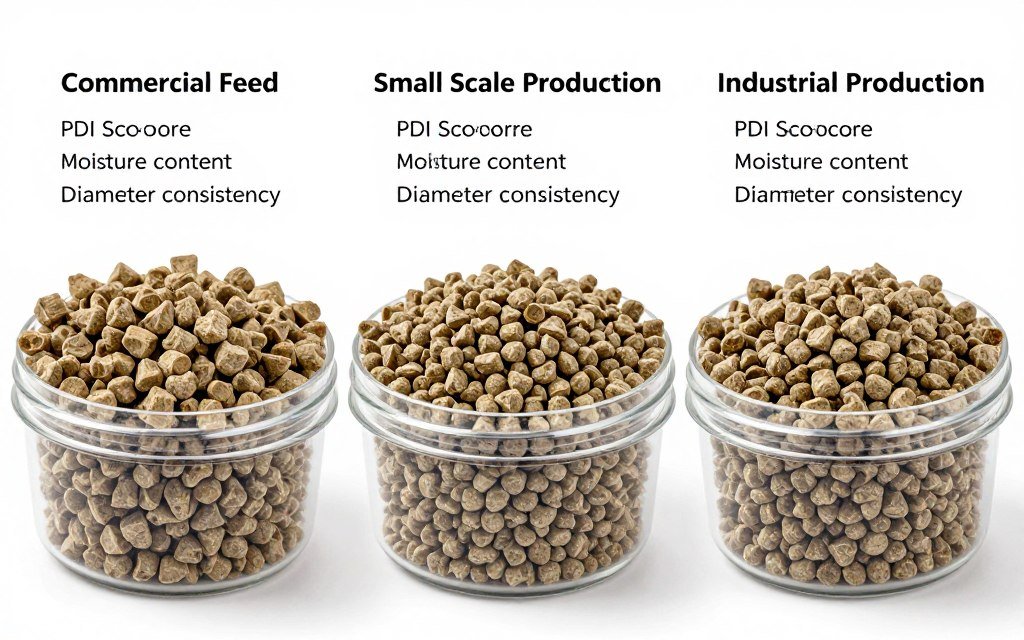
Schedule Your Free 30-Minute Consultation
Our Nigerian-based engineers will calculate your exact ROI, recommend optimal equipment configuration, and design a customized production layout for your facility. We analyze your current feed costs, livestock inventory, available space, power supply, and growth projections to deliver a comprehensive feasibility report.
Making the Right Investment in Industrial Feed Machine Technology
The choice between small scale and industrial feed machines ultimately depends on aligning equipment capacity with your specific operation size, growth trajectory, and business objectives. Small chicken farm owners achieving 40-60% feed cost reductions through ₦1-4 million investments demonstrate that entry-level equipment delivers immediate financial returns. Meanwhile, large integrated agricultural groups building ₦50-100 million commercial mills capture economies of scale that transform feed production into standalone profit centers.
Nigerian livestock farmers across all scales share common success factors: reliable equipment from experienced manufacturers like MAIKONG, access to quality raw materials at competitive prices, proper operator training, and disciplined quality control. Whether you process 200 kg daily or 5,000 kg hourly, consistent pellet quality directly impacts livestock performance and your bottom line.
MAIKONG Nigeria brings 20 years of pellet machine manufacturing expertise to African agricultural development. Our production facilities engineer solutions specifically for tropical operating conditions, inconsistent power supply, and diverse raw material characteristics common across Nigeria. From poultry feed pellet machine installations serving backyard flocks to complete animal feed pellet production lines supplying commercial markets, we provide equipment matched to your exact requirements.
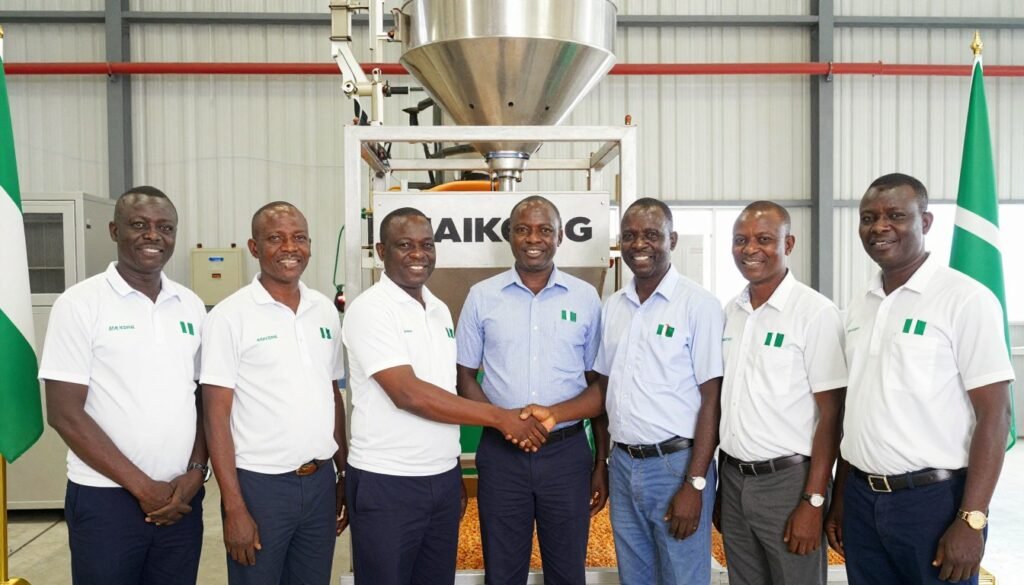
Our commitment extends beyond equipment sales to comprehensive support including customization services, OEM manufacturing partnerships, distributor opportunities, and ongoing technical assistance. Every installation includes operator training, spare parts kits, and access to our WhatsApp technical support line staffed by experienced engineers.
Get Started with MAIKONG Feed Pellet Solutions
Complete the form below or contact us directly to receive your customized equipment proposal. We respond to all inquiries within 24 hours with detailed technical specifications, pricing, installation timelines, and financing options available through our partner networks.
Explore Our Complete Product Range:
Pellet Machine |
Feed Pellet Making Machine |
Wood Pellet Machine |
OEM Services |
Place Order |
Contact Us
Whether you need a simple manual feed pellet machine for weekend production or a comprehensive industrial feed pellet production line capable of supplying an entire region, MAIKONG Nigeria has the expertise and equipment to turn your vision into profitable reality. Join the growing network of successful Nigerian farmers and entrepreneurs who have transformed their operations through strategic feed production investments.