
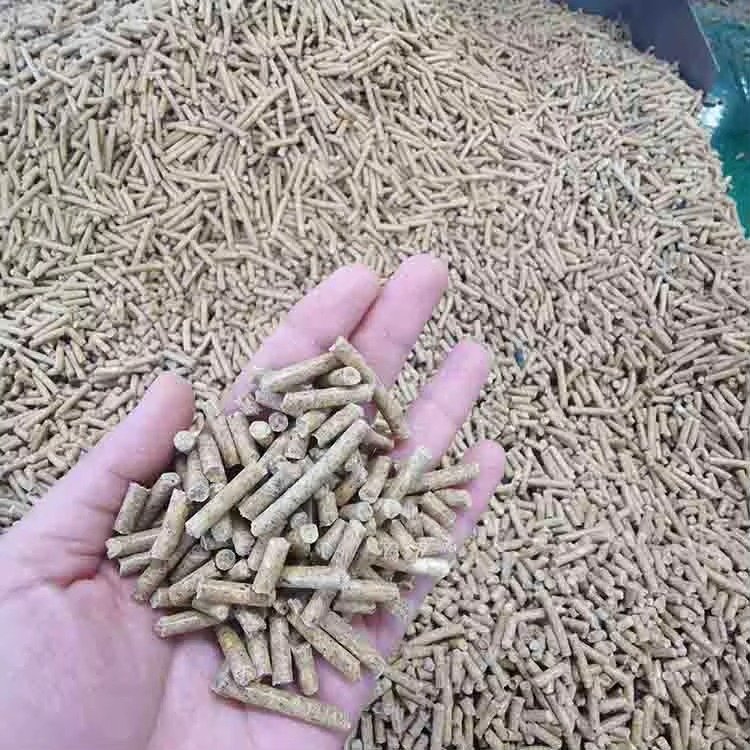
Nigerian fish farmers face a pressing challenge every single day. Feed costs consume between 60 and 75 percent of total production expenses. When you buy commercial pellets from middlemen and resellers, those margins shrink even further. What if you could cut that cost by half while improving feed quality at the same time?
Over 200 Nigerian fish farms already made that decision. They switched to producing their own feed using fish feed pellet machines from MAIKONG Nigeria. These operations now control their input costs completely. They customize protein levels for different growth stages. Most importantly, they eliminated dependency on expensive imported feed brands.
This comprehensive guide reveals exactly how fish feed pellet machine technology transforms Nigerian aquaculture businesses. You will discover the technical specifications that matter most. We break down capacity options from small 50kg-per-hour units to commercial 25-tonne production lines. Real case studies from Lagos, Ibadan, and Port Harcourt demonstrate actual return-on-investment timelines. Whether you operate a backyard catfish pond or manage a commercial tilapia farm, this information helps you make informed equipment decisions.
Questions about fish feed production for your farm size? Chat with our Nigeria support team on WhatsApp:
Why Nigerian Fish Farmers Choose MAIKONG Pellet Machine Technology
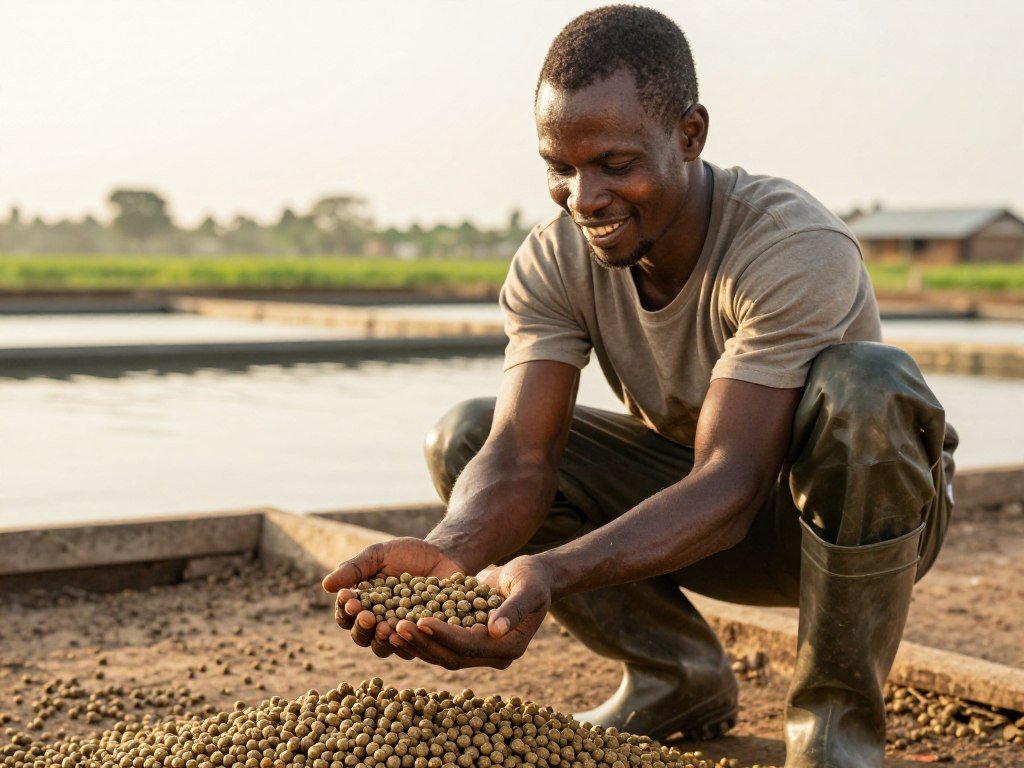
MAIKONG Nigeria entered the Nigerian market after identifying a critical gap. Local farmers needed reliable feed pellet machine equipment with genuine after-sales support. Most imported machines arrived without proper documentation. Technical support often meant expensive international calls to China or India. Spare parts took months to arrive. These problems disappeared when MAIKONG established its Nigerian operations twenty years ago.
Our manufacturing facility produces specialized fish feed pellet making equipment designed for West African conditions. High humidity affects machine components differently than dry climates. Local power fluctuations require robust electrical systems. Nigerian fish species demand specific pellet characteristics – especially the floating type preferred for catfish and tilapia farming.
Traditional Feed Purchasing Problems
- Commercial feed prices increase 15-25% annually
- Quality varies between batches and suppliers
- Transportation costs add 8-12% to final price
- Storage limitations require frequent small purchases
- Dependency on supplier availability and credit terms
- No control over ingredient quality or protein content
MAIKONG Own-Production Advantages
- Feed costs reduced by 40-55% within first year
- Complete control over ingredient selection and quality
- Customize formulations for different growth stages
- Produce fresh feed weekly – maximum nutritional value
- Eliminate middleman markup and transportation costs
- Generate additional income selling excess feed to neighbors
The mathematics behind fish feed pellet machine investment becomes clear quickly. Consider a medium-scale operation producing 2 tonnes of fish feed monthly. Commercial feed costs approximately ₦450-550 per kilogram. Raw ingredients for identical formulations cost ₦180-220 per kilogram. The savings of ₦270-330 per kilogram multiplied by 2,000 kilograms equals ₦540,000-660,000 monthly savings.
A quality fish feed pellet making machine suitable for this production scale costs between ₦2.8-4.5 million depending on automation level and capacity. Based on monthly savings alone, the payback period ranges from 5 to 8 months. After that initial period, every month generates pure cost savings that go directly to profit margins.
Complete Range of Fish Feed Pellet Machines for Every Production Scale
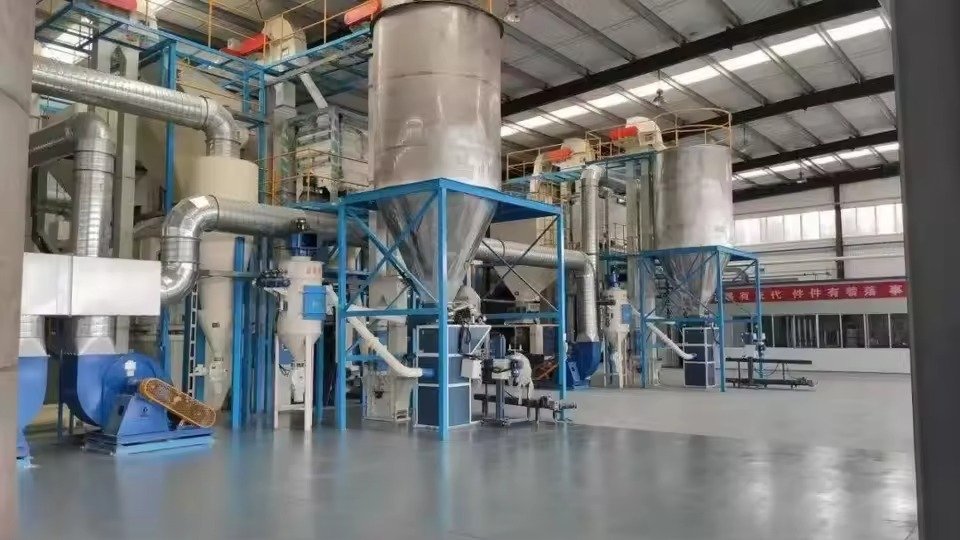
MAIKONG Nigeria manufactures seven distinct categories of animal feed pellet machine equipment. Each category serves specific production requirements and business models. Understanding these differences helps you select equipment that matches your current needs while allowing future expansion.
Floating Fish Feed Extruder Machines
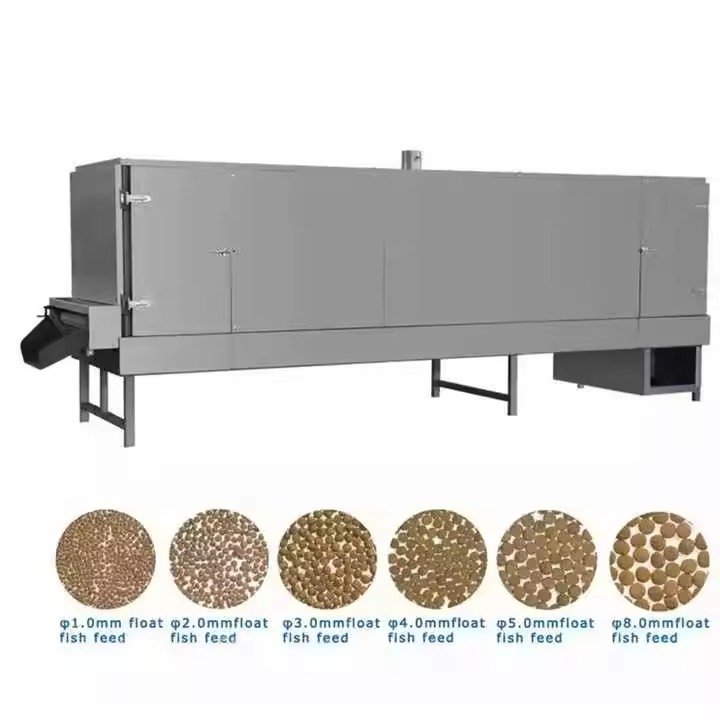
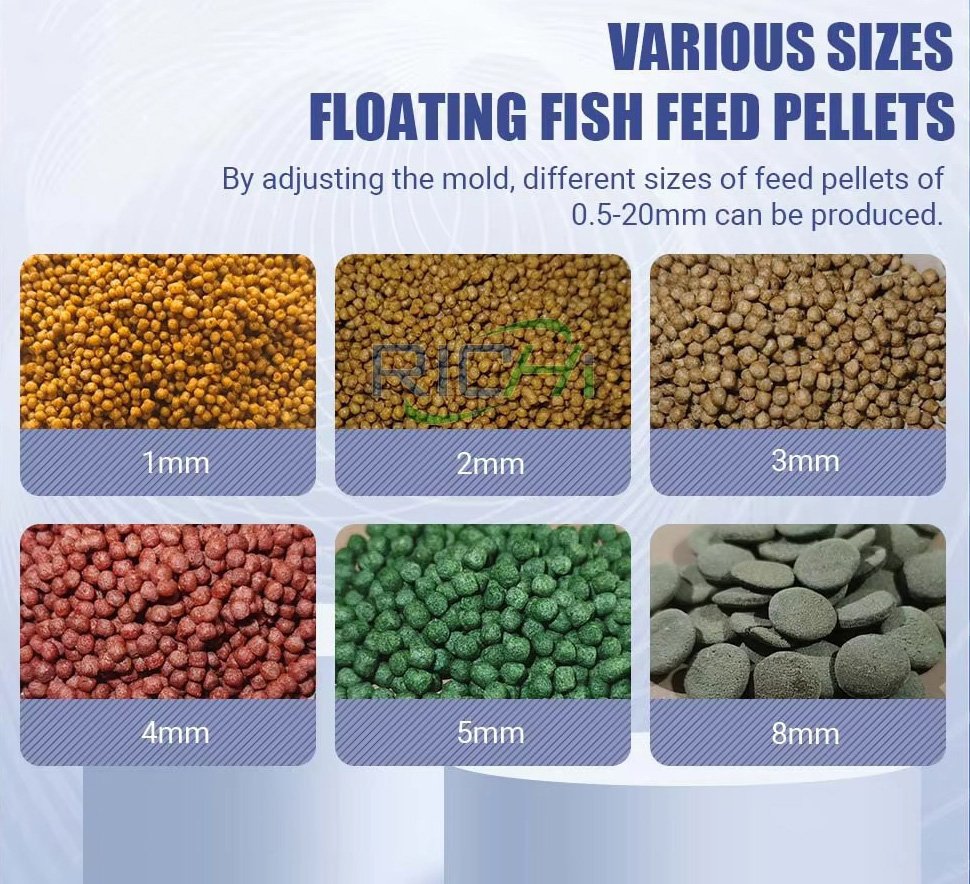
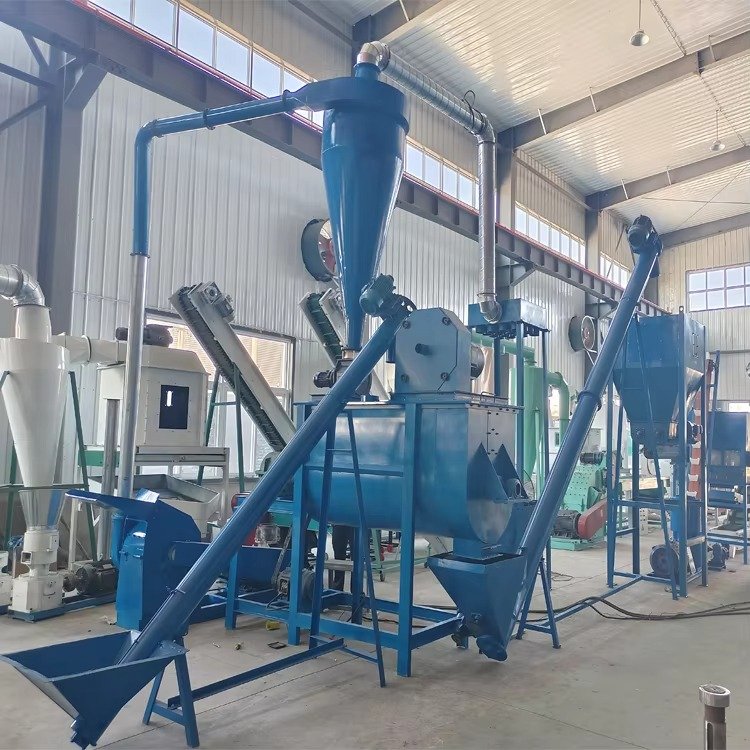
Floating feed pellets remain on water surfaces for 12-24 hours. This characteristic solves several problems for catfish and tilapia farmers. You observe feeding behavior directly. You measure consumption accurately. You prevent overfeeding and water quality degradation. Our floating fish feed machines use wet extrusion technology. Raw materials pass through a conditioning chamber first. Steam and heat gelatinize starches. The mixture then pushes through specially designed dies under high pressure. When pellets exit, instant pressure reduction causes expansion – creating the floating property.
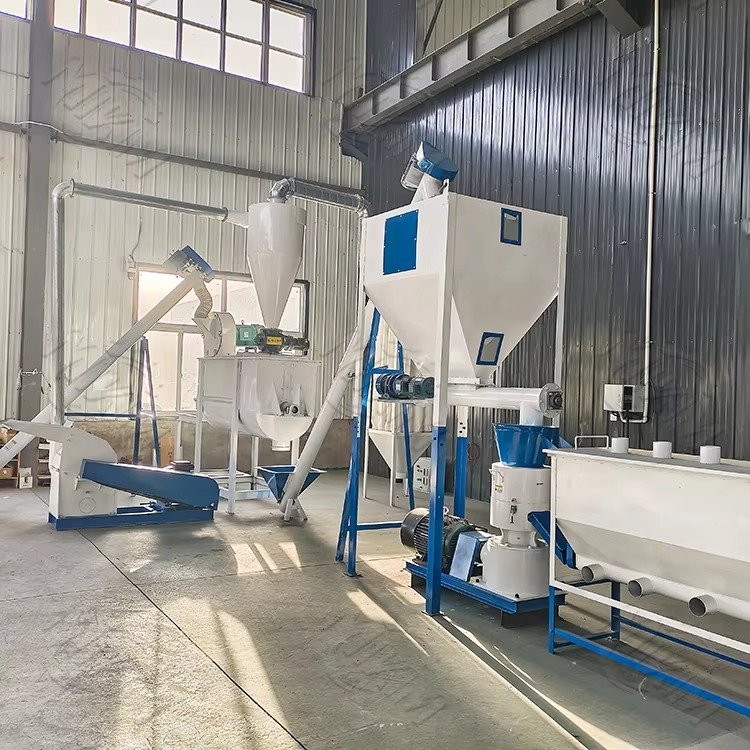
Small-Scale Floating Feed Machines
Capacity: 50-150 kg/hour
Power: 11-15 kW single-phase or three-phase
Ideal for: Backyard farms, 2-6 ponds, part-time operations
- Manual feeding system with adjustable settings
- Produces 2-8mm diameter floating pellets
- Moisture content control 12-18%
- Simple operation suitable for first-time users
Investment: ₦1.8-2.9 million
Monthly production: 6-18 tonnes
Medium-Scale Production Units
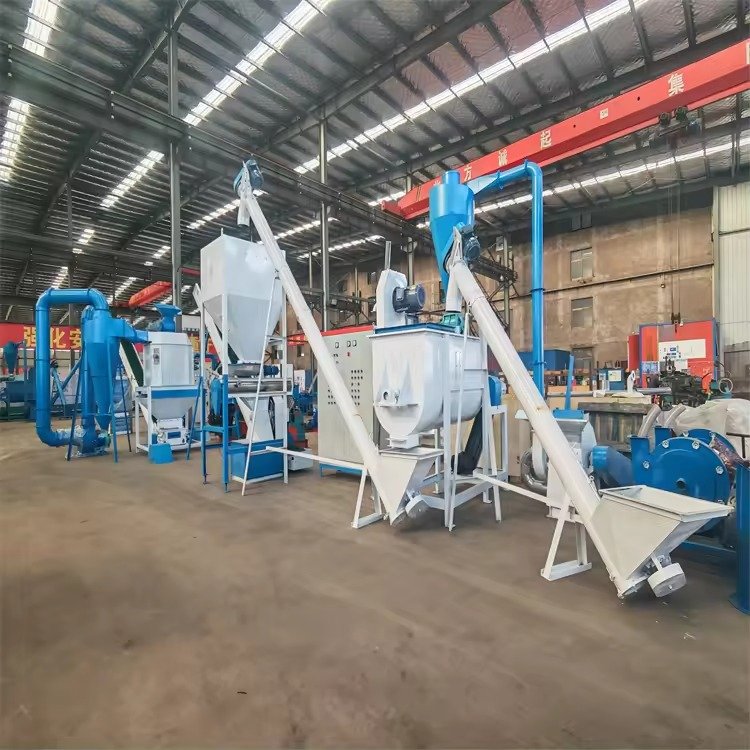
Capacity: 300-800 kg/hour
Power: 37-55 kW three-phase industrial
Ideal for: Commercial farms, 12-30 ponds, full-time operations
- Automatic feeding system with digital controls
- Produces 1-10mm diameter pellets (adjustable)
- Built-in cooling and drying system
- Continuous operation 18-20 hours daily
Investment: ₦4.2-6.8 million
Monthly production: 36-96 tonnes
Industrial Production Lines
Capacity: 2-25 tonnes/hour
Power: 110-380 kW three-phase industrial
Ideal for: Feed mills, cooperatives, commercial production for retail
- Fully automated PLC control system
- Complete production line: mixing, extruding, drying, cooling, packaging
- Produces multiple pellet sizes simultaneously
- 24-hour continuous operation capability
Investment: ₦18-85 million
Monthly production: 240-3,000 tonnes
Sinking Fish Feed Pellet Machine Options
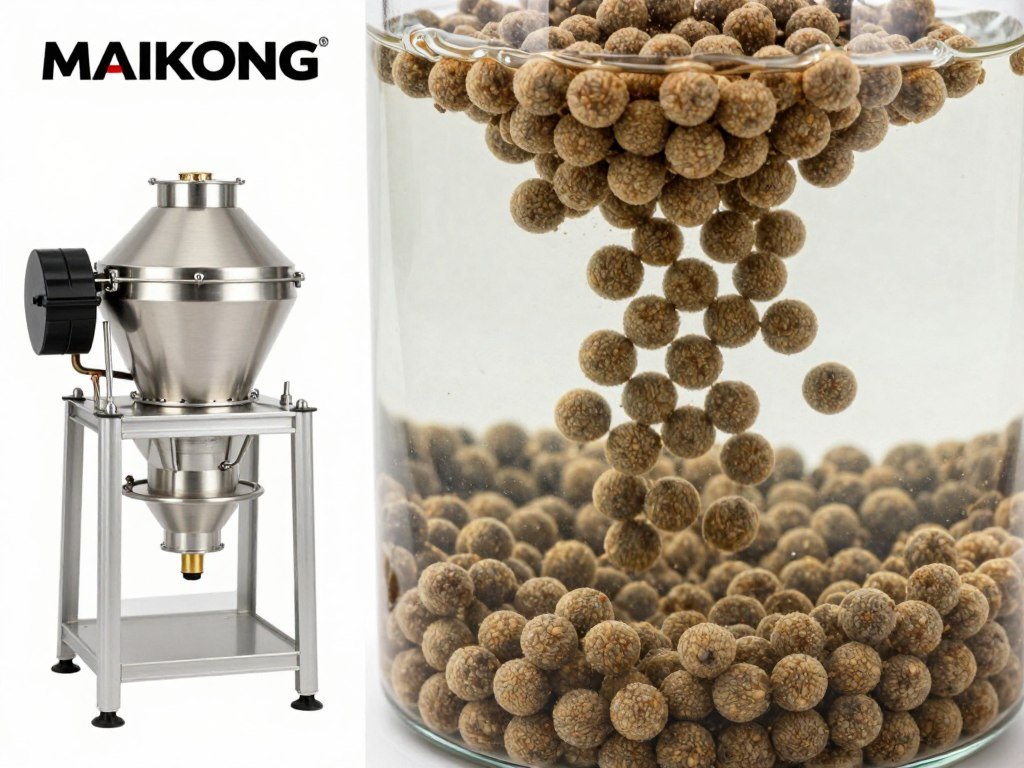
Some Nigerian fish species prefer bottom feeding. Certain production formulations work better as sinking pellets. Our sinking fish feed machines use compression technology instead of expansion. Ring die or flat die presses force materials through smaller openings. The resulting pellets maintain higher density. They sink immediately when added to water.
Sinking pellets suit specific applications better than floating types. Shrimp farming requires sinking feed exclusively. Bottom-feeding fish species like some tilapia variants respond better to sinking pellets. Cold water operations where floating pellets might freeze also benefit from sinking feed technology.
Find Your Perfect Fish Feed Solution
From 50kg/hour small farms to 25-tonne commercial operations, MAIKONG has your solution. Our engineers help you select the right capacity and technology for your specific needs. Factory-direct pricing eliminates middleman costs.
Wet Type vs. Dry Type Fish Feed Extruders
The distinction between wet and dry extrusion processes affects both pellet quality and operational requirements. Understanding these differences prevents costly mistakes when selecting equipment.
Wet Type Extruder Characteristics
Wet extrusion adds moisture and steam during the processing phase. Raw materials enter a conditioning chamber first. Steam injection increases moisture content to 22-28%. Heat gelatinizes starches at 80-120°C. This pre-treatment delivers several advantages:
- Better nutrient digestibility – starches fully gelatinize
- Higher pellet expansion – creates floating properties
- Improved water stability – pellets hold together 12-24 hours
- Eliminates harmful bacteria – high temperature pasteurization
- Allows higher fat inclusion – up to 12% without binding problems
Wet extrusion requires more complex equipment. Steam generators add initial costs. Dryers become necessary to reduce moisture after extrusion. Energy consumption runs higher. However, for floating fish feed production, wet extrusion remains the only viable technology.
Dry Type Pellet Making Machine Benefits
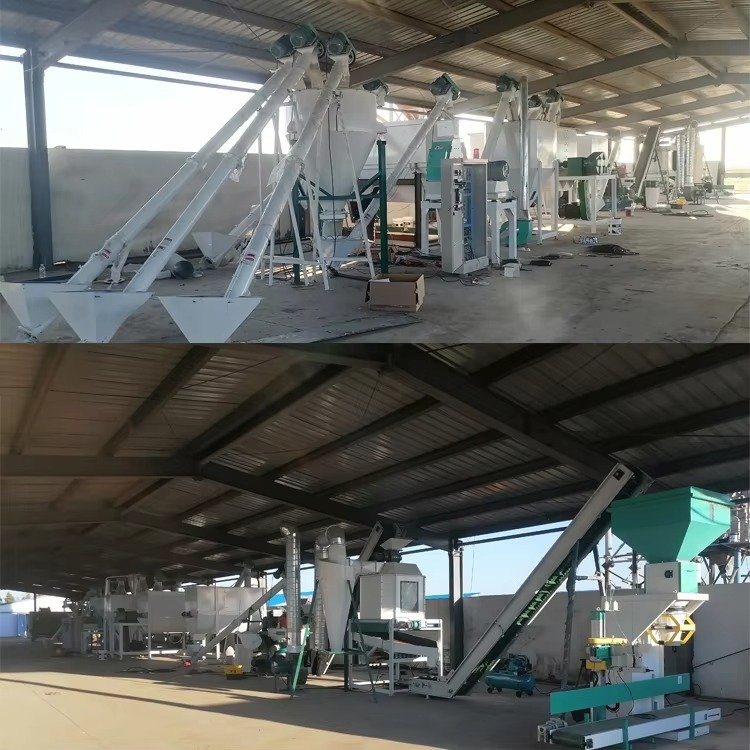
Dry extrusion uses friction and pressure without steam addition. Raw materials enter with their natural moisture content of 12-15%. Compression through dies creates heat through friction. The process works well for sinking pellets and certain livestock applications:
- Lower equipment investment – no steam system required
- Reduced energy costs – simpler process uses less power
- Easier operation – fewer variables to control
- Better for certain ingredients – heat-sensitive vitamins protected
- Suitable for on-farm mixing – works with varied ingredient quality
Small-scale Nigerian fish farmers often start with dry type machines. The technology proves forgiving with ingredient variations. You achieve consistent results without extensive training. When operations expand, upgrading to wet type systems becomes straightforward.
Technical Specifications & Capacity Selection Guide
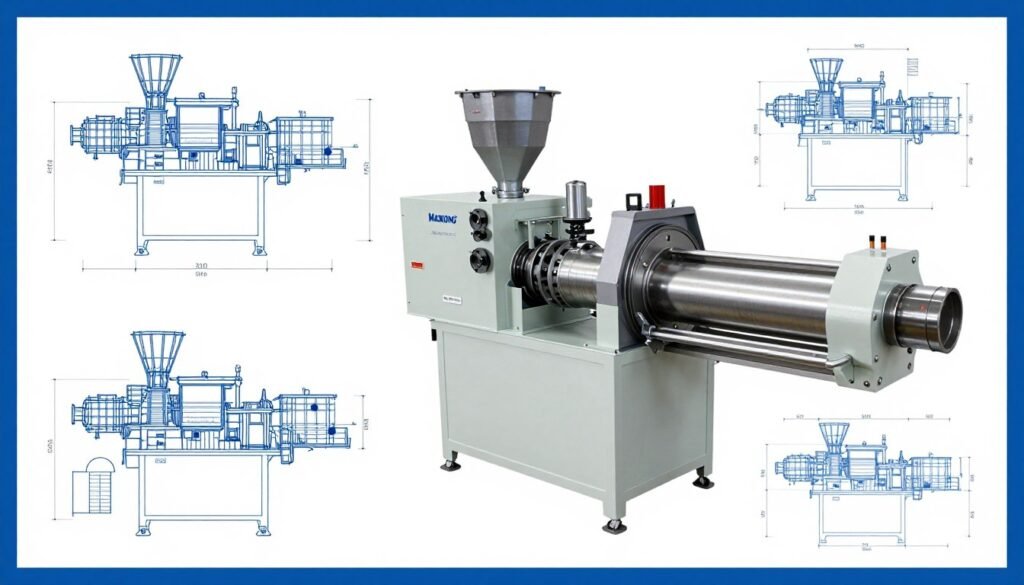
Selecting the correct fish feed pellet machine capacity prevents two costly mistakes. Under-sizing forces machines to run beyond design limits. Components wear faster. Maintenance costs increase. Production quality suffers. Over-sizing wastes capital on unused capacity. Operating efficiency drops because machines run below optimal loads.
Calculate your actual requirements before contacting suppliers. Use this formula: (Number of fish × average weight × daily feed rate percentage) ÷ 0.80 = daily production requirement. The 0.80 factor accounts for 20% production buffer and equipment maintenance time.
| Farm Scale | Fish Population | Daily Feed Need | Recommended Machine Capacity | Production Hours | Investment Range |
| Small Backyard | 5,000-15,000 fish | 50-150 kg | 50-100 kg/hour | 2-3 hours | ₦1.8-2.4 million |
| Medium Commercial | 30,000-80,000 fish | 300-800 kg | 300-500 kg/hour | 3-4 hours | ₦4.2-5.8 million |
| Large Commercial | 150,000-400,000 fish | 1,500-4,000 kg | 800-1,200 kg/hour | 4-6 hours | ₦7.5-12 million |
| Industrial Feed Mill | Multiple farms served | 10,000-50,000 kg | 2-5 tonnes/hour | 12-20 hours | ₦25-65 million |
Critical Machine Components and Quality Indicators
Not all fish pellet machines deliver equal performance. Component quality determines longevity and maintenance costs. When evaluating suppliers, examine these critical specifications:
Screw and Barrel System
The heart of any extruder mechanism involves the screw and barrel assembly. This component experiences extreme pressure and friction.
- Material grade: 38CrMoAl alloy steel minimum
- Surface treatment: Nitriding or chrome plating for wear resistance
- Screw design: Variable pitch for optimal compression
- Expected lifespan: 15,000-25,000 operating hours
Die Head Assembly
Die design directly affects pellet quality, shape consistency, and production efficiency. MAIKONG dies feature precision engineering.
- Material: Stainless steel 304 or tool steel for longevity
- Hole patterns: Optimized for specific pellet sizes
- Replaceable design: Quick-change system reduces downtime
- Temperature control: Maintains optimal extrusion conditions
Conditioning Chamber
For wet extrusion systems, the conditioning chamber determines final pellet quality through proper steam treatment.
- Retention time: 30-90 seconds depending on formulation
- Steam injection: Multiple ports for even distribution
- Paddle design: Special geometry prevents material buildup
- Insulation: Maintains consistent temperature throughout
Motor and Drive System
Nigerian power conditions require robust electrical systems. Our machines handle voltage fluctuations without damage.
- Motor efficiency: IE3 or higher rating standard
- Overload protection: Automatic shutdown prevents damage
- Voltage tolerance: Operates 380V ±15% safely
- Soft start system: Reduces initial power surge
Need help selecting the right capacity for your operation? Our engineers provide free consultation to analyze your specific requirements. We calculate optimal machine size based on your fish population, growth stages, and production schedule. Call +86 158 1555 6422 for technical guidance.
Factory Direct Pricing & ROI Analysis for Nigerian Dealers
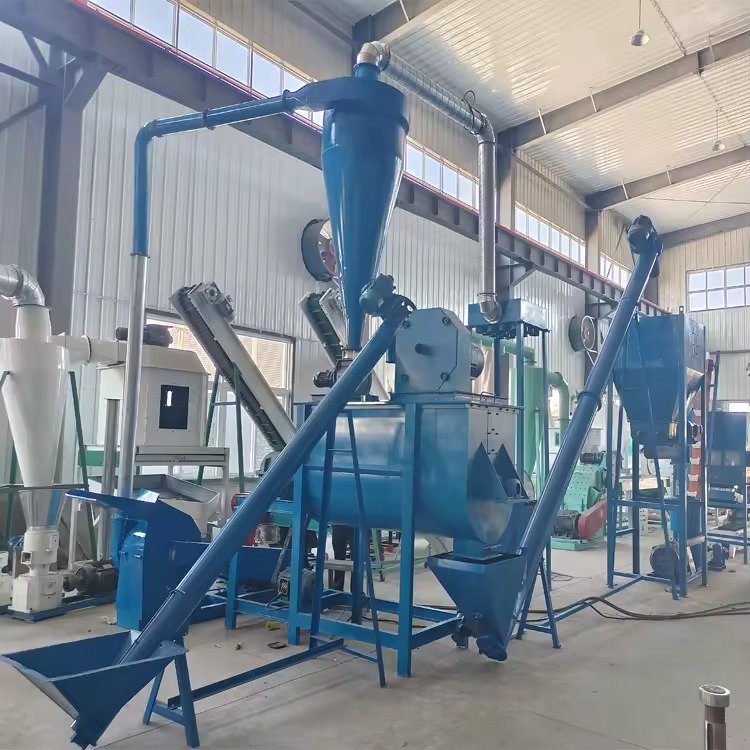
MAIKONG Nigeria operates as a factory-direct manufacturer. This business model eliminates distributor markups and middleman commissions. When you contact us, you speak directly with factory engineers and sales managers. You receive wholesale pricing reserved for bulk buyers and dealers.
Understanding the true cost of a fish feed pellet machine requires looking beyond the initial price tag. Three factors determine total ownership cost: equipment purchase, operational expenses, and maintenance requirements over the machine’s lifespan.
Complete Investment Breakdown
Initial Equipment Investment
The purchase price includes more than just the main extruder unit. A complete fish feed production setup requires several components working together:
- Main extruder unit: ₦1.8-65 million depending on capacity
- Grinding/milling equipment: ₦350,000-2.8 million for raw material preparation
- Mixing system: ₦280,000-1.9 million for ingredient blending
- Dryer and cooler: ₦450,000-4.5 million (wet extrusion systems)
- Packaging equipment: ₦180,000-850,000 (optional for retail sales)
- Installation and training: ₦150,000-450,000 (one-time cost)
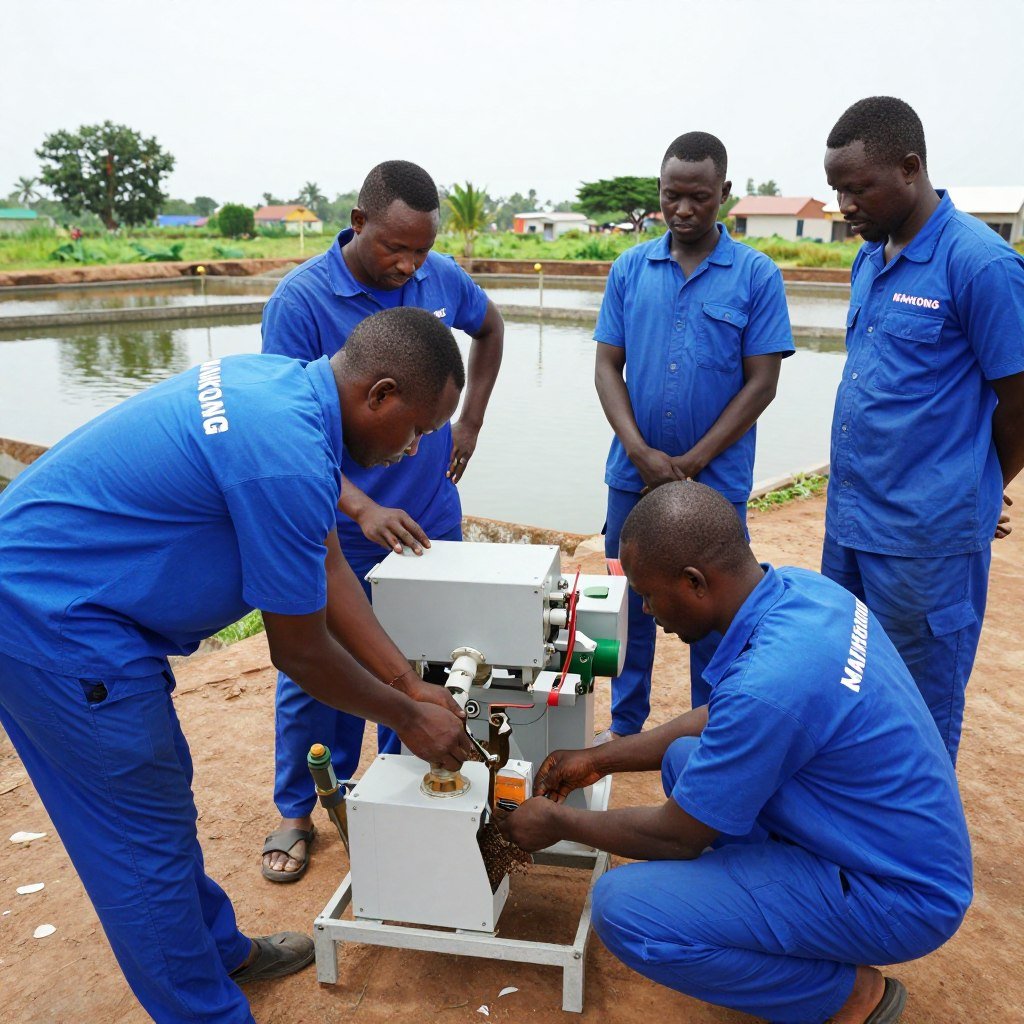
MAIKONG offers turnkey solutions where we handle complete installation. Our technicians travel to your site. They install all components. They train your staff on operation and basic maintenance. You start production immediately without guesswork or troubleshooting delays.
Operational Cost Analysis
Monthly operating costs determine long-term profitability. These expenses remain relatively consistent regardless of machine brand or capacity (when properly sized for your operation):
| Cost Category | Small Scale (100kg/hr) | Medium Scale (500kg/hr) | Large Scale (2 tonne/hr) |
| Electricity (per tonne produced) | ₦8,500-11,000 | ₦6,200-8,500 | ₦4,800-6,500 |
| Labor (monthly) | ₦45,000-75,000 | ₦120,000-180,000 | ₦350,000-550,000 |
| Maintenance & parts (monthly) | ₦15,000-28,000 | ₦45,000-85,000 | ₦150,000-280,000 |
| Raw materials (per tonne) | ₦180,000-220,000 | ₦175,000-210,000 | ₦165,000-195,000 |
Notice how larger-scale operations achieve better efficiency in both electricity and raw material costs. This economy of scale principle makes fish feed pellet making machines particularly attractive for cooperative arrangements. Multiple small farmers can pool resources to purchase one medium-scale unit and share production time.
Real ROI Calculations from Nigerian Farms
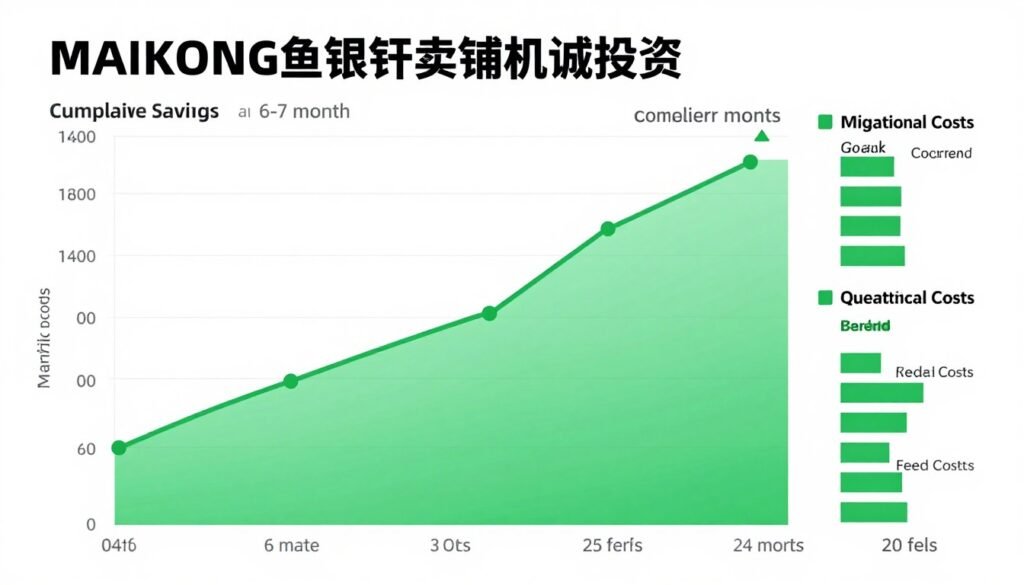
Theory matters less than actual results. These case examples come from MAIKONG customers operating various scales across Nigeria. Numbers represent verified production and financial data collected during follow-up visits:
Medium Farm Case Study – Ibadan
- Operation: 45,000 catfish across 18 ponds
- Machine: 500 kg/hour floating feed extruder
- Investment: ₦5.2 million complete system
- Monthly production: 36 tonnes fish feed
- Previous feed cost: ₦18.9 million monthly
- Current production cost: ₦8.1 million monthly
- Monthly savings: ₦10.8 million
- Payback period: 5.8 months achieved
- Additional benefit: Sells 8 tonnes monthly to neighbors, generating ₦2.4 million extra revenue
Cooperative Case Study – Port Harcourt
- Operation: 12 member farms, 280,000 total fish
- Machine: 1.2 tonne/hour production line
- Investment: ₦14.8 million shared cost
- Monthly production: 144 tonnes combined
- Previous feed cost: ₦75.6 million monthly (all members)
- Current production cost: ₦31.8 million monthly
- Monthly savings: ₦43.8 million shared
- Per-member investment: ₦1.23 million each
- Individual payback: 4.1 months per member
Calculate Your Feed Cost Savings
Get a customized ROI analysis for your farm size. Our team analyzes your current feed expenses, fish population, and growth targets. You receive a detailed financial projection showing exact payback period and 5-year savings forecast. See your return on investment in months, not years.
MAIKONG Nigeria Factory Advantages: 20 Years of Manufacturing Excellence
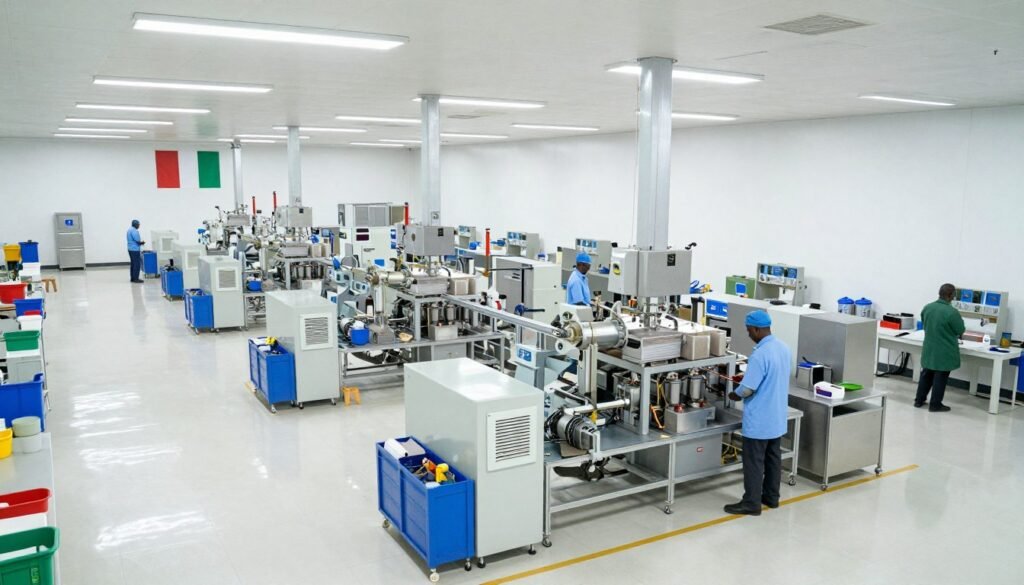
Twenty years ago, MAIKONG recognized that Nigerian fish farmers deserved better than imported equipment with zero local support. We established manufacturing operations specifically designed for West African market needs. This long-term commitment transformed how Nigerian aquaculture operations approach feed processing equipment.
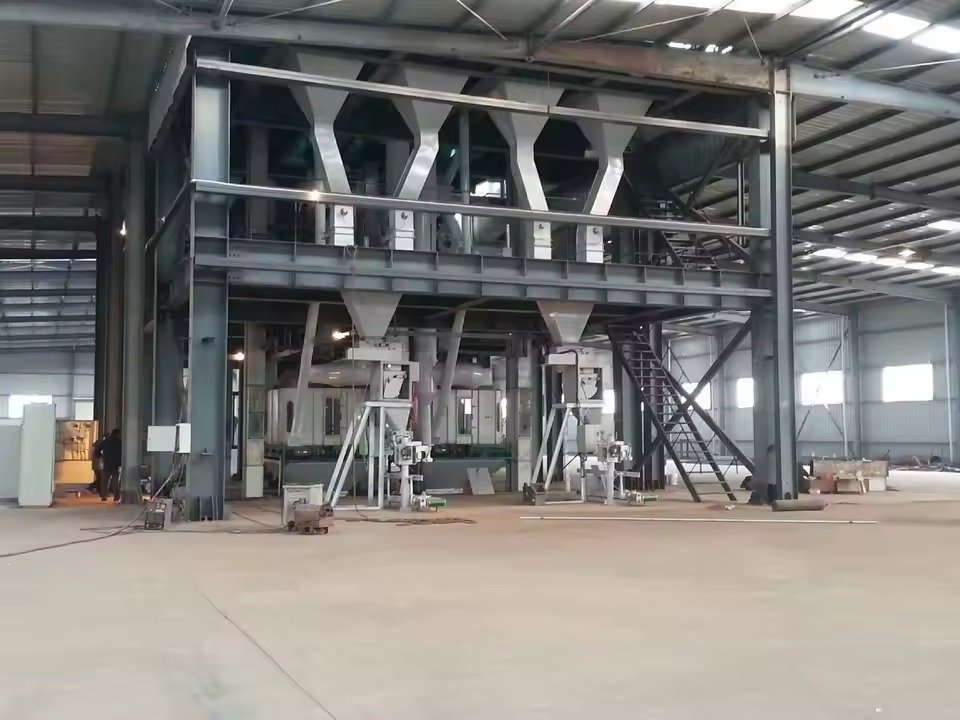
Our facility produces more than just fish feed pellet machines. We manufacture complete lines for poultry, livestock, and biomass pellet production. This diversification brings several advantages. We maintain larger spare parts inventories. We employ specialized engineers for different applications. We invest in research and development that benefits all product lines.
Manufacturing Capabilities That Set Us Apart
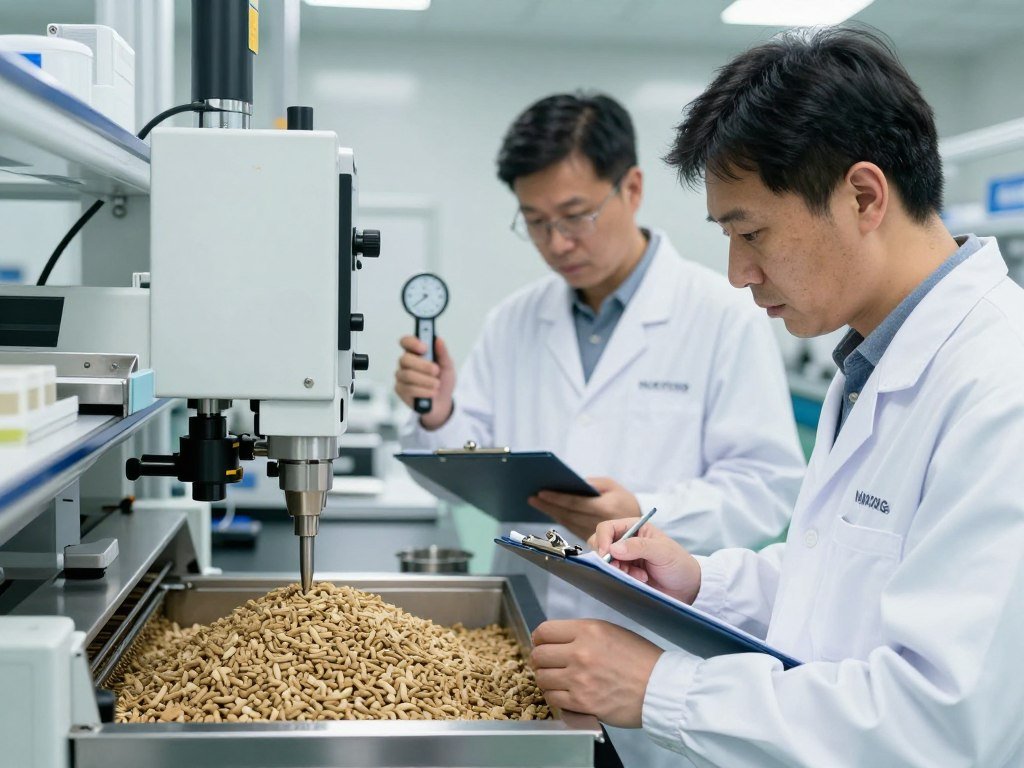
- In-house engineering team: 28 mechanical and electrical engineers with aquaculture expertise
- Custom design capability: Modify standard designs for specific Nigerian fish species requirements
- Component manufacturing: Produce critical parts internally – no dependency on external suppliers for key components
- Quality testing: Every machine undergoes 72-hour continuous operation testing before shipment
- Material selection: Use corrosion-resistant alloys suitable for Nigerian coastal humidity
- Voltage adaptation: All equipment tested at 340V and 420V extremes – handles Nigerian power fluctuations
- Production capacity: Manufacture 180-240 units monthly across all product categories
- Continuous improvement: Quarterly design updates based on customer feedback and field performance data
After-Sales Support That Actually Works
The true test of a manufacturer appears after the sale concludes. Many companies disappear once payment clears. MAIKONG built our reputation on long-term customer relationships. Our after-sales support system operates specifically for Nigerian customer needs:
WhatsApp Technical Support
Dedicated technical line: +86 15815556422
Response within 2 hours for urgent issues. Video troubleshooting guidance. Multi-language support including English, Yoruba, Igbo, and Hausa.
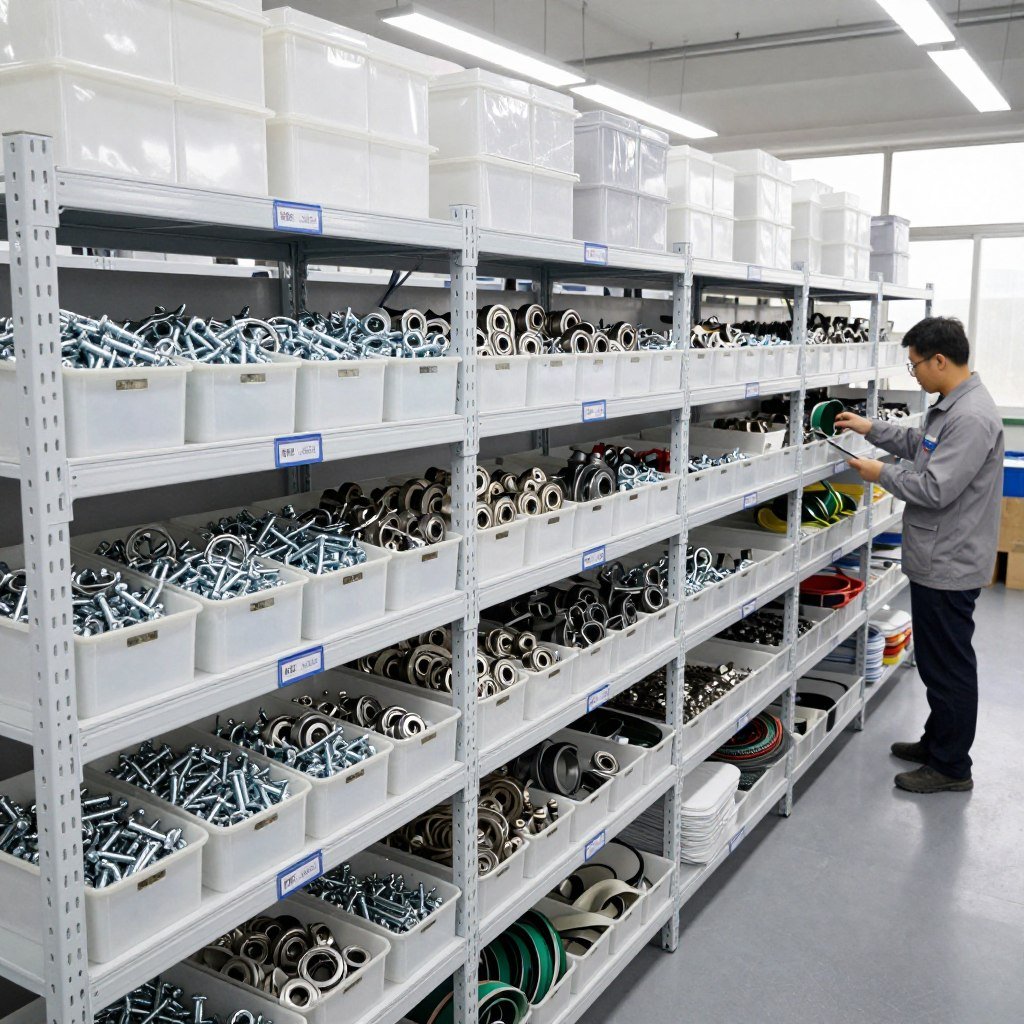
Spare Parts Availability
Lagos warehouse stocks 95% of commonly needed parts. Delivery within 24-48 hours to major Nigerian cities. Competitive pricing below international shipping alternatives.
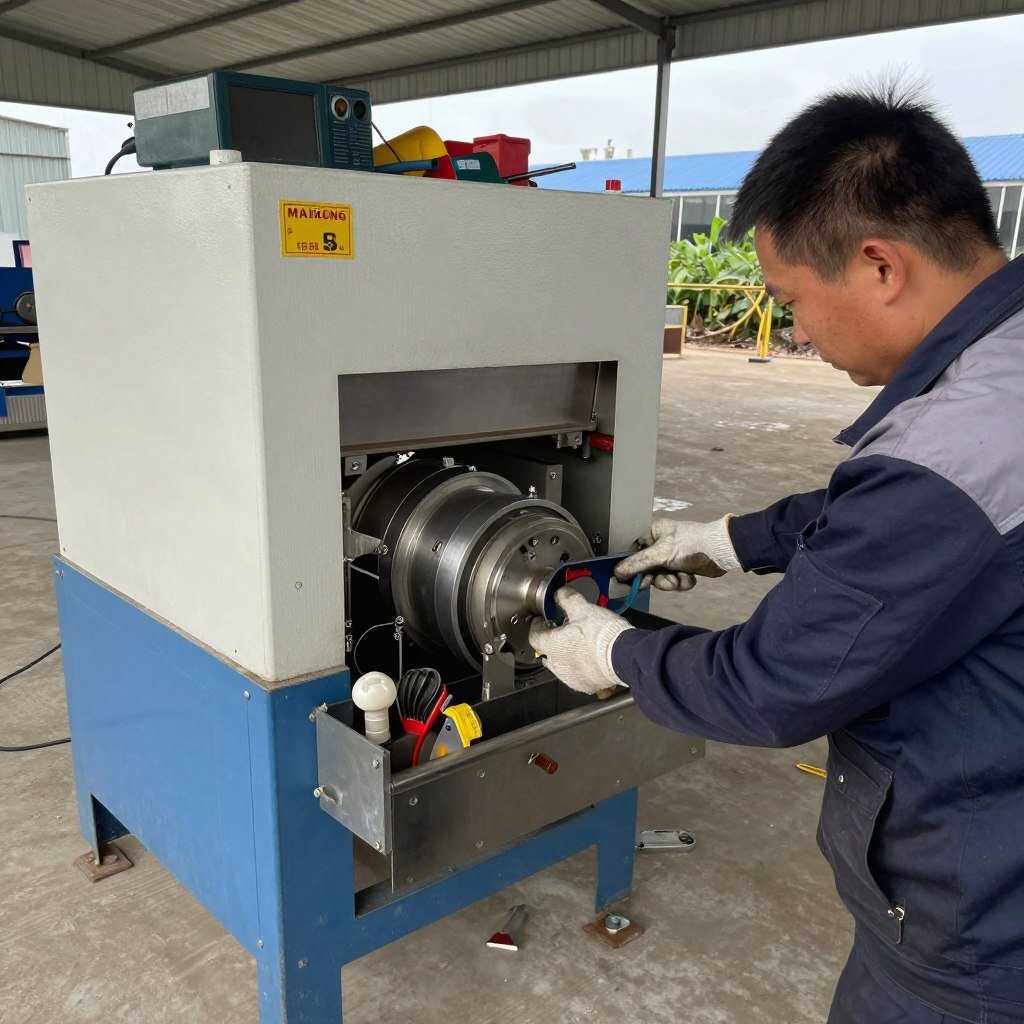
On-Site Service Visits
Technicians available for complex repairs or annual maintenance. Travel to your location anywhere in Nigeria. Preventive maintenance programs available to maximize equipment lifespan.
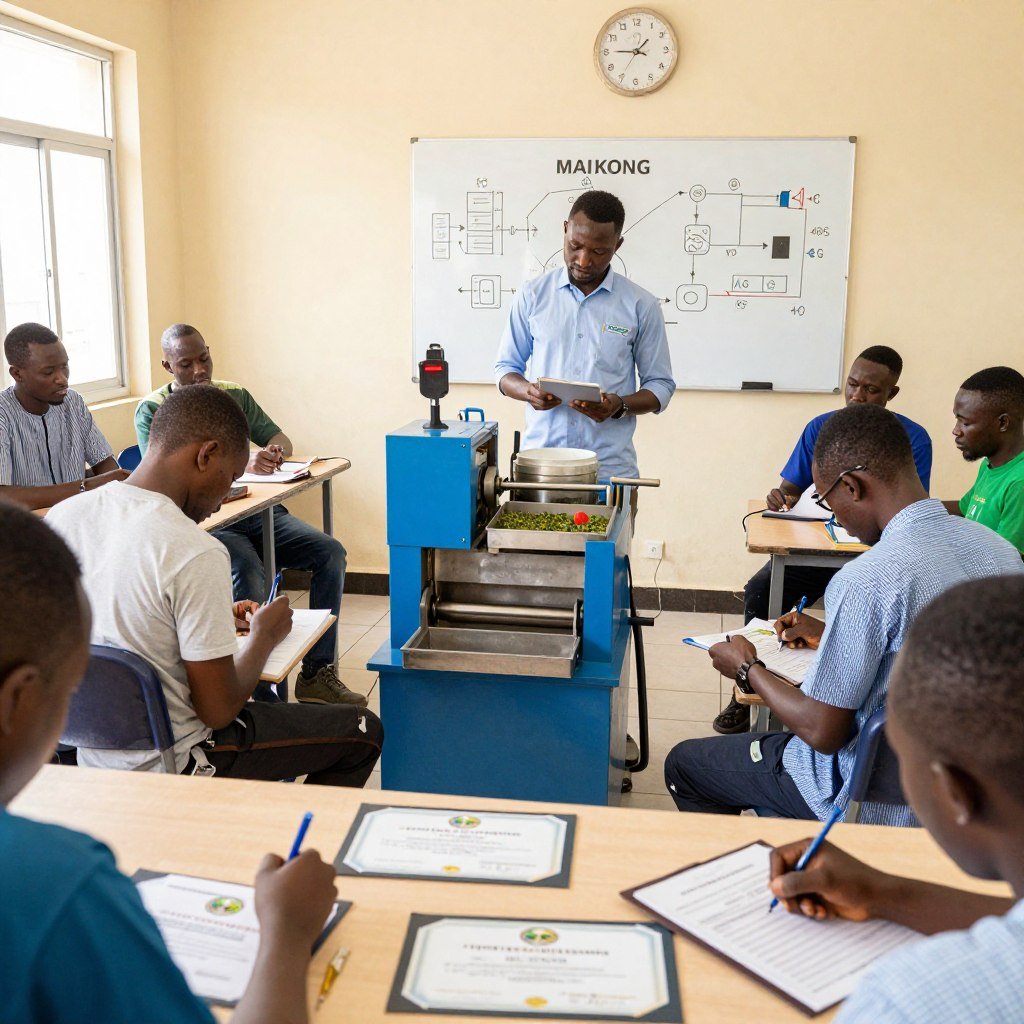
Operator Training Programs
Comprehensive 3-day training included with equipment purchase. Advanced troubleshooting courses available. Certification programs for cooperative and commercial operators.
Customization & OEM Services for Nigerian Market
Standard equipment serves most applications adequately. However, some operations require specific modifications. MAIKONG offers extensive customization options that competitors cannot match:
- Capacity adjustments: Modify standard models to produce 15-20% above or below rated capacity
- Die customization: Create special die patterns for unique pellet sizes or shapes
- Voltage adaptation: Configure for generator operation or solar power systems
- Material specifications: Upgrade to stainless steel for coastal installations with high salt exposure
- Control system language: Program displays in English, French, or local languages
- Branding options: Private label equipment for dealers and distributors (minimum order quantities apply)
- Integration requirements: Design interfaces with existing farm automation systems
Dealers and distributors receive special support. We understand that your reputation depends on the equipment you sell. MAIKONG provides dealer partners with technical training, marketing materials, and priority service support. Your customers become our customers. Their success builds your business reputation.
Nigerian Customer Success Stories: Real Results from Real Farms
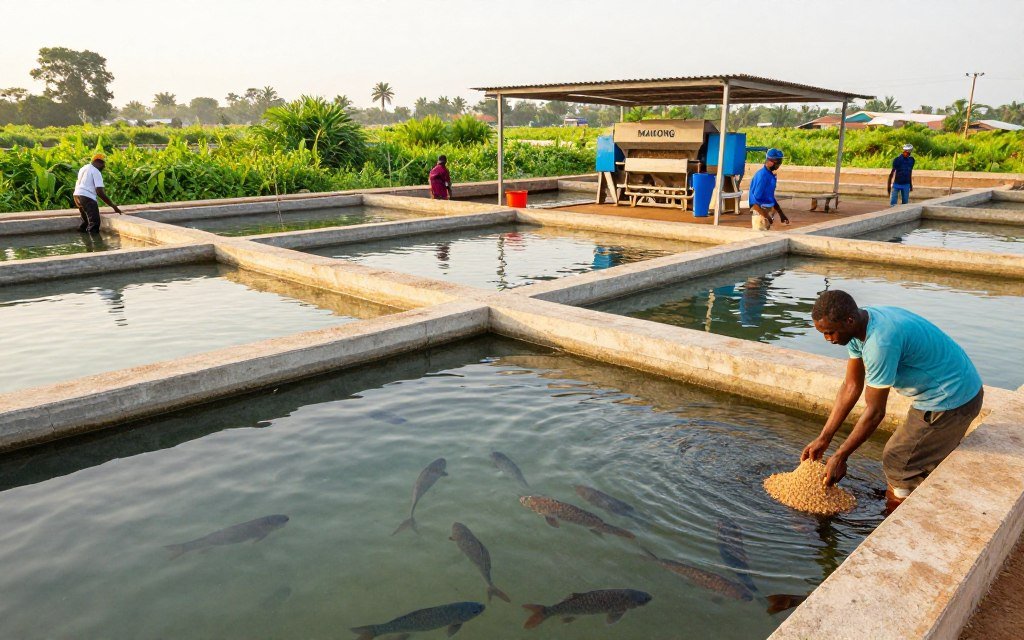
Numbers and specifications matter less than actual results. These stories come from MAIKONG customers across Nigeria. We documented their experiences during site visits and follow-up consultations. Each case demonstrates different aspects of fish feed pellet machine benefits.
Case Study 1: Small Farm Expansion – Lagos State
“I started with six small ponds and 8,000 catfish fingerlings. Feed costs killed my profits completely. After buying commercial feed for two production cycles, I had barely broken even. A friend recommended MAIKONG. I was skeptical about the investment, but the calculations made sense.”
Adebayo purchased a 100 kg/hour small-scale unit in March 2023. His initial investment totaled ₦2.1 million including mixer and grinder. Previous feed expenses averaged ₦385,000 monthly purchasing commercial floating pellets at ₦520 per kilogram.
After installation, his production costs dropped to ₦162,000 monthly for equivalent feed quantity. The savings of ₦223,000 monthly meant his payback period measured just 9.4 months. Within one year, Adebayo expanded to 14 ponds. He now produces excess feed that he sells to three neighboring farms, generating additional monthly revenue of ₦180,000.
Key Success Factors:
- Started with appropriate capacity for his current scale
- Attended full 3-day training program before production
- Followed recommended maintenance schedule strictly
- Used savings to expand fish population gradually
- Identified secondary revenue opportunity (selling feed to neighbors)
Case Study 2: Cooperative Production Model – Ogun State
The Abeokuta Fish Farmers Cooperative faced a common challenge. Individual members lacked capital for their own fish feed pelletizer machines. Feed costs consumed 68-72% of revenue across all 15 member farms. The cooperative chairman contacted MAIKONG seeking a shared solution.
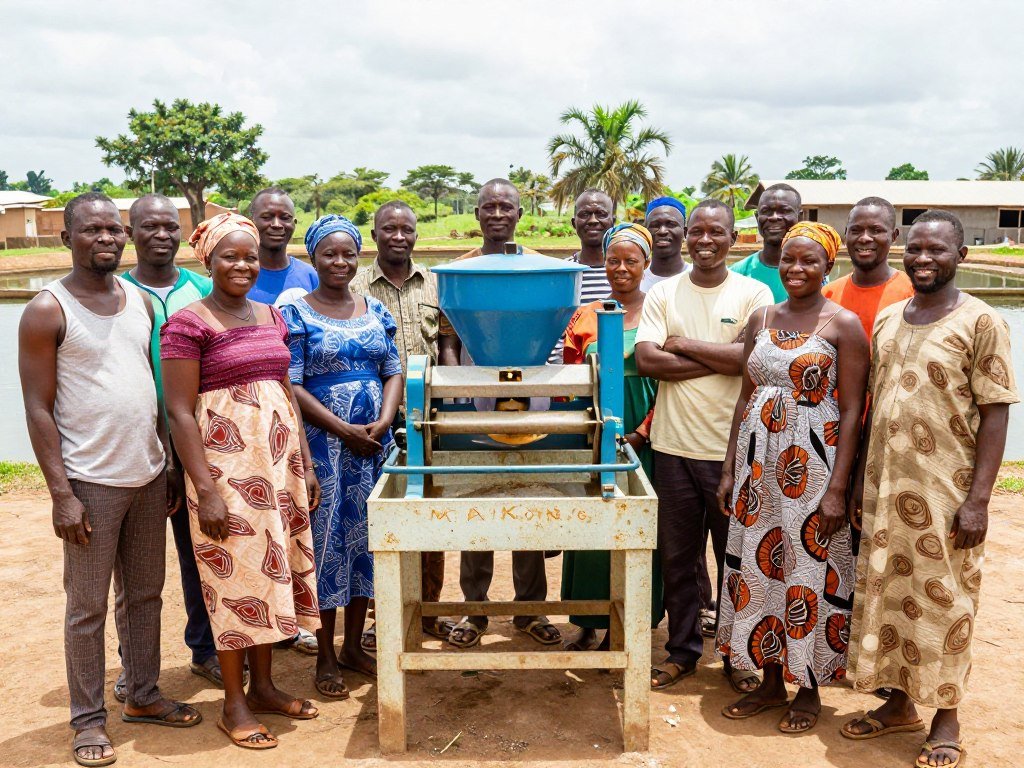
MAIKONG designed a custom solution: one 800 kg/hour production unit serving all members on a scheduled basis. Each member contributed ₦950,000 toward the ₦14.2 million complete system. The cooperative built a central production facility accessible to all members.
Members schedule production times two weeks in advance. Most produce every 5-7 days depending on their fish populations. The system works because larger members who need more frequent production contributed higher initial amounts and pay slightly higher per-kilogram usage fees.
Cooperative Financial Results After 18 Months:
- Combined previous feed costs: ₦12.8 million monthly
- Current production costs: ₦5.1 million monthly
- Monthly savings distributed: ₦7.7 million
- Average per-member savings: ₦513,000 monthly
- All members achieved payback within 6.2 months
- Cooperative now offers feed production services to non-members for additional revenue
Case Study 3: Commercial Feed Production – Rivers State
Chioma started with fish farming but recognized a business opportunity. Small farmers around Port Harcourt needed reliable feed sources. She invested in a 1.5 tonne-per-hour production line with complete packaging capability. Her business model focuses on feed sales rather than fish production.
“MAIKONG helped me design the entire operation from scratch. They calculated the market size, recommended the right equipment capacity, and provided business planning guidance. I’m not just a customer – I’m a dealer partner now.”
Chioma’s operation produces 900-1,200 kilograms hourly depending on pellet type. She offers floating feed in four sizes, sinking feed in three sizes, and custom formulations for premium customers. Her pricing runs 18-25% below major commercial brands while maintaining higher protein content.
Monthly production averages 72 tonnes across 48 different customer accounts. Revenue reaches ₦31-38 million monthly. After all costs including labor, materials, and packaging, her net profit margins run 22-28% – substantially higher than fish farming profit margins.
Start Your Success Story
Over 200 Nigerian farms trust MAIKONG fish feed pellet machines to reduce costs and improve profitability. Whether you’re a small farm owner or planning a commercial feed production business, we have the solution and experience to ensure your success. Let’s discuss your specific situation and design the optimal system.
Dealer & Distributor Opportunities in Nigeria
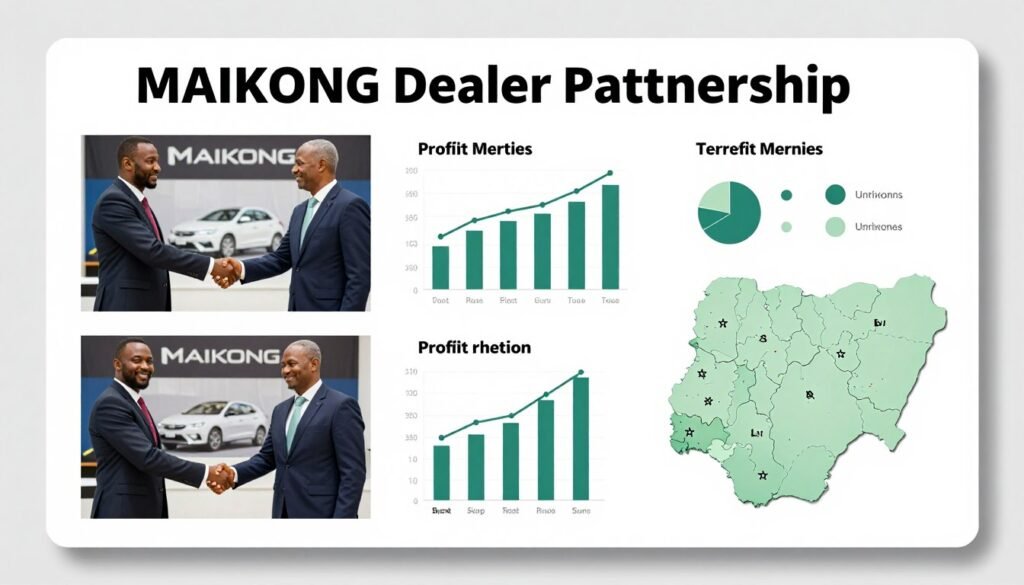
MAIKONG actively recruits qualified dealers and distributors across Nigeria. The fish feed equipment market continues expanding as more farmers recognize production advantages. This growth creates substantial opportunities for entrepreneurs with agricultural market access and business infrastructure.
Why Partner With MAIKONG Nigeria?
Becoming a MAIKONG dealer differs significantly from typical equipment distribution arrangements. We view dealers as long-term partners rather than simple resellers. This philosophy translates into concrete support systems and attractive business terms:
Dealer Advantages
- Exclusive territory rights: Protected geographic areas prevent dealer competition
- Factory-direct pricing: 28-35% below retail pricing depending on volume
- Marketing support: Co-branded materials, website development assistance, trade show support
- Technical training: Comprehensive product knowledge and installation certification
- Demo equipment: Loan units available for customer demonstrations
- Flexible payment terms: 60-90 day terms for established dealers
- After-sales partnership: We handle complex technical issues while you maintain customer relationships
- Product range access: Full catalog including poultry, livestock, and biomass equipment
Dealer Requirements
- Business registration: Valid Nigerian business registration and tax identification
- Agricultural market access: Existing relationships with farms, cooperatives, or agricultural businesses
- Technical capability: Ability to provide basic installation and setup services
- Warehouse facility: Storage space for inventory and spare parts
- Financial stability: Ability to maintain inventory of ₦8-15 million
- Customer service commitment: Dedicated phone line and response system
- Initial order commitment: Minimum 4 units across different categories
- Training participation: Owner or manager completes dealer certification program
Financial Model for MAIKONG Dealers
Understanding dealer economics helps evaluate this business opportunity realistically. We provide transparent information about typical dealer margins and sales volumes based on existing partner performance:
| Product Category | Typical Retail Price | Dealer Cost | Gross Margin | Average Monthly Sales |
| Small Fish Feed Machine (50-150 kg/hr) | ₦2.4-3.2 million | ₦1.7-2.3 million | 29-32% | 2-4 units |
| Medium Fish Feed Machine (300-800 kg/hr) | ₦5.8-8.5 million | ₦4.1-6.0 million | 28-30% | 1-2 units |
| Complete Production Line (2+ tonne/hr) | ₦28-85 million | ₦19.5-59 million | 25-28% | 0.3-0.5 units |
| Spare Parts & Accessories | Varies by component | 35% below retail | 35-42% | ₦850K-1.8M |
Successful MAIKONG dealers generate ₦18-45 million annual revenue after establishing their business for 12-18 months. New dealers typically start slower with ₦8-15 million first-year revenue as they build market presence. Spare parts and maintenance services provide steady recurring revenue that stabilizes cash flow between equipment sales.
Join Nigeria’s Leading Pellet Machine Dealer Network
Exclusive territories available in Abuja, Kaduna, Enugu, Calabar, and other major markets. MAIKONG provides complete business setup support including factory training, marketing materials, technical certification, and ongoing sales assistance. Factory pricing delivers 25-35% profit margins with strong market demand.
Beyond Fish Feed: Complete Pellet Production Solutions
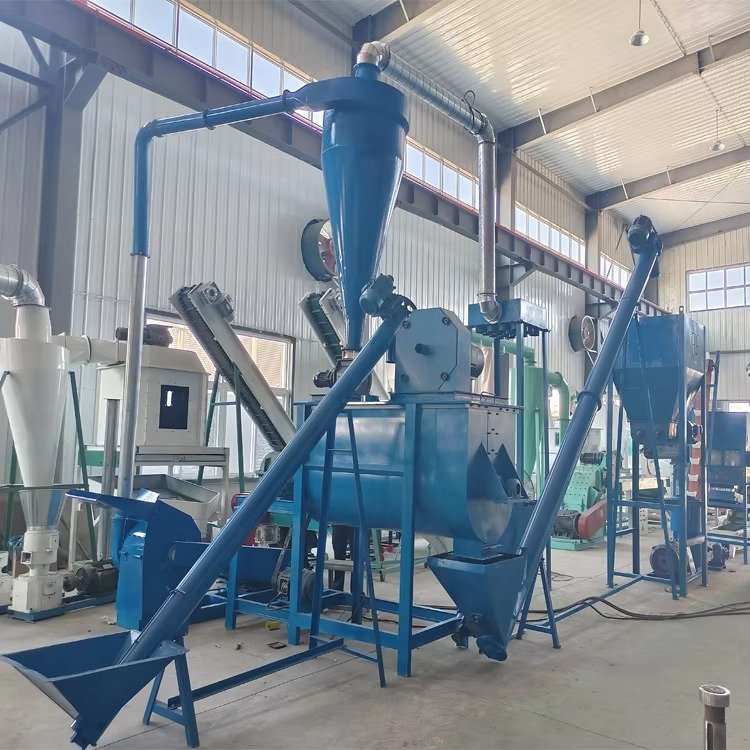
While fish feed pellet machines represent our core Nigerian product focus, MAIKONG manufactures complete pellet processing solutions across multiple industries. This diversification creates additional business opportunities for farmers and dealers. Understanding our full product range reveals potential revenue streams you may not have considered.
Poultry Feed Production Equipment
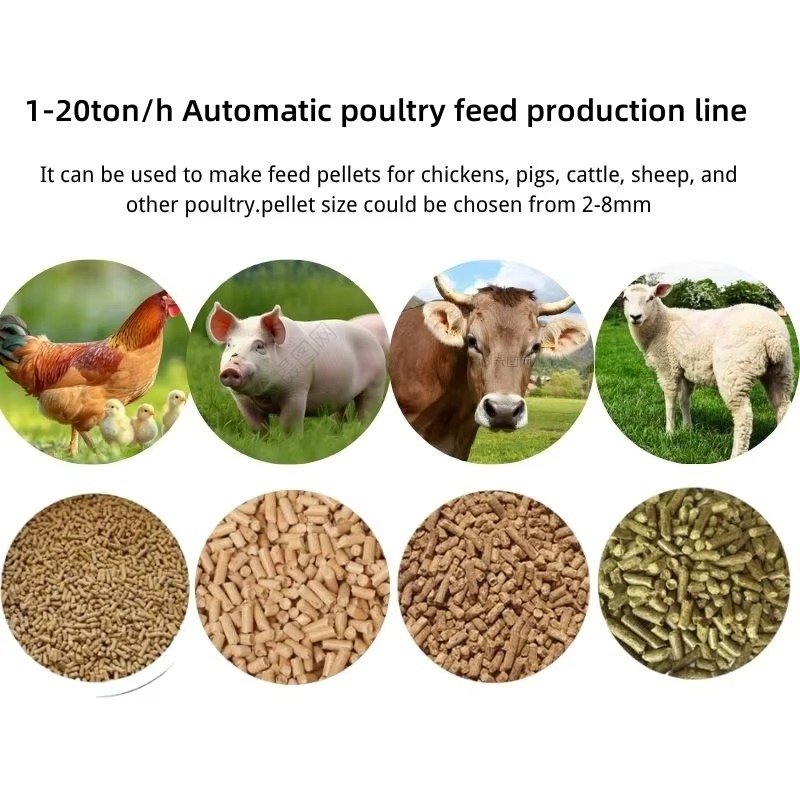
Nigeria’s poultry industry remains one of Africa’s largest. The same feed cost challenges affect chicken farmers just as severely as fish farmers. Our poultry feed pellet machine line produces both meal and pelletized feed for broilers, layers, and parent stock operations.
Poultry feed pellet technology differs from fish feed in several aspects. Pellets require less water stability since chickens consume feed immediately. Pellet hardness must prevent excessive dust while remaining easy to peck. Particle sizes range smaller – typically 2-4mm for chicks and 4-6mm for adult birds.
Livestock Feed Pellet Solutions
Cattle, pig, sheep, and goat operations throughout Nigeria increasingly adopt pelleted feed systems. Pelleting improves digestibility of fibrous materials. It reduces selective feeding where animals eat preferred ingredients and waste others. It simplifies feed storage and distribution across large grazing areas.
Our livestock feed pellet machine models handle high-fiber ingredients effectively. Corn stalks, hay, grass silage, and agricultural residues process efficiently. These materials cost substantially less than commercial concentrate feeds. Farmers reduce feeding costs by 35-50% while maintaining or improving animal growth rates.
Wood and Biomass Pellet Production
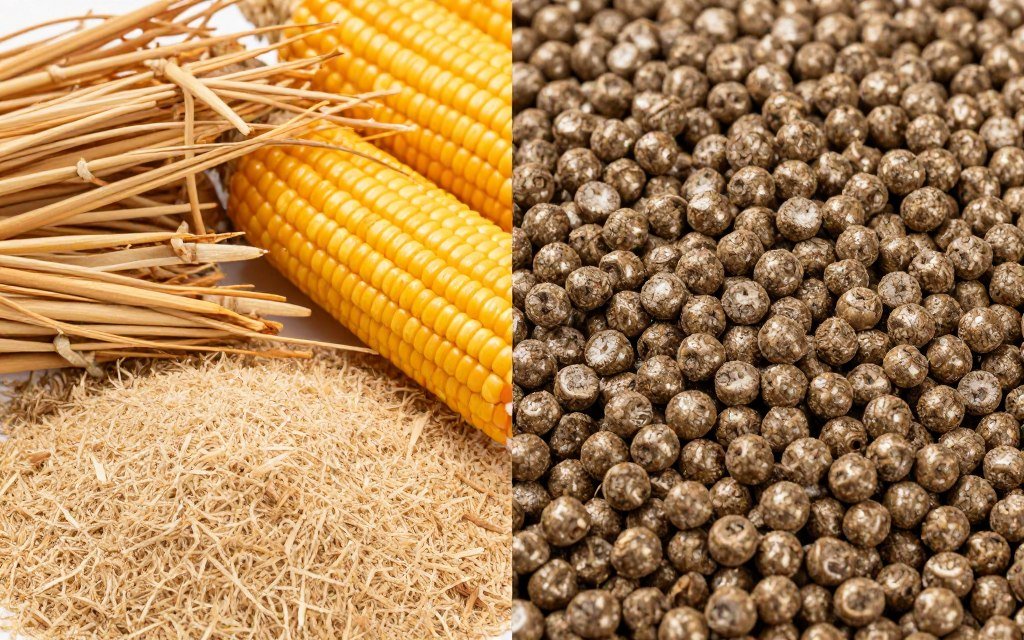
Beyond animal feed, MAIKONG manufactures equipment for biomass energy production. Wood pellets from sawdust and agricultural waste provide clean-burning renewable fuel. Nigeria generates massive quantities of agricultural residues – rice husks, corn cobs, groundnut shells, cassava waste – that currently burn in fields or rot unused.
Our wood pellet machine converts these waste materials into valuable energy products. Hotels, restaurants, and commercial bakeries increasingly use wood pellet heating systems. Export markets in Europe and Asia purchase biomass pellets for power generation. This creates new revenue opportunities for agricultural entrepreneurs.
Frequently Asked Questions About Fish Feed Pellet Machines
What is the difference between floating and sinking fish feed pellets?
Floating pellets remain on the water surface for 12-24 hours due to their lower density. They work best for surface-feeding fish like catfish and tilapia. You can observe feeding behavior easily and prevent overfeeding. Sinking pellets have higher density and drop to the pond bottom immediately. They suit bottom-feeding species and shrimp farming. Sinking feed machines generally cost 20-30% less than floating feed equipment because the technology is simpler.
How much space do I need to install a fish feed pellet making machine?
Small-scale units (50-150 kg/hour) require approximately 3m × 4m of covered space. Medium-scale operations (300-800 kg/hour) need 6m × 8m. Large production lines (2+ tonnes/hour) require 15m × 25m or larger depending on configuration. You also need additional space for raw material storage, finished product storage, and packaging areas. MAIKONG provides detailed layout drawings during the planning phase to help you prepare your site properly.
Can I use my existing ingredients or do I need special materials?
MAIKONG fish feed pellet machines process standard agricultural ingredients available throughout Nigeria. Typical formulations include: fish meal or soybean meal (protein source), corn or wheat (energy source), rice bran or wheat bran (fiber), fish oil or palm oil (fat), and vitamins/minerals. You do not need specialized or imported ingredients. However, ingredients should be ground to appropriate particle size (2-3mm) before pelleting for best results.
What power supply requirements does the machine have?
Small machines operate on single-phase 220V supply (common household electricity). Medium and large units require three-phase 380V industrial power. All MAIKONG equipment includes voltage stabilizers to handle Nigerian power fluctuations from 340V to 420V safely. If you plan to use generator power, select a generator rated 1.5-2 times the machine’s nominal power consumption to handle startup surge currents. We can also configure machines for solar power systems with battery banks.
How long does the machine last and what maintenance is required?
With proper maintenance, MAIKONG fish feed pellet machines operate reliably for 12-15 years. The main extruder screw and barrel typically last 15,000-25,000 operating hours before requiring replacement. Dies last 8,000-12,000 hours depending on formulation abrasiveness. Basic maintenance includes: daily cleaning of die and feed chute (15 minutes), weekly lubrication of bearings and gearbox (30 minutes), monthly belt tension check and adjustment (20 minutes), and quarterly comprehensive inspection (2-3 hours). We provide detailed maintenance schedules and training with every purchase.
Can I customize pellet size and formulation?
Yes, MAIKONG machines allow complete customization. Change pellet size by replacing the die (takes 20-30 minutes). Most machines include 2-3 different dies for various sizes. Adjust formulation freely to match your fish species, growth stage, and local ingredient availability. Our nutritionists provide formulation guidance for catfish, tilapia, and other Nigerian fish species at different life stages. You can create high-protein growth feed, maintenance feed, and finishing feed using the same machine.
What is the typical production speed and output quality?
Production speed depends on machine capacity and pellet type. Floating feed extrusion typically processes at 85-95% of rated capacity when operating optimally. A 500 kg/hour machine produces approximately 425-475 kg actual output per hour. Sinking feed presses often exceed rated capacity by 5-10%. Quality metrics we guarantee include: pellet durability >95% (less than 5% breakage during handling), water stability >12 hours for floating feed, uniform size distribution >90% within specification, and moisture content 10-12% for proper storage.
Do you provide installation and training services?
Yes, every MAIKONG purchase includes complete installation and training. Our technicians travel to your site, install all equipment, perform test runs, and train your operators. Training covers: machine operation and controls, formulation preparation and mixing, troubleshooting common problems, basic maintenance procedures, and safety protocols. Training typically takes 3 full days. We also provide operation manuals in English and video tutorials. Follow-up support continues via WhatsApp, phone, and email for the life of your equipment.
What warranty and guarantee do you offer?
MAIKONG provides a comprehensive 24-month warranty covering all manufacturing defects and component failures. This warranty period starts from installation completion date. We guarantee: machine performance meets stated capacity, pellet quality meets specifications, and electrical components function properly. The warranty includes free replacement of defective parts and technical support labor. After warranty expiration, we continue providing spare parts and technical assistance at reasonable commercial rates. Extended warranty programs are available for commercial operations.
Can I finance the purchase or do you require full payment upfront?
MAIKONG offers flexible payment terms for qualified buyers. Standard terms include: 40% deposit upon order confirmation, 50% before shipping, and 10% after installation and acceptance. For established farm operations, we can arrange 60-90 day payment terms after delivery. We also work with several Nigerian agricultural banks that provide equipment financing. Cooperative purchases often qualify for special payment arrangements. Contact our sales team to discuss payment options that fit your financial situation.
Start Your Fish Feed Production Journey Today

Twenty years of manufacturing experience and over 200 successful Nigerian installations demonstrate MAIKONG’s commitment to transforming African aquaculture through reliable fish feed pellet machine technology. Whether you operate a small backyard farm or plan a commercial feed production business, we have the expertise and equipment to ensure your success.
Our team provides comprehensive support from initial consultation through long-term operation. We analyze your specific requirements, recommend optimal equipment configurations, design site layouts, provide detailed ROI projections, handle installation and training, and deliver ongoing technical support for the life of your equipment.
MAIKONG Nigeria Contact Information
Sales & Quotations: Lucy@pelletmachine.ng
WhatsApp/Phone: +86 158 1555 6422
Technical Support WhatsApp: +86 15815556422
Website: https://pelletmachine.ng/
Product Information: Fish Feed Pellet Machines
Dealer Opportunities: Become a MAIKONG Dealer
About MAIKONG: Company Background & Certifications
Transform Your Fish Farm Economics With MAIKONG
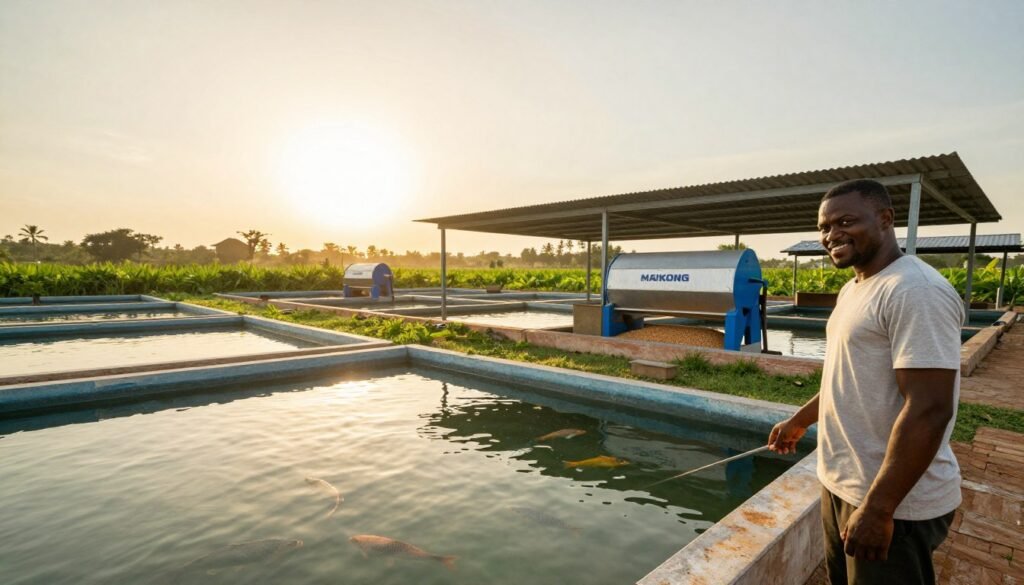
The decision to invest in your own fish feed pellet machine represents more than equipment purchase. You take control of your largest operating expense. You eliminate dependency on suppliers with unpredictable pricing and availability. You customize formulations for optimal fish growth and health. You create the foundation for sustainable, profitable aquaculture operations.
MAIKONG Nigeria understands the challenges facing Nigerian fish farmers because we work with them every single day. We designed our equipment specifically for local conditions, power systems, and ingredient availability. We established local support infrastructure so you receive genuine assistance when needed. We built our reputation on long-term customer relationships rather than one-time sales.
Over 200 Nigerian operations already made the switch. They cut feed costs by 40-55%. They improved fish growth rates with fresh, high-quality pellets. They achieved equipment payback in 6-10 months. Many now generate additional income selling excess feed to neighboring farms.
Your success becomes our success. When your operation thrives using MAIKONG equipment, you recommend us to other farmers. You become a reference customer demonstrating real results. This word-of-mouth reputation matters more than any advertising campaign.
Whether you manage 5,000 fish or 500,000 fish, whether you want to reduce costs or start a commercial feed business, whether you need simple equipment or complete automated production lines – MAIKONG has proven solutions and two decades of expertise ready to serve you.
Take the First Step Toward Feed Cost Independence
Contact MAIKONG today for a no-obligation consultation. Our engineers will analyze your specific situation and provide detailed recommendations with accurate ROI projections. Discover exactly how much you can save and how quickly your investment pays for itself. Start controlling your feed costs instead of letting them control your profitability.
Prefer to call? Reach us directly:
MAIKONG Nigeria – 20 Years Manufacturing Excellence – Factory Direct Pricing – Comprehensive After-Sales Support – Over 200 Successful Nigerian Installations