
Fish Feed Extruder: 2026 Guide to Importing from China to Nigeria
igerian fish farmers face a critical challenge in 2026. Feed costs consume up to 70% of your total aquaculture expenses. Imported commercial feeds continue to drain profits from your fish farming business. The solution lies in producing your own high-quality feed using a reliable fish feed extruder.
This comprehensive guide shows you exactly how to import the right fish pellet machine from China to Nigeria. You will discover technical specifications, cost comparisons, and practical importing advice. MAIKONG brings 20 years of manufacturing experience directly to Nigerian aquaculture businesses.
Whether you operate a small catfish farm in Ogun State or manage a large commercial operation in Delta State, choosing the correct feed extruder impacts your profitability. Let us guide you through this important investment decision.
Start Your Fish Feed Production Journey Today
Connect with our Nigerian market specialists for a free consultation on selecting the perfect fish feed extruder for your operation. We provide customized solutions for farms of all sizes.
Understanding Fish Feed Extruder Technology for Nigerian Aquaculture
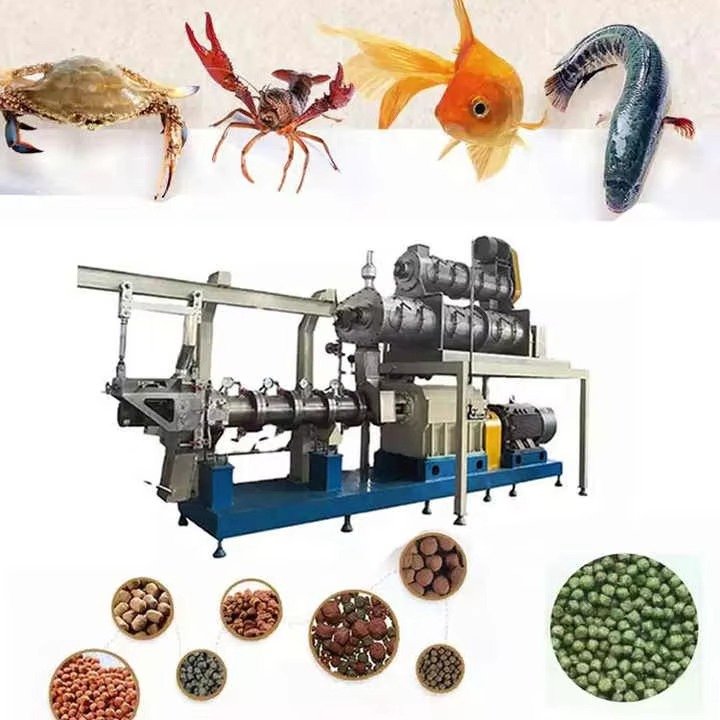
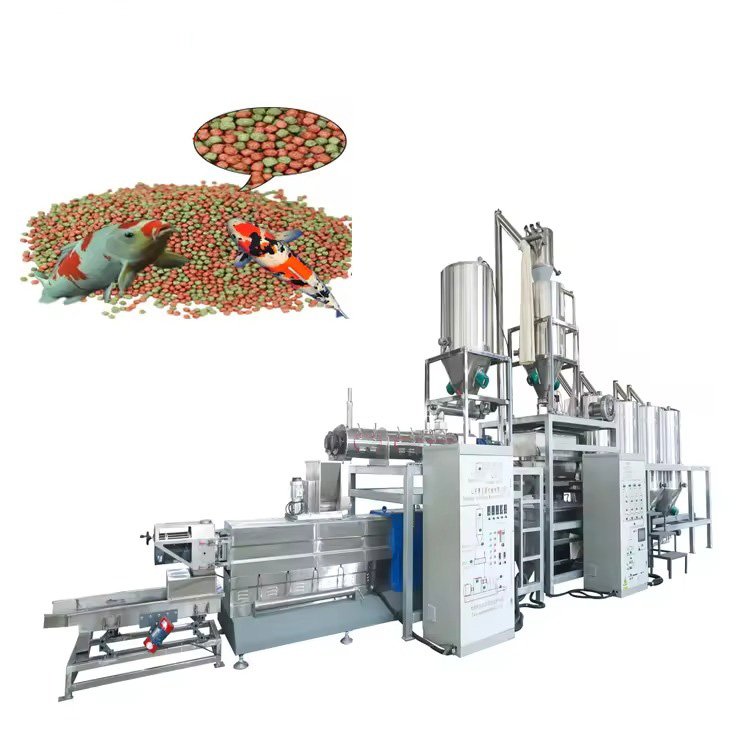
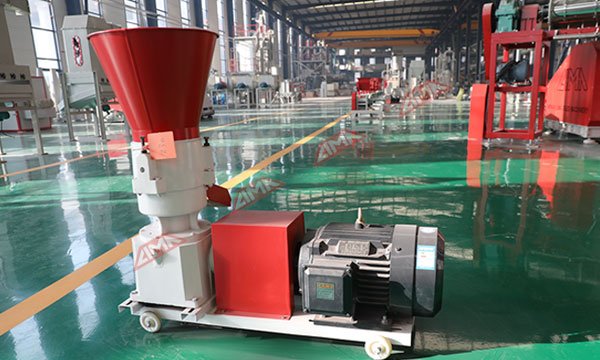
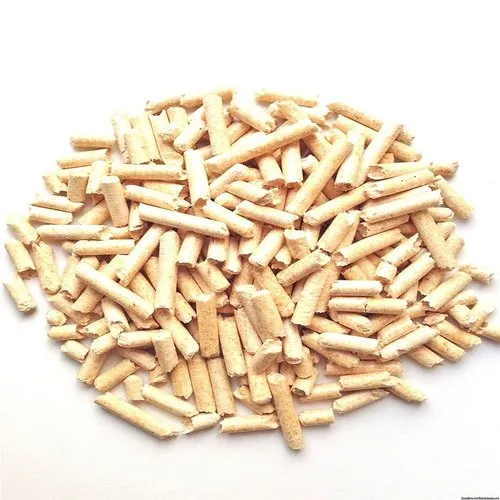
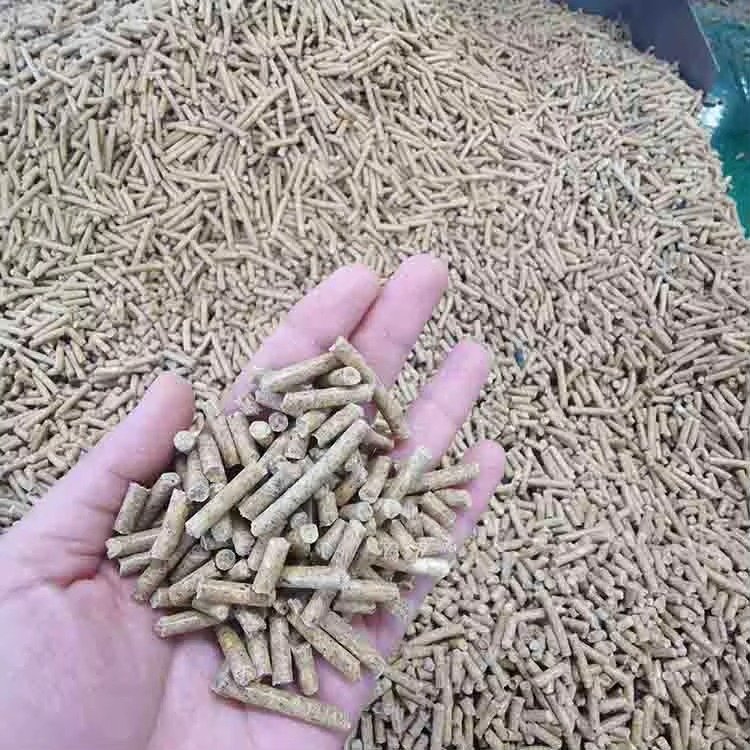
A fish feed extruder transforms raw materials into nutritious, floating, or sinking feed pellets for your fish. This machine uses heat, pressure, and mechanical energy to cook ingredients while shaping them into digestible pellets. Nigerian farmers benefit greatly from this technology.
The extrusion process gelatinizes starches in your raw materials. This improves digestibility for catfish, tilapia, and other species. Your fish absorb more nutrients from extruded feed compared to simple mash feeds. Water stability increases dramatically as well.
How the Extrusion Process Creates Quality Feed Pellets
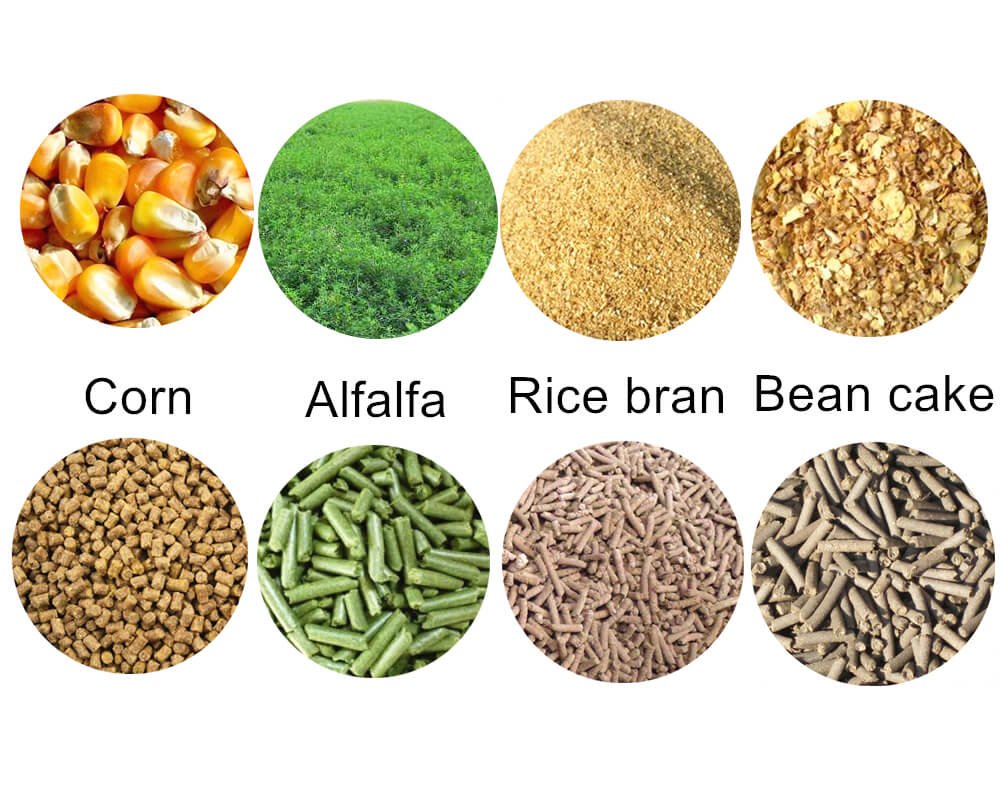
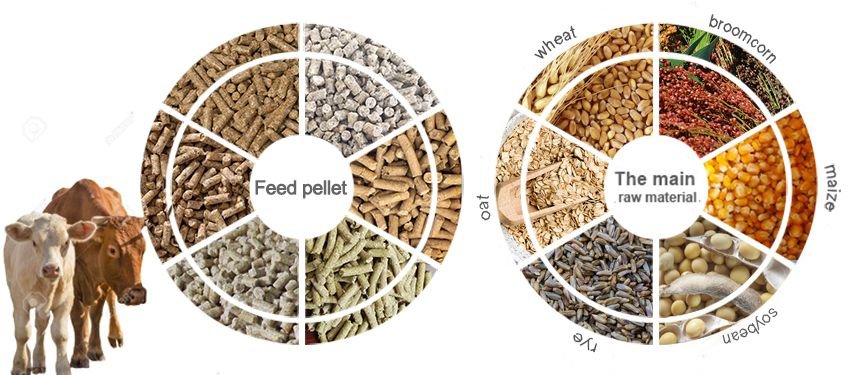
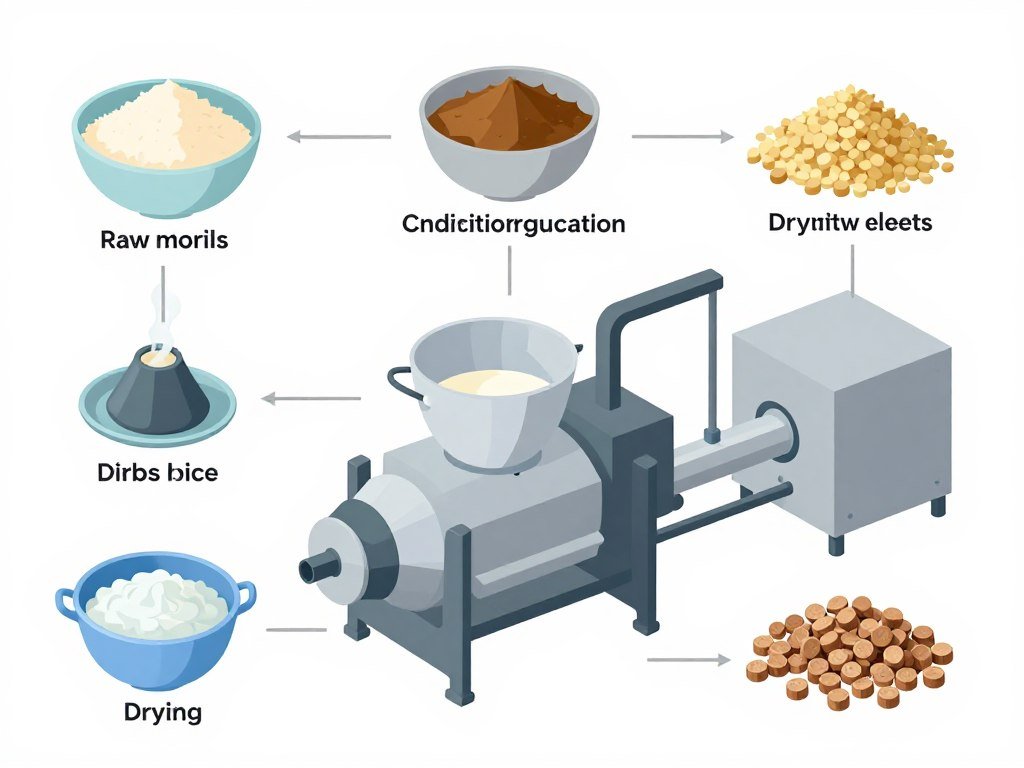
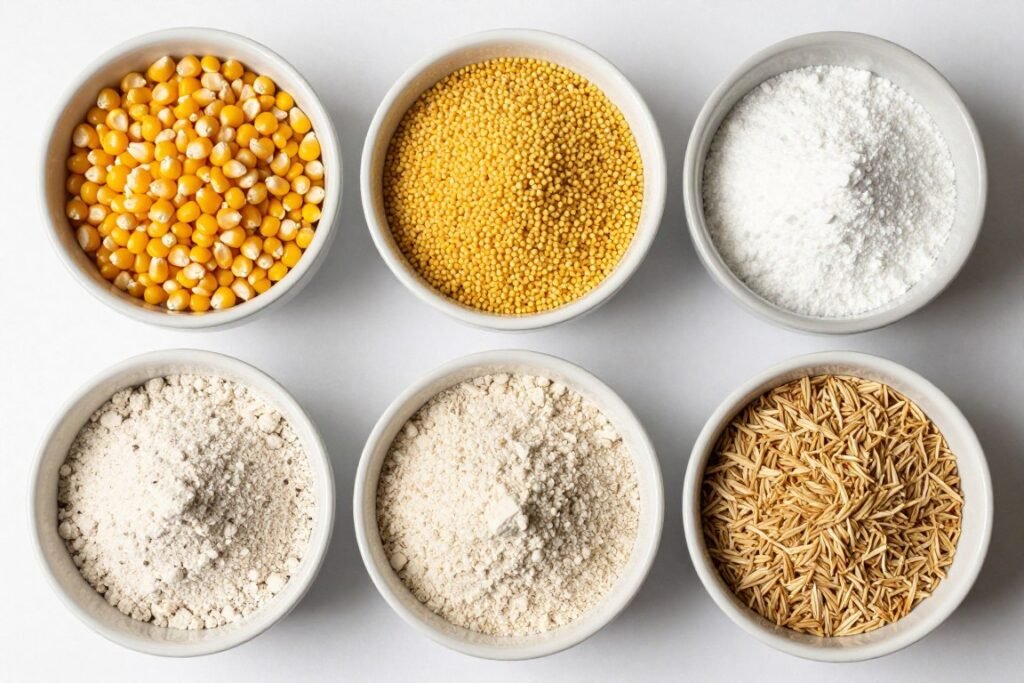
Your raw materials enter the feed extruder through a feeder system. Common ingredients include corn, soybean meal, fish meal, wheat bran, and vitamin premixes. The conditioning chamber adds steam and moisture to soften materials before processing.
Inside the barrel, a rotating screw generates friction and pressure. Temperatures reach 120-180°C depending on your formula requirements. This high temperature kills harmful bacteria and anti-nutritional factors in materials. Your feed becomes safer for fish consumption.
The cooked material passes through a die plate with holes of specific diameter. As pressurized feed exits these holes, it expands rapidly. This expansion creates the characteristic structure of floating pellets. A rotating knife cuts the extruded feed into uniform lengths.
Type Fish Feed Options: Floating vs Sinking Pellets
Nigerian fish farmers need different pellet types for different species and growth stages. Floating fish feed remains on the water surface for 12-24 hours. This allows you to monitor fish feeding behavior and reduce waste. Catfish, tilapia, and most surface feeders prefer floating pellets.
Sinking pellets drop through the water column to bottom feeders. Species like African catfish in deeper ponds may require sinking feed. Your fish feed pellet machine can produce both types by adjusting formulation and processing parameters.
Floating Pellet Benefits
- Easy feeding observation
- Reduced water pollution
- Better feed conversion ratio
- Suitable for most Nigerian species
Sinking Pellet Advantages
- Deep pond applications
- Bottom feeder species
- Lower production cost
- Higher density formulas possible
Types of Fish Feed Extruder Machines for Nigerian Operations
Choosing between a wet type fish extruder and a dry type system determines your production efficiency and feed quality. Each technology offers distinct advantages for different scales of aquatic feed manufacturing in Nigeria.
Dry Type Fish Feed Extruders for Small to Medium Farms
A dry type feed extruder processes ingredients without pre-conditioning steam. Your water content in the formula typically ranges from 12-18%. This type suits Nigerian farmers starting with limited budgets and simpler formulations. The machine requires less auxiliary equipment and lower initial investment.
Dry type extruders work well for basic catfish and tilapia feeds. Operating costs remain lower since you avoid steam generation expenses. Maintenance becomes simpler with fewer components to service. MAIKONG offers dry type models from 100 kg/hour to 500 kg/hour capacity.
However, dry type systems produce denser pellets with shorter floating time compared to wet type processing. The expansion ratio stays lower, affecting pellet water stability. For premium floating fish feed production, consider the wet type alternative.
Wet Type Fish Feed Extruders for High-Quality Pellet Production
The wet type fish feed extruder machine includes a steam conditioning chamber before the main barrel. Your ingredients receive steam treatment, raising water content to 20-25% and temperature to 80-90°C. This pre-treatment improves starch gelatinization significantly.
Wet type extrusion creates highly expanded, buoyant pellets ideal for surface-feeding species. Nigerian farmers producing premium floating fish feed prefer this technology. The pellets maintain excellent water stability for 24+ hours without disintegration.
Your feed production capacity increases with wet type systems. MAIKONG wet type extruders range from 300 kg/hour to 2,000 kg/hour. Energy efficiency improves as pre-conditioning reduces the mechanical energy needed in the barrel. Feed digestibility increases due to better cooking of raw materials.
| Feature | Dry Type Extruder | Wet Type Extruder |
| Initial Investment | Lower (₦2.5M – ₦8M) | Higher (₦8M – ₦25M) |
| Capacity Range | 100-500 kg/hour | 300-2,000 kg/hour |
| Pellet Expansion | Low to Medium | High |
| Floating Time | 6-12 hours | 24+ hours |
| Energy Consumption | Higher per kg | Lower per kg |
| Maintenance | Simpler | More complex |
| Best For | Small farms, basic feeds | Commercial operations, premium feeds |
Single Screw Fish Feed Extruder Technology
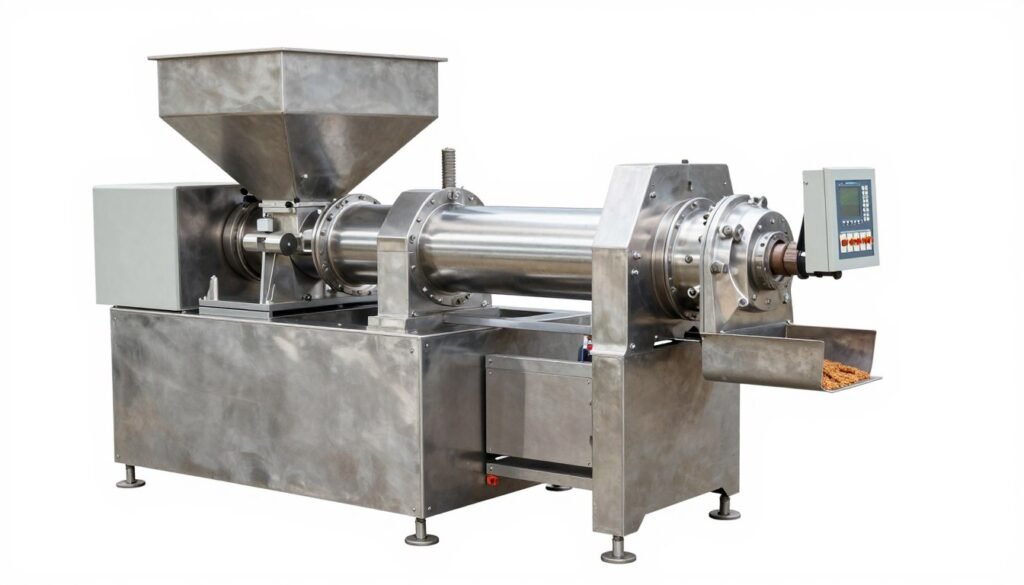
The single screw fish feed extruder represents the most common design in Nigerian aquaculture. A single rotating screw conveys and compresses your materials through the barrel. This proven technology offers reliability and cost-effectiveness for medium-scale production.
MAIKONG single screw fish extruders feature hardened screw elements resistant to abrasive ingredients. The barrel includes temperature control zones for precise processing. Your feed pellets achieve consistent quality across production batches.
These machines handle various raw materials including corn, wheat, soybean meal, fish meal, and vitamin premixes. Nigerian farmers appreciate the versatility for different species feeds. The same machine produces fish feed, poultry feed, and pet feed with simple die changes.
Need Help Selecting the Right Fish Feed Extruder?
Our technical team analyzes your specific requirements including fish species, production volume, and budget. Get personalized recommendations for wet type fish feed extruder machine or dry type fish systems.
Critical Technical Specifications for Your Fish Feed Extruder
Understanding key specifications helps you select the perfect fish feed machinery floating fish feed pellet machine price for your Nigerian operation. Capacity, power requirements, and pellet size flexibility determine long-term success.
Production Capacity Matching Your Farm Needs
Nigerian fish farmers must match machine capacity to actual feed consumption. A 10-ton pond of catfish consumes approximately 200-300 kg of feed daily at 2-3% body weight. Your feed extruder should produce at least one day’s requirement in 4-6 hours of operation.
Small farms with 5-10 tons of fish stock perform well with 100-200 kg/hour capacity machines. Medium commercial operations managing 50-100 tons require 500-800 kg/hour systems. Large enterprises exceeding 100 tons benefit from 1,000+ kg/hour production lines.
Small Farm (100-200 kg/hr)
- Fish stock: 5-10 tons
- Daily feed: 150-300 kg
- Power: 15-22 kW
- Investment: ₦2.5M-₦5M
- Suitable for starting operations
Medium Farm (500-800 kg/hr)
- Fish stock: 50-100 tons
- Daily feed: 1,000-2,000 kg
- Power: 75-110 kW
- Investment: ₦8M-₦15M
- Commercial production scale
Large Farm (1000+ kg/hr)
- Fish stock: 100+ tons
- Daily feed: 2,000+ kg
- Power: 132-185 kW
- Investment: ₦18M-₦35M
- Industrial-scale operations
Power Requirements and Nigerian Electrical Considerations
Nigerian electrical supply reliability affects your feed extruder selection. Most MAIKONG machines operate on 380V three-phase power. However, we offer customization for 415V systems common in Nigerian industrial areas. Generator backup capacity should exceed motor rating by 30-40%.
A 500 kg/hour wet type extruder typically requires 90-110 kW total power. This includes the main motor, feeder, cutter, and conditioner. Dry type systems need slightly lower power (75-90 kW) without steam generation equipment.
Pellet Size Flexibility for Different Fish Species
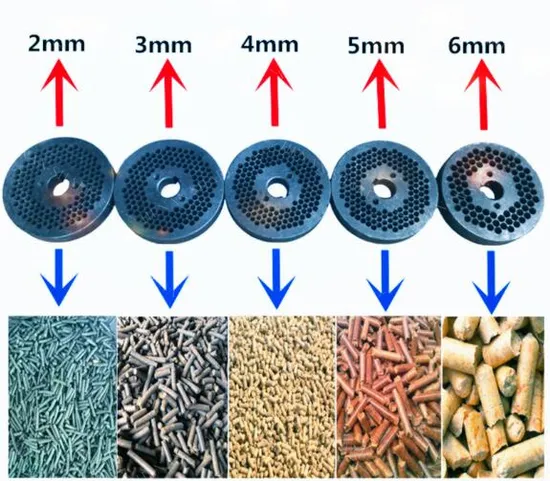
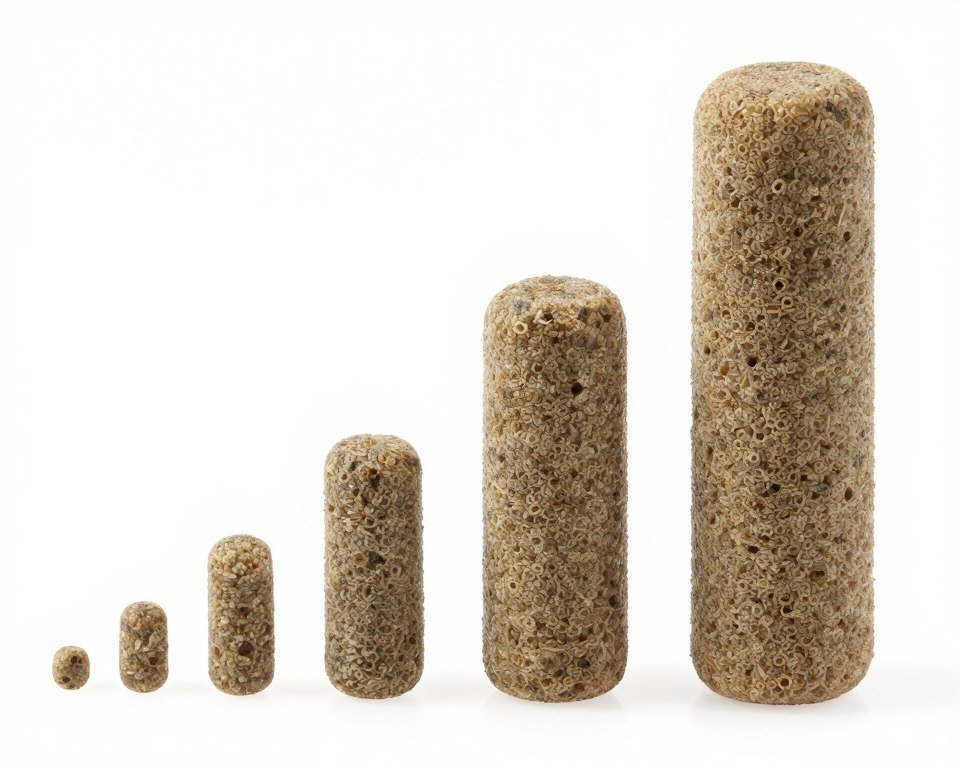
Your fish feed extruder must produce various pellet diameters as fish grow. Catfish fry require 0.5-1.0mm micro-pellets. Fingerlings consume 1.5-2.5mm pellets. Marketable fish eat 3-6mm pellets efficiently. MAIKONG machines accommodate die changes in 15-20 minutes.
Standard die hole sizes include 1.5mm, 2.0mm, 2.5mm, 3.0mm, 4.0mm, 5.0mm, 6.0mm, and 8.0mm. Each machine ships with 2-3 dies matching your initial requirements. Additional dies cost ₦150,000-₦350,000 depending on size and material.
Technical Support Available on WhatsApp
Complete Fish Feed Production Line Components
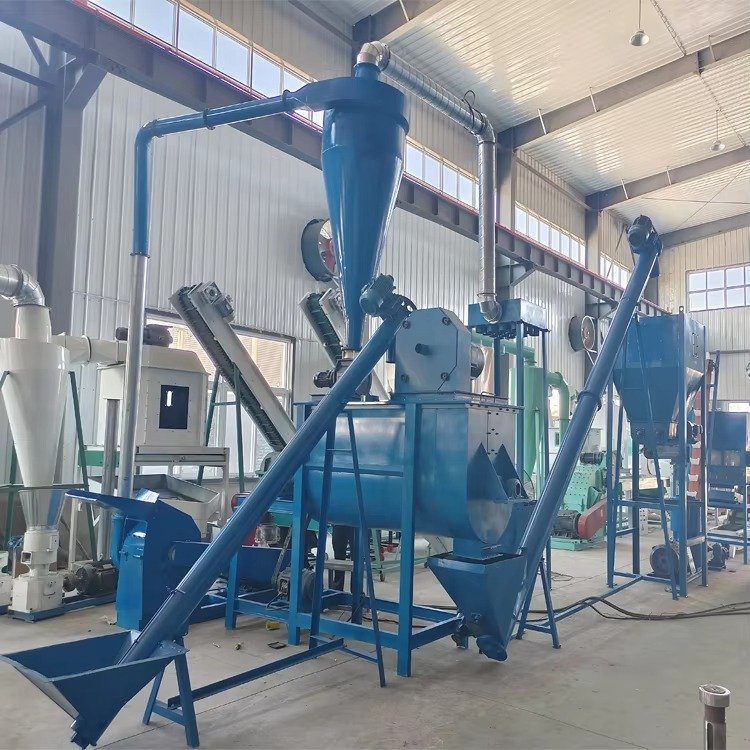
A functional fish feed production system extends beyond the extruder itself. Nigerian farmers need auxiliary equipment for efficient manufacturing. MAIKONG provides integrated solutions matching your scale and budget.
Essential Components of a Feed Production Line
Your complete system begins with raw material receiving and storage. Ingredient silos protect corn, soybean meal, and other materials from moisture and pests. A batching system measures precise quantities according to your formula requirements.
The mixing stage combines dry ingredients with micro-nutrients and oils. A ribbon mixer ensures homogeneous distribution of vitamins and minerals. This step critically affects final feed quality and consistency.
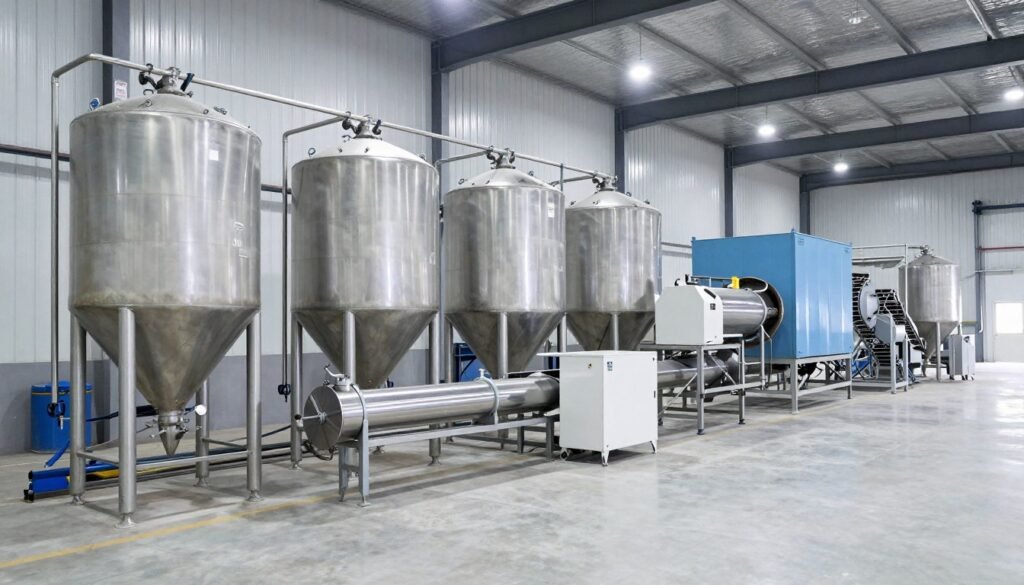
After extrusion, your wet feed pellets contain 18-25% moisture. A dryer reduces this to 10-12% for safe storage. Air-cooled or gas-fired dryers suit Nigerian conditions. Cooling equipment brings pellet temperature to ambient before packaging.
The final stage includes screening, oil coating (optional), and bagging. Automatic packaging machines fill 25kg or 50kg bags efficiently. Nigerian farmers selling commercial feed appreciate this automation for consistent bag weights.
Pre-Processing Equipment
Components preparing ingredients for extrusion:
- Grain crushers and hammer mills
- Ingredient storage silos
- Automatic batching scales
- High-efficiency ribbon mixers
Main Processing Line
Core equipment for pellet formation:
- Steam conditioner (wet type)
- Fish feed extruder machine
- Pellet dryer system
- Counter-flow cooler
Post-Processing Systems
Equipment for finished product handling:
- Vibrating screening machine
- Oil coating sprayer
- Automatic packaging machine
- Finished product storage
Auxiliary Equipment
Supporting systems for operation:
- Steam boiler (wet type lines)
- Air compressor system
- Dust collection units
- Control panel automation
Customization Options for Nigerian Market Needs
MAIKONG offers extensive customization of your fish feed pelleting machine 25 tonnes hour production line. We modify voltage specifications for Nigerian power supply. Equipment layout adapts to your available building space and workflow preferences.
Color customization allows brand identity incorporation. Nigerian distributors often request specific color schemes matching their marketing. Control systems feature English or local language interfaces upon request. Technical manuals translate to simplified English appropriate for Nigerian technicians.
Capacity scaling flexibility proves valuable as your business grows. Start with a basic 200 kg/hour system, then add auxiliary equipment to reach 500 kg/hour without replacing the main extruder. This phased investment approach suits Nigerian business conditions.
Step-by-Step Process for Importing Your Fish Feed Extruder to Nigeria
Importing manufacturing equipment from China requires careful planning. MAIKONG guides Nigerian buyers through each stage, minimizing delays and customs complications. Follow this proven process for smooth delivery.
Initial Inquiry and Technical Consultation
Contact MAIKONG through WhatsApp, email, or our website contact form. Provide details about your operation including fish species, current stock levels, target production volume, and budget range. Our team responds within 4-6 hours with preliminary recommendations.
A technical consultation follows via video call or detailed email exchange. We discuss your raw material availability in Nigeria, power supply situation, and installation space. This consultation ensures the recommended fish feed pelletizer machines in nigeria matches your specific requirements perfectly.
Quotation, Specification Review, and Order Placement
MAIKONG provides a detailed quotation including machine specifications, FOB price, estimated shipping cost to Lagos/Port Harcourt, and delivery timeline. The quote includes all components, spare parts kit, English operation manual, and installation guidance documents.
Review the technical specifications carefully. Confirm power requirements match your supply. Verify pellet size range covers your fish species needs. Check production capacity aligns with your feed consumption. Request modifications if necessary before finalizing the order.
Order placement requires a 30-40% deposit via wire transfer. MAIKONG begins manufacturing immediately upon deposit confirmation. Production typically takes 25-35 working days depending on customization requirements and current order volume.
- Submit Inquiry: Contact via WhatsApp +86 158 1555 6422 or email Lucy@pelletmachine.ng with your requirements
- Technical Consultation: Discuss specifications, capacity needs, and customization options with our engineers
- Receive Quotation: Review detailed pricing including equipment, shipping, and all accessories
- Confirm Order: Make 30-40% deposit payment to begin manufacturing your custom system
- Production Updates: Receive photos and videos during manufacturing process (weekly updates)
- Quality Inspection: Factory testing and trial run before shipping (video sent for approval)
- Shipping Arrangement: Pay balance and we arrange sea freight to Lagos or Port Harcourt
- Customs Clearance: We provide all necessary import documents and HS codes
- Delivery & Installation: Receive equipment and access our remote installation support
- Training & Startup: Video training for operation and maintenance procedures
Shipping, Customs, and Delivery to Your Location
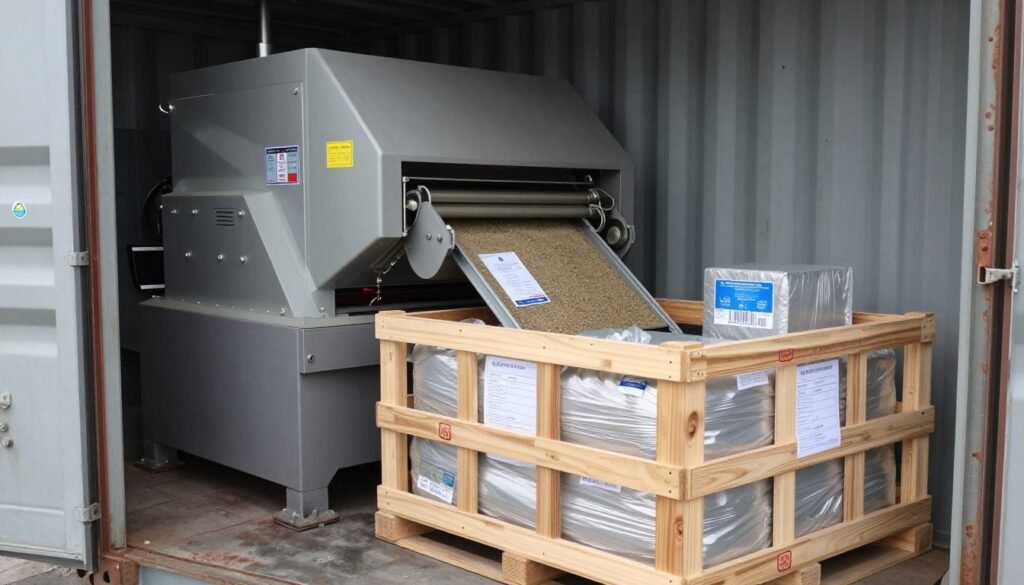
MAIKONG arranges sea freight to Apapa Port (Lagos) or Onne Port (Port Harcourt). Shipping duration averages 30-35 days from Chinese ports. We provide complete documentation including commercial invoice, packing list, bill of lading, and certificate of origin.
Nigerian customs classification for fish feed extruders typically falls under HS code 8436.29. Import duty rates vary from 5-10% depending on specific equipment category. Our documentation package facilitates smooth customs clearance through your clearing agent.
Delivery from port to your farm location requires arrangement with a Nigerian logistics company. MAIKONG recommends experienced clearing agents familiar with industrial machinery. Installation support includes video calls with our engineers and comprehensive manuals in English.
Ready to Import Your Fish Feed Extruder?
Get a detailed quotation including CIF price to Nigerian ports, complete technical specifications, and estimated delivery timeline. MAIKONG handles all export documentation and provides customs support.
Cost of a Pellet Machine for Fish Feed in Nigeria
Understanding total investment requirements helps Nigerian farmers plan financially. The cost of a pellet machine for fish feed extends beyond the purchase price to include shipping, installation, and operational expenses.
Initial Investment Breakdown by Capacity
Small-scale dry type extruders (100-150 kg/hour) range from ₦2,500,000 to ₦4,500,000 FOB China. Add approximately ₦800,000-₦1,200,000 for shipping and customs to Nigerian ports. Total landed cost reaches ₦3,300,000-₦5,700,000 before installation.
Medium-capacity wet type systems (500-800 kg/hour) cost ₦8,000,000-₦14,000,000 FOB. Shipping and import expenses add ₦2,500,000-₦4,000,000. Your total investment ranges from ₦10,500,000 to ₦18,000,000 for a complete system.
Large industrial lines (1,000+ kg/hour) require ₦18,000,000-₦35,000,000 depending on automation level and auxiliary equipment. These turnkey installations include all components from receiving to packaging. Nigerian commercial feed mills typically choose this category.
| System Size | Capacity | FOB Price | Shipping & Customs | Total Investment |
| Small Scale | 100-150 kg/hr | ₦2.5M – ₦4.5M | ₦800K – ₦1.2M | ₦3.3M – ₦5.7M |
| Medium Scale | 500-800 kg/hr | ₦8M – ₦14M | ₦2.5M – ₦4M | ₦10.5M – ₦18M |
| Large Scale | 1000+ kg/hr | ₦18M – ₦30M | ₦4M – ₦6M | ₦22M – ₦36M |
Operating Costs and Return on Investment
Daily operating costs include electricity, labor, and raw materials. A 500 kg/hour machine consuming 90 kW costs approximately ₦25,000-₦35,000 daily in electricity at Nigerian industrial rates. Generator operation increases this by 40-60% depending on fuel prices.
Labor requirements vary with automation level. Manual feeding systems need 3-4 workers per shift. Semi-automated lines operate efficiently with 2-3 workers. Fully automated systems require only 1-2 operators plus maintenance personnel.
Raw material costs dominate your production expenses. Producing 1 kg of quality catfish feed costs ₦280-₦350 using corn, soybean, fish meal, and additives at 2024 Nigerian market prices. Commercial feed sells for ₦450-₦550 per kg. Your profit margin reaches ₦100-₦200 per kg after all expenses.
A medium farm producing 500 kg daily generates ₦50,000-₦100,000 gross profit. Initial investment recovers in 6-12 months of consistent operation. This calculation assumes selling excess feed to neighboring farmers or operating a commercial feed business alongside your own farm.
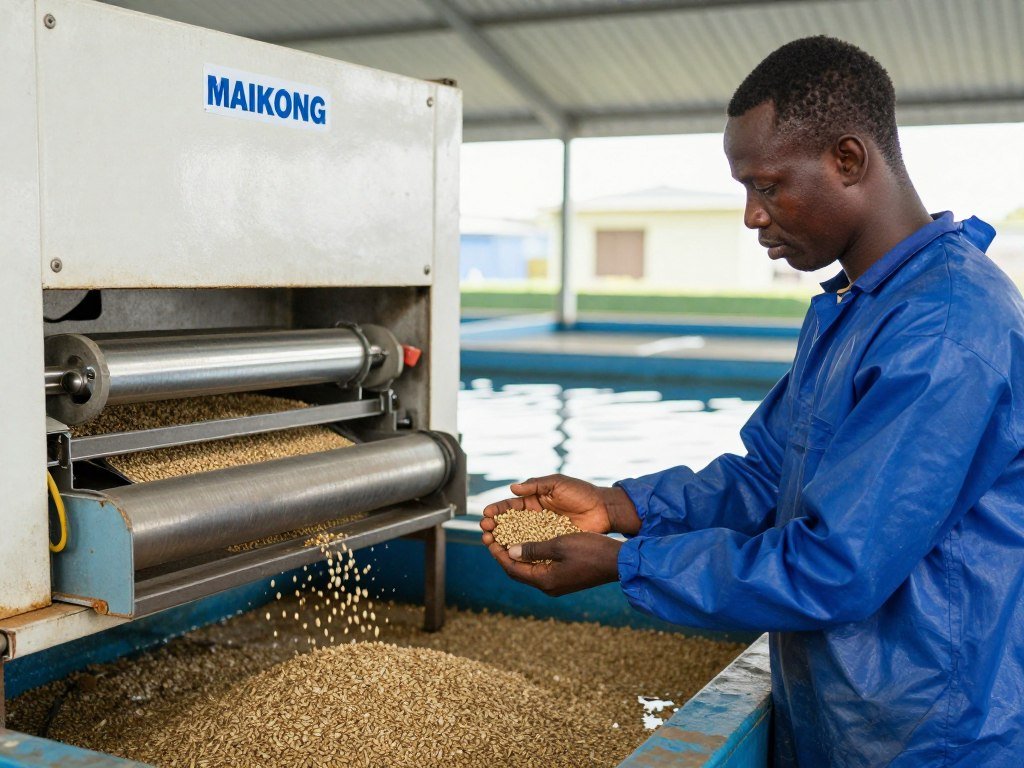
Why Nigerian Buyers Choose MAIKONG Fish Feed Extruder Systems
MAIKONG stands apart from other Chinese manufacturers through genuine understanding of Nigerian market requirements. Our 20-year manufacturing experience translates into reliable equipment designed for African operating conditions.
Quality Components and Durable Construction
Every MAIKONG feed extruder uses premium-grade stainless steel for food contact surfaces. The screw and barrel utilize alloy steel with specialized heat treatment. This ensures 8-10 years of service life even with continuous operation and abrasive ingredients.
German Siemens motors power our extruders, providing reliable performance despite voltage fluctuations common in Nigeria. Schneider electrical components throughout the control system deliver long-term durability. These quality choices minimize breakdowns and maximize your production uptime.
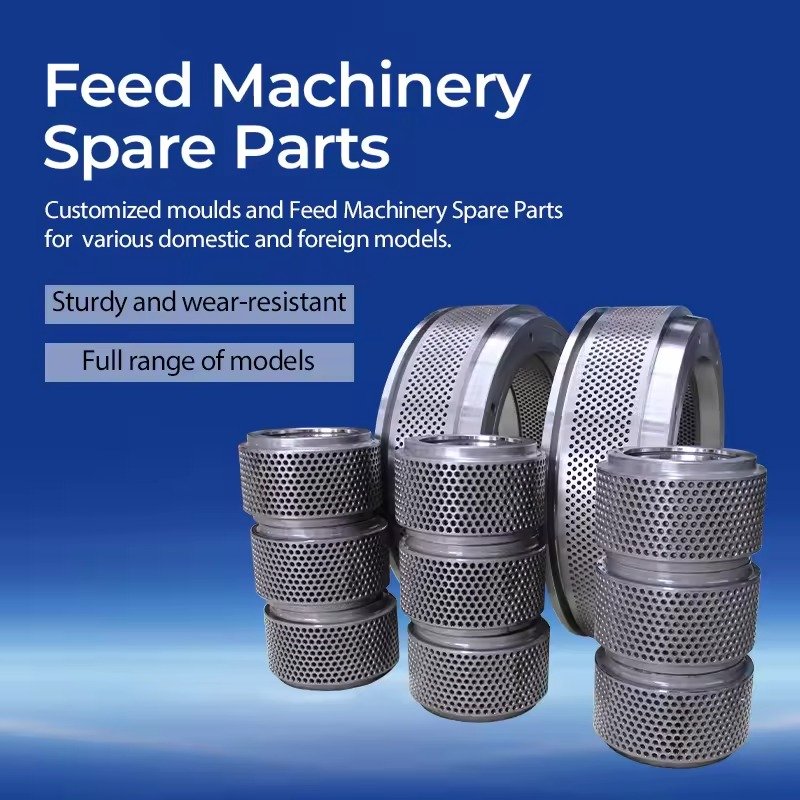
Our dies use imported tool steel with precise CNC machining. Each hole maintains uniform diameter for consistent pellet size. Nigerian farmers report 3-5 years of die life before replacement becomes necessary, significantly longer than competitor products.
Comprehensive Technical Support for Nigerian Operators
MAIKONG provides WhatsApp-based technical support in English throughout your machine lifetime. Our engineers respond to questions within 2-4 hours during Nigerian business hours. Video troubleshooting sessions resolve most issues without requiring on-site visits.
Installation guidance includes detailed video tutorials covering assembly, testing, and startup procedures. We provide operator training videos in clear English suitable for Nigerian technicians with basic mechanical knowledge. These resources ensure successful commissioning without expensive international technician deployment.
Spare parts availability sets MAIKONG apart from competitors. We maintain inventory of critical components including dies, bearings, seals, and electrical parts. Orders ship within 3-5 days via DHL or FedEx to Nigeria. This minimizes your production downtime during maintenance events.
Customization and OEM Partnership Opportunities
Nigerian distributors and agricultural equipment dealers benefit from MAIKONG’s flexible OEM arrangements. We customize machine appearance with your brand colors and logo placement. Control panel interfaces display your company name and contact information.
Exclusive territory agreements protect your market investment. MAIKONG supports Nigerian partners with technical training, marketing materials, and co-branded documentation. Distributor margins range from 25-40% depending on order volume and commitment level.
Volume discounts reward larger orders significantly. Purchase 3+ units and receive 8-12% discount off list prices. Orders of 10+ units qualify for 15-20% reduction plus free shipping to Nigerian ports. These economies of scale help you compete aggressively in the local market.
Become a MAIKONG Distributor in Nigeria
Join our network of successful Nigerian partners selling pellet machines and feed production systems. Earn attractive margins with full technical and marketing support. Exclusive territory opportunities available in major states.
Operating and Maintaining Your Fish Feed Extruder
Proper operation and maintenance extend your machine lifespan while maintaining feed quality. Nigerian farmers following MAIKONG’s guidelines achieve 10+ years of reliable service from their equipment.
Daily Operation Best Practices
Start your feed extruder with a warm-up period using rice bran or similar lubricating material. This prevents ingredient buildup and protects screw surfaces. Run the warm-up feed for 5-10 minutes before switching to your production formula.
Monitor barrel temperature zones continuously during production. Maintain setpoints within ±5°C for consistent pellet quality. Adjust feeder speed to maintain steady material flow without overloading the extruder. Listen for unusual sounds indicating blockages or mechanical problems.
Check pellet quality every 30 minutes during operation. Floating time, expansion ratio, and hardness should remain consistent. Variations indicate formula problems, die wear, or processing parameter drift requiring immediate attention.
Clean shutdown procedures protect your machine between production runs. Purge remaining feed material with rice bran or sawdust. This prevents hardened buildup inside the barrel. Allow the extruder to cool gradually rather than immediate shutdown.
Preventive Maintenance Schedule
Weekly maintenance includes lubrication of all bearings and moving parts. Check belt tension on drives and adjust as needed. Inspect dies for wear or damage, replacing when hole diameters exceed specifications by 10%.
Monthly tasks involve detailed inspection of screw segments and barrel liner. Measure wear depth at multiple points along the length. Replace components when wear reaches 15-20% of original dimensions to maintain pellet quality and prevent sudden failures.
Quarterly maintenance requires complete electrical system inspection. Check all connections for tightness and signs of overheating. Test safety interlocks and emergency stop functions. Clean dust from motor cooling fans and control panel ventilation.
Daily Maintenance Tasks
- Pre-operation warm-up procedure
- Monitor temperatures and pressures
- Check pellet quality samples
- Clean discharge area and screens
- Proper shutdown and purging
- Record production data
Weekly Maintenance Tasks
- Lubricate all bearing points
- Inspect and adjust drive belts
- Check die condition and wear
- Clean dust collection system
- Test safety mechanisms
- Inspect electrical connections
Common Issues and Troubleshooting
Pellets sinking instead of floating typically indicates insufficient expansion. Increase barrel temperature by 5-10°C or reduce feeder speed slightly. Check formula moisture content reaches 20-25% for wet type systems. Inadequate steam conditioning often causes this problem.
Excessive pellet hardness results from overcooking or too much pressure. Decrease barrel temperature settings gradually until achieving desired texture. Worn dies with enlarged holes reduce expansion and create dense pellets requiring replacement.
Inconsistent pellet length suggests cutter blade dullness or improper speed. Replace or sharpen cutter knives every 200-300 operating hours. Adjust cutter rotation speed to match extrudate flow rate for uniform cutting.
Motor overload situations stem from several causes. Check for material bridging in the hopper blocking flow. Inspect the barrel for foreign objects causing obstructions. Verify formula composition matches machine specifications, especially moisture and particle size.
Technical Support for Troubleshooting
Available Monday-Saturday 8AM-6PM Nigerian Time
Basic Fish Feed Formulation for Nigerian Species
Producing nutritionally balanced feed requires understanding ingredient options and species requirements. Nigerian farmers have access to excellent local raw materials for cost-effective formulations.
Common Nigerian Ingredients and Their Nutritional Values
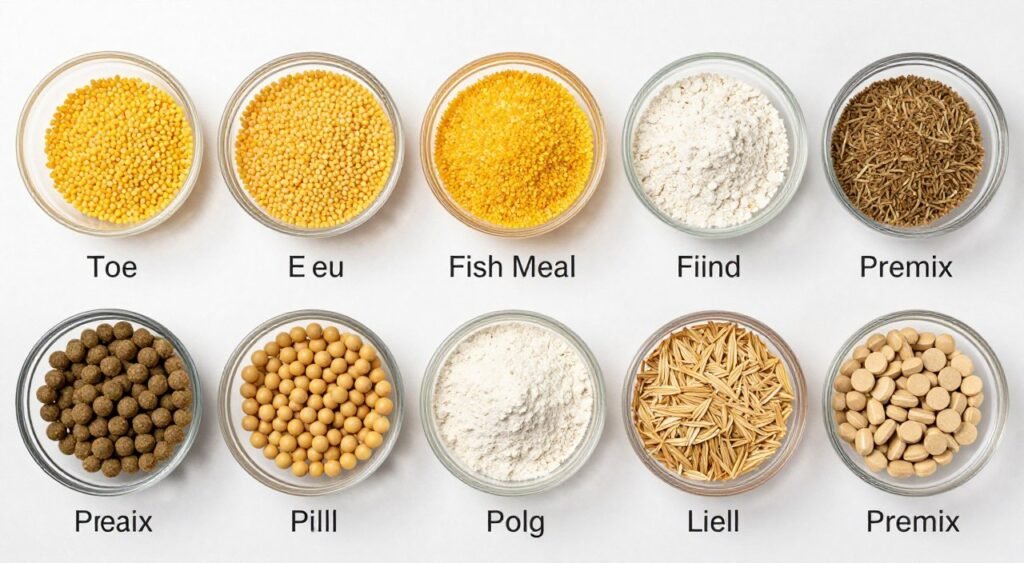
Corn serves as the primary energy source in most fish feed formulas. Nigerian yellow corn provides approximately 8-9% protein and 3.5-4% fat. It acts as the main binder during extrusion process, contributing to pellet structure and water stability.
Soybean meal delivers essential protein at 44-48% content. Local processing plants in Kaduna and Kano states supply quality soybean products. This ingredient balances amino acid profiles critical for fish growth and health.
Fish meal from Lagos coastal processors offers 60-65% protein with excellent digestibility. While expensive, inclusion at 10-20% significantly improves feed palatability and growth performance. Locally caught bonga and sardinella make cost-effective fish meal alternatives.
Wheat bran adds fiber and reduces feed cost. Nigerian mills produce abundant wheat bran as a byproduct. Limit inclusion to 10-15% to avoid excessive fiber affecting nutrient absorption. This ingredient improves pellet binding during processing.
| Ingredient | Protein % | Fat % | Typical Inclusion % | Nigerian Price/kg |
| Yellow Corn | 8-9% | 3.5-4% | 30-45% | ₦180-₦220 |
| Soybean Meal | 44-48% | 1-2% | 25-35% | ₦280-₦350 |
| Fish Meal | 60-65% | 8-10% | 10-20% | ₦650-₦850 |
| Wheat Bran | 14-16% | 3-4% | 5-15% | ₦120-₦160 |
| Groundnut Cake | 40-45% | 6-8% | 10-15% | ₦200-₦260 |
| Blood Meal | 80-85% | 1-2% | 2-5% | ₦450-₦600 |
Sample Formulations for Catfish and Tilapia
A basic 32% protein catfish grower feed uses this formulation: 35% corn, 30% soybean meal, 15% fish meal, 10% groundnut cake, 8% wheat bran, 1.5% vitamin-mineral premix, 0.5% salt. This produces cost-effective feed suitable for fish above 50 grams.
Higher protein starter feeds (40-42%) for catfish fry include: 25% corn, 35% soybean meal, 20% fish meal, 5% blood meal, 10% wheat bran, 4% soybean oil, 1% premix. The increased fish meal and blood meal support rapid early growth.
Tilapia feeds require slightly lower protein levels. A 28% protein formula works well: 40% corn, 25% soybean meal, 10% fish meal, 15% groundnut cake, 8% wheat bran, 1.5% premix, 0.5% salt. Tilapia tolerate higher plant protein sources effectively.
All formulas require grinding ingredients to 1-2mm particle size before mixing. Your manual fish feed pellet machine processes these prepared ingredients into consistent pellets matching fish size requirements.
Nigerian Success Stories with MAIKONG Fish Feed Extruder Systems
Real-world examples demonstrate the practical benefits Nigerian farmers achieve with MAIKONG equipment. These case studies show different scales and applications across Nigeria.
Medium-Scale Catfish Farm in Delta State
Mr. Emeka operates a 50-ton catfish farm near Warri. He purchased a MAIKONG 500 kg/hour wet type fish extruder in 2022. His previous reliance on commercial feed cost ₦450 per kg, consuming ₦675,000 monthly for 1,500 kg daily consumption.
After installing the MAIKONG system, his production cost dropped to ₦310 per kg including all expenses. Monthly feed costs reduced to ₦465,000, saving ₦210,000 each month. The machine investment of ₦12,500,000 recovered in just 5 months of operation.
Mr. Emeka now produces excess feed for three neighboring farmers, generating additional income of ₦180,000 monthly. His fish growth rates improved by 15% due to fresher feed with better nutrient retention. Mortality rates decreased from 12% to 7% with improved feed quality.
“The MAIKONG extruder transformed my farm business completely. I control my feed costs now instead of depending on expensive commercial suppliers. The technical support helped me optimize formulas for Nigerian ingredients. My profits increased by over 40% in the first year.”
Commercial Feed Mill in Ogun State
Green Valley Farms established a commercial feed production facility using MAIKONG 1,200 kg/hour complete line. Their investment totaled ₦28,000,000 including all auxiliary equipment, building modifications, and working capital.
The operation serves 40+ fish farmers within 50 km radius. Daily production reaches 8,000 kg across multiple formulations for different species and growth stages. Revenue averages ₦3,600,000 monthly with profit margins of 25-30% after all expenses.
MAIKONG’s customization included 415V electrical specification matching Nigerian industrial supply and a control system with user-friendly English interface. Installation support via video calls enabled successful commissioning without international technician deployment, saving substantial costs.
Integrated Fish and Poultry Farm in Kano State
Alhaji Ibrahim combines catfish aquaculture with poultry farming. His MAIKONG single screw fish extruder serves dual purposes producing both floating fish feed and chicken pellets. The versatility maximizes equipment utilization and investment return.
Monthly production includes 6,000 kg fish feed and 4,000 kg poultry feed using the same machine with different dies and formulations. This integrated approach achieves remarkable efficiency. The farm became completely self-sufficient in feed supply while selling excess to the local agricultural cooperative.
Frequently Asked Questions About Fish Feed Extruder Purchase
What is the minimum order quantity for MAIKONG fish feed extruders?
MAIKONG accepts orders for single units with no minimum quantity requirement. Nigerian farmers can purchase one machine to start their feed production. However, ordering multiple units qualifies you for volume discounts of 8-20% depending on quantity. We encourage farmers to connect with others in their area to place combined orders for better pricing.
How long does shipping take from China to Nigeria?
Sea freight from Chinese ports to Lagos Apapa Port or Port Harcourt Onne Port typically requires 30-35 days. Manufacturing takes 25-35 working days after deposit payment. Total timeline from order confirmation to delivery at Nigerian port averages 60-70 days. We provide tracking information and regular shipping updates throughout the process.
What warranty coverage does MAIKONG provide?
All MAIKONG fish feed extruder systems include comprehensive 12-month warranty from installation date. This covers manufacturing defects in materials and workmanship. Wearing parts like dies, screens, and belts have separate 3-6 month coverage. Extended warranty options up to 36 months are available for additional cost. Technical support continues throughout your machine lifetime regardless of warranty status.
Can the extruder handle locally available Nigerian ingredients?
Yes, MAIKONG extruders process all common Nigerian raw materials including corn, soybean meal, groundnut cake, wheat bran, cassava flour, and fish meal. Our machines handle both conventional and alternative ingredients. We provide formula consultation to optimize use of locally available, cost-effective ingredients specific to your region in Nigeria.
What technical training is included with purchase?
MAIKONG provides comprehensive video-based training covering operation, maintenance, troubleshooting, and formula optimization. Training materials include English-language manuals, video tutorials, and live WhatsApp consultation with our engineers. We offer additional on-site training in Nigeria for large installations at extra cost. Most customers successfully operate their equipment using our remote training resources.
How quickly can I get spare parts in Nigeria?
Critical spare parts ship from China via DHL or FedEx within 3-5 days of order. Delivery to Nigerian addresses takes 4-7 days typically. We recommend maintaining basic spare parts inventory including dies, bearings, and seals to minimize downtime. MAIKONG also works with Nigerian distributors who stock common replacement parts for faster local availability.
What power supply requirements should I prepare?
Standard MAIKONG extruders operate on 380V three-phase power. We customize voltage to 415V for Nigerian industrial installations upon request. Ensure stable power supply or adequate generator capacity exceeding motor rating by 30-40%. We provide detailed electrical specifications with your order for proper installation preparation. Single-phase options available for smaller capacity units below 200 kg/hour.
Can I visit MAIKONG factory before ordering?
Nigerian buyers are welcome to visit our manufacturing facility in China. We arrange factory tours, equipment demonstrations, and technical consultations. Contact us at least 2 weeks advance to schedule your visit. Alternatively, we provide comprehensive video factory tours via WhatsApp or Zoom showing production, quality control, and testing procedures for customers unable to travel.
What payment methods does MAIKONG accept?
We accept international wire transfer (T/T) as the primary payment method. Standard terms require 30-40% deposit to begin manufacturing and 60-70% balance before shipping. Letter of Credit (L/C) available for orders exceeding ,000 USD. Payment in US Dollars, Euros, or Chinese Yuan accepted. We provide official commercial invoices for all transactions and customs documentation.
How do I become a MAIKONG distributor in Nigeria?
Nigerian entrepreneurs interested in distributorship should contact us via email at Lucy@pelletmachine.ng or WhatsApp +86 158 1555 6422. We evaluate applications based on business experience, market reach, technical capability, and investment capacity. Distributors receive exclusive territory rights, technical training, marketing support, and attractive profit margins of 25-40%. Minimum initial order requirements apply for distributor agreements.
Contact MAIKONG for Your Fish Feed Extruder Solution
Ready to transform your Nigerian fish farming operation with reliable, cost-effective feed production? MAIKONG provides complete solutions from equipment supply to technical support. Our team understands Nigerian market requirements and agricultural conditions.

Multiple Contact Channels for Your Convenience
Reach our Nigerian market specialists through your preferred communication method. We respond to all inquiries within 4-6 hours during business days. Technical questions receive priority handling from our engineering team.
Sales & General Inquiries
Contact our sales team for quotations, specifications, and purchasing information.
- Email: Lucy@pelletmachine.ng
- WhatsApp: +86 158 1555 6422
- Website: pelletmachine.ng
- Response Time: 4-6 hours
Technical Support
Connect with our engineers for technical guidance, troubleshooting, and operational advice.
- WhatsApp Support: +86 15815556422
- Available: Monday-Saturday
- Hours: 8:00 AM – 6:00 PM Nigerian Time
- Services: Installation, operation, maintenance guidance
Important Resources and Information Pages
Explore our comprehensive website for detailed product information, company background, and business opportunities. Each page provides valuable information for Nigerian buyers considering pellet machine investment.
- Product Catalog: Complete Pellet Machine Range
- Fish Feed Machines: Fish Feed Pellet Machine Details
- Pricing Information: Pelleting Machine Prices in Nigeria
- About MAIKONG: Company Profile & Experience
- Distributor Program: Partnership Opportunities
- OEM Services: Custom Manufacturing
- Order Process: How to Order Guide
- Contact Form: Send Detailed Inquiry
Get Your Customized Fish Feed Extruder Quote Today
Receive a detailed quotation tailored to your specific requirements including capacity needs, voltage specifications, and shipping to your Nigerian location. Our team provides complete cost breakdown and delivery timeline estimates.
Making the Right Fish Feed Extruder Investment Decision
Selecting the appropriate fish feed extruder significantly impacts your Nigerian aquaculture profitability. Quality equipment from MAIKONG provides 10+ years of reliable service when properly maintained. Your investment recovers quickly through reduced feed costs and improved fish growth performance.
Consider your current and projected production needs carefully. Small farmers benefit from starting with dry type systems and expanding later. Commercial operations achieve better economics with complete wet type lines from the beginning. MAIKONG offers solutions across all scales with customization for Nigerian conditions.
Technical support availability proves crucial for Nigerian buyers. MAIKONG’s WhatsApp-based assistance overcomes distance challenges effectively. Our English-language training materials suit Nigerian technical personnel. Spare parts availability through express shipping minimizes your downtime concerns.
Take action now to control your feed costs and improve farm profitability. Contact MAIKONG today for personalized consultation on the ideal catfish feed pellet machine for your specific requirements. Our 20 years of manufacturing experience ensures you receive proven, reliable equipment designed for African agricultural conditions.
Join successful Nigerian farmers already producing their own high-quality fish feed with MAIKONG extruders. Transform your aquaculture business through self-sufficient feed production. Your journey to reduced costs and increased profits begins with one conversation with our team.
Start Your Fish Feed Production Journey
WhatsApp Available 24/7 for Nigerian Customers