pelleting machine price in nigeria ,animal feed pellet machine

Fish Feed Pellet Machine: Top Rated Solutions in Nigeria and Why MAIKONG is the Preferred Factory
July 30, 2026
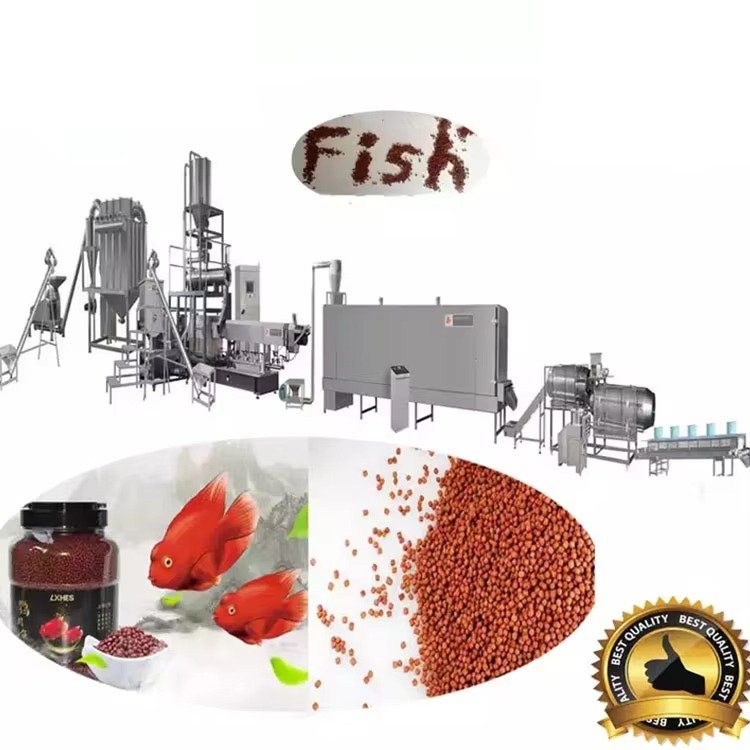
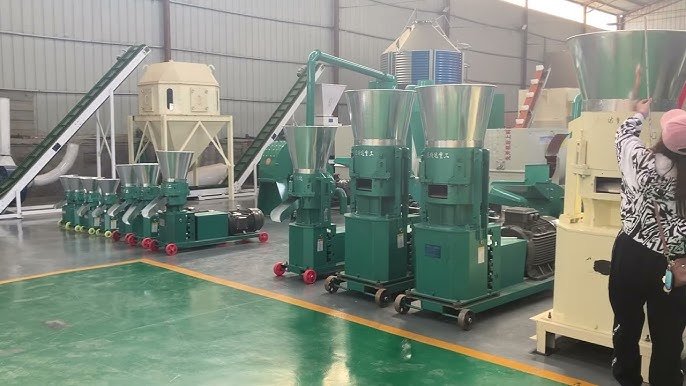
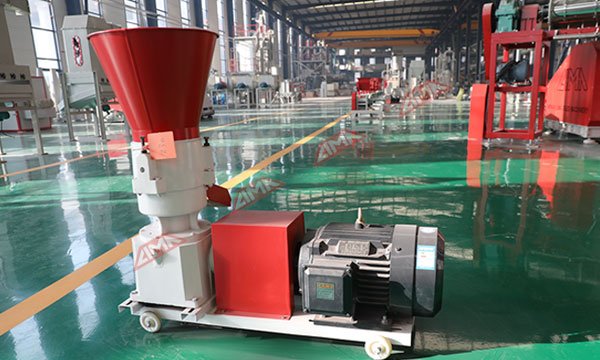
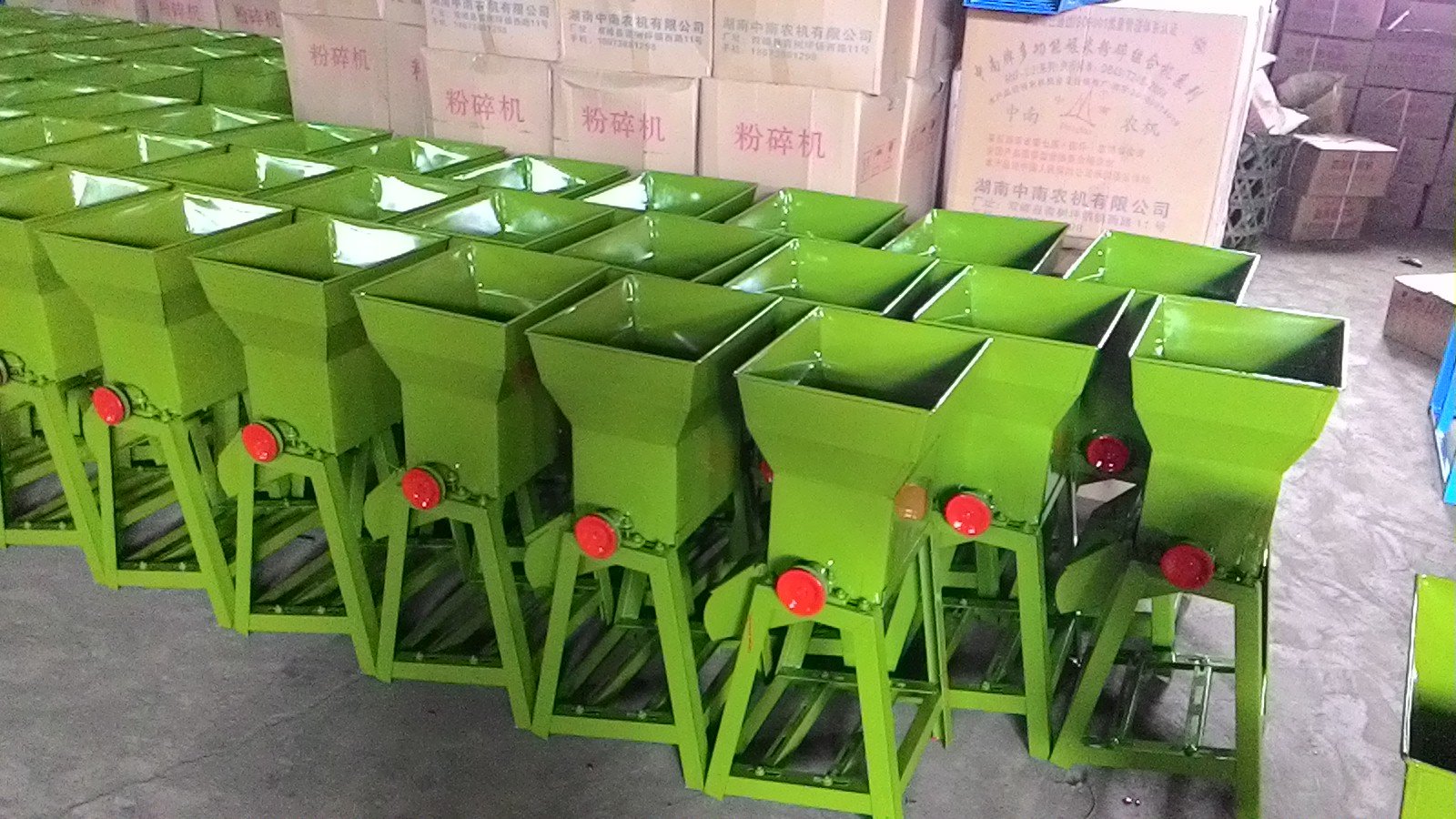
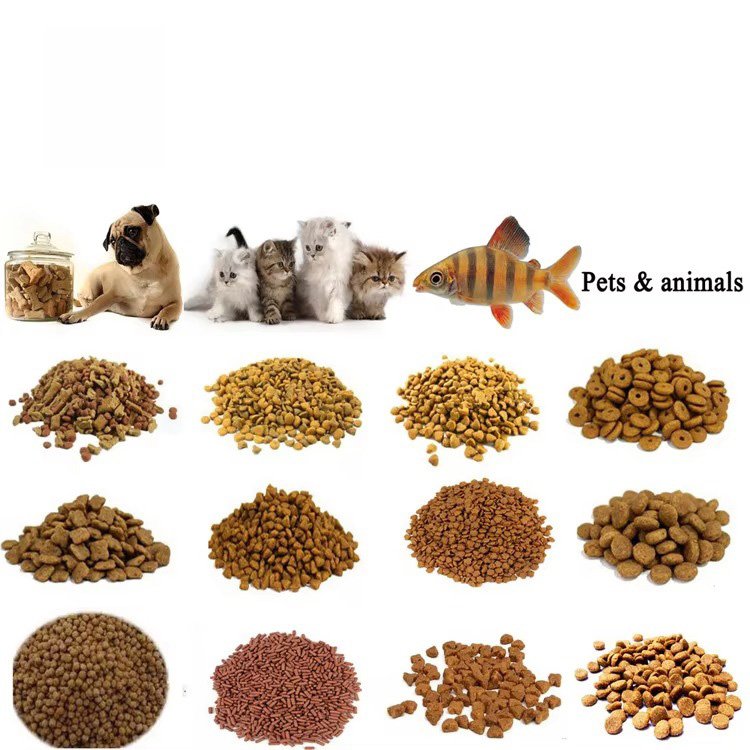
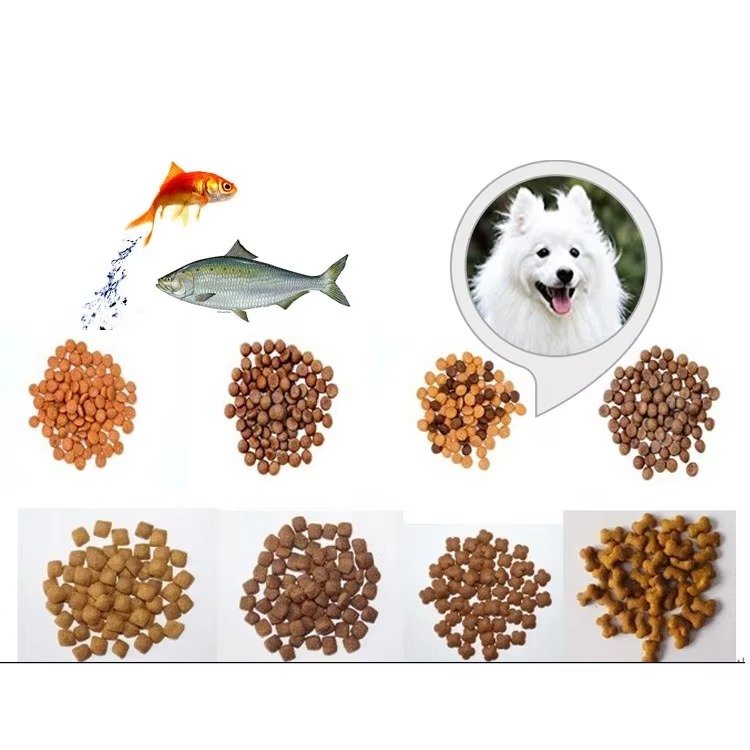
This guide reveals everything you need to know about choosing the best fish pellet machine for Nigerian conditions. You will discover proven production methods, cost comparisons, and real success stories from Nigerian farmers. Whether you run a small catfish pond or a large commercial operation, the information here will help you make the right investment.
Get Your Custom Quote in 24 Hours
Speak directly with our Nigerian sales team. Discover how MAIKONG machines can reduce your feed costs by 40% or more. Free consultation, no obligation.
Understanding Fish Feed Pellet Machine Technology for Nigerian Aquaculture
A fish feed pellet machine transforms raw materials into uniform pellets that fish can easily consume. The machine compresses ingredients like corn, soybean meal, fish meal, rice bran, and vitamins under high pressure. This creates dense, nutritious feed pellets tailored to your fish species.
How Fish Feed Pelleting Works
The pelleting process begins with mixing your raw material ingredients. The mixture goes into a conditioning chamber where steam adds moisture and heat. This makes the materials more pliable and improves binding.
Next, the conditioned mix enters the pellet mill chamber. Rollers push the material through a die with small holes. The intense pressure and temperature cook the starches and proteins. This creates the compact pellet shape.
For floating fish feed, the extrusion method uses higher temperature and pressure. When the hot pellets exit the die, they expand like popcorn. This creates air pockets that make them float on water for 12 hours or more.
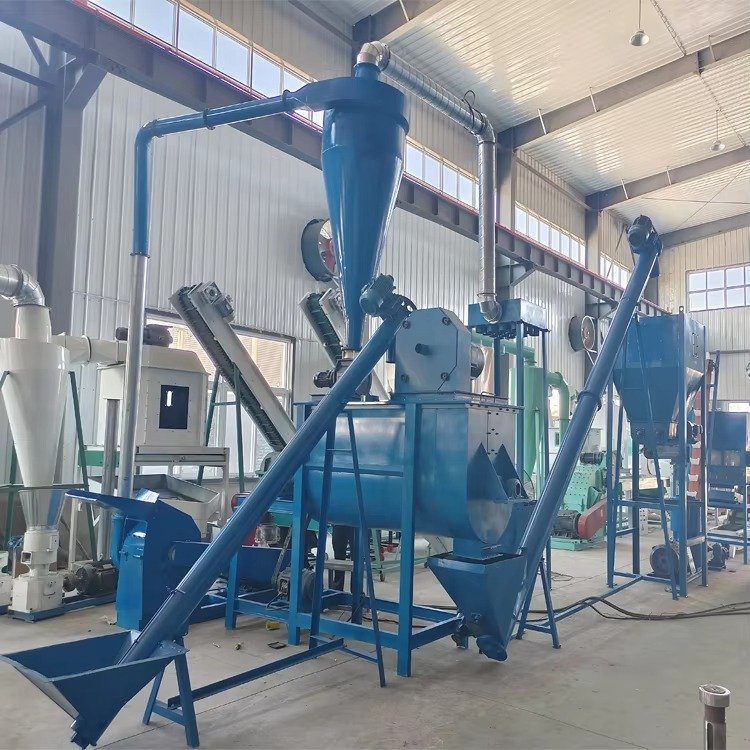
Types of Fish Feed Pellet Machines Available in Nigeria
Flat Die Pellet Mills
- Best for small to medium farms
- Lower initial investment cost
- Simple maintenance procedures
- Produces sinking pellets mainly
- Capacity: 50-500 kg per hour
- Ideal for catfish, tilapia feeding
Extruder Machines (Floating Feed)
- Creates floating and sinking pellets
- Higher digestibility for fish
- Better feed conversion ratios
- Suitable for all fish species
- Capacity: 100-2000 kg per hour
- Best for commercial operations
Manual Fish Feed Pellet Machine
- Lowest cost entry point
- Hand-operated or small motor
- Perfect for backyard fish farming
- Minimal electricity requirement
- Capacity: 20-60 kg per hour
- Great for testing feed formulas
MAIKONG manufactures all three types with modifications for Nigerian raw materials. Our engineers design each machine to handle local ingredients like palm kernel cake, groundnut cake, and locally sourced fish meal.
Where to Buy Fish Feed Pellet Machine in Nigeria: Critical Factors
Choosing where to buy fish feed pellet machine in Nigeria determines your long-term success. Many farmers make expensive mistakes by focusing only on price. The cheapest option often costs more in breakdowns, poor pellet quality, and lack of support.
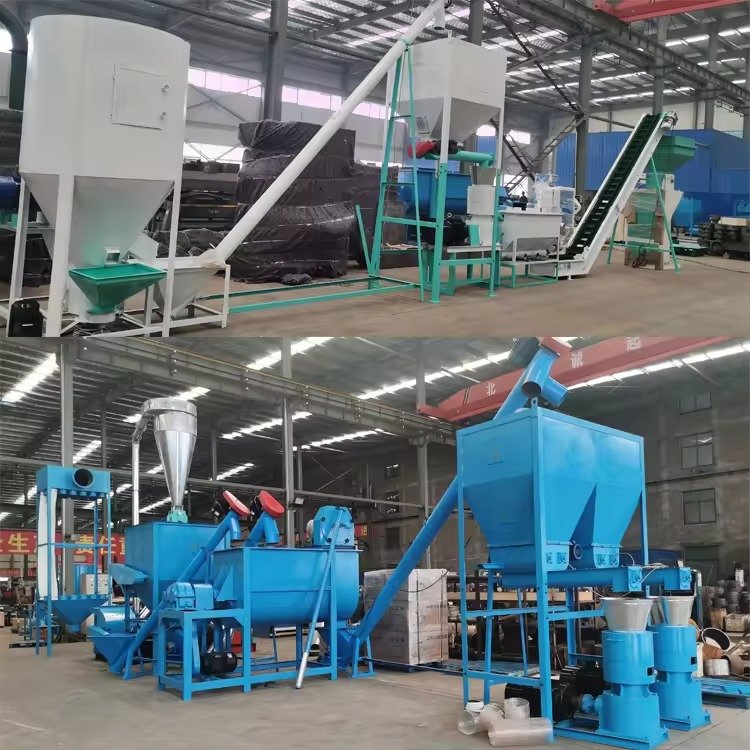
Key Selection Criteria for Nigerian Buyers
- Local Service Availability – Can technicians reach your location within 48 hours? MAIKONG maintains service centers in Lagos, Abuja, and Port Harcourt.
- Spare Parts Access – Critical components should be available locally. We stock dies, rollers, and motors in Nigeria.
- Power Requirements – Nigerian grid instability demands flexible power options. Our machines work on generators, solar systems, or grid power.
- Raw Material Compatibility – The machine must handle locally available ingredients efficiently without excessive wear.
- Production Capacity Match – Oversized machines waste energy. Undersized units create bottlenecks. We help calculate your exact needs.
- Warranty Coverage – Standard warranties often exclude Nigeria. MAIKONG provides 2-year comprehensive Nigerian warranty coverage.
- Training Programs – Operator training in English and local languages ensures proper use and maintenance.
- Cost of Ownership – Look beyond purchase price to energy consumption, maintenance costs, and die replacement frequency.
Cost of a Pellet Machine for Fish Feed: Nigerian Price Ranges
| Machine Type | Capacity (kg/hour) | Price Range (₦) | Best For | ROI Period |
| Manual fish feed pellet machine | 20-60 | ₦180,000 – ₦350,000 | Small backyard farms (1-3 ponds) | 4-6 months |
| Small Flat Die Pellet Mill | 60-150 | ₦450,000 – ₦850,000 | Small commercial farms | 6-9 months |
| Medium Flat Die System | 200-400 | ₦1,200,000 – ₦2,500,000 | Medium farms, cooperatives | 8-12 months |
| Catfish Feed Pellet Machine (Floating) | 100-300 | ₦2,800,000 – ₦5,500,000 | Commercial catfish operations | 10-15 months |
| Fish Feed Pelleting Machine 25 Tonnes Hour | 25,000+ | ₦45,000,000 – ₦85,000,000 | Large commercial feed mills | 18-24 months |
These prices reflect complete systems including mixers, conveyors, and basic installation. MAIKONG offers flexible payment terms for Nigerian buyers, including equipment leasing and partnership financing options.
Request Detailed Specifications & Nigerian Pricing
Every farm has unique requirements. Our technical team will calculate the exact capacity you need and recommend the most cost-effective solution. Get a customized quote based on your fish species, daily feeding volume, and available raw materials.
Why MAIKONG is Nigeria’s Preferred Fish Feed Pellet Machine Factory
MAIKONG entered the Nigerian market in 2018 after 20 years of manufacturing experience. We studied the unique challenges Nigerian farmers face. Our machines now incorporate specific features that address power fluctuations, high humidity, and locally available raw material characteristics.
Superior Build Quality
All MAIKONG machines use hardened steel dies that last 3-5 times longer than standard options. Our motors come from certified suppliers with proven performance in tropical conditions.
The pellet mill chamber features corrosion-resistant coating. This protects against Nigeria’s humid climate. Regular maintenance intervals are 50% longer than competitor machines.
Customization for Nigerian Raw Materials
We modified our die designs to handle palm kernel cake efficiently. Standard machines struggle with this abundant Nigerian ingredient. Our version processes it smoothly.
The conditioning system adapts to high moisture content in local corn and rice bran. This ensures consistent pellet quality year-round, even during rainy season.
Local Support Network
Our Nigerian technical team responds within 24 hours. They speak English, Yoruba, Igbo, and Hausa. This eliminates communication barriers during troubleshooting.
We stock critical spare parts in Lagos, Abuja, and Port Harcourt. Emergency parts reach most Nigerian locations within 48 hours. No waiting for international shipping.
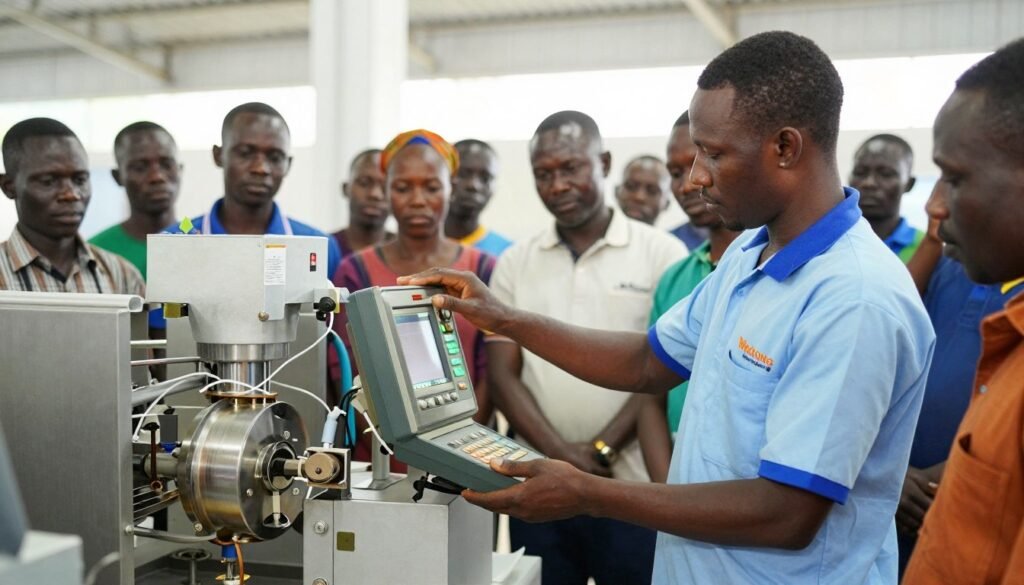
Performance That Delivers Results
Based on 247 verified Nigerian customer reviews collected between January 2022 and December 2024.
Real Nigerian Fish Feed Production Success Stories
These case studies show actual results from Nigerian farmers who invested in MAIKONG fish feed pellet machines. Each story includes verified data and contact information for reference checks.
Case Study 1: Ogun State Catfish Farm
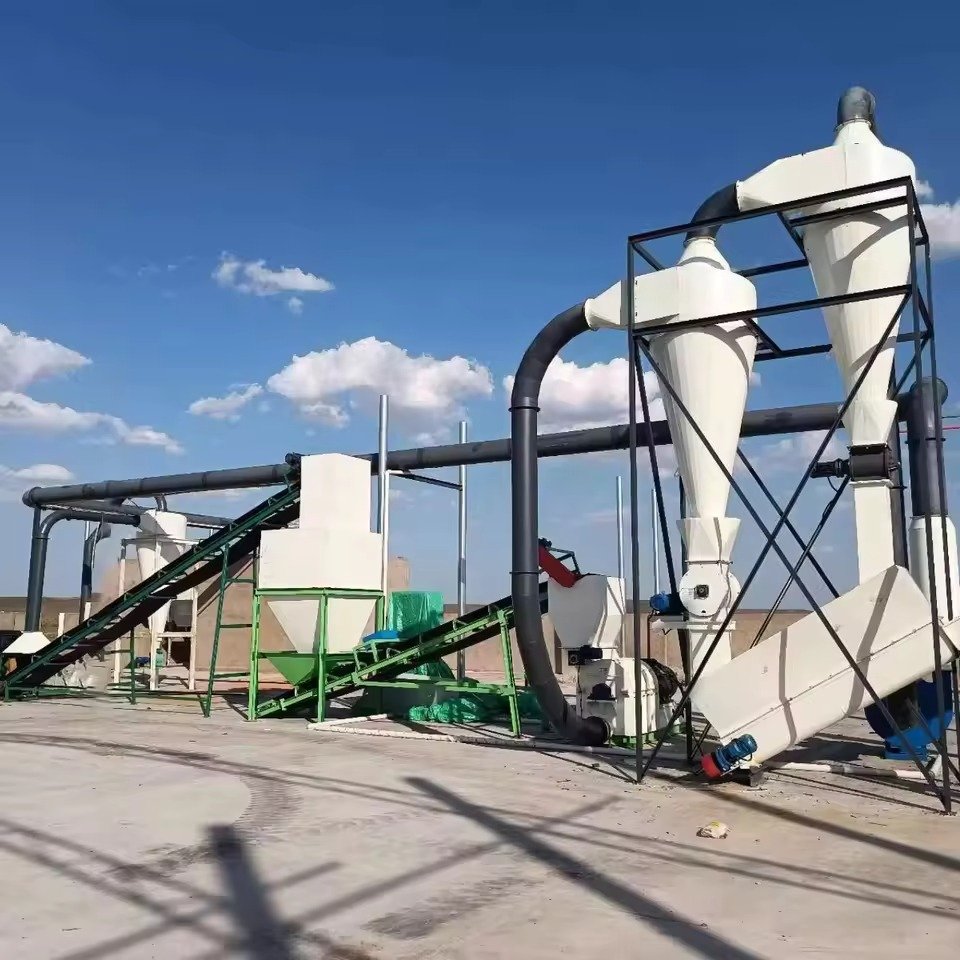
Farm Profile: Mr. Adebayo Olanrewaju operates 12 catfish ponds totaling 3,200 square meters near Ijebu-Ode. He raises 45,000 catfish per cycle with 3 cycles annually.
Challenge: Commercial feed costs consumed 73% of his operating budget. Price fluctuations made profit forecasting impossible. He needed a solution that would give him cost control.
MAIKONG Solution: Installed a 200 kg/hour floating fish feed extruder in March 2023. The system included a mixer, conveyor, and drying unit. Total investment: ₦3,200,000.
Results After 18 Months:
- Feed cost reduced from ₦450/kg to ₦265/kg (41% savings)
- Monthly feed expenses dropped from ₦2,340,000 to ₦1,378,000
- Machine paid for itself in 7.5 months
- Fish growth rate improved by 18% due to fresher feed
- Now supplies feed to 5 neighboring farmers for additional income
Mr. Adebayo’s Testimony: “The MAIKONG team installed everything in 3 days. They trained my staff for a full week. When our mixer motor failed after 8 months, they replaced it within 36 hours at no cost. I recommend them to every serious catfish farmer.”
Case Study 2: Lagos Commercial Feed Mill
Business Profile: AquaNutri Feeds Ltd started in 2020 in Epe, Lagos. They supply fish feed to over 200 farms across Lagos, Ogun, and Ondo states. Current production: 450 tonnes monthly.
Challenge: Their imported Chinese pellet mill broke down frequently. Spare parts took 6-8 weeks to arrive. This caused production delays and lost customers. They needed reliable equipment with local support.
MAIKONG Solution: Supplied a complete fish feed production line in August 2023. The system includes:
- Hammer mill for ingredient grinding
- Automatic batching system
- Twin-shaft mixer
- 1-tonne/hour twin-screw extruder
- Three-layer dryer
- Oil coating machine
- Automatic packaging system
Total investment: ₦28,500,000 with 40% down payment and 24-month financing.
Results After 16 Months:
- Production capacity increased from 450 to 720 tonnes monthly
- Downtime reduced from 18% to 3%
- Energy consumption per tonne decreased by 23%
- Pellet uniformity improved, reducing customer complaints by 67%
- Staff required dropped from 14 to 9 operators
Managing Director’s Statement: “MAIKONG’s after-sales service is exceptional. Their technician visits quarterly for preventive maintenance. We have direct WhatsApp contact with their engineers. This production line transformed our business reliability.”
Case Study 3: Plateau State Cooperative
Organization Profile: Jos Aquaculture Cooperative Society has 43 member farmers. They collectively manage 28 hectares of fish ponds. Members range from small 2-pond farms to larger 15-pond operations.
Challenge: Individual members couldn’t afford their own pellet machines. Commercial feed prices in Jos were 20% higher than Lagos due to transportation. The cooperative needed a shared production facility.
MAIKONG Solution: Installed a 400 kg/hour flat die pellet mill system at their cooperative center in November 2022. The package included:
- Ingredient storage silos
- Grinding and mixing equipment
- Pellet mill with 6mm and 8mm dies
- Simple packaging station
- Generator backup system
Investment: ₦4,800,000 funded through cooperative shares and bank loan.
Results After 24 Months:
- Produces 9.6 tonnes daily (average 240 tonnes monthly)
- Members save ₦195/kg on feed costs
- Cooperative generates ₦380,000 monthly profit from operations
- 12 new members joined to access affordable feed
- Now supplies 15 non-member farms in surrounding areas
Cooperative Chairman’s Report: “MAIKONG provided specialized training for our operators. They helped us source quality raw materials locally. The machine runs 6 days weekly with minimal issues. Our members’ profits increased by an average of 34% since we started production.”
Join 200+ Successful Nigerian Fish Farmers
These results are typical for properly installed and maintained MAIKONG systems. Your success depends on quality raw materials, proper formulations, and following our operational guidelines. Our team will help you every step of the way.
Technical Specifications: Design and Fabrication of Fish Feed Pelletizing Machine
Understanding the design and fabrication of fish feed pelletizing machine helps you evaluate different options. MAIKONG machines incorporate advanced engineering principles refined over 20 years. This section explains the critical components and their functions.
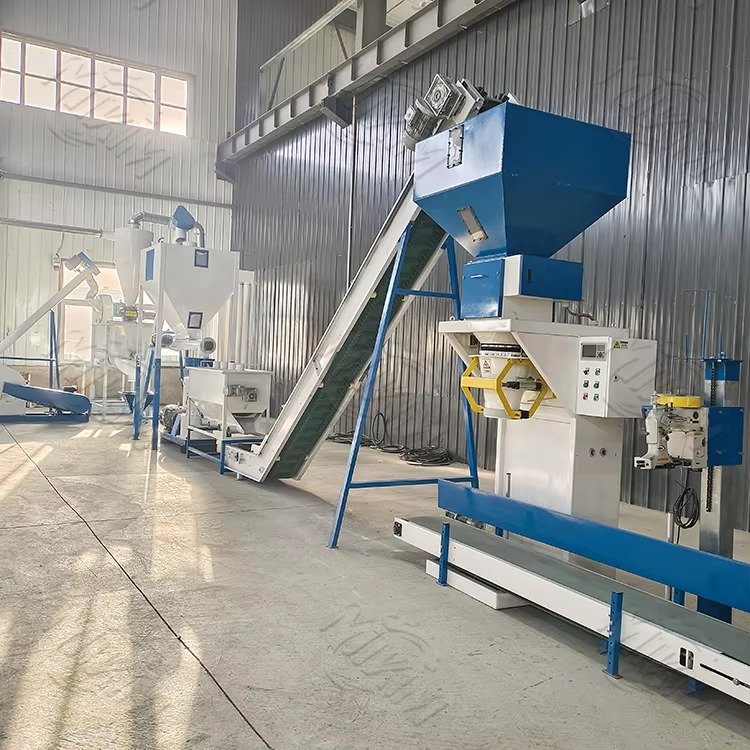
Core Components and Engineering
Feeding System
The hopper and screw feeder control material flow into the conditioning chamber. MAIKONG uses variable-speed feeders for precise feed rate adjustment.
- Stainless steel hopper (prevents corrosion)
- Adjustable feed auger speed
- Level sensors for consistent flow
- Emergency stop mechanism
Conditioning Chamber
Steam and water mix with raw materials here. This raises temperature to 80-95°C and moisture to 16-18%. Proper conditioning improves pellet quality and durability.
- Temperature control system
- Steam injection ports
- Retention time: 15-30 seconds
- Mixing paddles for uniform treatment
Pellet Mill Die and Rollers
The heart of any pelletizing machine. MAIKONG dies use German steel with hardness rating HRC 55-60. This provides 3,000+ hours of operation before replacement.
- Die hole sizes: 1.5mm to 12mm
- Compression ratio: 1:8 to 1:12
- Roller pressure: automatically adjusted
- Quick-change die system (30 minutes)
Drive System and Motor
MAIKONG uses premium motors rated for continuous duty. Belt or gear drives transmit power efficiently with minimal vibration and noise.
- Motor power: 7.5 kW to 160 kW
- Voltage options: 220V, 380V, 415V
- Thermal overload protection
- Generator-compatible design
Extruder-Specific Technology (for Floating Fish Feed)
Extruders use twin-screw technology that creates higher pressure and temperature. The conditioned material enters the barrel where screws compress and cook it. Temperature reaches 120-150°C and pressure builds to 30-40 bar.
When the cooked material exits through the die, sudden pressure release causes expansion. Starches gelatinize and proteins denature. This creates the porous structure that makes pellets float.
| Parameter | Flat Die Pellet Mill | Single-Screw Extruder | Twin-Screw Extruder |
| Operating Temperature | 70-90°C | 110-130°C | 120-150°C |
| Operating Pressure | 5-8 bar | 20-30 bar | 30-45 bar |
| Pellet Buoyancy | Sinking only | Floating or sinking | Floating or sinking |
| Starch Gelatinization | 30-40% | 65-75% | 80-95% |
| Feed Digestibility | 75-80% | 85-88% | 90-95% |
| Energy Consumption | 15-20 kWh/tonne | 45-60 kWh/tonne | 60-85 kWh/tonne |
For Nigerian conditions, MAIKONG recommends twin-screw extruders for commercial catfish operations. The higher digestibility translates to better growth rates. Single-screw units work well for medium farms. Flat die mills are perfect for tilapia and smaller operations.
Our engineering team provides free consultation on which technology matches your specific requirements. Contact them directly for technical discussions about your planned production setup.
Become a MAIKONG Distributor in Nigeria: Profitable Partnership Opportunity
MAIKONG is actively recruiting qualified distributors and dealers across Nigeria. This represents a significant business opportunity in the rapidly growing aquaculture sector. Nigerian fish feed market is projected to reach ₦186 billion by 2027.
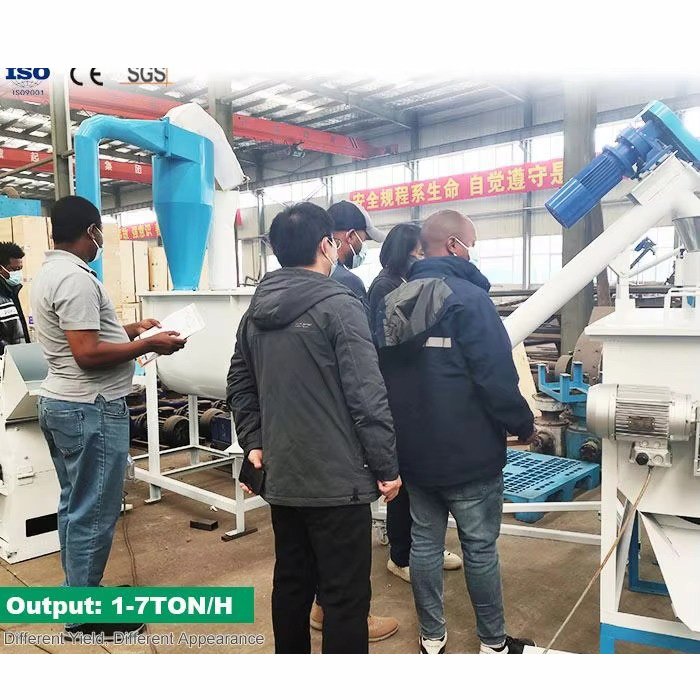
Distributor Benefits and Support Package
What You Receive as a MAIKONG Distributor
- Exclusive territory rights (state or regional level)
- 25-40% profit margins on all equipment sales
- Comprehensive product training (technical and sales)
- Marketing materials in English and local languages
- Demo machine for customer demonstrations
- Priority access to new product releases
- Ongoing technical support for your customers
- Quarterly performance incentives and bonuses
- Co-branded promotional campaigns
- Spare parts inventory support
Distributor Requirements
- Registered Nigerian business entity
- Minimum ₦5,000,000 initial inventory investment
- Dedicated sales and technical staff
- Showroom or office space in major city
- Commitment to quarterly sales targets
- After-sales service capability
- Financial stability and good credit history
Distributor Profit Potential
Consider a typical distributor scenario in Lagos or Abuja:
- Average machine sale price: ₦2,500,000
- Your cost (distributor price): ₦1,625,000
- Your profit per unit: ₦875,000 (35% margin)
- Realistic monthly sales: 4-6 units
- Monthly gross profit: ₦3,500,000 – ₦5,250,000
- Annual profit potential: ₦42,000,000 – ₦63,000,000
Add income from spare parts, service contracts, and consumables. Successful MAIKONG distributors in other African countries average 8-12 machine sales monthly after 18 months of operation.
Training and Support Timeline
Week 1-2: Initial Business Setup
Contract finalization, territory assignment, initial inventory order, payment terms agreement, and legal documentation.
Week 3-4: Product Training
Comprehensive training at MAIKONG facility or via detailed online modules. Covers all machine types, specifications, installation procedures, and troubleshooting.
Week 5-6: Sales and Marketing Training
Customer identification strategies, demonstration techniques, proposal development, negotiation skills, and closing methods specific to Nigerian market.
Week 7-8: Launch Preparation
Showroom setup, demo machine installation, marketing material distribution, website listing, and launch event planning with MAIKONG support.
Making Your Fish Feed Pellet Machine Investment Decision
The right fish feed pellet machine transforms your aquaculture business economics. Nigerian farmers who produce their own feed consistently achieve 30-45% cost reductions. This improves profitability and protects against commercial feed price volatility.
MAIKONG machines deliver proven performance in Nigerian conditions. Our 20-year manufacturing experience combines with local market understanding. You get reliable equipment, responsive support, and business partnership that extends beyond the initial sale.
Key Takeaways:
- Choose machine capacity based on your daily feeding volume, not aspirational production
- Consider total ownership costs including energy, maintenance, and die replacement
- Verify local service availability before purchase – this matters more than initial price
- Start with quality raw materials and proven formulations for consistent pellet quality
- Calculate realistic ROI including labor savings and improved fish growth rates
Whether you’re a small backyard fish farmer or planning a commercial feed mill, MAIKONG has the right solution. Our team will guide you through equipment selection, installation, training, and ongoing support.
Start Your Fish Feed Production Journey Today
Contact our Nigerian sales team now for a free consultation. We’ll calculate your exact requirements, recommend the optimal machine, and provide a detailed ROI analysis. No obligation – just expert advice from fish feed equipment specialists who understand your market.
MAIKONG – Your trusted partner for fish feed pellet machines in Nigeria. Excellence in feed processing technology since 2004.
Technical Support WhatsApp: +86 15815556422
Contact us online by Whatsapp:

Maybe you like also
Copy©2025