
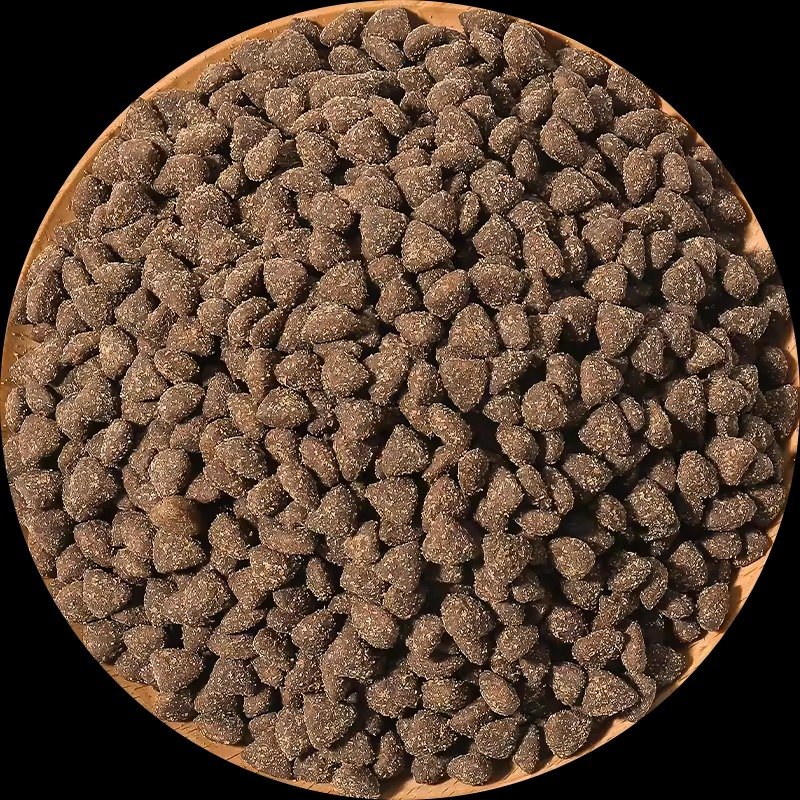
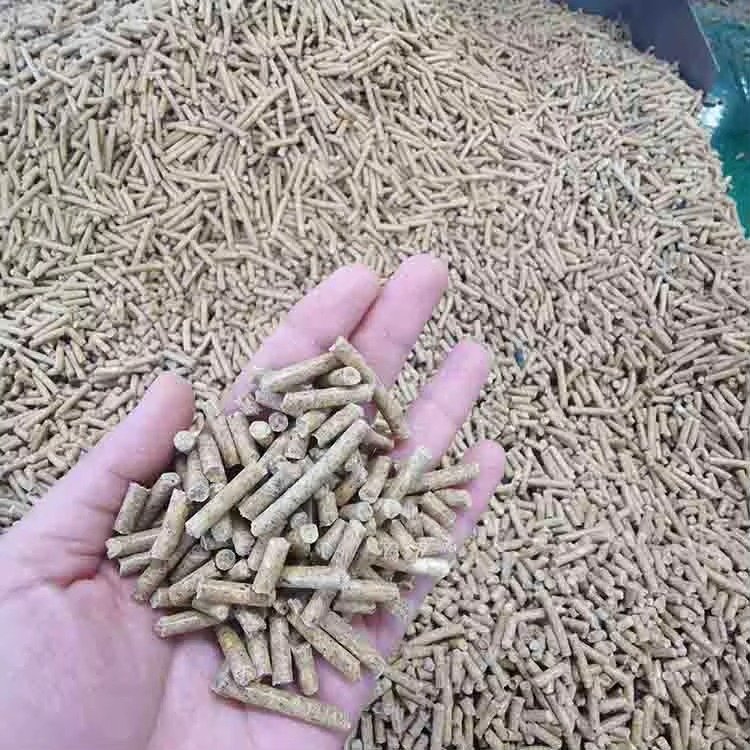
Nigerian livestock farmers face a common challenge. Feed costs consume up to 70% of production expenses. A feed pellet machine offers a proven solution. This equipment transforms raw materials into compact, nutritious feed pellets for multiple animal species.
MAIKONG brings two decades of manufacturing expertise to African agriculture. Our feed pelletizing machine technology serves poultry operations, cattle ranches, fish farms, and pig enterprises across Nigeria. Small family farms and large commercial operations both benefit from our customizable solutions.
This guide explores how feed pellet machines work. You will learn about machine types, production capacities, and cost considerations. We share real examples from Nigerian farms that reduced feed waste by 40% and increased animal growth rates by 25%.
Understanding Feed Pellet Machine Technology
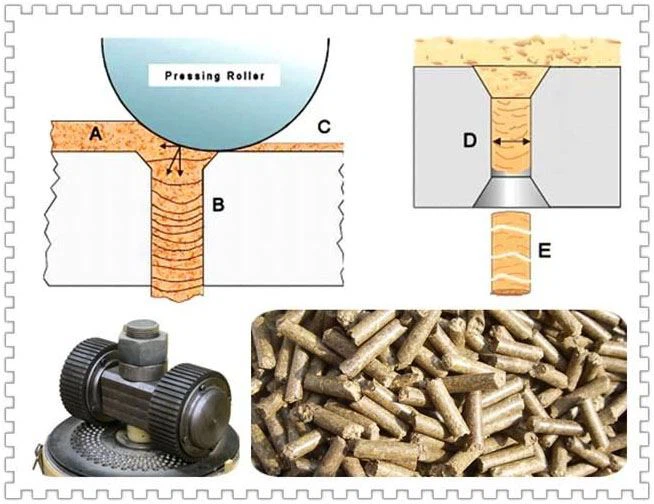
A feed pellet machine compresses loose ingredients into dense cylindrical shapes. The process involves grinding, mixing, conditioning, and pressing raw materials. Heat and pressure activate binding properties in feed ingredients.
How Pelletizing Improves Feed Quality
The pelleting process destroys harmful bacteria. Temperatures reach 80-90°C during compression. This heat treatment eliminates salmonella and E. coli risks. Animals also digest pellets more efficiently than loose mash.
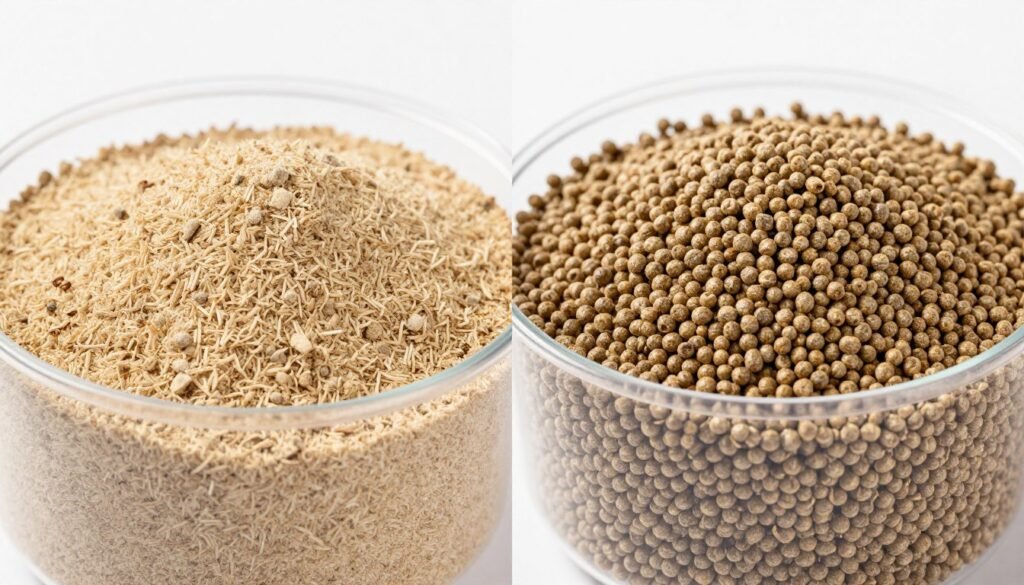
Pellets reduce feed waste significantly. Chickens cannot selectively eat ingredients they prefer. Each pellet contains balanced nutrition. Farmers report 15-20% less feed consumption for the same animal growth.
Core Components of Feed Pellet Making Machines
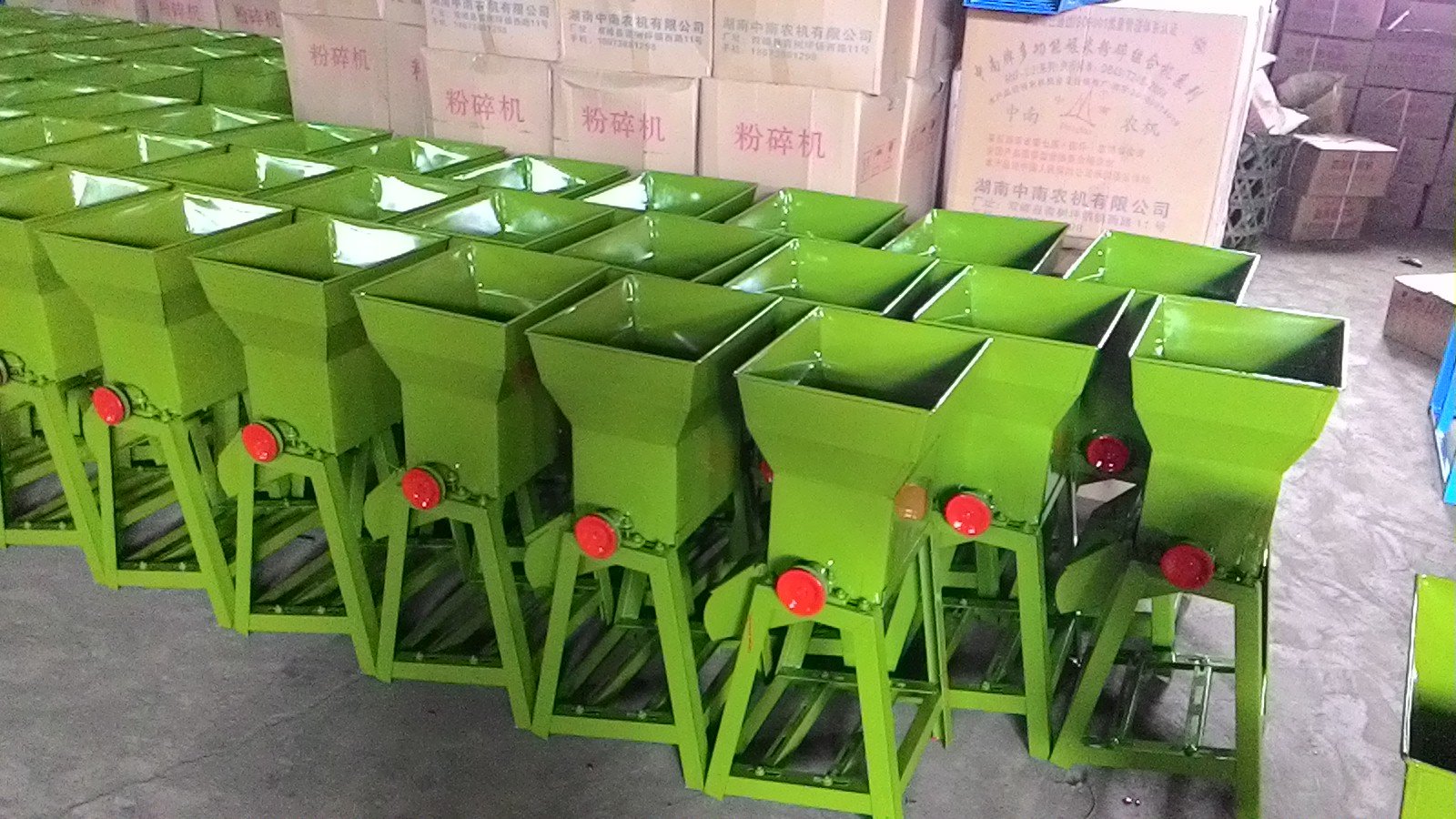
Grinding System
Hammer mills crush raw materials into fine particles. Particle size affects pellet quality. Most livestock feeds require 2-4mm grinding fineness. Fish feeds need finer grinding at 1-2mm for proper pellet formation.
- Adjustable screens control particle size
- High-speed hammers process 500-2000 kg/hour
- Replaceable wear parts extend service life
- Dust collection systems maintain clean operations
Pelletizing Chamber
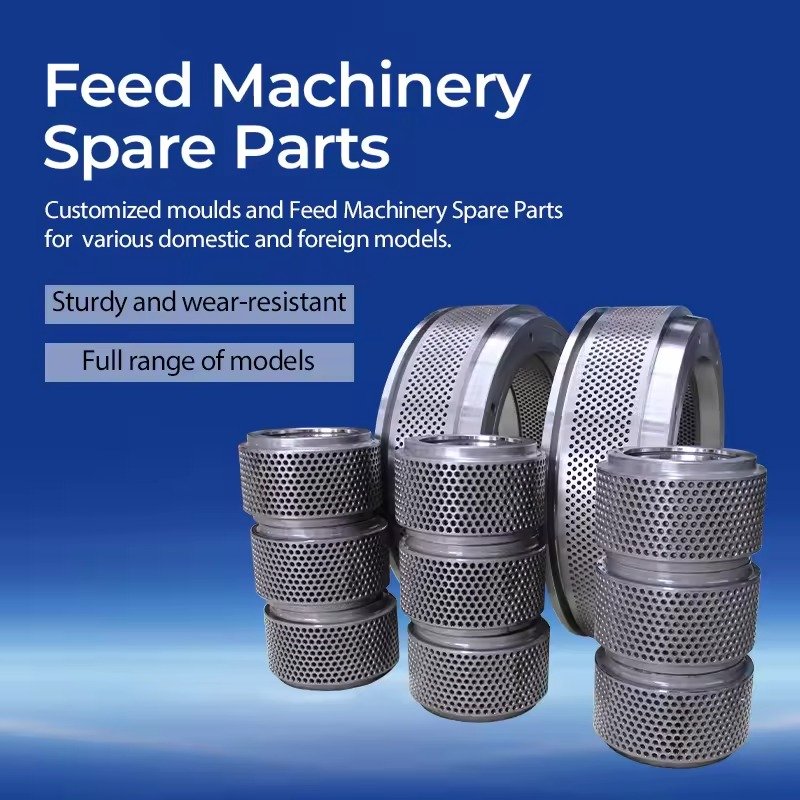
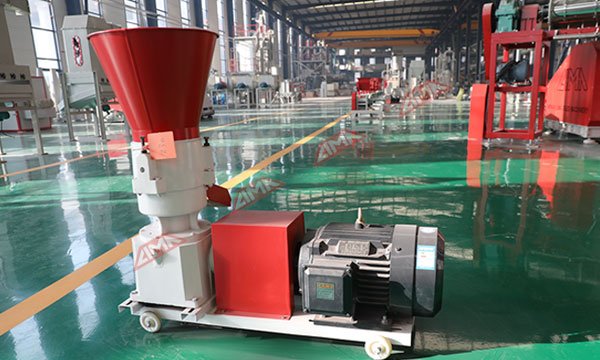
The heart of every feed pellet machine is the pelleting chamber. Rotating rollers press material through die holes. Dies come in various hole diameters from 2mm to 12mm. Pellet diameter depends on animal species requirements.
- Ring die systems for high-capacity production
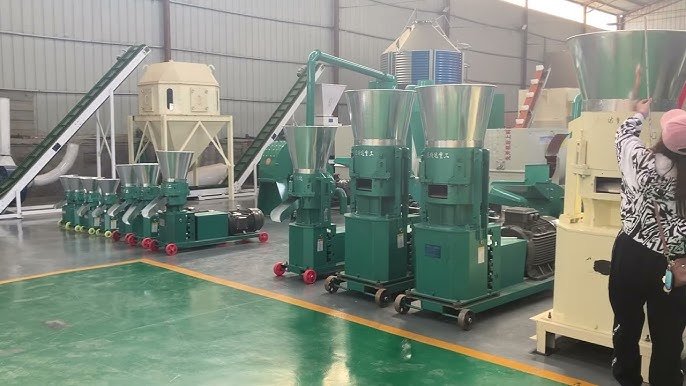
- Flat die designs for small-scale operations
- Stainless steel construction prevents contamination
- Quick-release mechanisms simplify maintenance
Choosing the Right Feed Pelletizing Machine for Your Animals
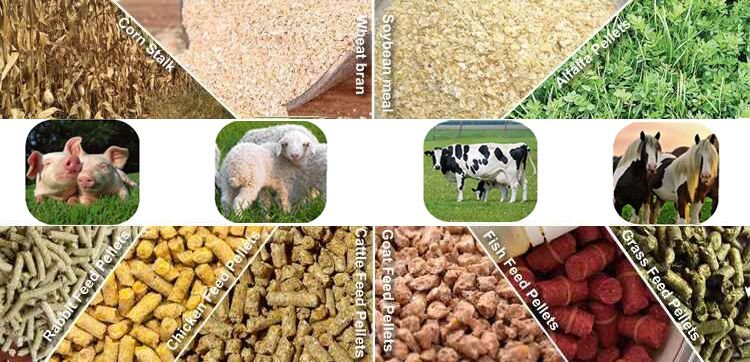
Different livestock species need different pellet characteristics. A poultry feed pellet machine produces smaller pellets than equipment for cattle. Nigerian farmers must match machine specifications to their animal types.
Poultry Feed Production Solutions

Chickens require pellets between 2-4mm diameter. Young chicks need crumbles created by breaking larger pellets. Layer hens perform best with 3mm pellets. Broilers grow faster with 4mm sizes.
MAIKONG poultry feed pellet machines process 150-500 kg per hour. Small farms start with 150kg/hr capacity models. Large commercial operations choose 1-2 ton/hour production lines. Each machine accommodates various ingredient formulations.
Layer Feed Specifications

Layer hens need calcium-rich pellets for strong eggshells. Pellet diameter: 3-3.5mm. Protein content: 16-18%. Calcium levels: 3.5-4%.
- Optimal pellet hardness prevents waste
- Limestone inclusion improves shell quality
- Uniform size ensures consistent intake
Broiler Feed Requirements

Broilers gain weight rapidly with proper pellet size. Pellet diameter: 4-5mm. Protein content: 20-22%. Energy density: high for fast growth.
- Larger pellets suit bigger broiler beaks
- High-energy formulations boost growth
- Durable pellets reduce fines and dust
Turkey and Duck Pellets
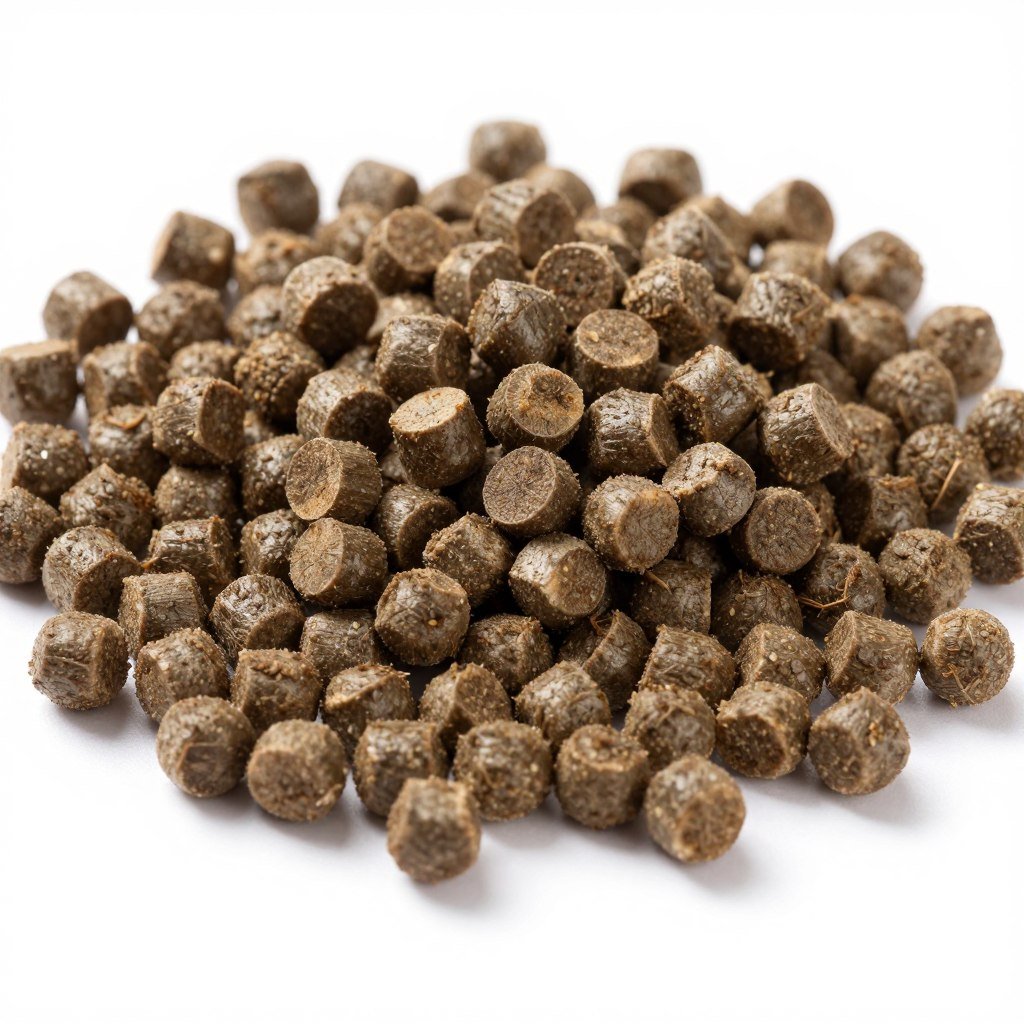
Larger poultry species need bigger pellets. Pellet diameter: 5-6mm. These birds have stronger beaks. Pellet durability matters for water fowl.
- Water-resistant for duck operations
- Higher diameter matches bird size
- Extended feed shelf life
Cattle and Ruminant Feed Systems
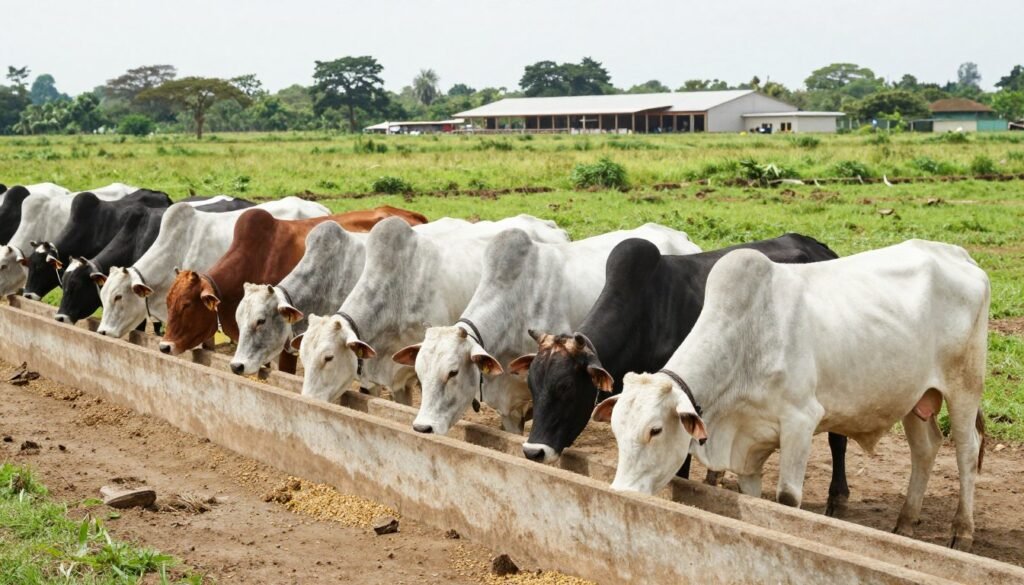
Cattle digest fiber differently than poultry. A cattle feed pellet machine produces 6-10mm diameter pellets. Ruminants need roughage in their diet. Pelleted feeds combine grains with fibrous materials.
Dairy cows require different nutrition than beef cattle. Lactating cows need high protein and energy. Beef cattle focus on efficient weight gain. MAIKONG machines handle both formulations with simple die changes.
| Cattle Type | Pellet Size | Protein % | Fiber % | Production Rate |
| Dairy Cows | 8-10mm | 16-18% | 18-22% | 500-800 kg/hr |
| Beef Cattle | 8-12mm | 12-14% | 20-25% | 500-1000 kg/hr |
| Young Calves | 4-6mm | 18-20% | 10-15% | 300-500 kg/hr |
| Sheep/Goats | 4-6mm | 14-16% | 15-20% | 200-400 kg/hr |
Sheep and goat farmers benefit from smaller ruminant pellets. A goat feed pellet making machine typically produces 4-6mm pellets. These animals have smaller mouths than cattle. Proper pellet size improves feed consumption and reduces waste.
Fish and Aquatic Feed Production

Fish farming presents unique challenges. Most fish feed pellet machines must produce floating pellets. Catfish and tilapia farmers in Nigeria prefer floating feeds. These pellets remain visible on the water surface.
Floating fish feed requires special processing. An extruder machine cooks feed at high temperatures. Steam injection creates air pockets inside pellets. This buoyancy allows farmers to monitor feeding behavior and prevent waste.
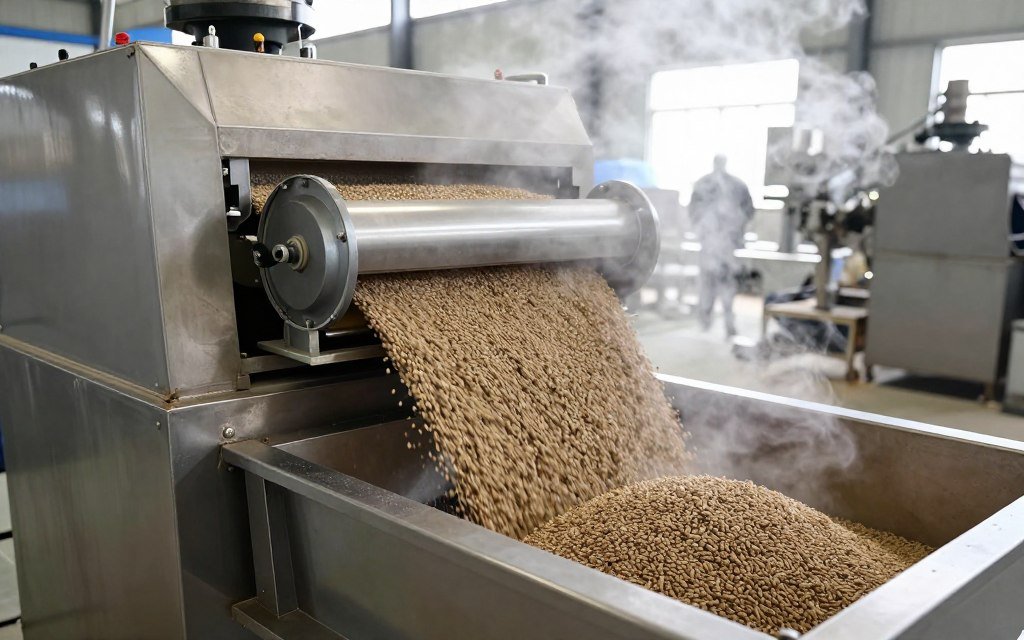
Need Custom Fish Feed Solutions?
MAIKONG designs floating and sinking fish feed systems for catfish, tilapia, and shrimp operations. Our extruder technology produces high-quality aquatic pellets with precise buoyancy control. Get technical specifications and pricing for your fish farm.
Pig Feed Pelletizing Systems
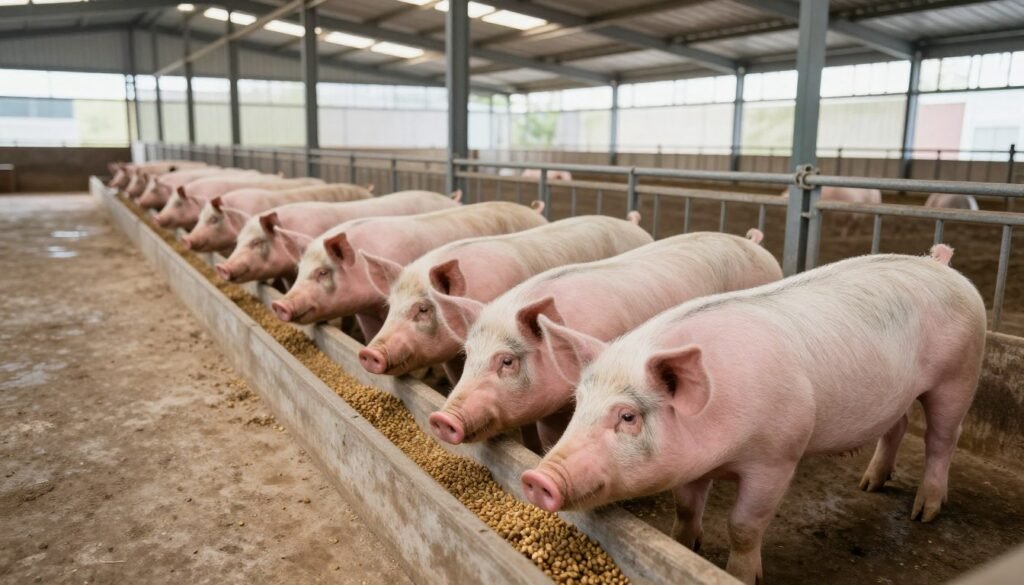
Pigs grow efficiently on pelleted feeds. A pig feed pellet machine produces 4-6mm pellets for most growth stages. Piglets need smaller crumbles. Finishing pigs handle larger pellets well.
Pelleted pig feed reduces selective feeding behavior. Pigs cannot sort out preferred ingredients. Each pellet delivers balanced nutrition. This consistency improves feed conversion ratios by 10-15% compared to mash feeds.
Production Capacity: Matching Feed Pellet Machine Size to Farm Needs
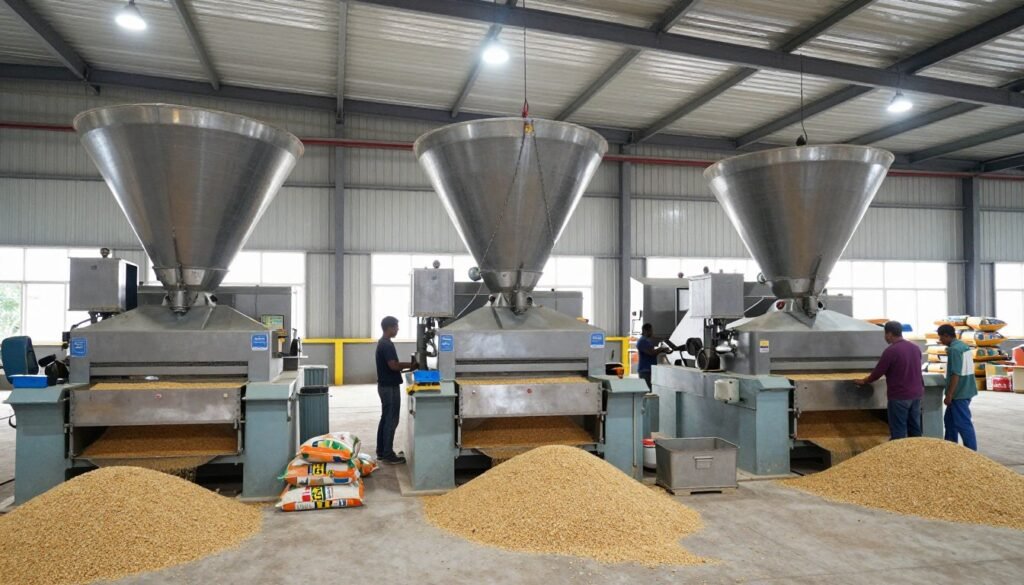
Production capacity determines machine selection. Small farms need 50-150 kg/hour capacity. Medium operations require 300-500 kg/hour. Large feed mills operate 1-5 ton/hour production lines.
Small-Scale Manual Feed Pellet Machines
Entry-level farmers start with manual or semi-automatic equipment. These manual feed pellet machines suit farms with 100-500 birds or 10-20 cattle. Production rates range from 50-100 kg per hour.
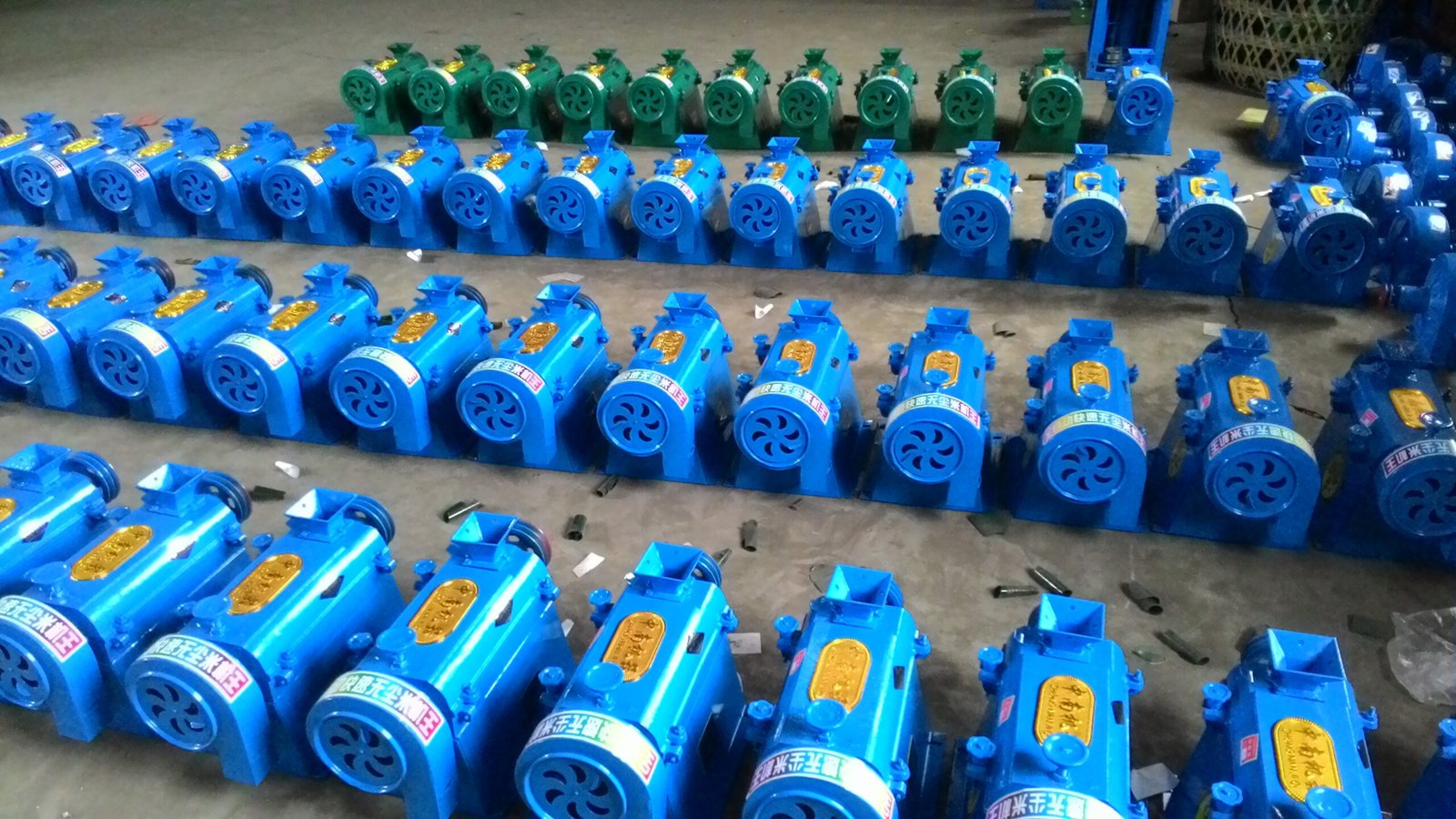
Manual machines require physical effort. An operator turns a hand crank or presses a lever. These models cost less than motorized versions. They work well for farmers testing pelleting before larger investments.
- Investment from $200-500 for basic models
- No electricity required for operation
- Portable design allows field use
- Simple maintenance without complex parts
- Ideal for rural areas with limited power
Mid-Range Electric Feed Pelletizing Machines
Most Nigerian farmers choose electric models with 150-500 kg/hour capacity. These machines balance affordability with practical output. A 200 kg/hour feed pellet machine serves 2,000-3,000 layers or 100-200 cattle.

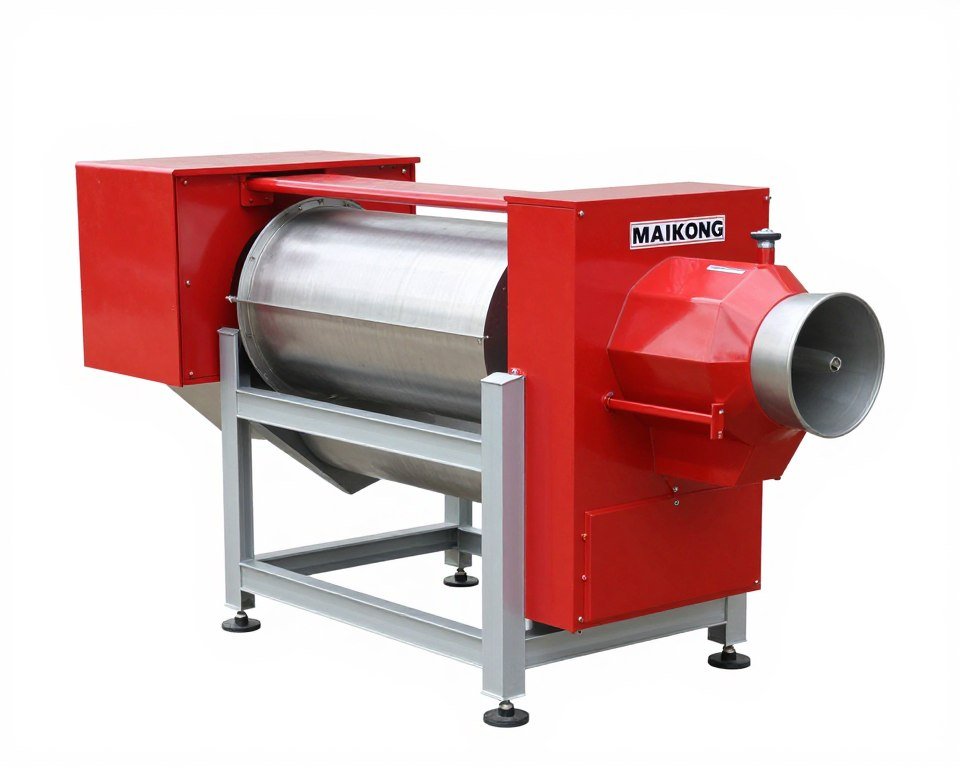 Electric models include automatic feeding systems. Raw materials flow continuously into the pelleting chamber. This automation reduces labor needs. One operator monitors multiple machines in larger operations.
Electric Machine Advantages
- Consistent production speed and quality
- Lower labor costs per ton produced
- Adjustable pellet size with die changes
- Integrated safety features and controls
- Can operate 8-12 hours daily
- Suitable for cooperative farming groups
Power consumption ranges from 7-15 kW depending on capacity. Nigerian farmers should calculate electricity costs. Diesel generators provide backup during power outages common in rural areas.
Industrial Feed Production Lines
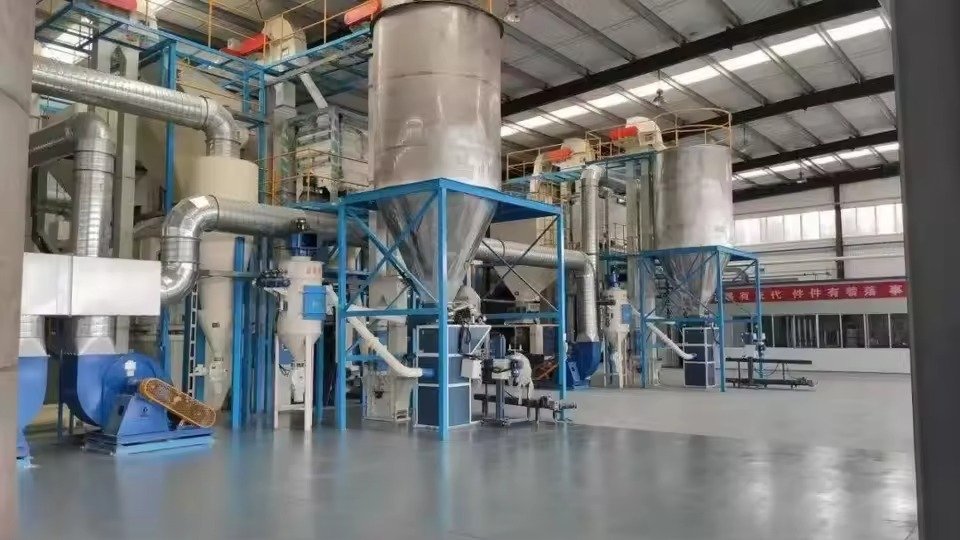
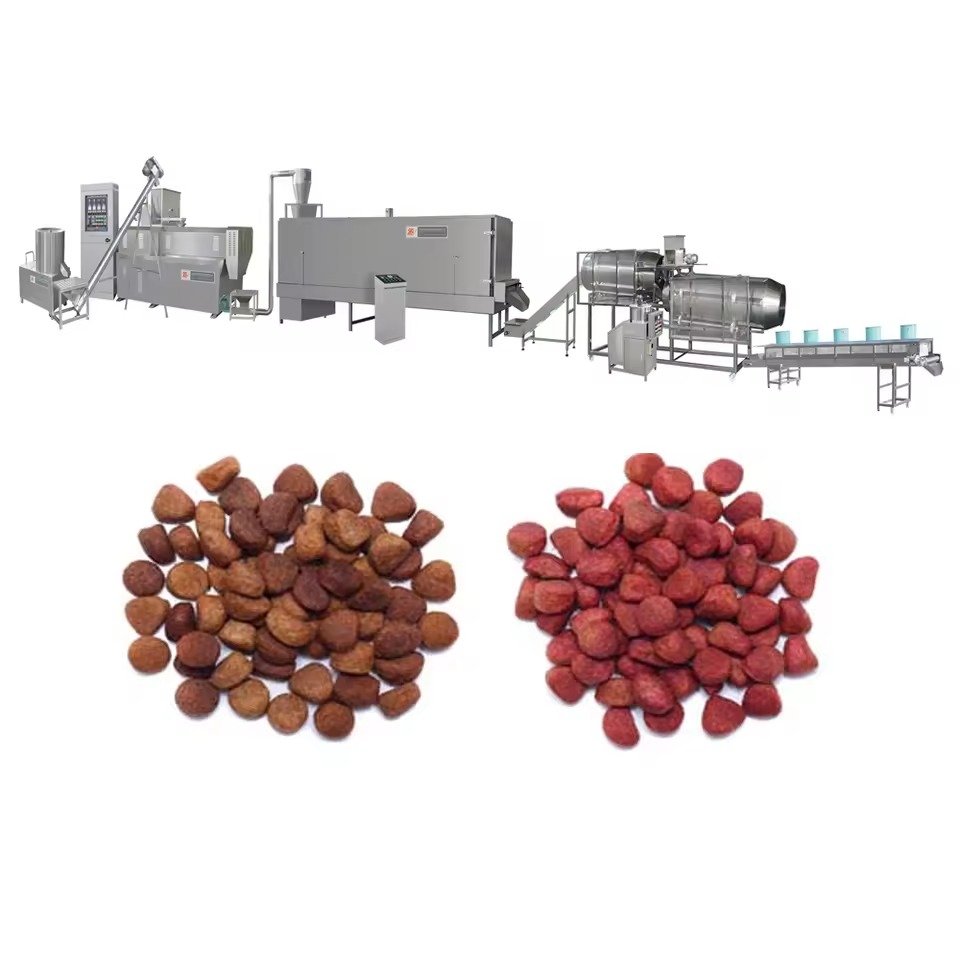
Large feed mills need complete processing systems. These production lines include grinding, mixing, pelleting, cooling, and bagging equipment. Capacity reaches 1-5 tons per hour. Commercial feed manufacturers and large farms invest in these systems.
A complete livestock feed pellet production line costs $15,000-$100,000 depending on automation level. MAIKONG designs custom lines for Nigerian market conditions. We account for ingredient availability, power stability, and local labor skills.
| Production Scale | Capacity Range | Suitable For | Investment Range | ROI Period |
| Small Manual | 50-100 kg/hr | 100-500 birds, 10-20 cattle | $200-$800 | 3-6 months |
| Small Electric | 100-200 kg/hr | 500-2000 birds, 20-50 cattle | $800-$2,500 | 6-12 months |
| Medium Capacity | 300-500 kg/hr | 2000-5000 birds, 50-150 cattle | $2,500-$8,000 | 10-18 months |
| Large Commercial | 1-2 tons/hr | 10,000+ birds, 500+ cattle | $15,000-$40,000 | 18-30 months |
| Industrial Line | 3-5 tons/hr | Feed mills, large enterprises | $40,000-$100,000 | 24-36 months |
Real Nigerian Farm Success with MAIKONG Feed Pellet Machines
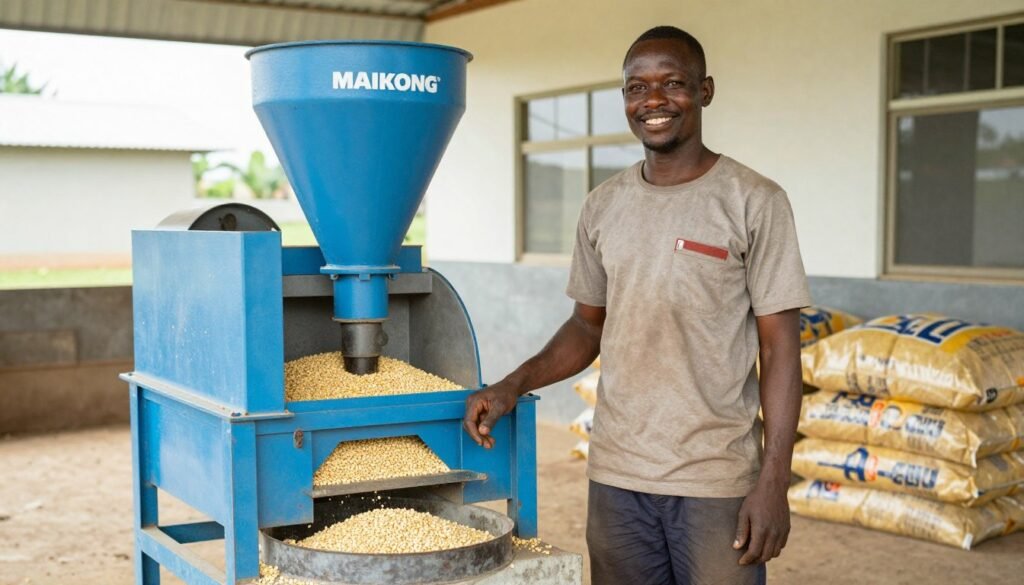
Theory matters less than practical results. Nigerian farmers across multiple states have transformed their operations with MAIKONG equipment. These real examples show measurable improvements in feed costs and animal performance.
Case Study 1: Poultry Farm in Ogun State
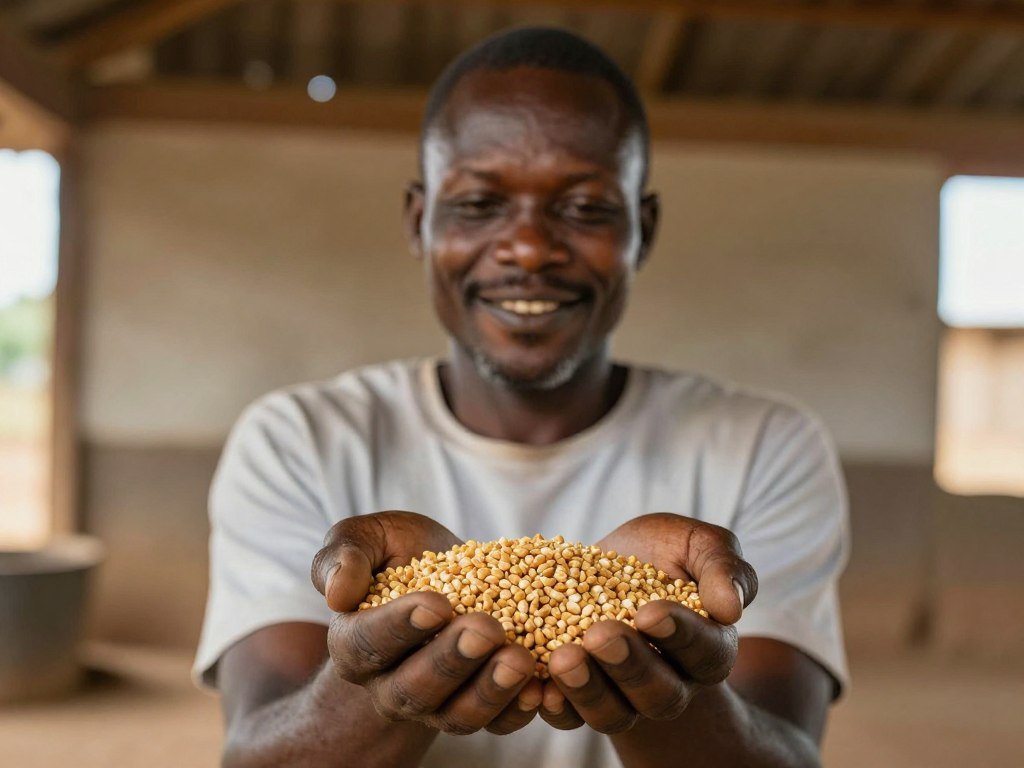
Mr. Adebayo operates a 5,000-layer farm near Abeokuta. He purchased a MAIKONG 300 kg/hour poultry feed pellet machine in March 2023. Previous feed expenses consumed 72% of revenue. Pelleted feed reduced this to 58%.
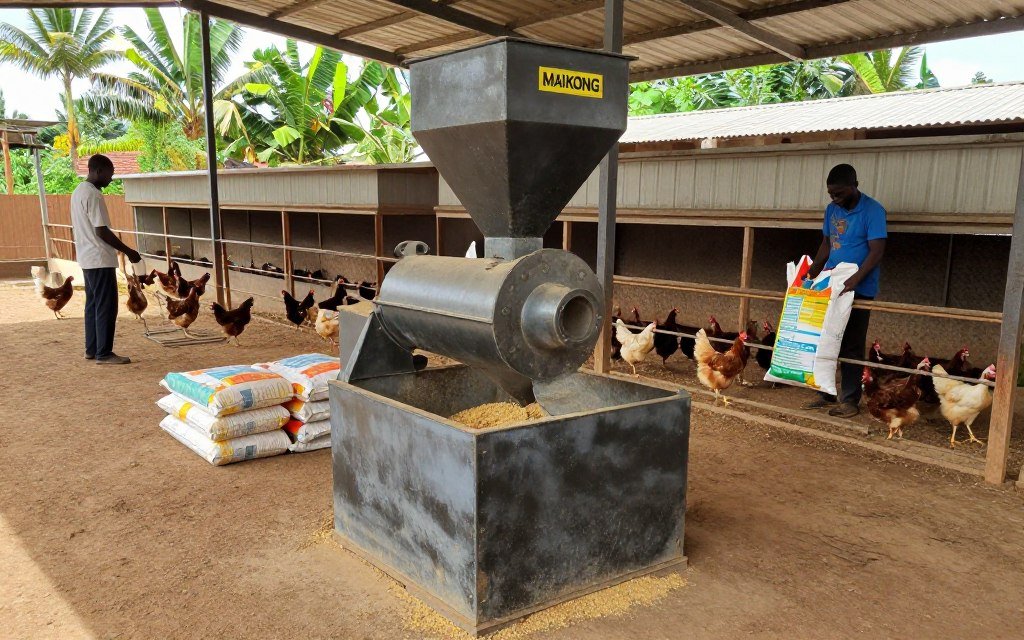
Results After 12 Months
- Feed waste dropped from 18% to 6%
- Egg production increased 8%
- Feed cost per egg decreased by 22%
- Mortality rate improved 3%
- Machine paid for itself in 14 months
“The feed pellet machine changed everything. My birds waste less feed. I control ingredients better. Quality improved but costs went down. MAIKONG support helped during setup. They answered questions on WhatsApp immediately.”
Case Study 2: Cattle Ranch in Kaduna State
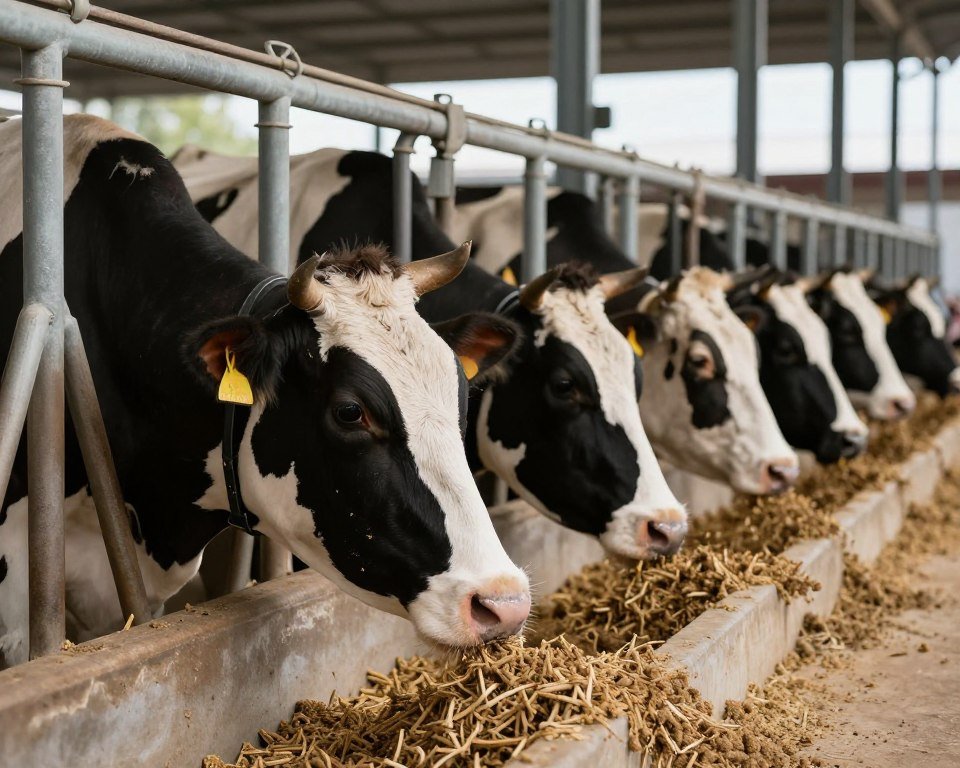
Alhaji Musa manages 200 dairy cows in Kaduna. Transport costs for commercial feed strained profitability. He invested in a MAIKONG 500 kg/hour cattle feed pellet machine in January 2024.

Local ingredients became economically viable. Musa sources maize, soybean, and cottonseed cake within Kaduna. His feed pelletizing machine produces 2 tons daily. This volume meets his herd’s needs plus generates extra income from neighboring farmers.
Financial Impact – First 10 Months
- Commercial feed cost: ₦45,000 per ton delivered
- Self-produced pellet cost: ₦28,000 per ton
- Monthly savings: ₦510,000 (30 tons consumed)
- Additional income from sales: ₦340,000/month
- Total monthly benefit: ₦850,000
- Machine investment recovered in 9 months
Case Study 3: Fish Farm Cooperative in Delta State
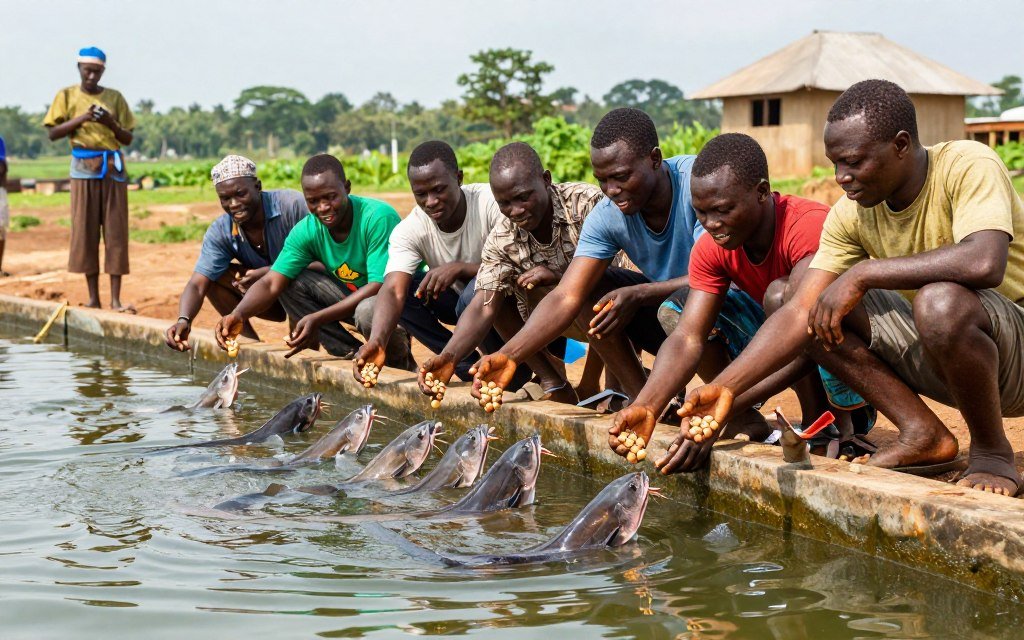
The Warri Fish Farmers Cooperative represents 45 catfish producers. Members struggled with expensive imported floating fish feed. Together they purchased a MAIKONG floating fish feed pellet machine with 400 kg/hour capacity.
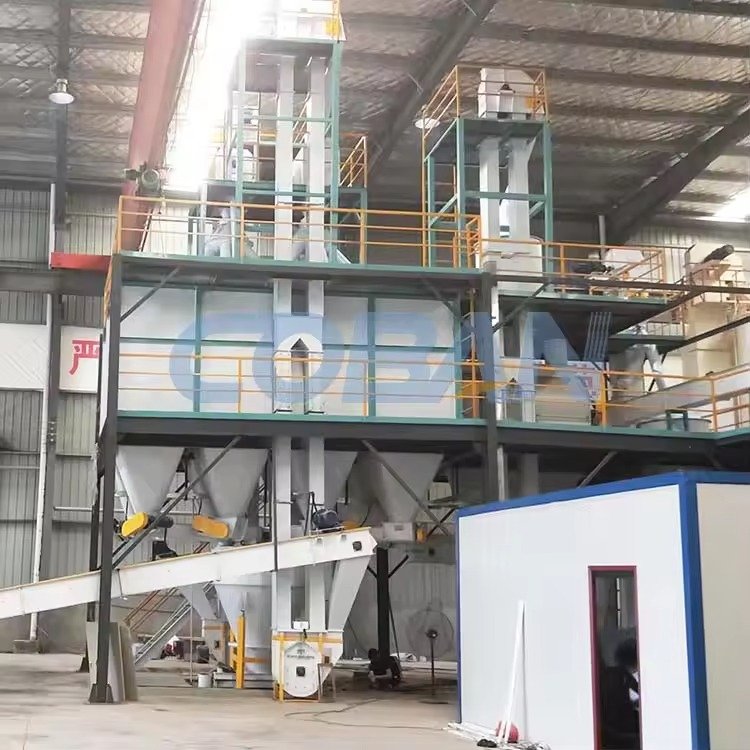
The cooperative arrangement reduced individual investment. Each member contributed ₦180,000. They built a shared production facility. A trained operator produces floating fish feed three days weekly. Members collect their allocations based on pond size.
Cooperative Model Benefits: Shared equipment reduces capital requirements. Small producers access professional machinery. Bulk ingredient purchases lower raw material costs. Technical knowledge spreads through member training. This model works excellently across Nigerian agricultural cooperatives.
“We could not afford machines individually. Together we bought quality equipment from MAIKONG. Our feed costs dropped 35%. Fish grow faster on fresh pellets. The cooperative model works perfectly for fish farming. MAIKONG provided training for our operator.”
Feed Pellet Machine Price Considerations and ROI

Smart farmers analyze return on investment carefully. A feed pellet machine for sale represents significant capital outlay. Understanding true costs and savings helps make informed decisions.
Initial Investment Components
Machine purchase price forms just one cost element. Complete project budgets include installation, training, and initial ingredient stock. MAIKONG provides transparent pricing that covers all necessary components.
Equipment Costs
- Base machine (capacity dependent)
- Grinding mill (if needed)
- Mixer for ingredients
- Cooling system (larger capacity)
- Bagging scale and equipment
- Spare parts kit (dies, rollers)
- Shipping to Nigeria
Setup Costs
- Installation and commissioning
- Operator training program
- Initial ingredient purchases
- Building or shelter (if needed)
- Electrical connections
- Dust control equipment
- Safety equipment and signage
Operating Costs
- Electricity consumption
- Operator wages
- Routine maintenance
- Die and roller replacement
- Raw material inventory
- Quality testing supplies
- Packaging materials
Comparing Commercial Feed Versus Self-Production
The primary financial benefit comes from ingredient cost control. Commercial feed manufacturers add processing margins and distribution costs. A small feed pellet machine eliminates these markups.
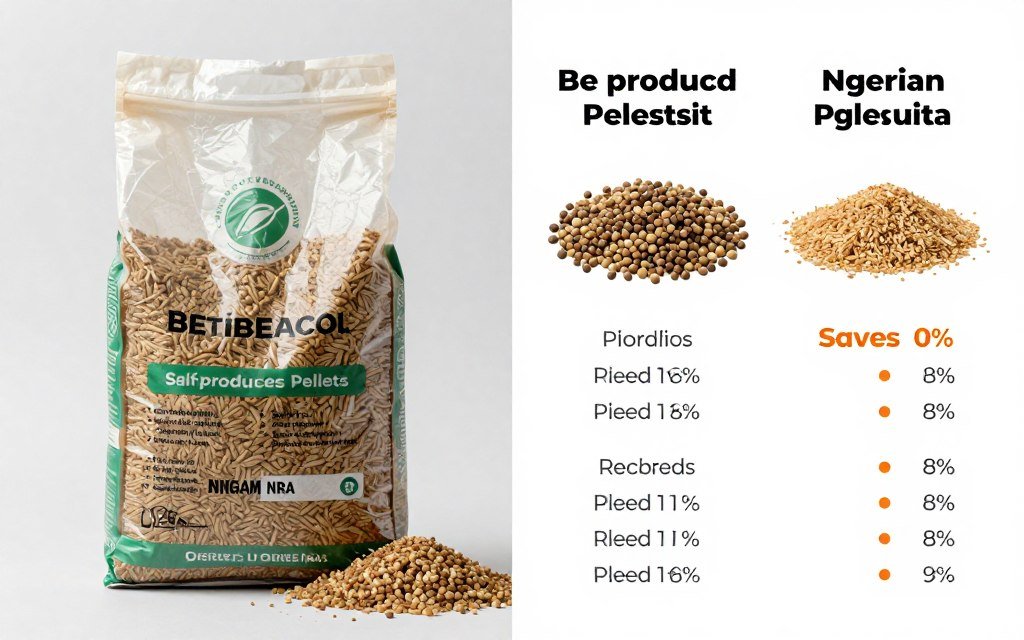
| Feed Type | Commercial Price | Ingredient Cost | Processing Cost | Total Self-Produced | Savings |
| Layer Pellets | ₦7,200/25kg | ₦4,300/25kg | ₦800/25kg | ₦5,100/25kg | 29% |
| Broiler Starter | ₦8,500/25kg | ₦5,100/25kg | ₦900/25kg | ₦6,000/25kg | 29% |
| Cattle Concentrate | ₦6,800/25kg | ₦3,900/25kg | ₦700/25kg | ₦4,600/25kg | 32% |
| Fish Floating Feed | ₦12,500/25kg | ₦7,200/25kg | ₦1,400/25kg | ₦8,600/25kg | 31% |
| Pig Grower | ₦7,800/25kg | ₦4,700/25kg | ₦850/25kg | ₦5,550/25kg | 29% |
These savings accumulate rapidly. A 2,000-layer operation consumes approximately 120kg of feed daily. Annual feed requirements reach 43,800kg. At 29% savings, self-production saves ₦1.8 million yearly on a farm this size.
Calculating Payback Period
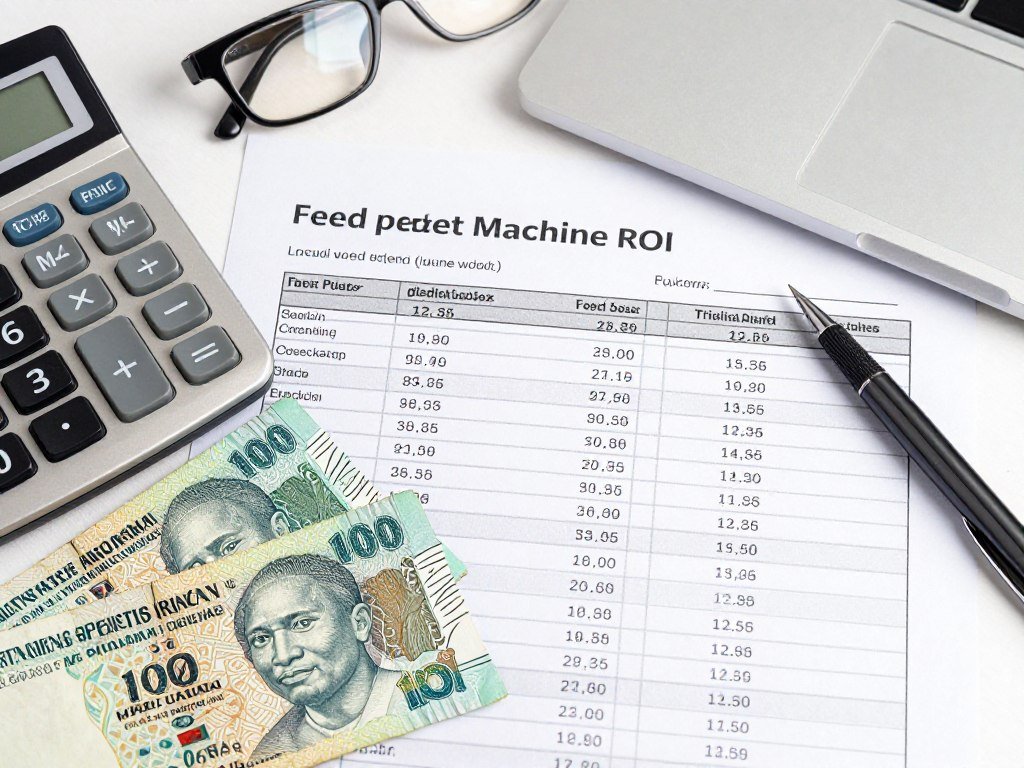
Most Nigerian farmers recover their feed pellet machine investment within 12-24 months. Payback period depends on farm size and feed consumption volume. Larger operations recoup costs faster due to higher production volumes.
Calculate Your Custom ROI
Every farm has unique economics. MAIKONG provides personalized ROI calculations based on your livestock numbers, current feed costs, and local ingredient prices. Our analysis helps you make confident investment decisions. Get your custom feasibility study.
Technical Specifications of MAIKONG Feed Pellet Machines
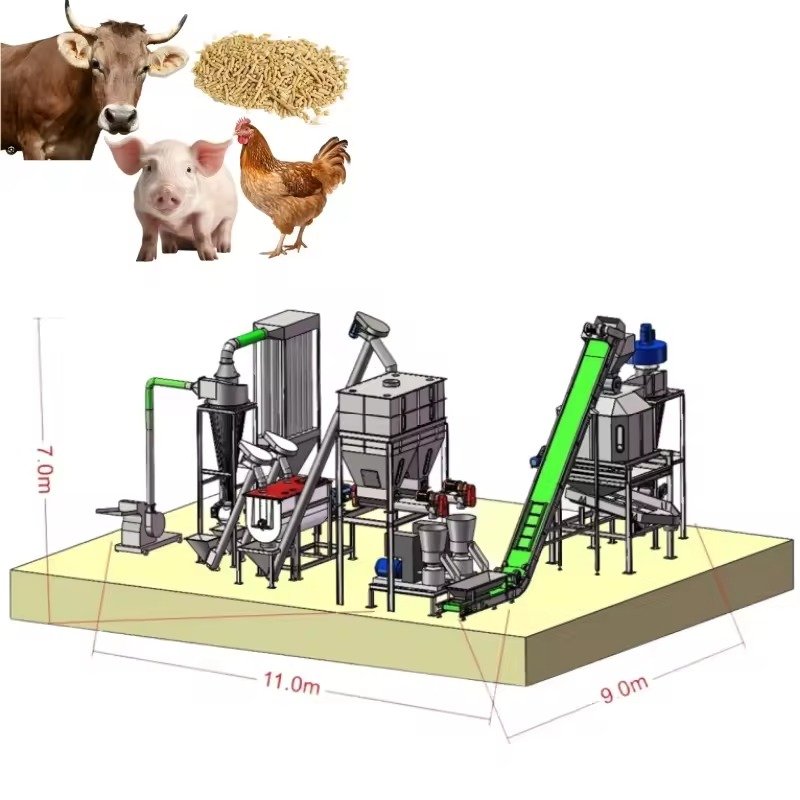
Understanding machine specifications helps match equipment to requirements. MAIKONG manufactures feed pelletizing machines across capacity ranges. Each model balances performance with reliability for African operating conditions.
Small Capacity Models (100-300 kg/hour)
Entry-level machines suit small farms and cooperatives. These models feature simple operation and minimal maintenance. Single-phase power options work with standard Nigerian electrical systems.
| Model | Capacity | Power | Die Size | Pellet Diameter | Dimensions | Weight |
| MAIKONG-120 | 100-150 kg/hr | 3 kW / 220V | 120mm flat die | 2-8mm | 600×400×650mm | 75 kg |
| MAIKONG-150 | 150-200 kg/hr | 4 kW / 220V | 150mm flat die | 2-8mm | 700×450×720mm | 95 kg |
| MAIKONG-200 | 200-300 kg/hr | 7.5 kW / 220V | 200mm flat die | 2-10mm | 900×550×850mm | 180 kg |
Medium Capacity Models (300-800 kg/hour)
Most commercial Nigerian farms choose medium capacity equipment. These machines feature three-phase motors and enhanced durability. Ring die systems provide consistent pellet quality at higher volumes.
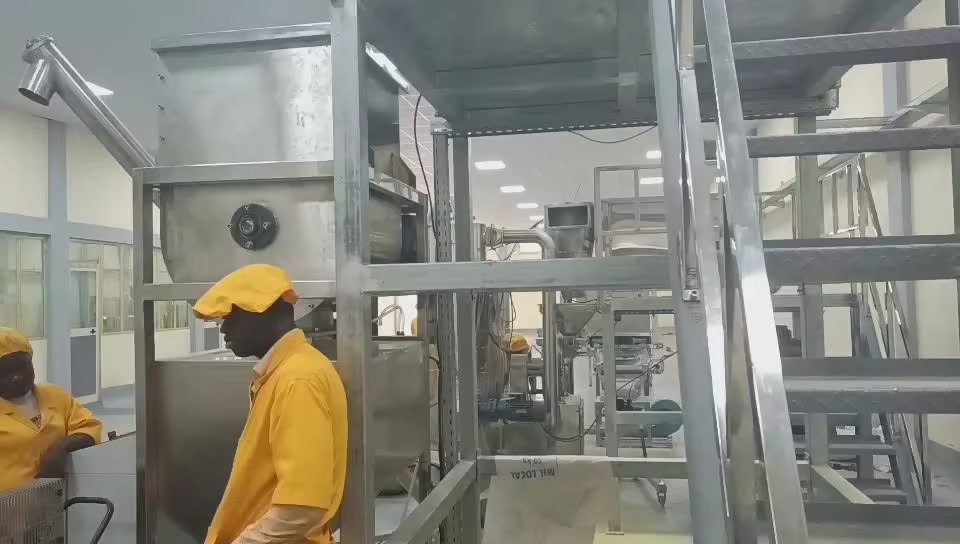
Ring die technology differs from flat die systems. Material passes through a rotating cylindrical die. Multiple rollers compress ingredients simultaneously. This design handles higher capacities more efficiently than flat dies.
Industrial Production Lines (1-5 tons/hour)
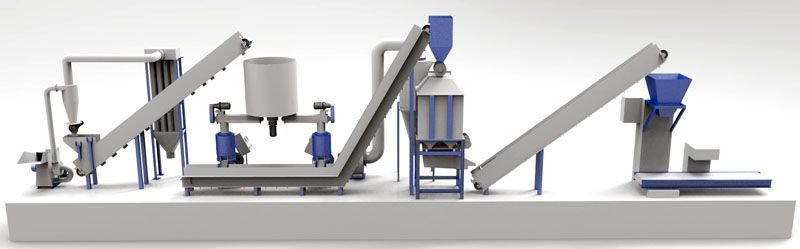
Complete feed production lines integrate multiple processing steps. MAIKONG designs turnkey systems for Nigerian feed mills. Every component works together for maximum efficiency.
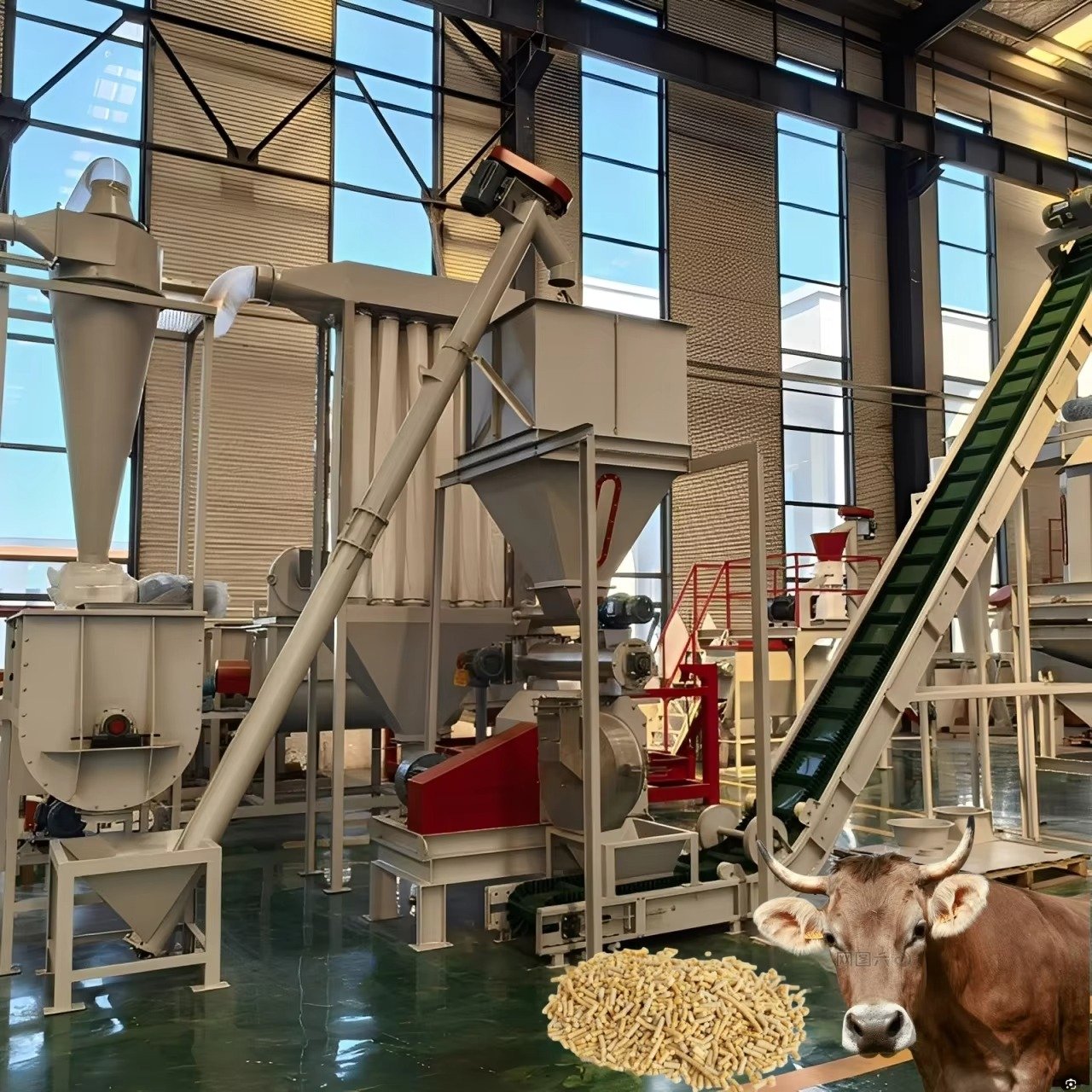
Production Line Components
- Receiving System: Bulk ingredient intake with dust control
- Storage Silos: Multiple bins for different ingredients
- Grinding Section: Hammer mills with variable screen sizes
- Batching System: Computerized weighing and dosing
- Mixing Equipment: Paddle or ribbon mixers
- Conditioning: Steam injection for improved pelleting
- Pellet Mill: High-capacity ring die system
- Cooling System: Counter-flow cooler for stability
- Screening: Removes fines and dust
- Coating (Optional): Fat or oil application
- Bagging: Automated weighing and sealing
- Control System: PLC automation with touchscreen
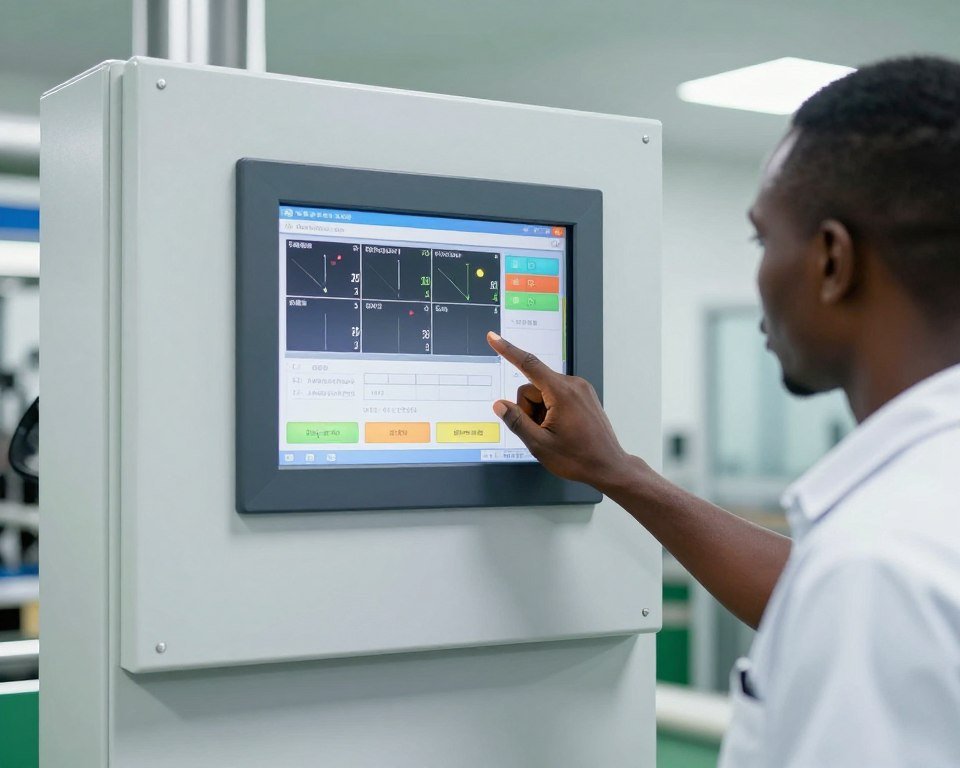
Automation Benefits
Computerized systems reduce operator errors. Recipe management stores formulations digitally. Production tracking monitors efficiency. Quality control integrates throughout processing. Nigerian feed mills benefit from consistent output that meets standards.
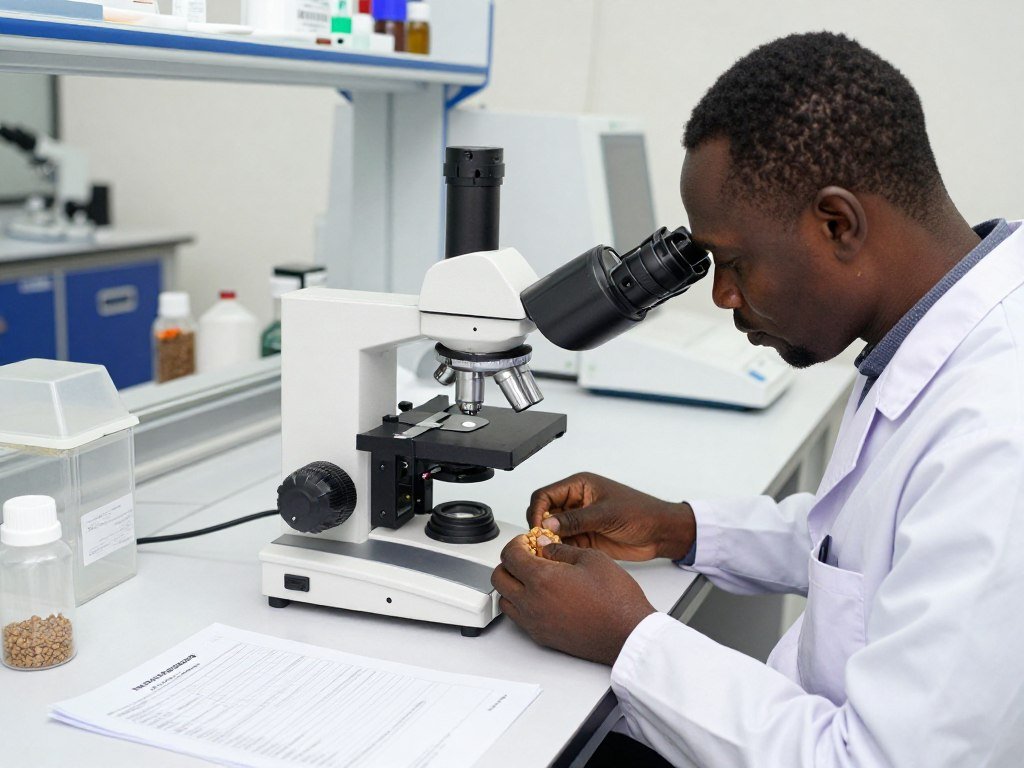
Feed Ingredients and Formulation for Nigerian Feed Pellet Machines
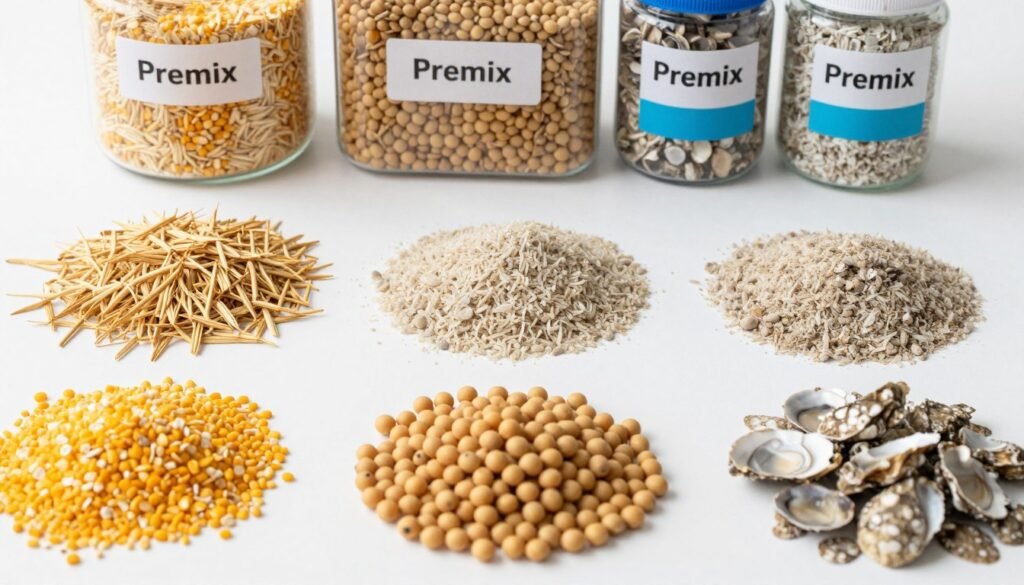
Successful pelleting starts with proper ingredients. Nigerian farmers access diverse agricultural products. A feed pellet machine transforms these raw materials into complete nutrition packages.
Energy Sources in Feed Formulations
Grains provide energy for animal growth. Maize (corn) dominates Nigerian livestock feeds. Sorghum and millet work as alternatives. Wheat bran adds fiber and reduces costs. Each energy source affects pellet quality differently.
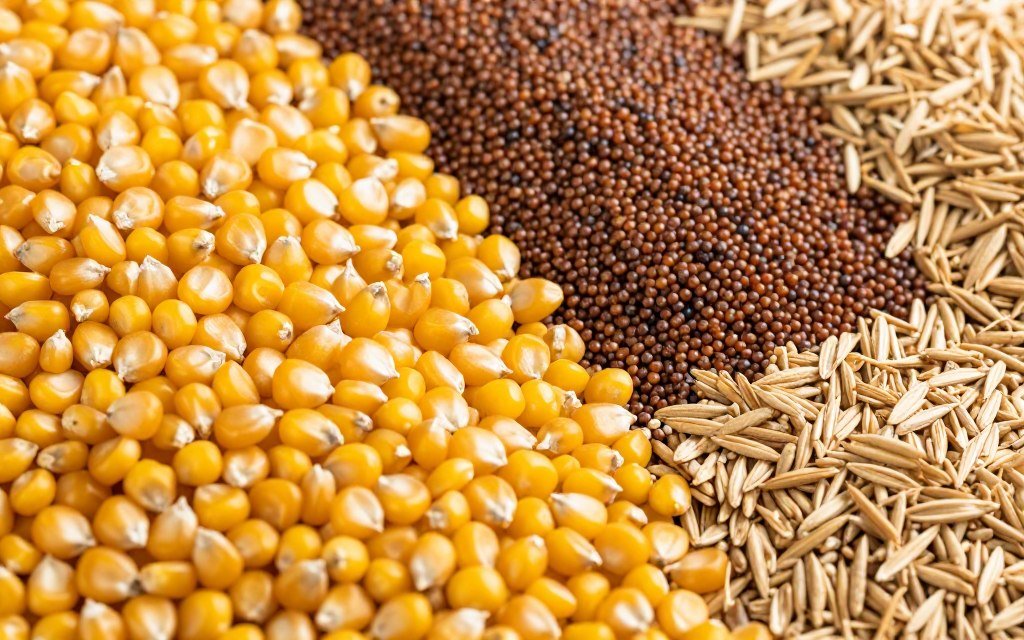
Maize pellets well due to natural starch content. Heat and pressure during pelleting gelatinize starch. This creates strong binding within pellets. Sorghum requires higher conditioning temperatures. Wheat bran improves pellet texture but excessive amounts cause crumbling.
Protein Ingredients for Different Species
Protein sources vary by cost and availability. Soybean meal provides excellent amino acid profiles. Groundnut (peanut) cake works for ruminants. Fish meal boosts aquatic feed quality. Local protein sources reduce dependence on imports.
Poultry Proteins
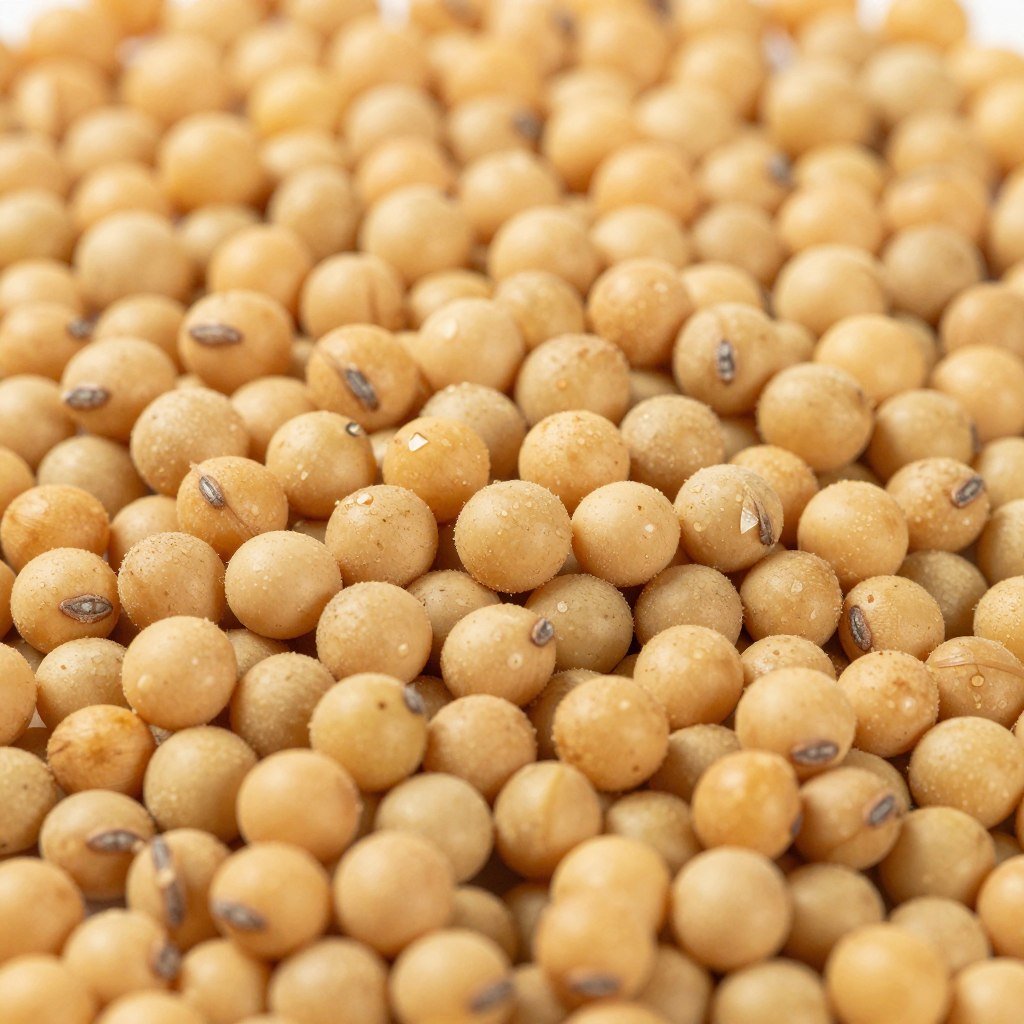
Soybean meal (40-45% protein) forms the base. Fish meal (60-65% protein) supplements starter feeds. Blood meal and meat-bone meal add variety. Protein level determines growth rates and egg production.
Ruminant Proteins
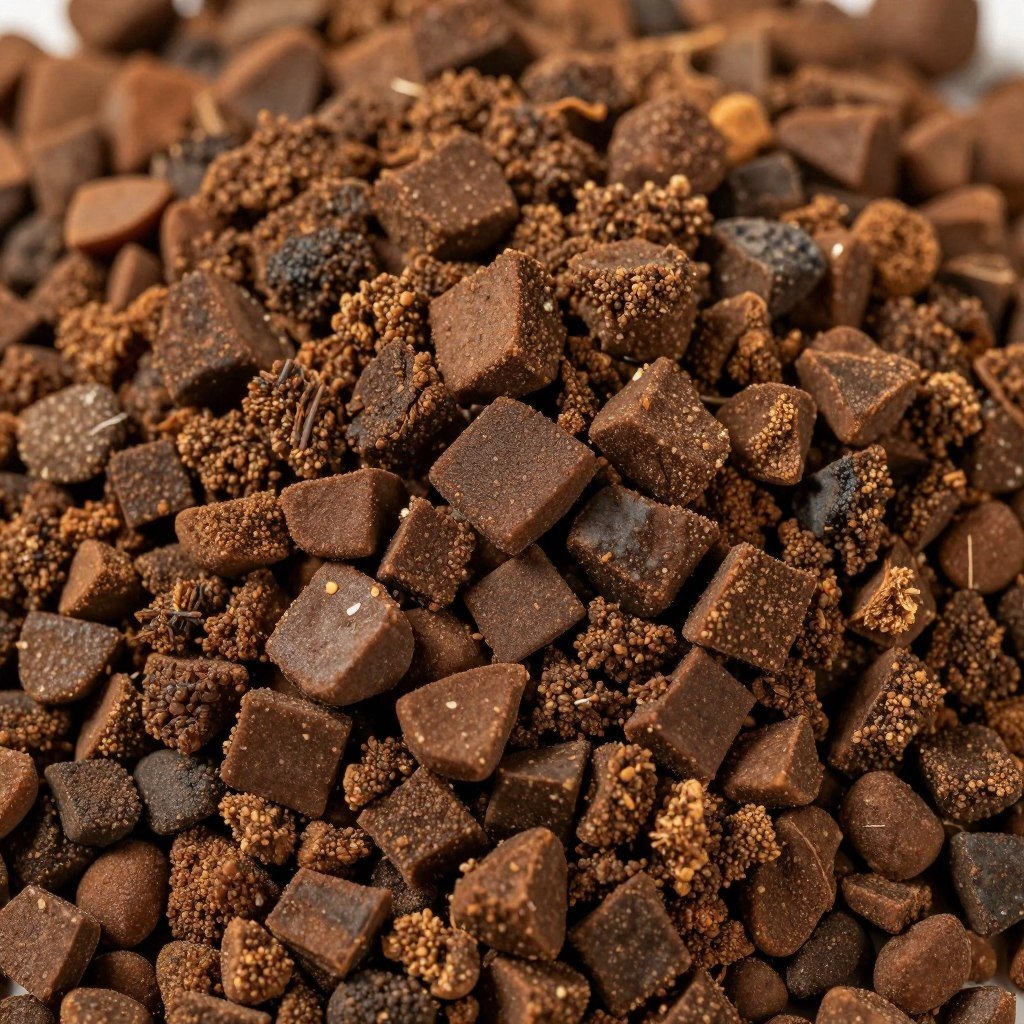
Cottonseed cake suits cattle and sheep. Groundnut cake provides affordable protein. Brewer’s grains add fiber and protein. Ruminants utilize plant proteins efficiently through microbial digestion.
Aquaculture Proteins
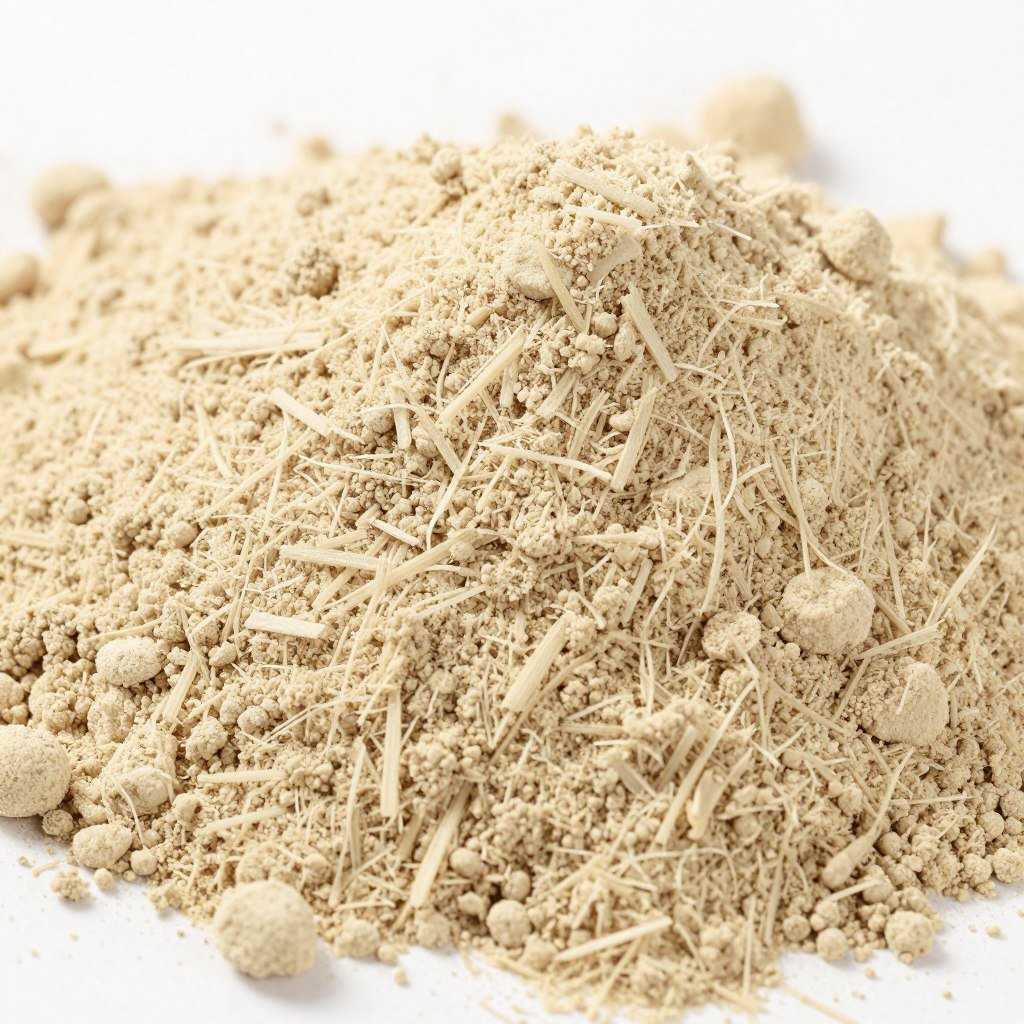
Fish meal remains essential for fish feeds. Soybean provides plant-based protein. Blood meal boosts protein levels. Catfish need 35-40% protein. Tilapia requires 28-32% protein content.
Mineral and Vitamin Supplements
Complete feeds require micronutrients. Premix concentrates contain vitamins and minerals. Limestone supplies calcium for layers and bone development. Salt provides sodium and chloride. Trace minerals prevent deficiencies.
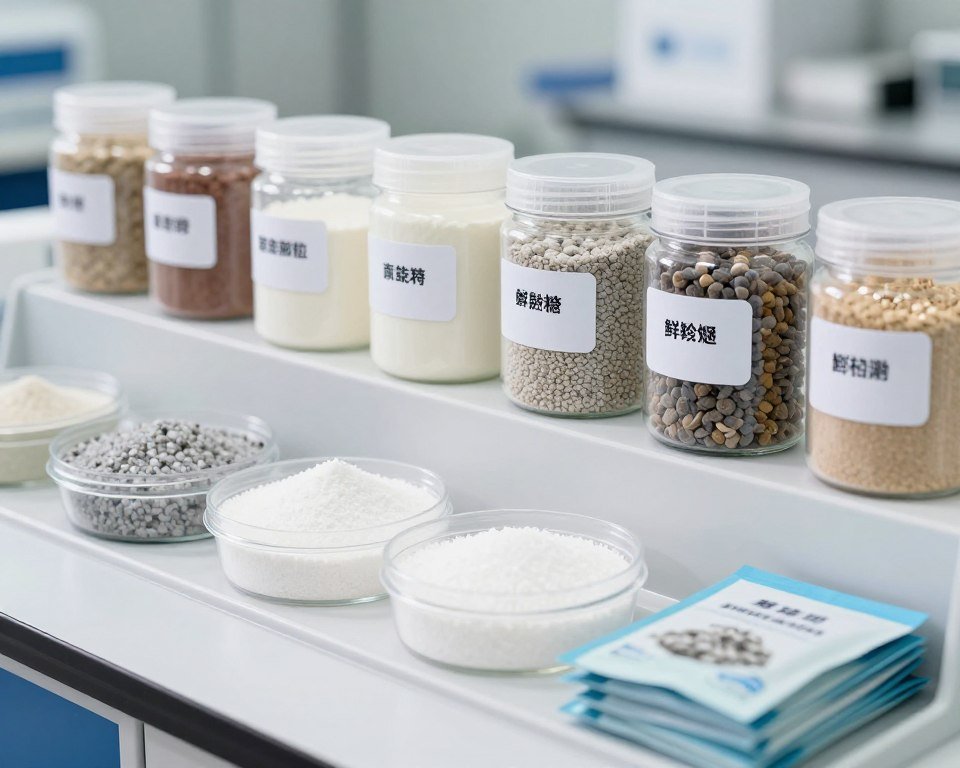
MAIKONG feed pellet machines distribute supplements evenly. Thorough mixing before pelleting ensures each pellet contains balanced nutrition. This eliminates selective feeding problems common with mash feeds.
Formulation Guidelines by Species
| Animal Type | Energy % | Protein % | Fiber % | Calcium % | Main Ingredients |
| Layer Chickens | 65-70% | 16-18% | 3-5% | 3.5-4.0% | Maize, soybean, limestone, fish meal |
| Broiler Chickens | 68-72% | 20-22% | 3-4% | 1.0-1.2% | Maize, soybean, fish meal, wheat |
| Dairy Cattle | 55-60% | 16-18% | 18-22% | 0.8-1.2% | Maize, cottonseed, wheat bran, soybean |
| Beef Cattle | 60-65% | 12-14% | 20-25% | 0.5-0.8% | Maize, sorghum, cottonseed, bran |
| Catfish | 45-50% | 35-40% | 4-6% | 1.5-2.0% | Fish meal, soybean, maize, blood meal |
| Pigs (Grower) | 65-68% | 15-17% | 5-7% | 0.7-0.9% | Maize, soybean, wheat bran, fish meal |
| Goats/Sheep | 58-62% | 14-16% | 15-20% | 0.6-1.0% | Maize, groundnut cake, wheat bran |
These formulations serve as starting points. Nigerian farmers adjust recipes based on ingredient availability and prices. A feed pellet machine handles various formulations with consistent pellet quality. MAIKONG provides formulation guidance as part of our technical support.
Operating Your Feed Pellet Machine Efficiently

Proper operation extends machine life and maintains pellet quality. MAIKONG trains operators during installation. Simple procedures prevent common problems. Regular maintenance schedules minimize downtime.
Daily Operation Checklist
Consistent routines ensure reliable production. Operators should complete these steps at startup and shutdown. These practices prevent damage and maintain output quality.
Before Starting Production
- Inspect die and rollers for wear or damage
- Check lubrication levels in gearbox
- Verify belt tension and alignment
- Clear any material from previous batch
- Test emergency stop button function
- Confirm ingredient preparation complete
- Start machine without load for 2 minutes
- Gradually introduce feed materials

During Production
- Monitor pellet appearance and consistency
- Check motor temperature (should not be excessive)
- Listen for unusual noises or vibrations
- Maintain steady material feed rate
- Verify pellet size with sample checks
- Keep production area clean and organized
Common Operating Issues and Solutions

Most feed pelletizing machine problems have simple solutions. Understanding causes helps operators respond quickly. MAIKONG provides troubleshooting support through WhatsApp.
Problem: Pellets Crumble or Break Apart
Causes: Insufficient moisture, wrong particle size, worn die, inadequate conditioning
Solutions: Add 2-3% moisture to ingredients. Ensure grinding produces 2-4mm particles. Replace worn dies (check for enlarged holes). Increase conditioning time or temperature.
Problem: Low Production Output
Causes: Worn rollers, blocked die holes, incorrect moisture content, poor ingredient quality
Solutions: Inspect and replace worn rollers. Clean die holes thoroughly. Adjust moisture to 14-16%. Check ingredient freshness and particle size. Verify motor power delivery.
Problem: Machine Vibrates Excessively
Causes: Loose mounting bolts, worn bearings, unbalanced rollers, foundation issues
Solutions: Tighten all mounting hardware. Replace worn bearings immediately. Check roller balance and alignment. Ensure machine sits on level, solid foundation. Add vibration dampening pads if needed.
Problem: Motor Overheating
Causes: Overloading, poor ventilation, electrical issues, excessive friction
Solutions: Reduce feed rate to rated capacity. Improve airflow around motor. Check electrical connections and voltage. Verify proper lubrication in all moving parts. Allow cooling breaks in hot Nigerian climate.
Problem: Uneven Pellet Length
Causes: Dull cutting knife, inconsistent material flow, worn die
Solutions: Sharpen or replace cutting blade. Adjust feeder for steady material flow. Replace die if holes are worn unevenly. Check for material bridging in hopper.
Maintenance Schedule
Preventive maintenance reduces breakdowns and extends equipment life. MAIKONG provides detailed maintenance manuals. Following schedules protects your investment.
| Frequency | Task | Time Required | Importance |
| Daily | Clean die and rollers, check lubrication, inspect belts | 15-20 minutes | Critical |
| Weekly | Thorough cleaning, bearing lubrication, belt tension adjustment | 45-60 minutes | High |
| Monthly | Die hole inspection, roller surface check, electrical connections | 2-3 hours | High |
| Quarterly | Gearbox oil change, bearing replacement (if needed), full inspection | 4-5 hours | Medium |
| Annually | Complete overhaul, replace all wear parts, recalibrate systems | 1-2 days | Critical |
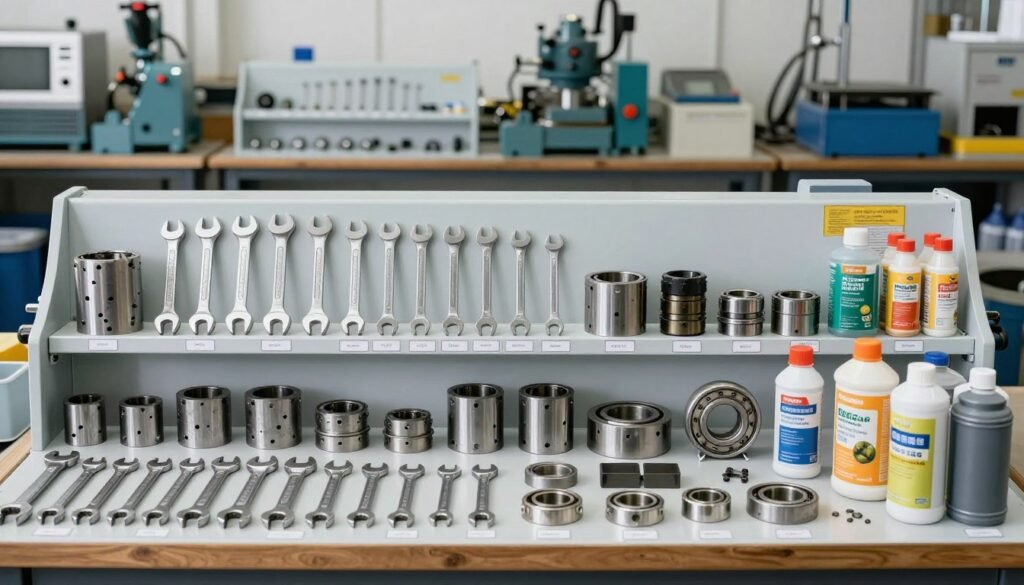
MAIKONG supplies spare parts directly to Nigerian customers. Critical components ship with machines. Additional parts arrive within 7-10 days when ordered. We maintain inventory specifically for African markets.
Why Nigerian Farmers Choose MAIKONG Feed Pellet Machines
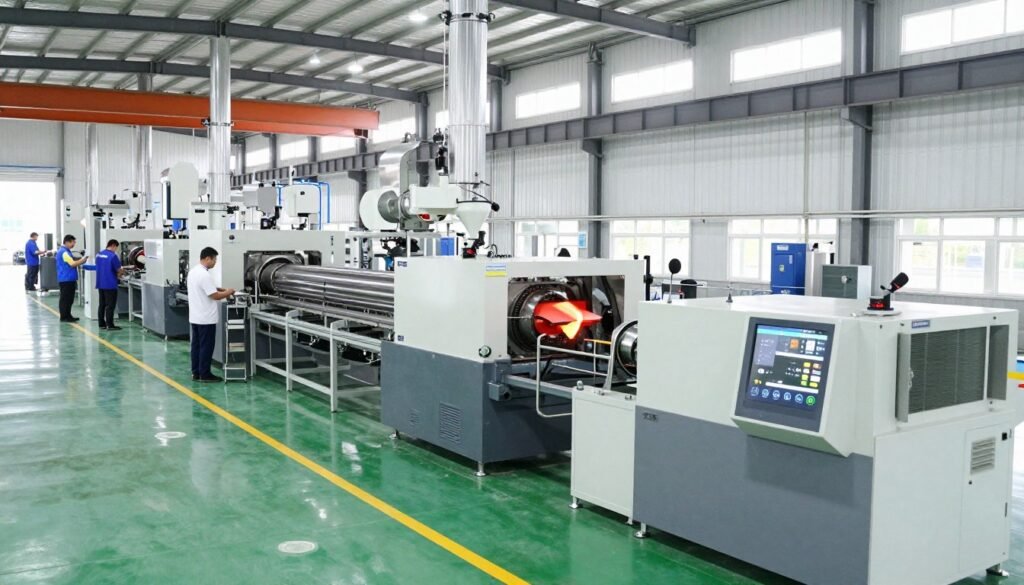
MAIKONG brings proven expertise to African agriculture. Our 20-year manufacturing history demonstrates commitment to quality. Nigerian farmers choose MAIKONG for performance, support, and value that competitors struggle to match.
Manufacturing Excellence Since 2004
Two decades of specialized production created refined designs. Our feed pellet machines incorporate feedback from thousands of customers globally. African operating conditions specifically influenced our engineering.

South African headquarters serves our African expansion. MAIKONG understands challenges Nigerian farmers face. Power fluctuations, dust, heat, and humidity all factored into our designs. Machines perform reliably under real Nigerian conditions.
MAIKONG Performance Advantages
- Heavy-duty construction for African conditions
- Voltage stabilization protects against power issues
- Dust-sealed bearings prevent contamination
- Tropical climate heat dissipation systems
- Simplified maintenance for local technicians
- Standard parts sourcing within Nigeria/Africa
- Multi-species versatility in single machine
- Efficient energy consumption reduces costs
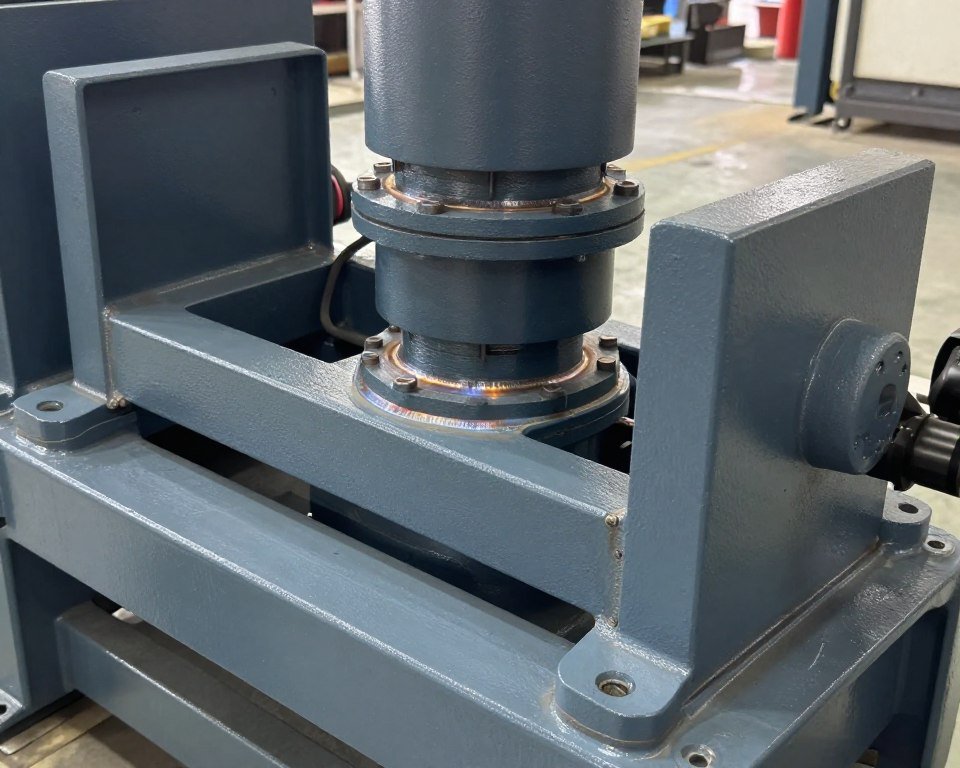 Construction quality differentiates MAIKONG equipment. We use high-grade steel throughout critical components. Dies and rollers undergo heat treatment for extended life. Powder coating resists corrosion in humid Nigerian environments.
Motors come from reliable manufacturers with proven service networks. Electrical components meet international standards. This attention to sourcing ensures parts availability and long service life.
Comprehensive Technical Support

Equipment purchase begins a long-term partnership. MAIKONG provides ongoing support throughout machine life. Our multilingual team understands English and local Nigerian languages. WhatsApp support responds within hours, not days.
MAIKONG Support Services
- Pre-Purchase Consultation: Free feasibility studies and ROI analysis tailored to your farm
- Installation Support: Detailed manuals plus video guidance for setup and commissioning
- Operator Training: Comprehensive training programs covering operation and basic maintenance
- Formulation Assistance: Feed recipe development using Nigerian ingredients
- 24/7 WhatsApp Technical Line: Quick response to operational questions and troubleshooting
- Video Diagnostics: Remote problem solving through video calls and photos
- Spare Parts Supply: Fast shipping of replacement components to Nigeria
- Upgrade Paths: Expansion options as your operation grows
Real people answer your questions. Automated systems frustrate customers. MAIKONG technical staff includes agricultural specialists who understand livestock farming. We speak your language about farming challenges, not just machinery specifications.
Customization for Nigerian Markets
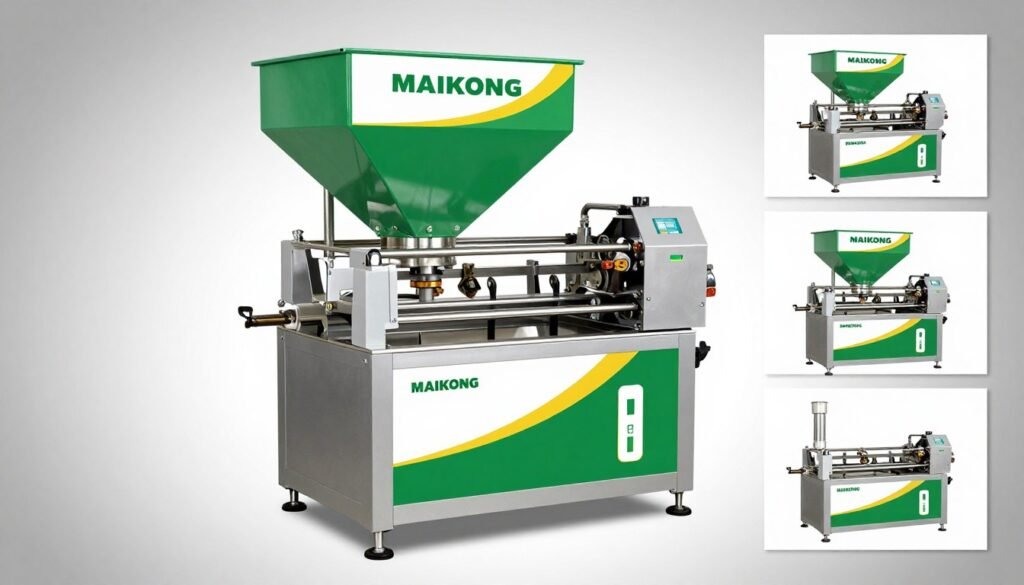
Standard machines suit most operations. Some farmers need specific adaptations. MAIKONG offers customization across performance and appearance parameters. Your feed pellet machine can match unique requirements.
Capacity Customization

Standard capacities cover most needs. Custom configurations handle specific volumes. We adjust motor power, die size, and feeding systems. Machines scale from 50 kg/hour to 5 tons/hour.
Power Options
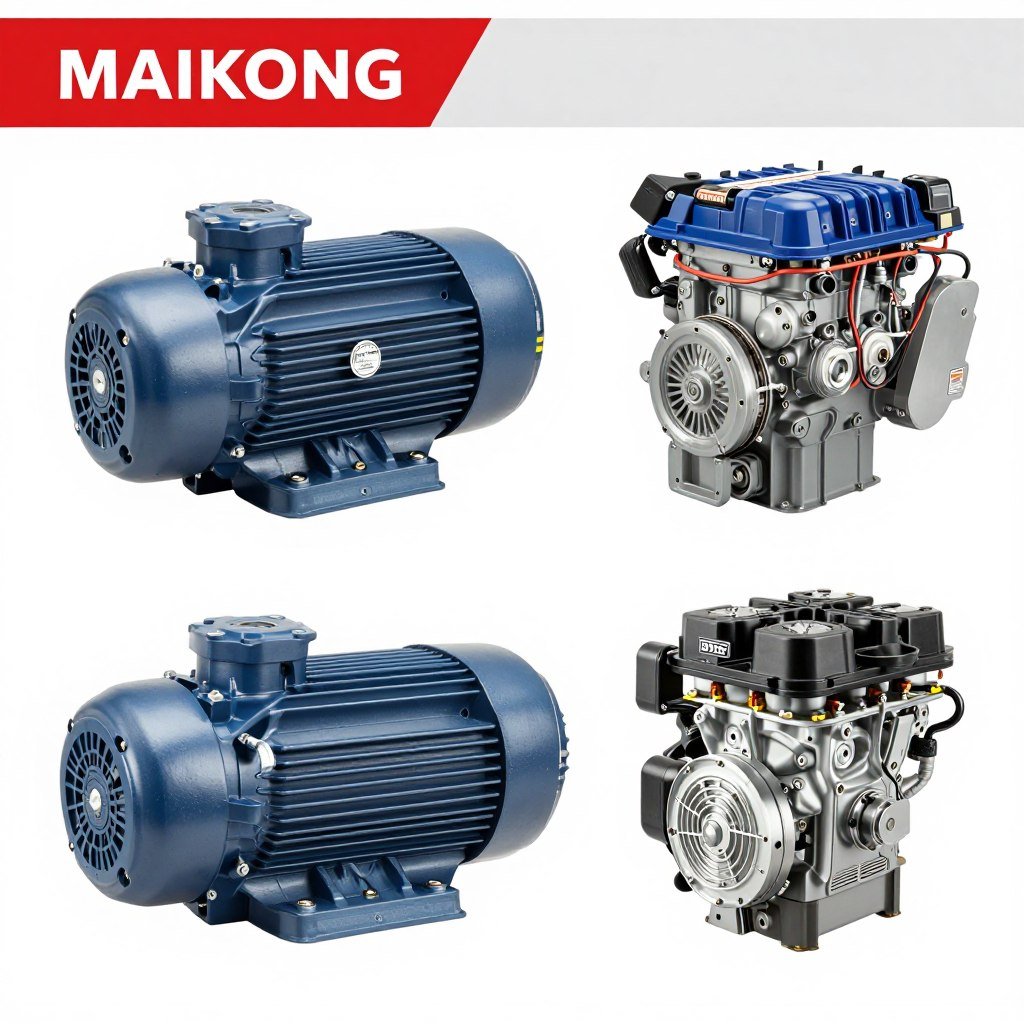
Unreliable electricity affects many Nigerian farms. Diesel engine drives provide independence. Hybrid electric-diesel systems offer flexibility. Solar compatible models suit off-grid operations.
Branding Options

Dealerships benefit from branded equipment. Your company name and colors create professional image. OEM options available for established distributors. Build your brand with quality MAIKONG manufacturing.
Competitive Pricing with Exceptional Value
Price matters to every Nigerian farmer. MAIKONG balances quality with affordability. We manufacture efficiently to control costs. Direct sales eliminate middleman markups that inflate competitor prices.
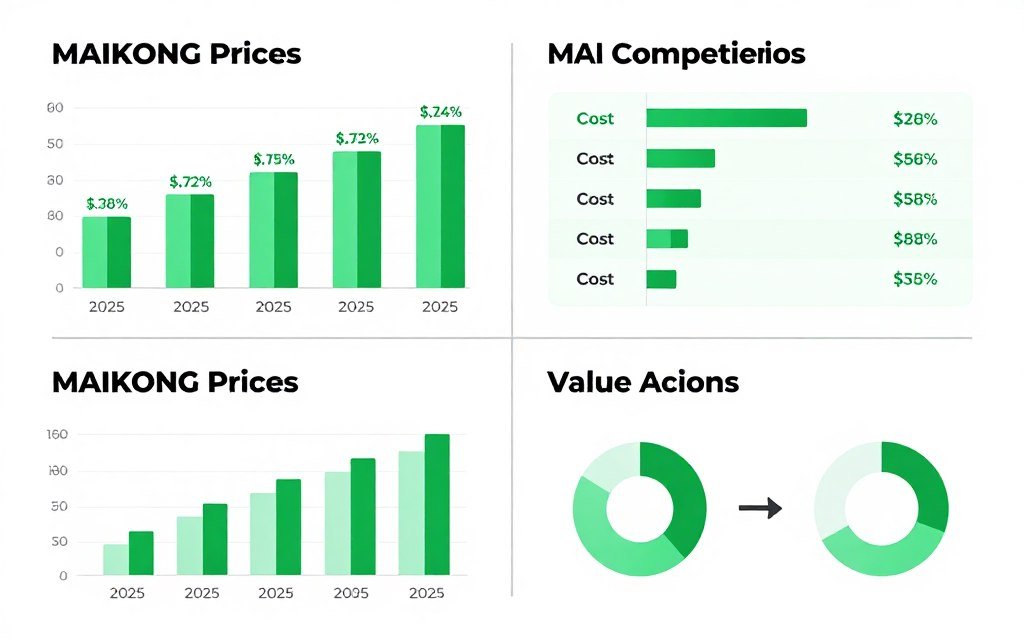
Cheap machines cost more long-term. Poor construction causes frequent breakdowns. Substandard components wear quickly. MAIKONG equipment delivers years of reliable service. Lower total ownership cost matters more than initial purchase price.
Total Cost of Ownership Analysis: A MAIKONG feed pellet machine costs 15-20% more than lowest-priced alternatives. However, our machines last 2-3 times longer with 40% less maintenance. Spare parts cost 30% less due to standard sizing. Over five years, MAIKONG ownership costs 35% less than budget brands while producing higher quality pellets.
Partnership and Dealership Opportunities
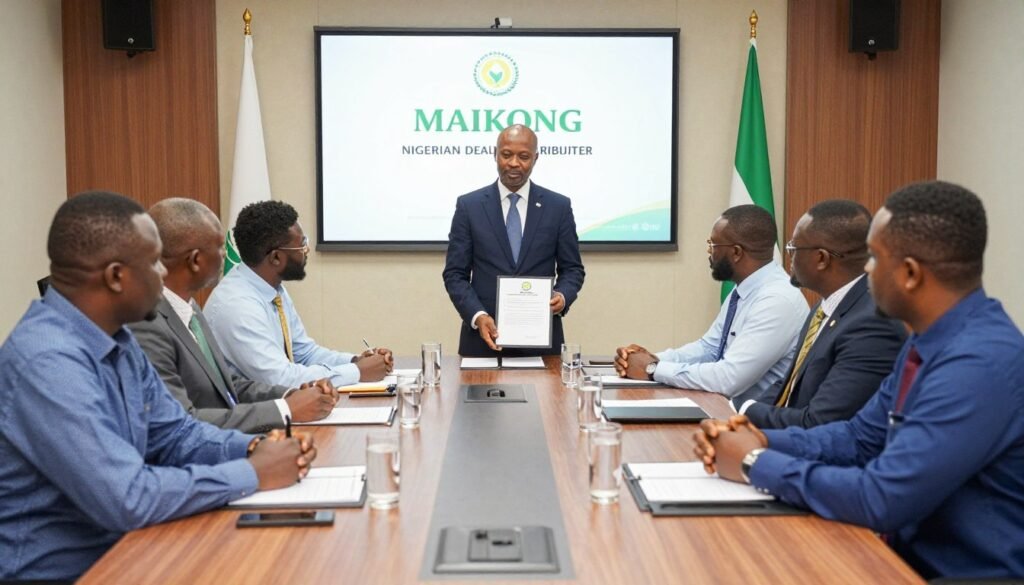
MAIKONG expands across Nigeria through strategic partnerships. We seek committed dealers who share our quality values. Dealership offers profitable business opportunity in growing agricultural equipment market.
Join MAIKONG Dealer Network in Nigeria
Represent a trusted international brand with 20 years of excellence. MAIKONG provides dealer training, marketing support, competitive pricing, and technical backup. Build a sustainable agricultural equipment business serving Nigerian farmers. Protected territory rights available for qualified partners.
Dealers receive comprehensive support packages. Marketing materials, technical training, and demonstration equipment help build your business. Attractive margins reward your investment and effort. MAIKONG grows when our partners succeed.
How to Purchase Your MAIKONG Feed Pellet Machine

Buying industrial equipment requires careful consideration. MAIKONG simplifies the process while ensuring informed decisions. Our transparent approach builds confidence from first contact through delivery and beyond.
Step-by-Step Buying Process
- Initial Contact: Reach us via WhatsApp, email, or phone. Describe your farming operation, animal types, and current feed consumption. We gather information to recommend appropriate equipment.
- Needs Assessment: Our team analyzes your requirements. We consider farm size, budget, power availability, and growth plans. Free feasibility study shows projected costs and returns.
- Equipment Recommendation: Based on assessment, we propose specific feed pellet machine models. Detailed specifications, pricing, and comparison information help you decide. Alternative options accommodate different budget levels.
- Customization Discussion: Special requirements get addressed during this phase. Custom capacity, power options, or branding choices finalize specifications. Clear quotation includes all costs without hidden fees.
- Order Confirmation: Accept quotation and formalize order with deposit payment. Production begins immediately for standard models. Custom machines require 15-20 days manufacturing time.
- Manufacturing and Quality Control: Your machine undergoes rigorous testing before shipment. We provide production photos and quality inspection reports. Transparency ensures confidence in your purchase.
- Shipping and Logistics: MAIKONG arranges export documentation and sea freight to Nigerian ports. We coordinate with local clearing agents. Delivery timeline typically 25-35 days from order confirmation.
- Installation Support: Detailed installation manuals accompany equipment. Video calls guide setup if needed. Operator training materials ensure proper use from day one.
- After-Sales Service: Ongoing support continues throughout machine life. Technical questions receive prompt attention. Spare parts orders ship quickly to minimize downtime.

Payment Terms and Options
MAIKONG offers flexible payment arrangements. We understand cash flow challenges in agricultural businesses. Multiple payment methods accommodate different situations.
Standard Payment Terms
- 30% deposit confirms order and begins production
- 70% balance before shipping from factory
- Bank transfer via international wire
- Letter of Credit accepted for large orders
- Payment in USD, EUR, or other major currencies
Deposit protects both parties. Manufacturers avoid uncommitted customers. Buyers receive priority production scheduling. Balance payment before shipping ensures quality standards met before departure.
Special Arrangements
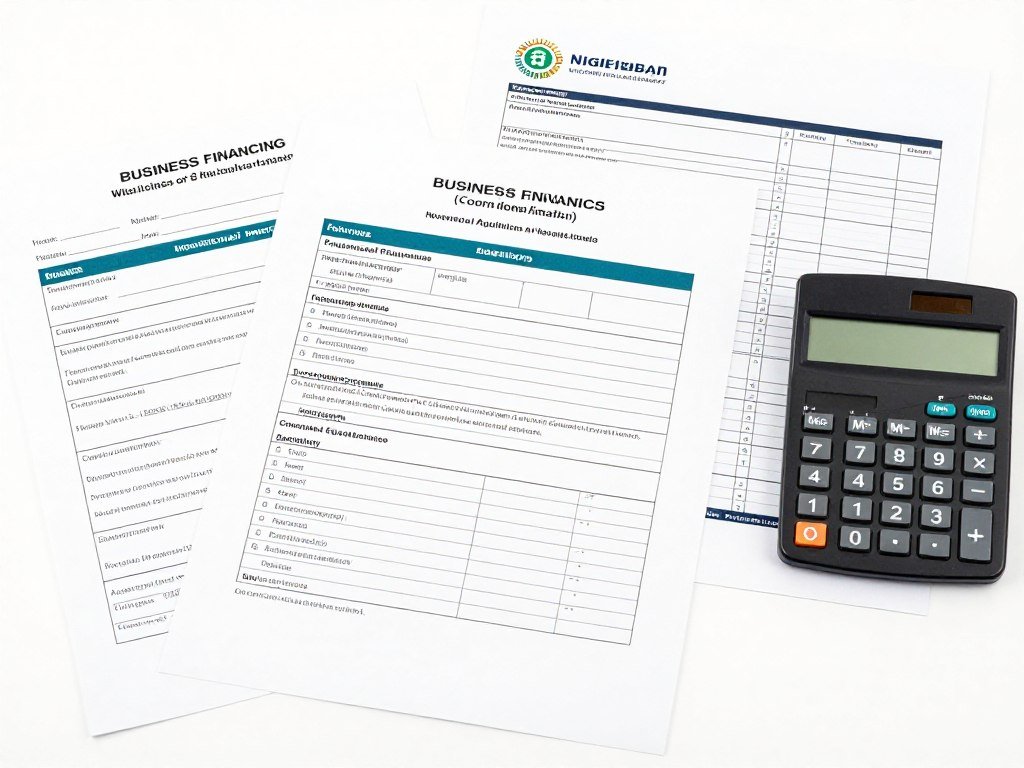
- Equipment financing available through partner lenders
- Cooperatives qualify for group purchase discounts
- Government project orders receive special terms
- Trade-in credit for old equipment (conditions apply)
Large orders or established customers may negotiate terms. MAIKONG works with several agricultural lending institutions. We provide documentation supporting loan applications. Your success builds our reputation.
Warranty and Guarantees
Every MAIKONG feed pellet machine includes comprehensive warranty coverage. We stand behind our manufacturing quality. Warranty terms exceed industry standards because we build equipment that lasts.
| Component | Warranty Period | Coverage Details |
| Main Machine Frame | 3 Years | Structural defects, welding failures, frame cracks or warping |
| Motor and Gearbox | 2 Years | Manufacturing defects, winding failures, bearing defects |
| Dies and Rollers | 1 Year | Material defects, premature wear under normal use |
| Electrical Components | 1 Year | Control systems, switches, wiring manufacturing issues |
| Bearings and Seals | 1 Year | Manufacturing defects, premature failure with proper maintenance |
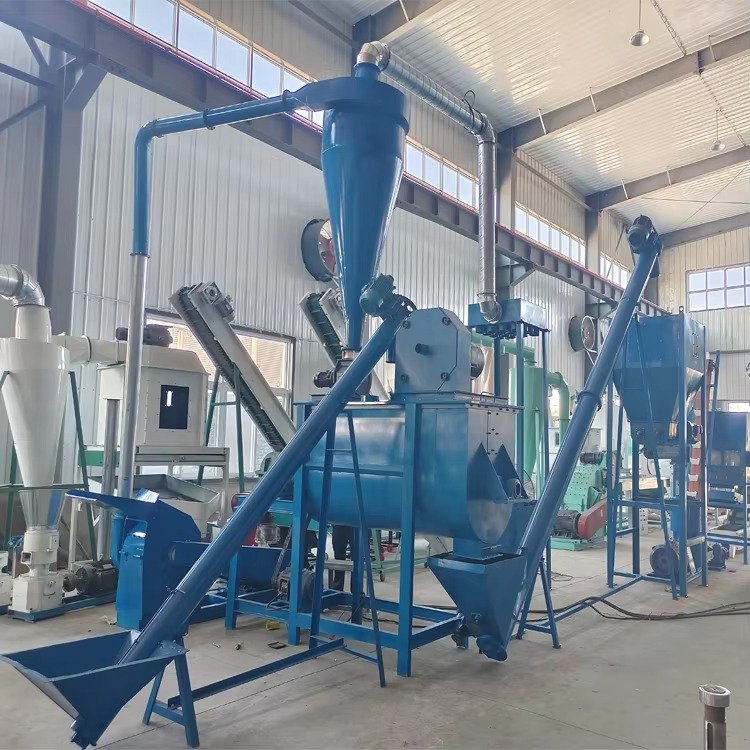
Warranty covers manufacturing defects and material failures. Normal wear items like dies and rollers have limited coverage. Proper maintenance and operation as specified in manual are warranty conditions. Abuse, modification, or misuse void coverage.
Claims receive quick attention. Submit photos and description via WhatsApp or email. MAIKONG evaluates and responds within 48 hours. Approved claims receive replacement parts by express shipping at our expense.
Common Questions About Feed Pellet Machines in Nigeria

Nigerian farmers frequently ask similar questions. These answers address common concerns and help make informed purchasing decisions.
What is the minimum order quantity for MAIKONG feed pellet machines?
MAIKONG sells individual machines directly to farmers. No minimum order requirement exists. Single machine purchases receive the same quality and support as large orders. This policy makes professional equipment accessible to small-scale Nigerian farmers who might otherwise be excluded.
How long does a feed pellet machine last with proper maintenance?
MAIKONG machines typically operate 10-15 years with regular maintenance. Main frames last even longer. Wear components like dies and rollers need replacement every 6-18 months depending on usage intensity. Motors and gearboxes often exceed 10,000 operating hours. Proper care significantly extends lifespan. We have customers using machines for over 12 years with original frames and motors.
Can one machine produce pellets for different animal species?
Yes. MAIKONG feed pellet machines handle multiple formulations. Change pellet diameter by replacing the die. A machine producing 4mm poultry pellets switches to 8mm cattle pellets with a die change taking 20-30 minutes. This versatility benefits mixed farms raising chickens, goats, and pigs. Most Nigerian farmers producing under 500kg daily use one machine for all species.
What power source is needed to operate a feed pelletizing machine?
Small machines (100-200 kg/hour) run on single-phase 220V power common in Nigerian homes. Larger models require three-phase 380V electricity typical in commercial installations. MAIKONG also offers diesel engine drives for areas with unreliable power. Solar-compatible DC motor versions suit off-grid locations. Specify your power situation when ordering to receive appropriate configuration.
Do I need special training to operate a feed pellet machine?
No specialized education is required. Basic literacy and mechanical understanding suffice. MAIKONG provides comprehensive operator manuals in English. Video tutorials demonstrate startup, operation, and maintenance. Most operators become proficient within 2-3 days of hands-on practice. Safety training takes priority to prevent accidents. Our support team answers questions during your learning period.
Where can I source spare parts for MAIKONG machines in Nigeria?
MAIKONG supplies spare parts directly from our warehouse. Order via WhatsApp or email. Express shipping delivers to major Nigerian cities within 7-10 days. Common wear parts like dies and rollers ship with machines. We are building a Nigerian dealer network that will stock frequently needed components locally. Some generic parts like bearings and belts are available at industrial suppliers across Nigeria.
What is the noise level during feed pellet machine operation?
Operating noise ranges from 75-85 decibels depending on machine size. This compares to heavy traffic or a busy restaurant. Not excessively loud but noticeable. Locate machines away from living areas when possible. Operators working extended periods should use hearing protection. Enclosed buildings reduce noise transmission to surrounding areas. Our designs minimize vibration that contributes to noise.
Can a manual feed pellet machine produce enough for commercial farming?
Manual machines suit small-scale operations only. Production of 50-100 kg/hour requires continuous physical effort. One person cannot sustain this output more than 2-3 hours daily. Manual models work for 100-300 chickens or 10-20 goats. Larger operations need electric machines for economical production. Consider manual equipment for testing before larger investment or very small hobby farms.
How does Nigerian humidity affect feed pellet machine performance?
High humidity challenges feed production. Ingredients absorb moisture from air. This affects pelleting and storage. MAIKONG machines include sealed bearings and rust-resistant coatings for tropical climates. Store ingredients in dry conditions. Pellet coolers help remove excess moisture after production. Our designs account for Nigerian weather patterns. Proper building ventilation prevents most humidity problems.
What financing options exist for purchasing feed pellet machines in Nigeria?
Several Nigerian agricultural lenders provide equipment financing. Bank of Agriculture offers machinery loans to qualifying farmers. Some microfinance institutions serve small-scale operators. MAIKONG provides documentation supporting loan applications including proforma invoices and ROI projections. Government agricultural programs occasionally subsidize equipment purchases. Farmer cooperatives can pool resources for group purchases. Contact us for current financing partner information.
Still Have Questions?
Every farm situation is unique. MAIKONG technical experts provide personalized answers to your specific questions. No question is too basic or complex. We prefer informed customers who understand their equipment. Contact us for detailed discussion about your feed pellet machine needs.
Take the Next Step Toward Feed Independence
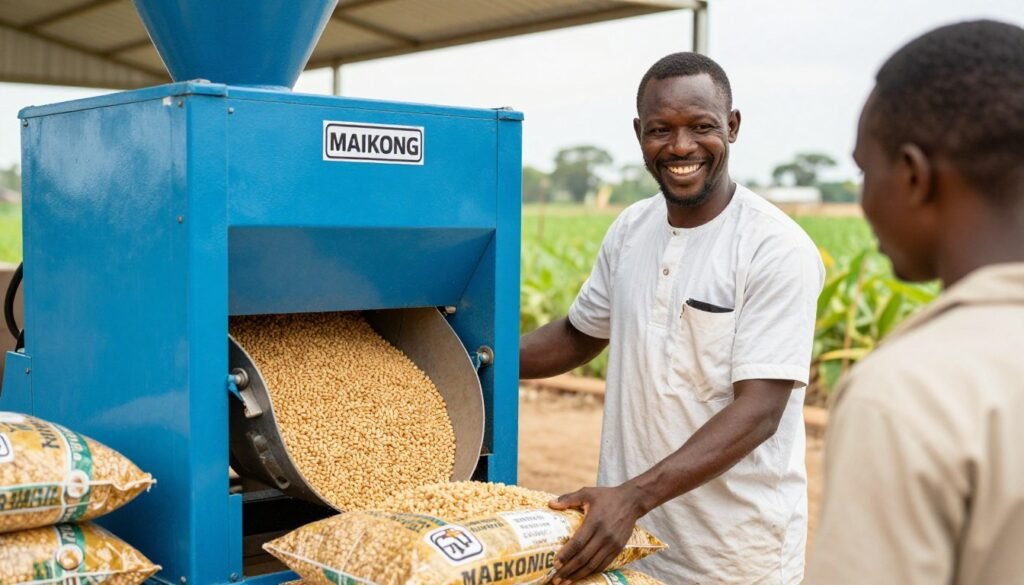
Feed costs pressure every livestock operation. A MAIKONG feed pellet machine puts control back in your hands. Produce quality feed at known costs using local ingredients. Reduce dependence on expensive commercial suppliers.
Thousands of African farmers transformed their operations with pelleting equipment. Nigerian poultry producers, cattle ranchers, fish farmers, and pig operations all benefit. The technology works across species and farm sizes.
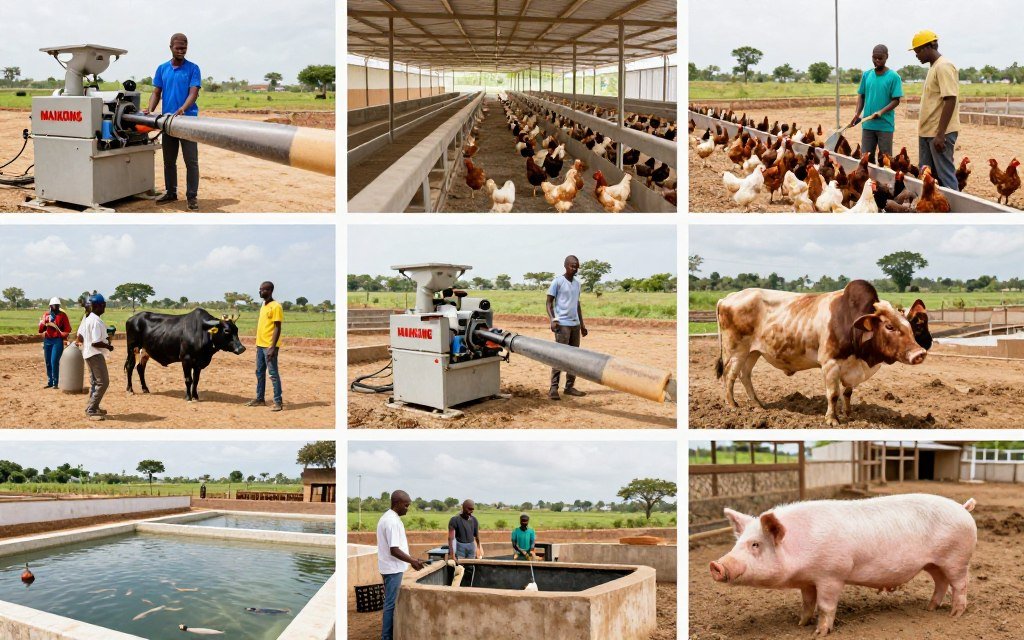
MAIKONG commitment extends beyond equipment sales. We partner with Nigerian farmers for long-term success. Technical support, spare parts availability, and continuous improvement demonstrate our dedication. Your success builds our reputation.
Contact MAIKONG Today
Start your journey toward feed cost reduction and improved livestock performance. MAIKONG team stands ready to answer questions, provide quotations, and guide equipment selection. Multiple contact methods ensure convenience regardless of your location in Nigeria.
Direct Contact Information
WhatsApp provides fastest response. Our technical team monitors messages daily. Send photos of your farm, describe your situation, and ask questions. Expect reply within 6-12 hours during business days.
Email works best for detailed inquiries requiring documentation. Attach photos, specifications, or drawings. We respond within 24 hours with comprehensive information. Email creates written record helpful during decision-making process.

Online Resources
Visit our website for additional information, product catalogs, and technical specifications. Video demonstrations show machines in operation. Customer testimonials from Nigerian and African farmers provide real-world insights.
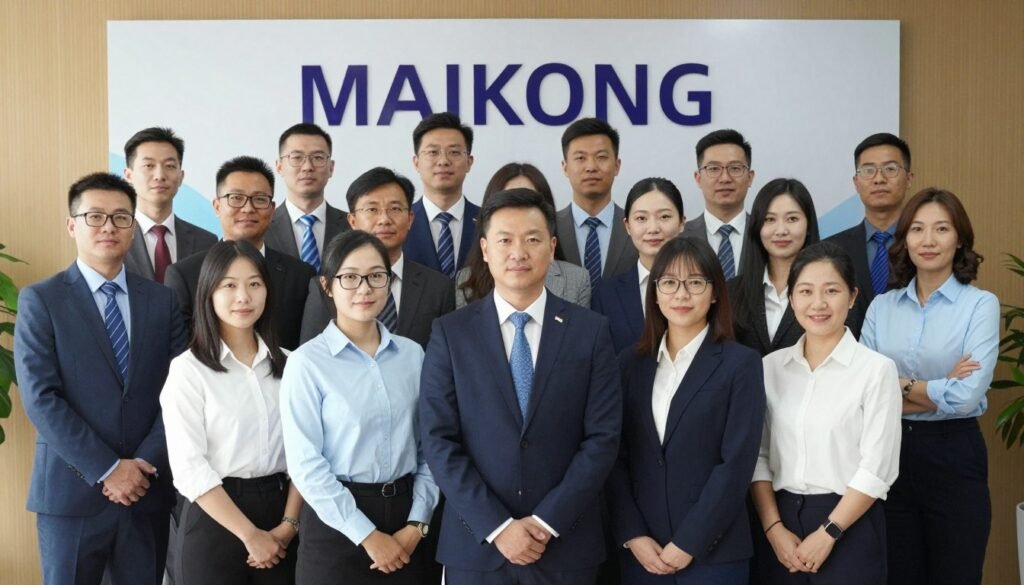
Special Offer for Nigerian Farmers
MAIKONG values early adopters who trust our brand. Contact us mentioning this article to receive special consideration. We are actively building our Nigerian dealer network and seeking farm partnerships for case studies and demonstrations.
Limited Time Benefits
- Free feasibility study and ROI analysis for your specific farm ($500 value)
- Complimentary feed formulation consultation using Nigerian ingredients
- Extended warranty consideration for qualifying operations
- Priority spare parts allocation for first 50 Nigerian customers
- Potential for featured case study with promotional benefits
- Dealer inquiries receive exclusive territory consideration
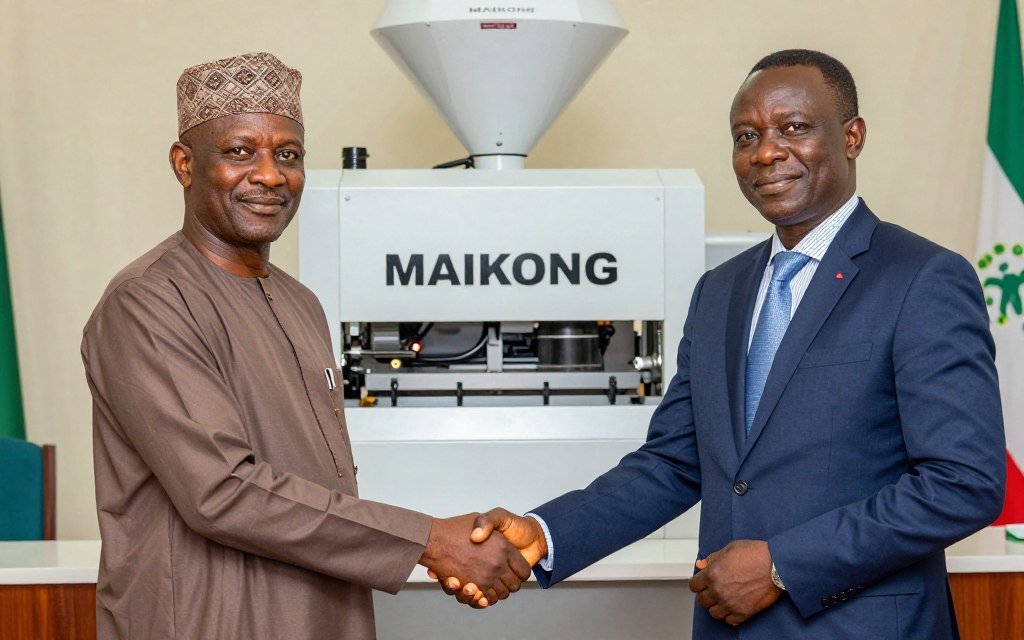
Nigerian agriculture grows stronger when farmers control production costs. MAIKONG feed pellet machines provide tools for that control. Quality equipment, genuine support, and fair pricing create partnerships that last decades. Join successful Nigerian farmers who already discovered these benefits.
Your livestock deserve consistent, quality nutrition. Your operation deserves reliable, efficient equipment. MAIKONG delivers both. Contact us today to begin your feed independence journey.
Start Your Feed Production Journey
Twenty years of manufacturing expertise. Thousands of satisfied customers across Africa. Comprehensive support throughout equipment life. MAIKONG commitment to your success. Contact us now to discuss your feed pellet machine requirements and discover how we can transform your livestock operation.