
MAIKONG brings over 20 years of manufacturing expertise to the Nigerian market. Our feed pellet machines are specifically designed for African farming conditions. We understand the unique challenges Nigerian farmers face and have built equipment that addresses these needs directly.
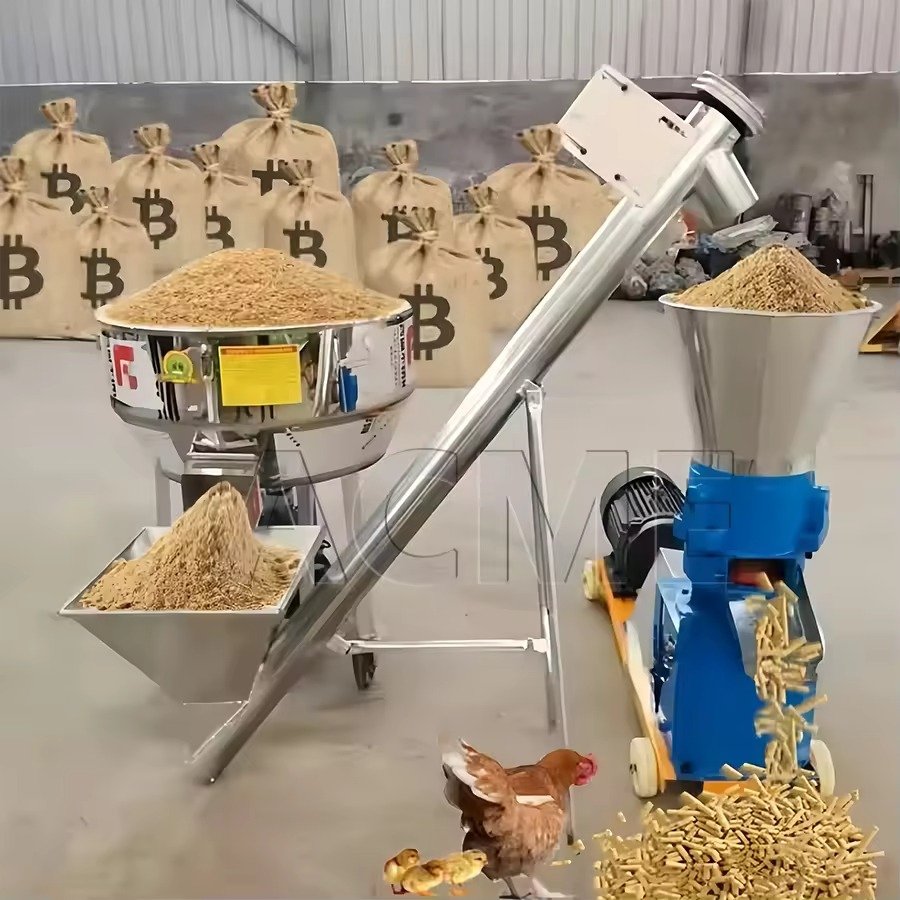
This guide will show you how a small feed pellet machine can transform your poultry operation. You will learn about different machine types, production capabilities, and real cost savings. We will also share case studies from Nigerian farms that have already made the switch.
Start Saving on Feed Costs Today
Get a free quote on MAIKONG feed pellet machines tailored to your farm size. Our team will help you calculate potential savings and recommend the right equipment.
Understanding Feed Making Machines: What They Are and How They Work
A feed making machine transforms raw agricultural materials into compressed pellets. The machine takes ingredients like maize, soybeans, fish meal, and vitamins. It grinds them into fine particles. Then it compresses these particles through a die under high pressure and heat.
The compression process creates dense, uniform pellets. These pellets have several advantages over loose mash feed. They reduce waste because birds cannot selectively pick ingredients. The pellets also improve nutrient absorption and make storage easier.
Core Components of a Feed Pellet Machine
Every feed pellet machine contains several essential parts. The feeder hopper holds raw materials before processing. The mixing chamber ensures ingredients blend evenly. The conditioning system adds steam or water to improve pellet quality.
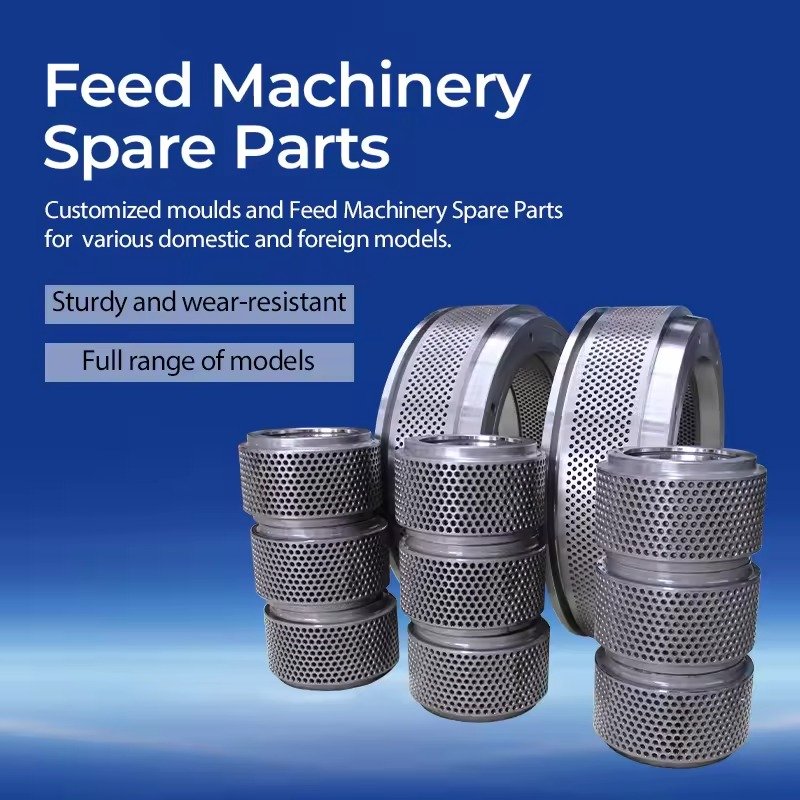
The pelletizing chamber houses the die and rollers. This is where compression happens. The die is a thick metal disc with small holes. Rollers press material through these holes to form pellets. A cutting knife slices the extruded pellets to the desired length.
The Pelletizing Process Step by Step
The process starts with raw material preparation. Farmers must grind ingredients to the correct particle size. Most feed pellet machines work best with materials ground to 3-5mm. Moisture content also matters significantly.
Once prepared materials enter the machine, several things happen quickly. The conditioning system adds moisture and heat. This makes the material sticky and easier to compress. The mixture moves to the pelletizing chamber.
Inside the chamber, rotating rollers push material against the die. Pressure builds up to 3000-4000 PSI in commercial machines. This extreme pressure forces material through the die holes. Friction generates additional heat that helps bind the pellets.
Fresh pellets emerge hot and soft. They pass through a cooling system that hardens them. A vibrating screen separates properly formed pellets from fines and broken pieces. The finished product is ready for storage or immediate use.
Types of Feed Pellet Machines Available
Several pellet machine designs serve different needs. Flat die machines are popular for small-scale operations. They are simpler to operate and maintain. These machines work well for farms producing 50-500 kg per hour.
Ring die machines offer higher capacity for larger operations. They can produce 1-20 tons per hour depending on the model. These machines cost more but deliver better pellet quality and longer operational life.
Flat Die Feed Pellet Machine
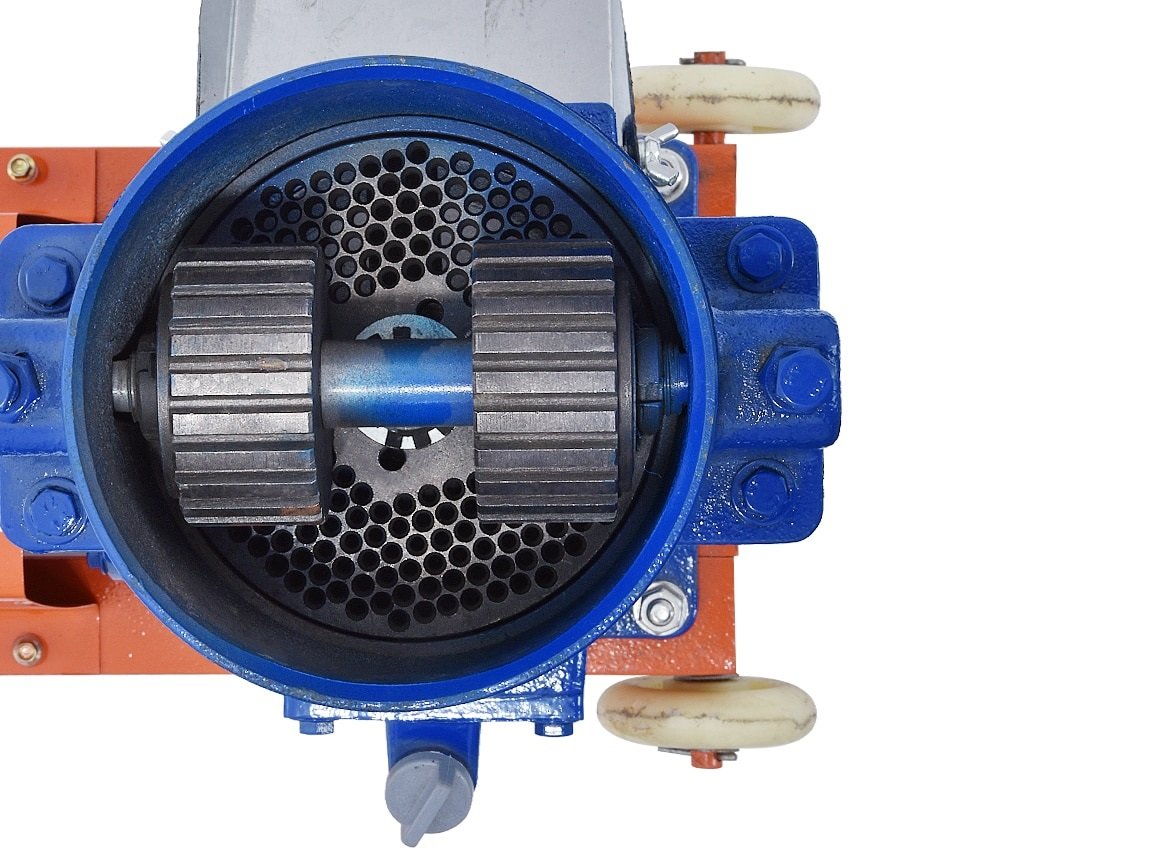
Flat die models feature a horizontal die with vertical rollers. Material drops onto the die surface and rollers compress it through holes. This design is easier to clean and maintain. It suits backyard farmers and small operations perfectly.
These machines typically handle 100-300 kg per hour. Power requirements range from 7.5 to 22 kW. The simpler design means fewer parts that can break. Replacement parts also cost less than ring die alternatives.
Ring Die Feed Pellet Machine
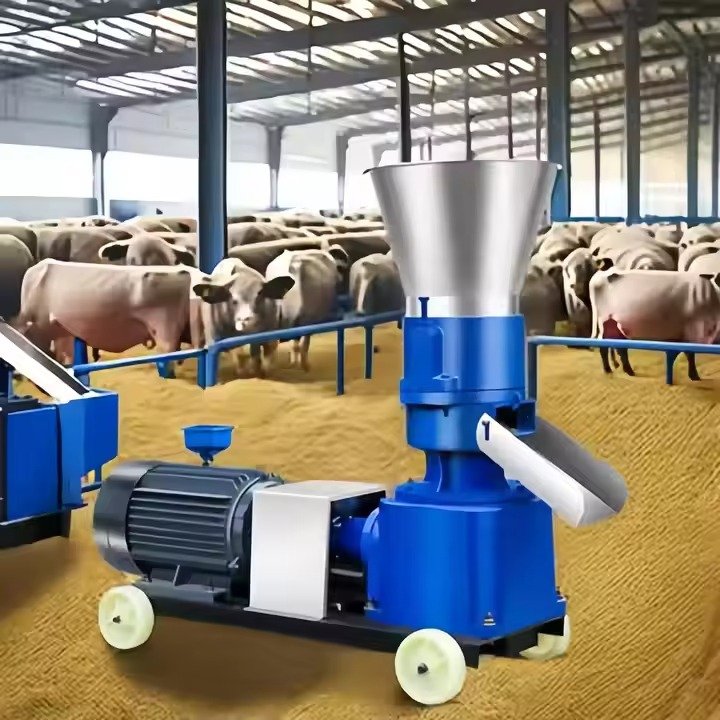
Ring die machines use a cylindrical die with internal rollers. This configuration provides more compression surface area. Higher compression means denser, more durable pellets. Commercial feed pellet production facilities prefer this design.
Production capacity starts at 1 ton per hour and scales up significantly. These machines require 37-132 kW motors. They cost more initially but deliver lower cost per ton for high-volume operations.
Manual vs. Diesel vs. Electric Feed Pellet Machines
Power source significantly affects machine selection. Manual feed pellet machines require human effort to operate. A farmer turns a crank or pushes a lever to compress material. These machines suit very small operations with limited budgets.
Electric machines dominate the market. They offer consistent power and easy operation. Electric motors provide precise speed control. This improves pellet quality. However, reliable electricity access is required.
Diesel engine models work anywhere. They are perfect for farms with unreliable power supply. The diesel engine provides independent operation. Operating costs are higher than electric models, but flexibility matters more in remote areas.
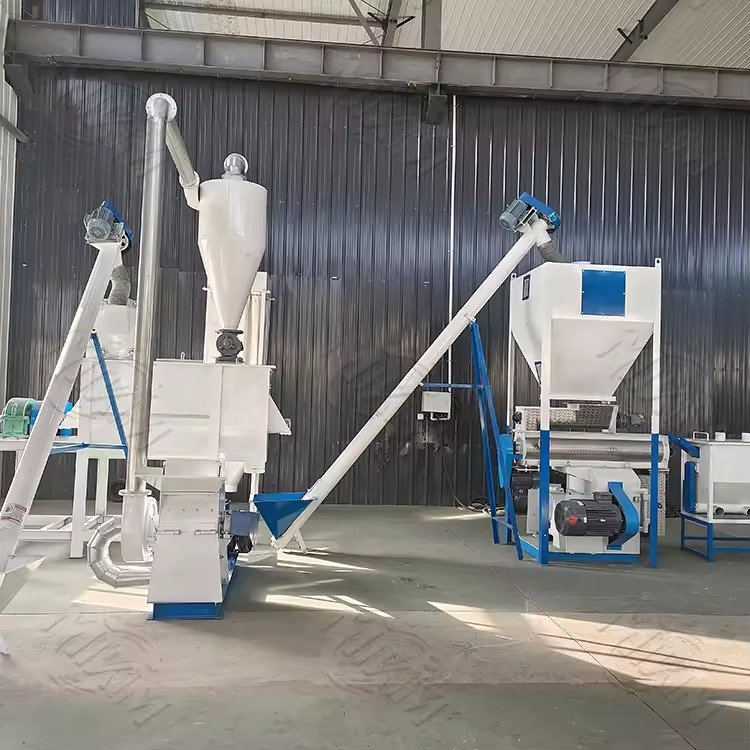
Why Nigerian Farmers Need Feed Making Machines: Economic Benefits and Cost Savings
Commercial feed prices in Nigeria have increased dramatically over the past five years. A 25kg bag that cost ₦3,500 in 2019 now sells for ₦8,000 or more. This 128% increase has devastated profit margins for small poultry farmers.
Producing your own feed pellets changes this equation completely. Raw materials like maize, soybeans, and fish meal cost significantly less than finished feed. A farmer can produce the same 25kg of quality feed for approximately ₦3,200 in material costs.
Real Cost Comparison: Commercial vs. Self-Produced Feed
| Feed Type | Commercial Price (25kg) | Self-Production Cost (25kg) | Savings per Bag | Monthly Savings (100 bags) |
| Starter Feed | ₦8,500 | ₦3,400 | ₦5,100 | ₦510,000 |
| Grower Feed | ₦7,800 | ₦3,100 | ₦4,700 | ₦470,000 |
| Layer Feed | ₦8,200 | ₦3,300 | ₦4,900 | ₦490,000 |
| Broiler Finisher | ₦8,000 | ₦3,200 | ₦4,800 | ₦480,000 |
These numbers demonstrate dramatic savings potential. A medium-sized poultry operation using 100 bags monthly saves ₦470,000 to ₦510,000. Over twelve months, this adds up to ₦5.64 million to ₦6.12 million in reduced feed expenses.
Return on Investment Timeline
MAIKONG small feed pellet machines range from ₦850,000 to ₦2.8 million depending on capacity and features. Let’s examine realistic payback periods for different farm sizes.
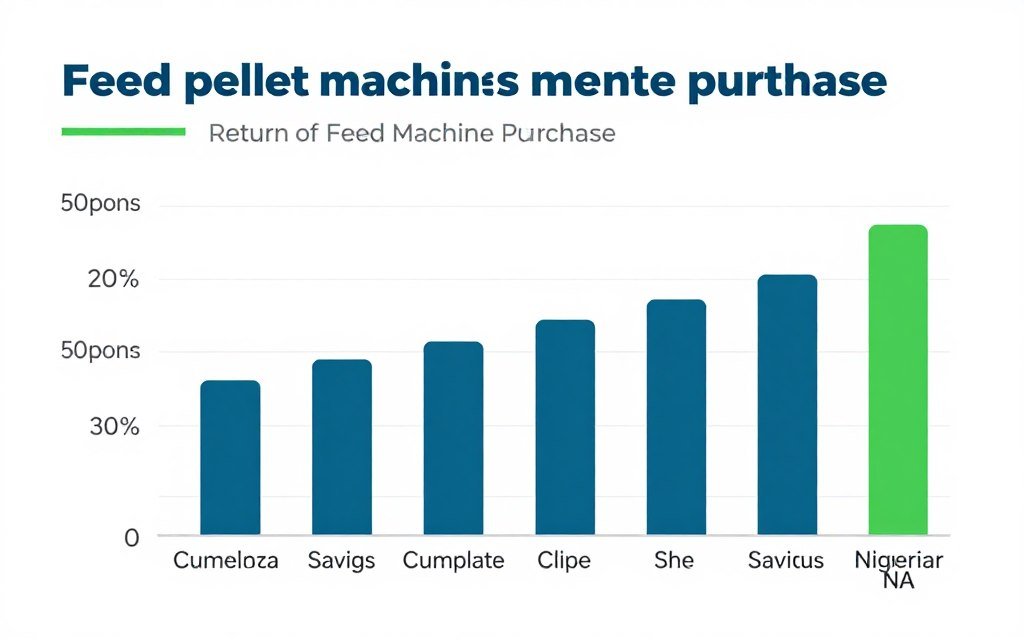
A small backyard farmer with 200 birds uses approximately 30 bags of feed monthly. With ₦4,800 average savings per bag, monthly savings reach ₦144,000. A basic feed pellet machine costing ₦950,000 pays for itself in 6.6 months.
A medium-scale farm with 1,000 birds consumes roughly 150 bags monthly. Monthly savings total ₦720,000. Even a higher-capacity machine costing ₦2.2 million recovers its cost in just 3.1 months.
Large operations with 5,000+ birds see even faster returns. These farms use 750+ bags monthly. Savings exceed ₦3.6 million per month. Machine investment recovers in under two months.
Additional Economic Benefits Beyond Feed Cost Savings
Feed quality improvement represents significant hidden value. Commercial feeds often contain fillers that reduce nutritional value. When you control the recipe, you ensure optimal nutrition. This leads to better bird health and faster growth rates.
Improved feed conversion ratios directly boost profitability. Birds on quality animal feed pellets convert feed to meat or eggs more efficiently. A 5-10% improvement in feed conversion can increase profits by 15-20%.
Storage advantages also matter. Pelleted feed takes up less space than mash. The compressed pellets resist moisture and pests better. This reduces spoilage losses that can reach 8-12% with mash feeds.
Feed Waste Reduction
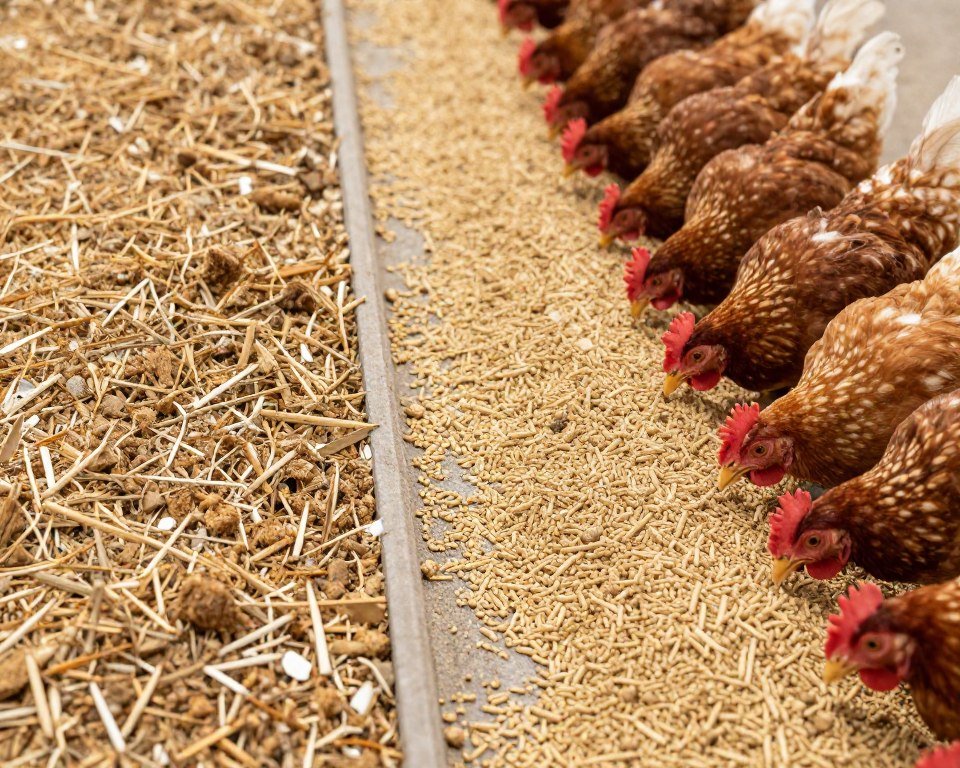
Loose mash allows selective feeding. Birds pick out preferred ingredients and scatter the rest. This selective behavior wastes 15-25% of feed. Pelleted feed eliminates this problem completely.
Each pellet contains a balanced mix of all ingredients. Birds must consume the entire pellet to get any nutrition. This ensures proper nutrient intake while reducing waste to under 3%.
Control Over Feed Formulation
Commercial feed manufacturers use standard formulas. These formulas may not match your specific bird requirements. Different breeds, ages, and production goals need different nutrition profiles.
A feed pellet making machine gives you complete formulation control. You can adjust protein levels for different growth stages. You can add supplements for specific health challenges. You can create specialized feeds for premium markets.
This flexibility enables premium product positioning. Organic egg producers can create certified organic feed. Free-range operations can incorporate more natural ingredients. These premium products command higher market prices.
Calculate Your Potential Savings
Our team will analyze your current feed costs and production volume. We will provide a detailed ROI calculation specific to your operation. Contact us for a free consultation.
MAIKONG Feed Pellet Machines: Product Range and Specifications
MAIKONG manufactures a comprehensive range of pellet machines for different agricultural applications. Our feed pellet machine lineup addresses the specific needs of Nigerian farmers. Each model balances performance, durability, and affordability.
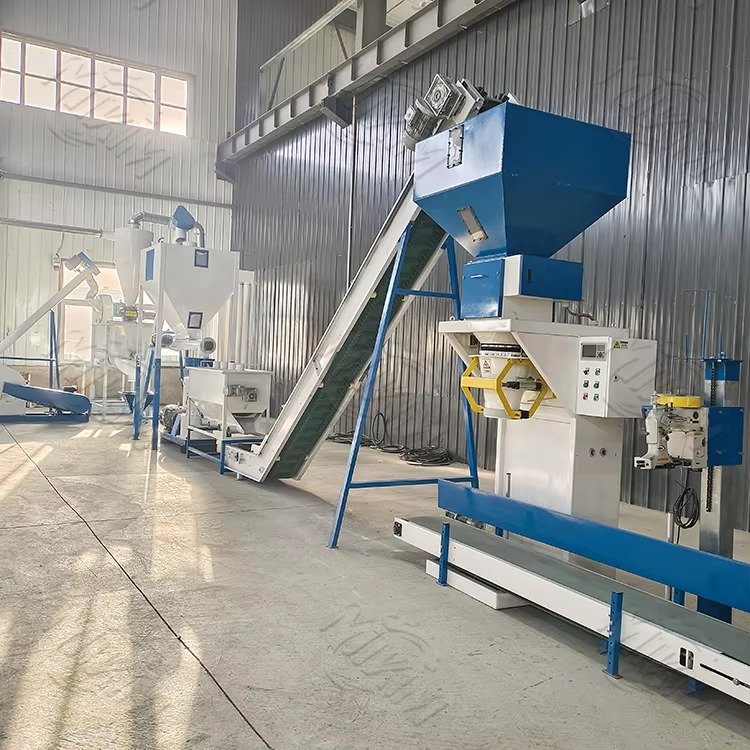
Small-Scale Poultry Feed Pellet Machines
Our entry-level models serve backyard farmers and small poultry operations. The MAIKONG MK-120 pellet making machine produces 80-120 kg of feed pellets per hour. This capacity suits farms with 100-500 birds perfectly.
The compact design requires minimal space. The entire unit measures just 850mm x 420mm x 780mm. Total weight is 85 kg, making it easy to move when needed. Power consumption is only 3 kW on single-phase electric supply.
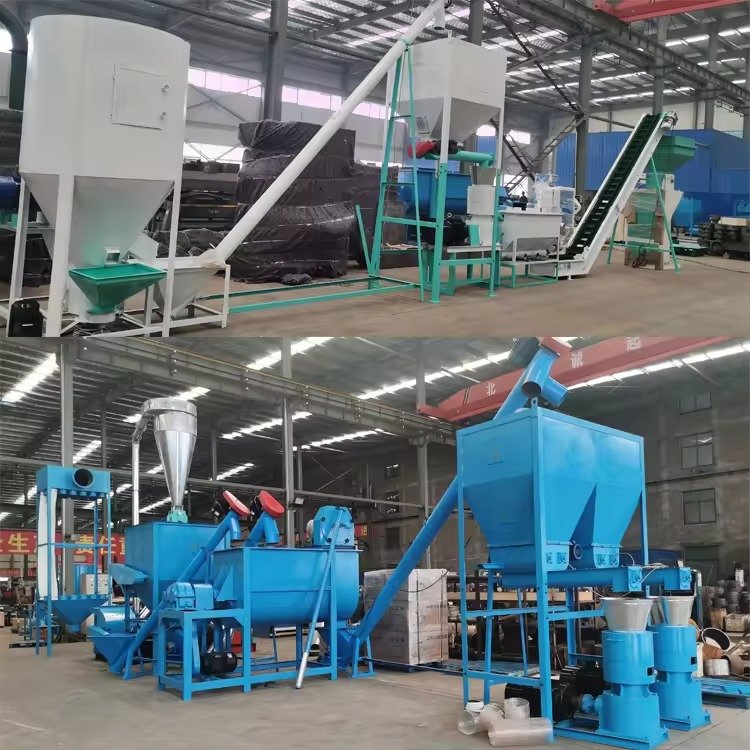
MAIKONG MK-120 Flat Die Model
- Production capacity: 80-120 kg/hour
- Motor power: 3 kW (single phase)
- Pellet size: 2-8mm diameter
- Ideal for: 100-500 birds
- Die diameter: 120mm
- Weight: 85 kg
This model works perfectly for farmers starting their feed production journey. Simple controls make operation easy even for first-time users. Maintenance requirements are minimal.
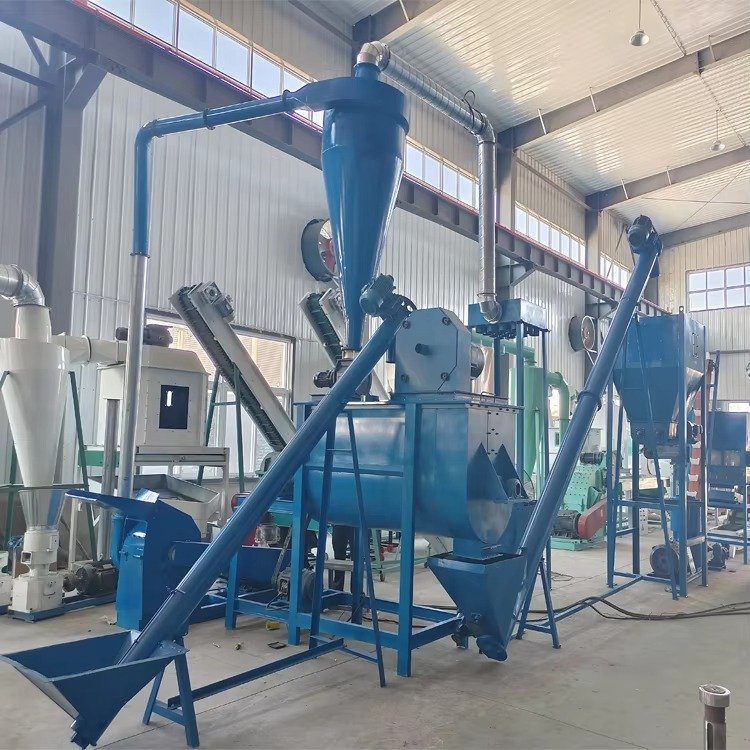
MAIKONG MK-210 Medium Capacity
- Production capacity: 150-250 kg/hour
- Motor power: 7.5 kW (three phase)
- Pellet size: 2-8mm diameter
- Ideal for: 500-1,500 birds
- Die diameter: 210mm
- Weight: 180 kg
Growing farms appreciate this model’s balance of capacity and efficiency. The larger die surface delivers consistent pellet quality. Production speed meets demands of expanding operations.
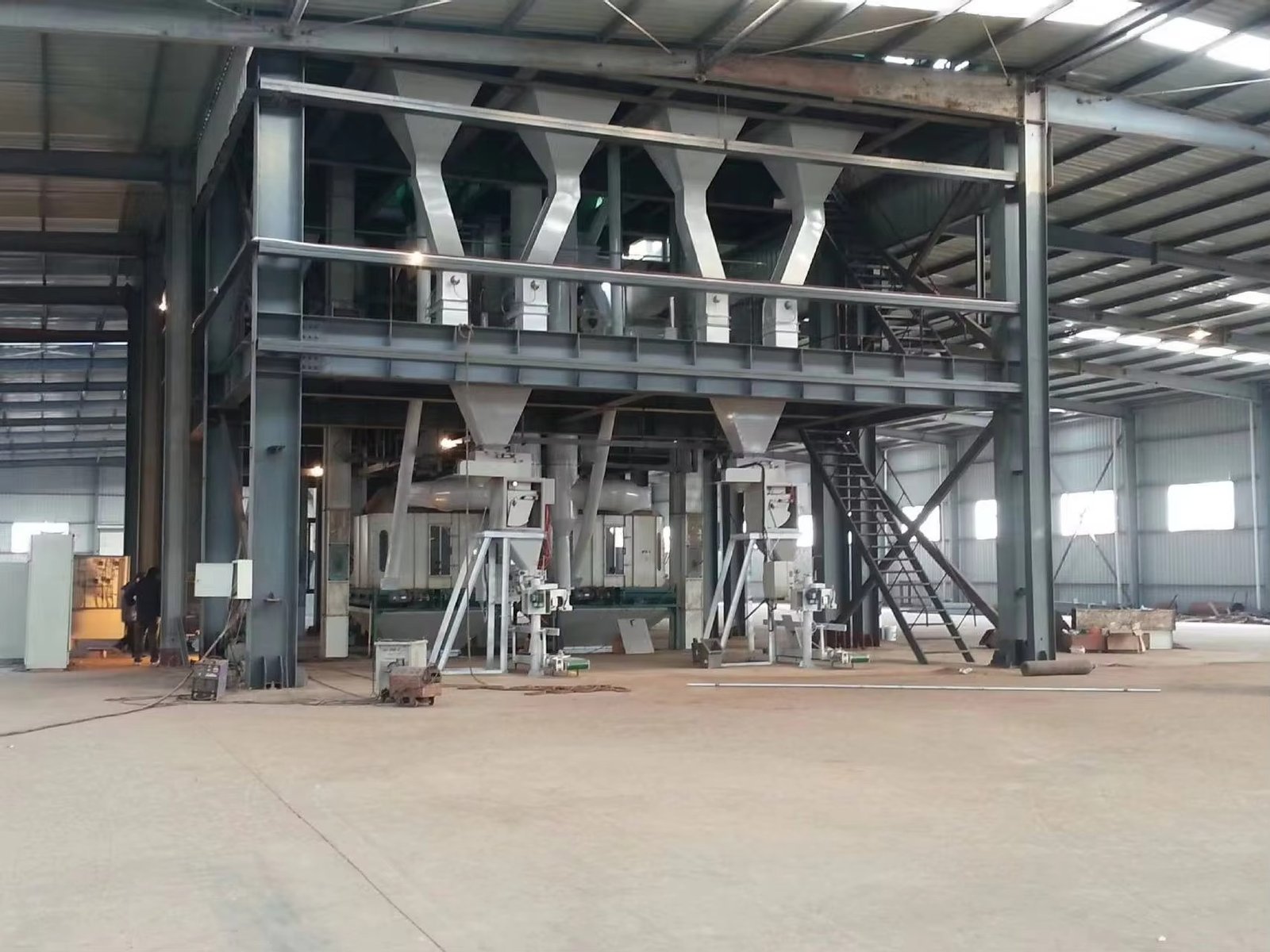
MAIKONG MK-300 High Output
- Production capacity: 300-400 kg/hour
- Motor power: 15 kW (three phase)
- Pellet size: 2-10mm diameter
- Ideal for: 1,500-3,000 birds
- Die diameter: 300mm
- Weight: 320 kg
Commercial operations rely on this workhorse model. Heavy-duty construction ensures years of reliable service. Increased die surface area improves production efficiency significantly.
Livestock and Cattle Feed Pellet Machines
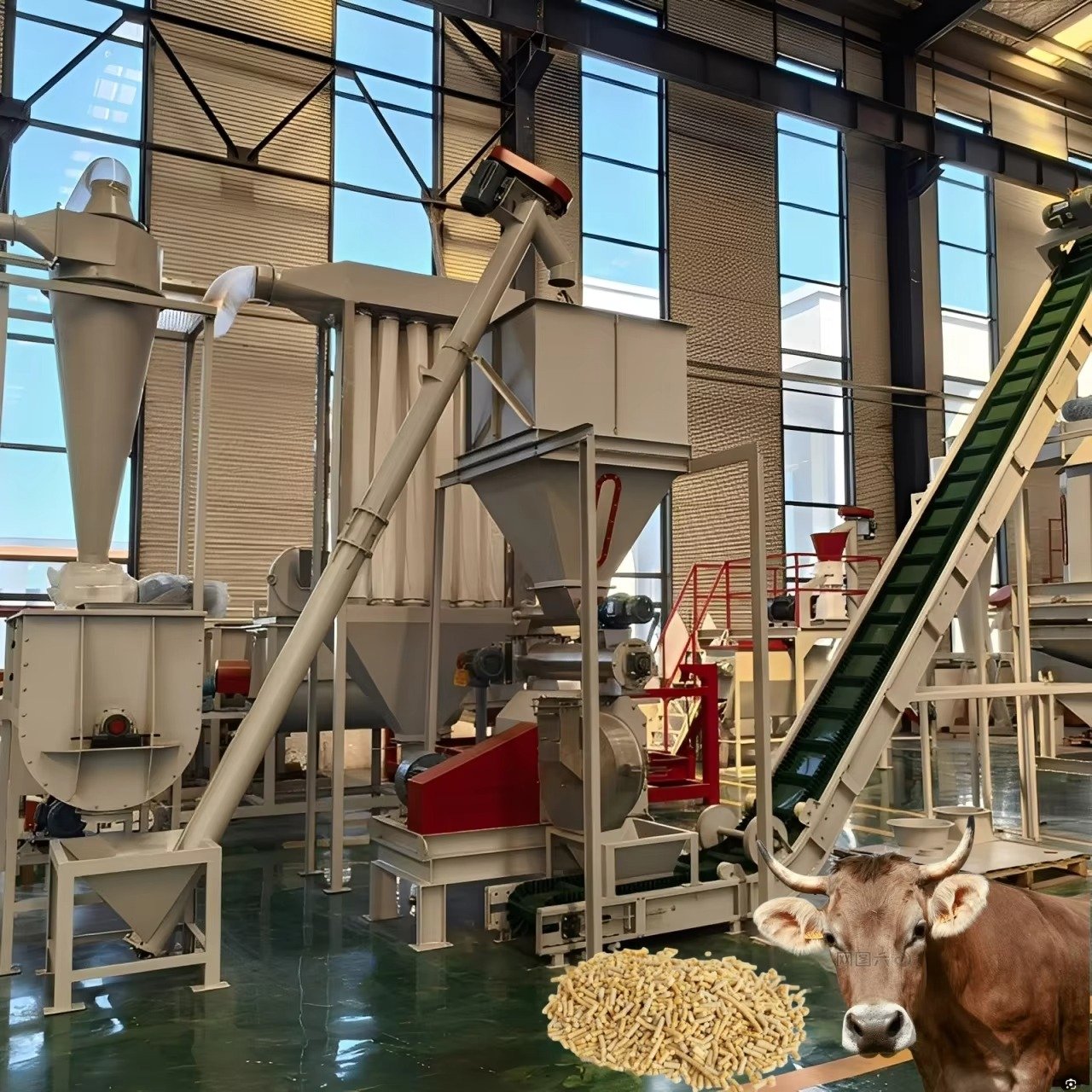
Cattle, sheep, and goat farmers need different specifications. These livestock animals require larger pellet sizes and different compression ratios. MAIKONG offers specialized models for ruminant feed production.
The MK-400 livestock feed model produces pellets from 6-12mm diameter. This larger size suits cattle and adult sheep perfectly. Production capacity reaches 500-800 kg per hour. The 22 kW motor handles fibrous materials like grass and hay easily.
These machines process challenging materials that poultry models cannot handle. Roughage content up to 60% is acceptable. The reinforced die and rollers withstand the extra pressure required for fiber compression.
Floating Fish Feed Pellet Machines
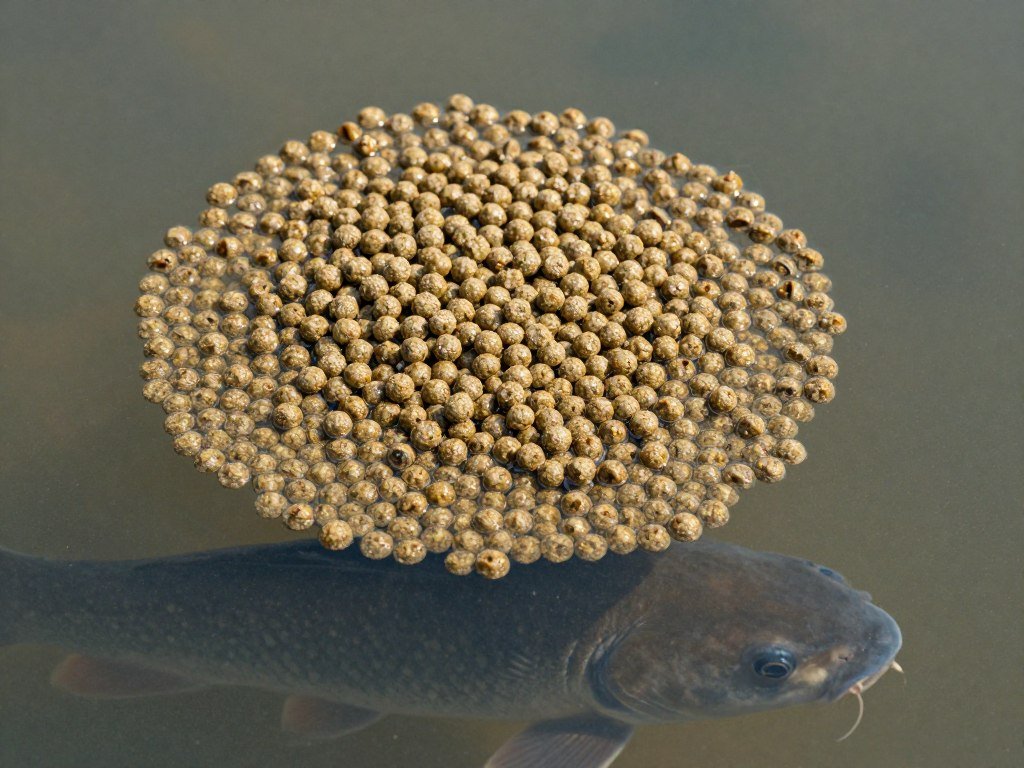
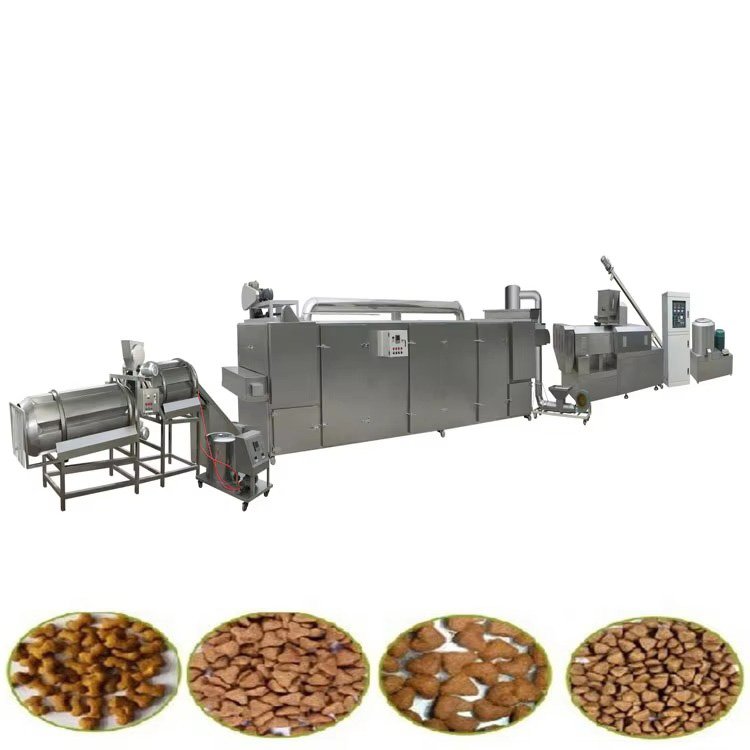
Fish farming presents unique challenges. Fish feed must float on water surface for proper feeding. Standard pellet machines produce sinking pellets. MAIKONG’s floating fish feed extruders solve this problem.
Our aquaculture models use extrusion technology instead of simple compression. High temperature and pressure cook the starch in feed ingredients. This creates air pockets that make pellets float. The floating characteristic is essential for monitoring fish feeding behavior.
Wet Type Fish Feed Extruder
Wet extrusion adds moisture before processing. This method works well for high-protein fish feed formulas. Steam injection cooks ingredients during compression. The result is highly digestible, nutritious pellets.
Production capacity ranges from 100 to 500 kg/hour. These machines require more operator skill but deliver superior pellet quality. Water stability exceeds 12 hours for most formulations.
Dry Type Fish Feed Extruder
Dry extrusion processes materials without added moisture. This simpler method suits farms with limited water access. The machines are easier to operate and maintain. Cleaning is faster between production runs.
Pellet quality is slightly lower than wet extrusion. Water stability typically reaches 6-8 hours. This is adequate for most African fish farming operations. Production rates match wet type models.
Diesel Engine Models for Off-Grid Locations
Many Nigerian farms operate in areas with unreliable electricity. MAIKONG offers diesel powered versions of all our popular models. These machines provide complete independence from the power grid.
A 15 HP diesel engine powers our MK-210D model. This provides equivalent performance to the 7.5 kW electric version. Fuel consumption averages 2.8 liters per hour under normal load. A 20-liter fuel tank provides seven hours of continuous operation.
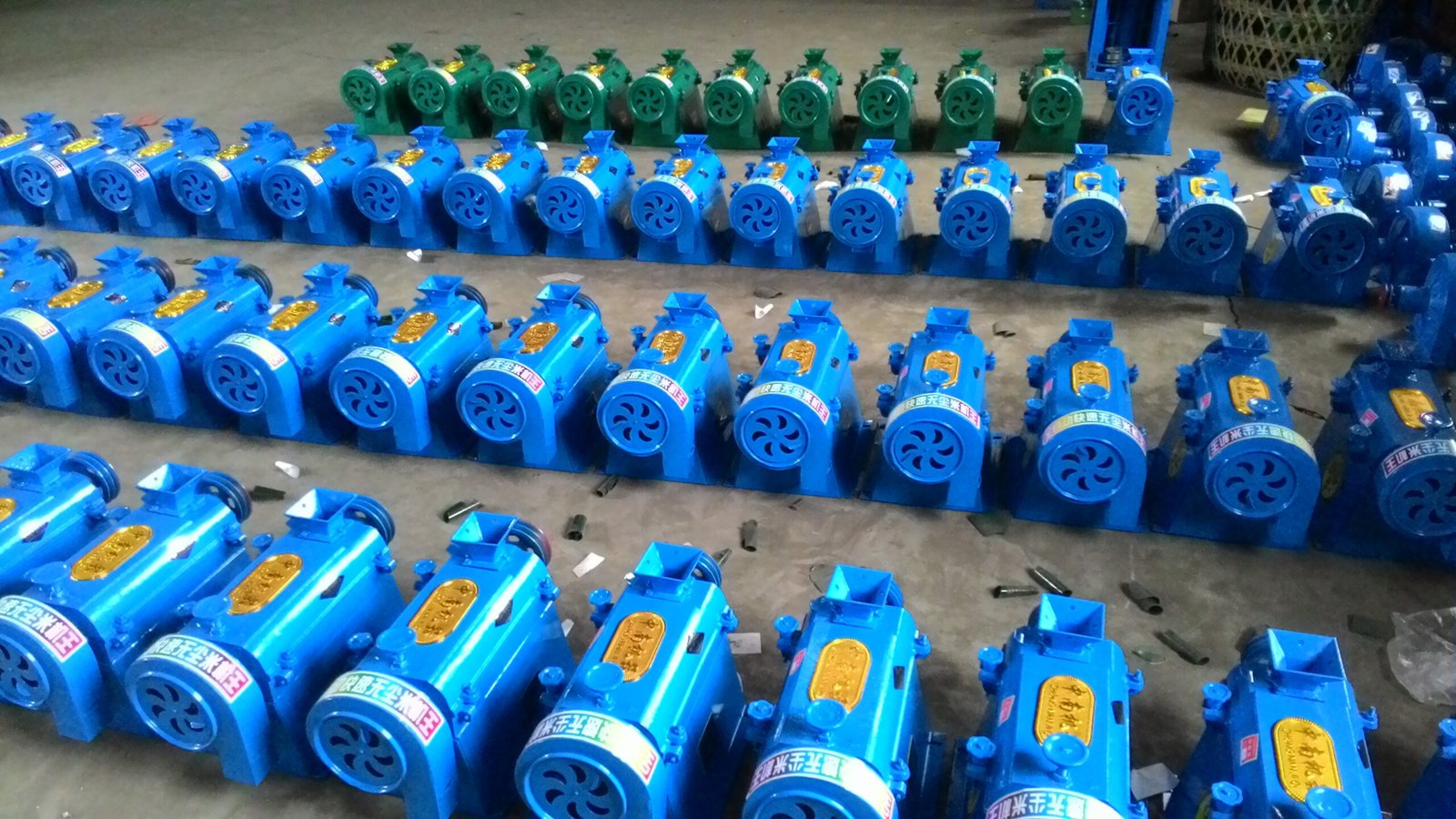
Diesel models cost approximately 30% more than electric equivalents. Operating costs are higher due to fuel prices. However, the independence and reliability justify the premium for many farmers. Remote location operation becomes possible.
Complete Feed Pellet Production Lines
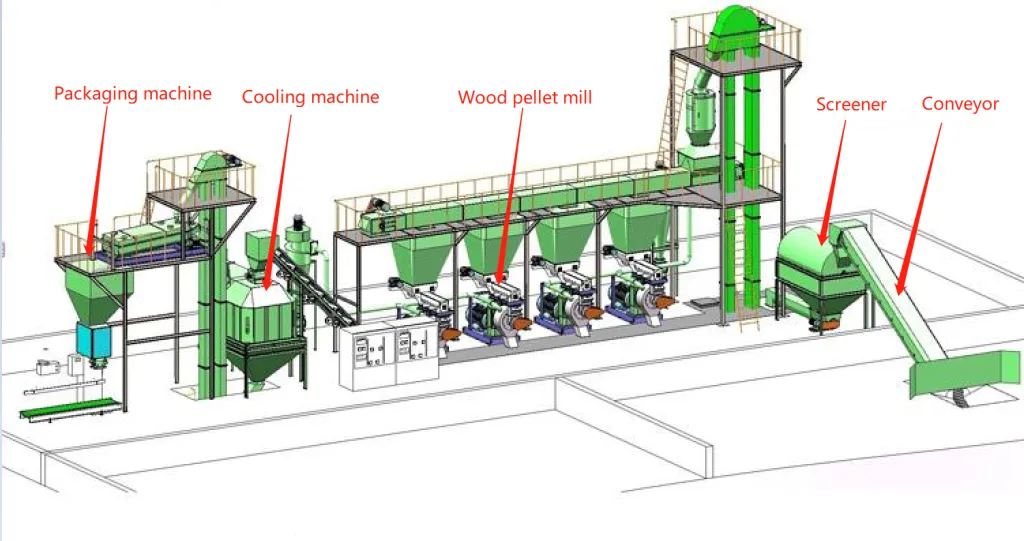
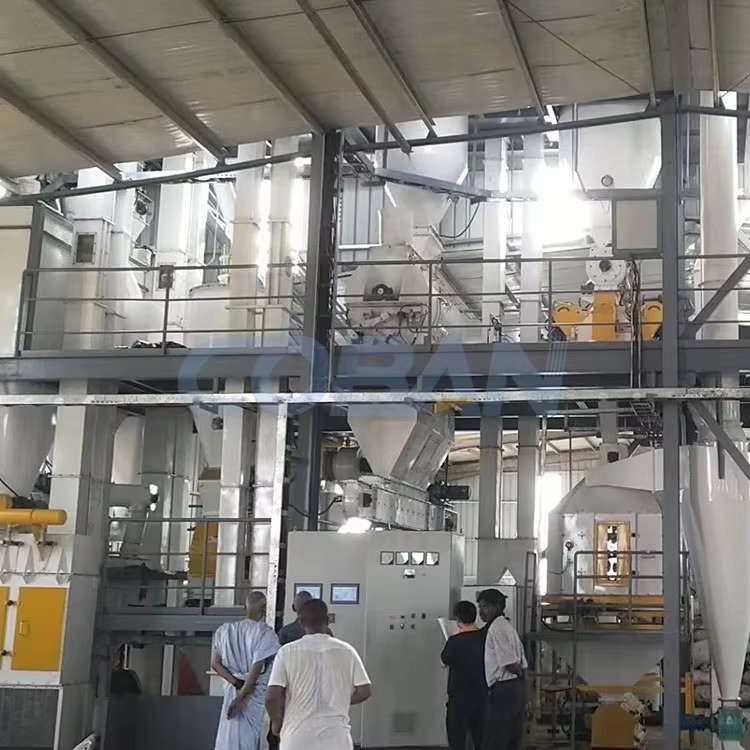
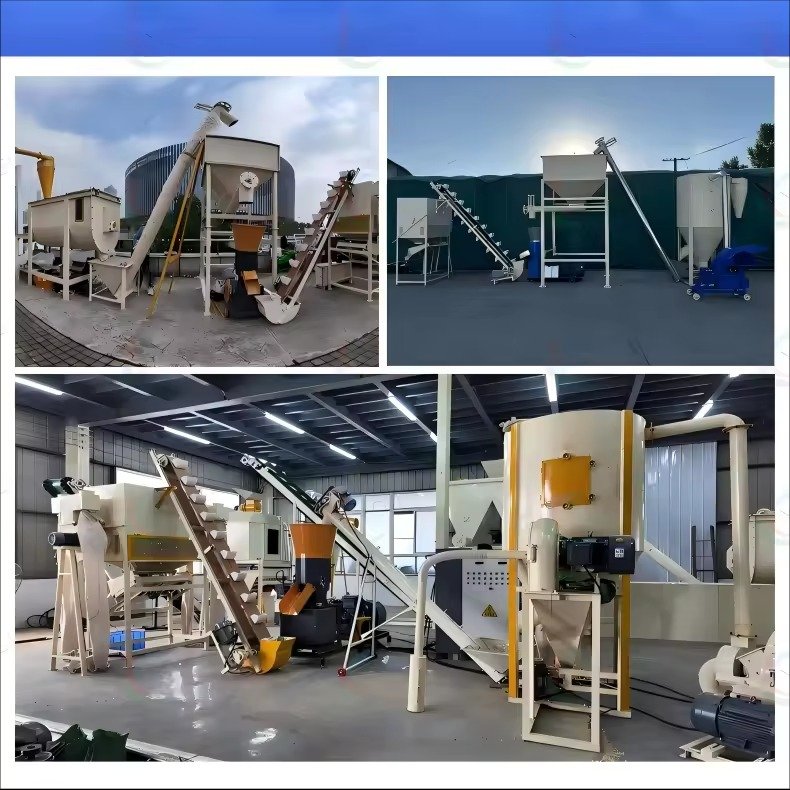
Large commercial operations need more than just a pelletizer. MAIKONG designs complete pellet production lines that automate the entire process. These systems include mixing, grinding, pelletizing, cooling, and packaging equipment.
A typical 1-ton per hour feed pellet plant includes seven main components. The hammer mill grinds raw materials to proper particle size. The vertical mixer blends ingredients uniformly. The pellet machine compresses the mixture into pellets.
The counterflow cooler reduces pellet temperature and hardens them. The crumbler breaks oversized pellets. The vibrating screener separates finished product from fines. Finally, the automatic packing scale fills bags precisely.
| Production Line Capacity | Equipment Included | Power Requirement | Floor Space Needed | Estimated Investment |
| 500 kg/hour | Mixer, Pelletizer, Cooler, Screener | 22 kW | 25 m² | ₦4.2 million |
| 1 ton/hour | Grinder, Mixer, Pelletizer, Cooler, Screener, Packer | 45 kW | 50 m² | ₦8.5 million |
| 2 tons/hour | Grinder, Mixer, Pelletizer, Cooler, Crumbler, Screener, Packer | 75 kW | 80 m² | ₦14.8 million |
| 5 tons/hour | Complete automated system with control panel | 160 kW | 200 m² | ₦28.5 million |
Find the Perfect Machine for Your Farm
Not sure which model suits your needs? Our technical team will assess your requirements and recommend the optimal solution. We consider your farm size, budget, power availability, and growth plans.
Why Choose MAIKONG: 20 Years of Manufacturing Excellence
MAIKONG has served the African agricultural equipment market since 2003. Over two decades, we have installed more than 3,000 feed pellet machines across 28 African countries. This experience gives us deep understanding of local farming conditions and challenges.
South African Manufacturing Quality
Our main production facility operates in Johannesburg, South Africa. This location provides access to high-quality steel and precision components. We maintain strict quality control throughout the manufacturing process. Every machine undergoes 48-hour continuous operation testing before shipment.
Component suppliers meet international standards. Bearings come from SKF Sweden. Motors are Siemens or ABB specification. Dies are manufactured from hardened alloy steel that lasts 3-5 times longer than standard dies. This attention to quality ensures reliable long-term operation.
Designed for African Conditions
European and Asian machines often fail in African environments. Dust, humidity, and temperature extremes create harsh operating conditions. MAIKONG engineers design specifically for these challenges.
Enhanced dust sealing protects internal components. Corrosion-resistant coatings prevent rust in humid coastal areas. Cooling systems handle ambient temperatures up to 45°C. These adaptations ensure reliable performance in Nigerian climate conditions.
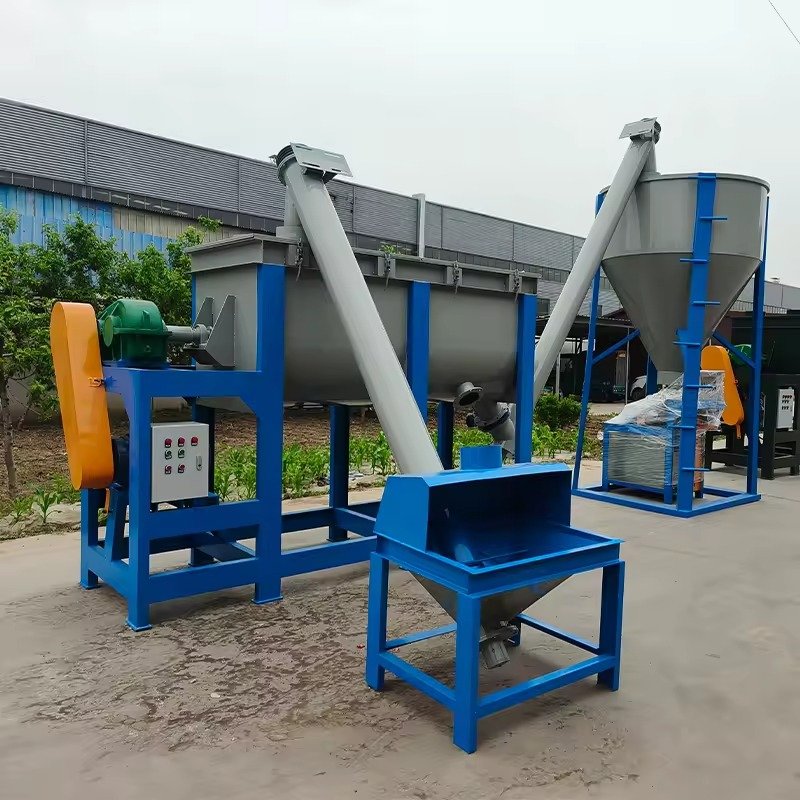
Local Technical Support Network
MAIKONG maintains service centers in Lagos, Abuja, and Port Harcourt. Our technicians respond to service calls within 24-48 hours across Nigeria. This rapid response minimizes downtime when issues occur.
We stock common spare parts locally. Bearings, belts, and dies are immediately available. Complex components ship from South Africa within 5-7 days. This support infrastructure gives Nigerian farmers confidence in their investment.
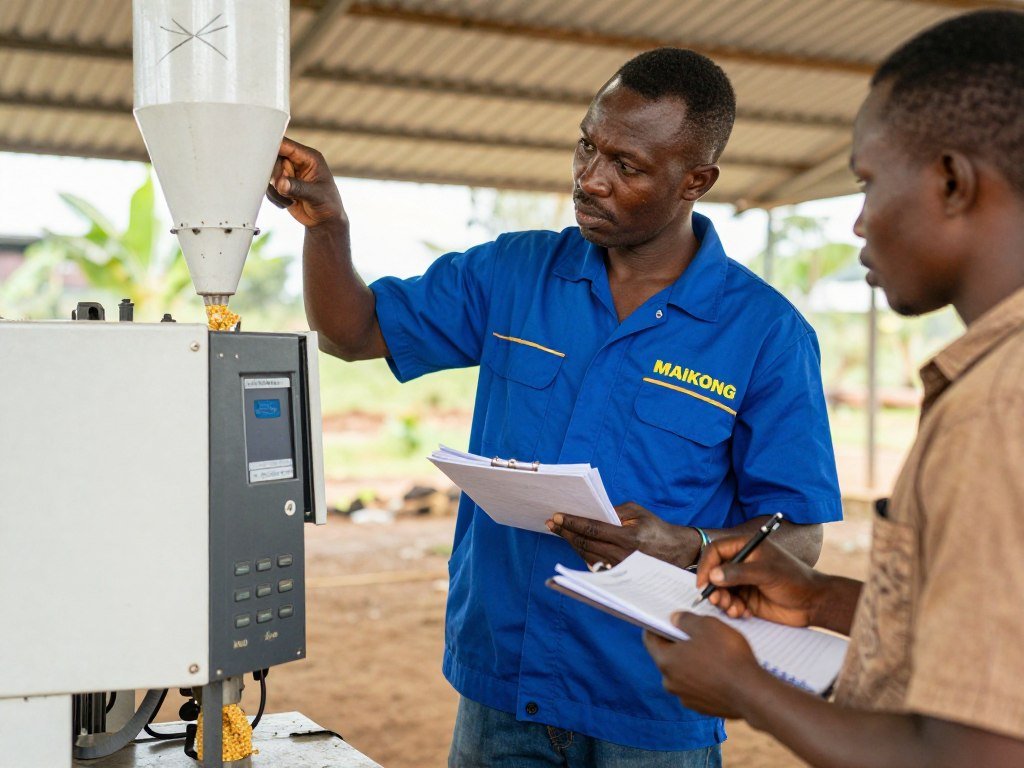
Comprehensive Training and Installation
Every MAIKONG purchase includes complete installation and training. Our technicians travel to your farm to set up the equipment. They ensure proper foundation, electrical connections, and initial calibration.
Training covers operation, maintenance, troubleshooting, and safety procedures. We typically spend 2-3 days on-site for small machines. Larger production lines require 5-7 days of comprehensive training. Your staff becomes confident and competent before we leave.
We provide training in English and major Nigerian languages. Technical manuals include clear diagrams and step-by-step instructions. Video tutorials are available on our website for reference. WhatsApp support is available 24/7 for urgent questions.
Customization Capabilities
Standard models serve most farmers well. However, some operations have unique requirements. MAIKONG offers extensive customization options to meet specific needs.
Die hole size can be customized from 2mm to 12mm. Special formulations may require unique compression ratios. We can modify the die design to optimize performance for your specific ingredients.
Color scheme and branding customization is available for dealers and large buyers. Your company logo can be prominently displayed on the machine. Custom paint colors match your brand identity. This is particularly valuable for equipment dealers and franchisors.
Voltage and frequency specifications adapt to local power systems. We can configure machines for 220V, 380V, or 415V operation. Frequency can be 50Hz or 60Hz as needed. Motor types can be modified for generator operation.
Dealer and Distributor Partnership Opportunities
MAIKONG actively seeks distribution partners across Nigeria. We offer attractive margins and comprehensive support for dealers. This creates profitable business opportunities for agricultural equipment entrepreneurs.
Dealer Benefits
- 35-40% dealer margin on equipment sales
- Exclusive territory protection in your region
- Free technical training for your staff
- Marketing materials and product literature
- Demo equipment for customer testing
- Co-op advertising fund contributions
- Priority access to new products
Support Provided
- Technical hotline for dealer support
- Installation training for dealer technicians
- Spare parts inventory on consignment
- Customer leads in your territory
- Joint sales calls for large opportunities
- Warranty administration assistance
- Annual dealer conference and training
Dealer requirements are straightforward. You need a commercial location for equipment display. Basic mechanical aptitude helps but is not essential. We provide comprehensive training. Initial inventory investment starts at just 2-3 demonstration units.
Become a MAIKONG Dealer Partner
Join Nigeria’s fastest-growing agricultural equipment distribution network. We are actively recruiting dealers in underserved regions. Profitable partnership opportunities await motivated entrepreneurs.
Real Nigerian Success Stories: Case Studies from Our Customers
Actual results from Nigerian farmers demonstrate the transformative impact of MAIKONG feed pellet machines. These case studies show different farm types and scales. Each story includes real numbers and verifiable outcomes.
Case Study 1: Backyard Poultry Farm in Ogun State
Mrs. Oluwaseun Adebayo operates a 300-layer farm in Ijebu Ode, Ogun State. Before purchasing her MAIKONG MK-120 in March 2023, she spent ₦240,000 monthly on commercial layer feed. Her egg production averaged 75% with inconsistent quality.
After installing the pellet making machine, her feed costs dropped to ₦98,000 per month. This represents 59% savings. More importantly, egg production increased to 82% due to improved feed quality. Egg size became more consistent, increasing premium egg sales.
Her total investment was ₦980,000 for the machine and initial raw material stock. Monthly savings of ₦142,000 meant the machine paid for itself in 6.9 months. After 18 months of operation, she has saved over ₦2.5 million in feed costs.
“The MAIKONG machine changed my business completely,” Mrs. Adebayo reports. “I now control what goes into my feed. My birds are healthier and lay better eggs. I will never go back to commercial feed.”
Case Study 2: Medium-Scale Broiler Operation in Kaduna
Alhaji Mohammed Ibrahim runs a 2,000-bird broiler farm in Kaduna. His operation cycles through six batches annually. Each batch consumes approximately 600 bags of feed from starter to finisher stages.
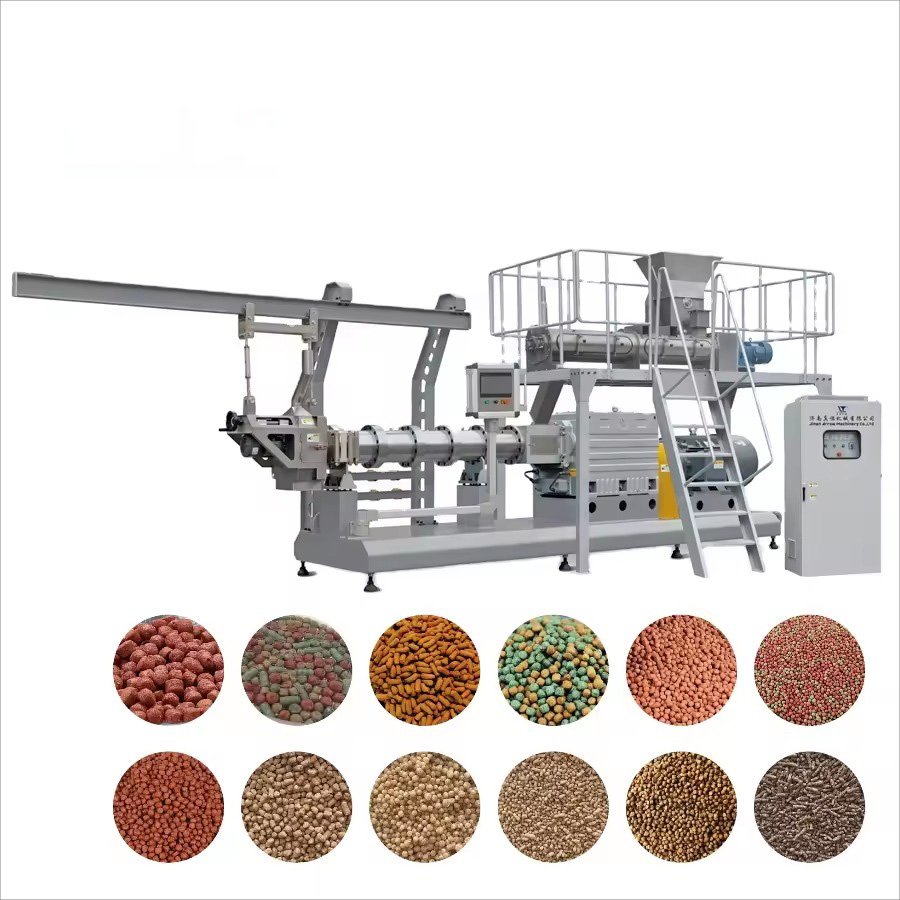
Commercial feed costs were devastating his margins. At ₦8,000 average per bag, each batch consumed ₦4.8 million in feed. Total annual feed expense reached ₦28.8 million. This left minimal profit after other expenses.
In January 2024, Alhaji Ibrahim invested ₦2.4 million in a MAIKONG MK-300 with auxiliary equipment. His per-bag production cost dropped to ₦3,300. This reduced each batch feed cost to ₦1.98 million. Annual feed expense fell to ₦11.88 million.
The ₦16.92 million annual savings transformed his business economics. Machine payback occurred in just 1.7 months. He now earns more profit than he did in total revenue previously. The business has become genuinely profitable instead of barely sustainable.
“I wish I had done this five years ago,” he states. “The amount of money I wasted buying commercial feed makes me sick. Now I am saving millions and my birds grow faster on better feed.”
Case Study 3: Catfish Farm in Rivers State
Chief Emenike operates a large catfish farm in Port Harcourt with 50 ponds. His farm produces approximately 15 tons of fish per cycle. Floating fish feed represents his largest operating expense by far.
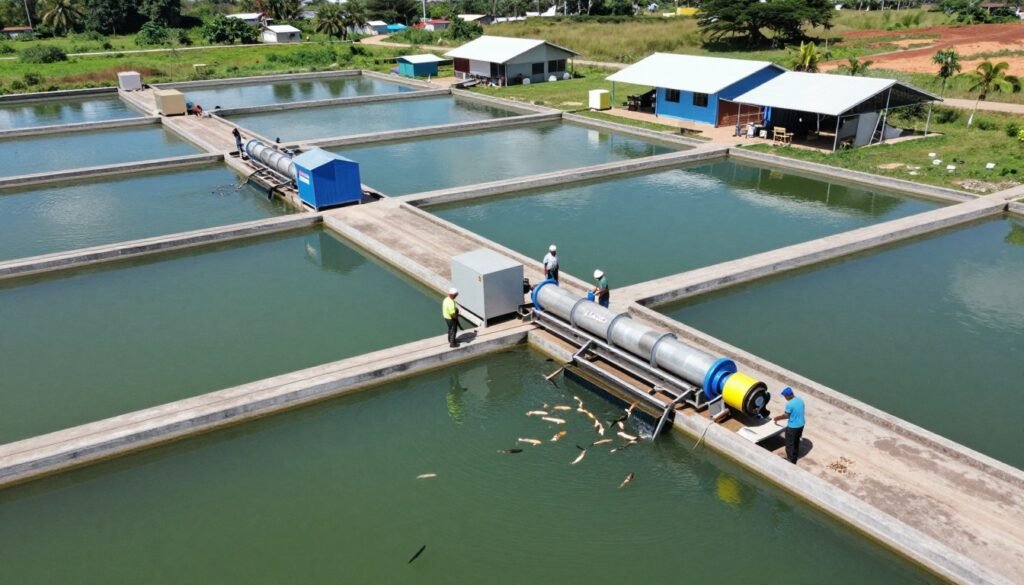
Commercial floating feed costs ₦650 per kilogram. Each production cycle required 45 tons of feed. This created a ₦29.25 million feed bill per cycle. With three cycles annually, feed expenses totaled ₦87.75 million.
Chief Emenike invested ₦6.8 million in a MAIKONG wet-type floating fish feed extruder in mid-2023. His production cost dropped to ₦280 per kilogram including labor and energy. Each cycle feed cost fell to ₦12.6 million. Annual feed expense decreased to ₦37.8 million.
The ₦49.95 million annual savings shocked even him. Return on investment occurred in 1.6 months. More significantly, he now controls feed formulation. He increased protein content to 42% from the 38% in commercial feed. This improved growth rates by 12% and reduced cycle time.
“The feed quality I produce is far superior to what I can buy,” Chief Emenike explains. “My fish grow faster and healthier. I have almost eliminated the fungal problems I used to fight constantly. The machine paid for itself incredibly quickly.”
Case Study 4: Cooperative Feed Mill in Kano
The Kano Farmers Cooperative represents 47 small-scale poultry farmers. Collectively, they raise over 12,000 birds. Individual members could not afford their own machines. Commercial feed costs were making their operations unprofitable.
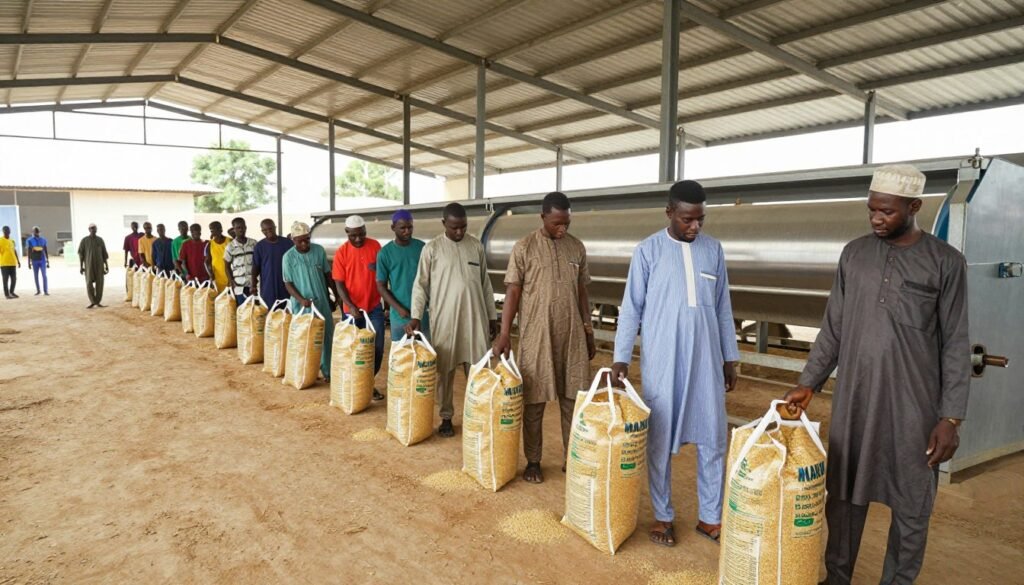
In 2023, the cooperative pooled resources to purchase a complete MAIKONG feed pellet production line. The ₦8.5 million investment seemed large initially. However, collective buying power made it manageable at ₦180,000 per member.
The cooperative now produces 2,000 bags of feed monthly for members. Production cost is ₦3,150 per bag. Members pay ₦4,500 per bag to cover cooperative operating expenses. This is still 44% cheaper than commercial feed at ₦8,000.
Individual member savings average ₦42,000 monthly. Over twelve months, each farmer saves ₦504,000. This far exceeds their initial ₦180,000 investment. The cooperative model has enabled small farmers to access technology previously out of reach.
“This cooperative mill saved our farms,” says cooperative chairman Malam Garba. “Many members were considering quitting because of feed costs. Now we are all profitable again. We are planning to expand production to serve other farmers in the region.”
How to Get Started with Your MAIKONG Feed Pellet Machine
Starting your own feed production is simpler than most farmers expect. MAIKONG provides complete support throughout the entire process. This section walks through each step from initial inquiry to full operation.
Step 1: Assess Your Requirements and Get a Quote
The first step is determining your specific needs. Consider your current feed consumption. Calculate how many bags or kilograms you use monthly. This determines the appropriate machine capacity for your operation.
Think about your power situation. Do you have reliable three-phase electricity? Or do you need a diesel model for off-grid operation? What about available space for the equipment? These factors influence model selection.
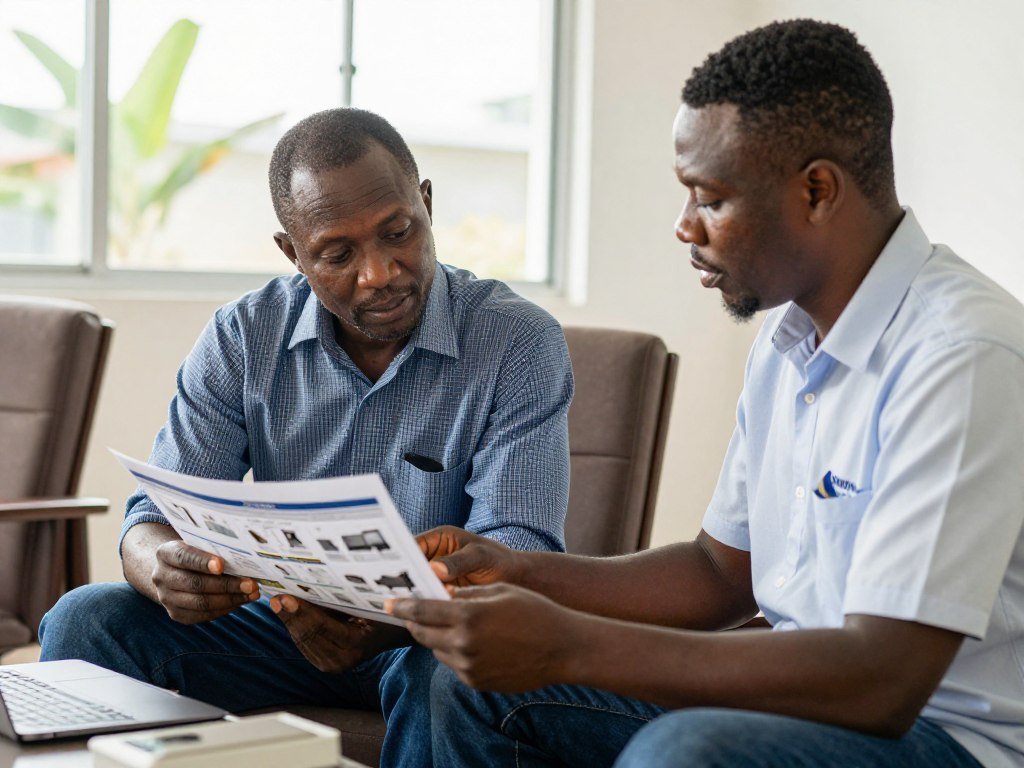
Contact MAIKONG through WhatsApp, phone, or email. Our team will ask about your operation and requirements. We will recommend appropriate models based on your specific situation. You will receive a detailed quotation including machine specifications, pricing, and delivery timeline.
Get Your Personalized Quote Today
Tell us about your farm and feed needs. Our experts will recommend the perfect machine and provide a detailed quote with no obligation.
Step 2: Place Your Order and Arrange Payment
Once you select your model, placing an order is straightforward. MAIKONG accepts bank transfers and letters of credit for larger orders. We work with Nigerian banks to facilitate smooth transactions.
Standard payment terms require 40% deposit to begin production. The balance is due before shipment. For established dealers and large orders, we can discuss alternative payment arrangements. Custom machines require 50% deposit due to specialized production.
Production typically takes 15-25 days after deposit receipt. Custom orders may require 30-40 days depending on specifications. We provide regular updates during production. Photos and videos of your machine during manufacturing are available upon request.
Step 3: Delivery and Installation
MAIKONG handles all shipping logistics to Nigeria. We work with reliable freight companies experienced in agricultural equipment. Machines ship to Lagos, Port Harcourt, or Kano as you prefer. Shipping typically takes 25-35 days from South Africa.
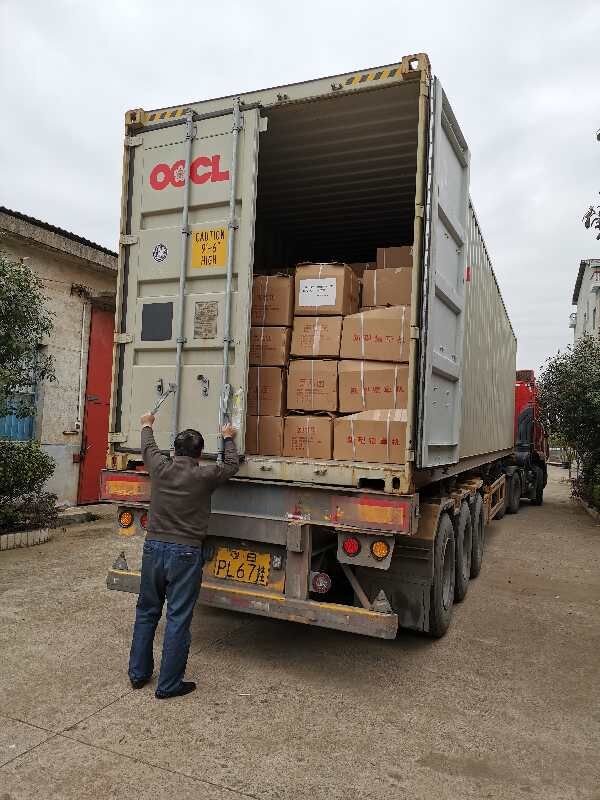
Our installation team coordinates with you for installation scheduling. They typically arrive within one week of delivery. Installation takes 1-3 days depending on machine complexity. The team ensures proper foundation, electrical connections, and calibration.
You must prepare the installation site before our team arrives. This includes a level concrete foundation, electrical supply to specifications, and adequate ventilation. We provide detailed site preparation instructions with your order confirmation.
Step 4: Training and Commissioning
Comprehensive training begins immediately after installation. Our technicians train your operators on every aspect of machine operation. This includes startup procedures, material feeding, operation monitoring, and shutdown protocols.
Maintenance training covers daily, weekly, and monthly tasks. You learn how to inspect critical components, perform lubrication, adjust compression settings, and replace wear parts. Troubleshooting training helps you diagnose and resolve common issues independently.
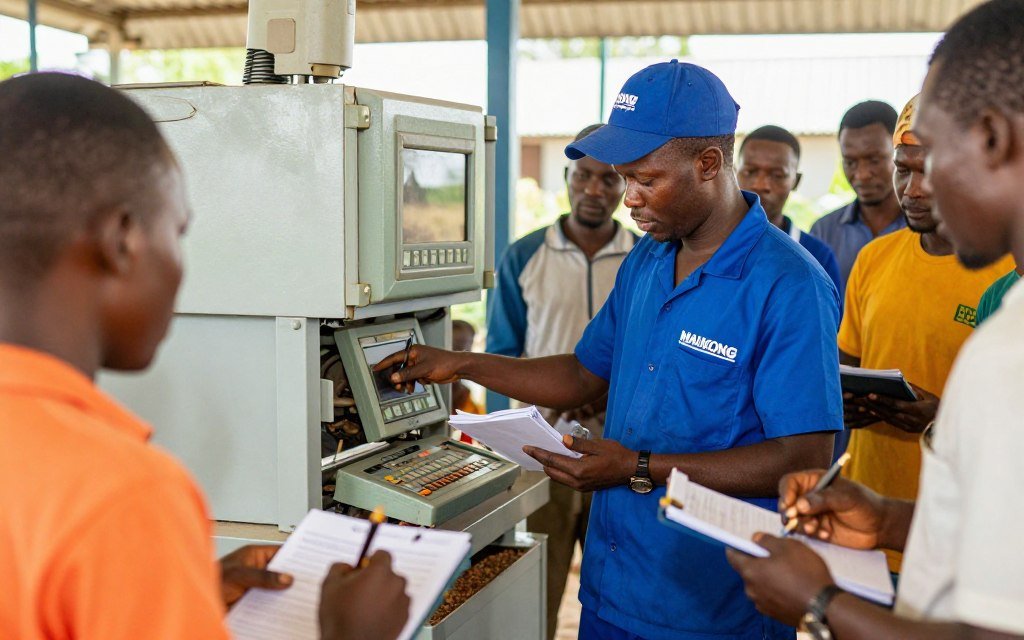
Safety training is mandatory for all operators. This covers emergency shutdown procedures, personal protective equipment requirements, and safe handling of moving parts. We will not release the machine until all operators demonstrate competency.
The commissioning process includes test runs with your actual feed formulas. We help you optimize settings for your specific ingredients. You will produce several batches under supervision until consistent quality is achieved. The machine is not considered delivered until you are completely satisfied with performance.
Step 5: Ongoing Support and Maintenance
MAIKONG support continues long after installation. Our WhatsApp technical support line operates 24/7. You can send photos or videos of any issues for rapid diagnosis. Most problems resolve through remote guidance.
For issues requiring physical intervention, our Nigerian service network responds quickly. Technicians typically arrive within 24-48 hours for urgent problems. Common spare parts stock at our Lagos and Abuja warehouses for immediate availability.
Annual maintenance visits are recommended for optimal performance. Our technicians perform comprehensive inspection and preventive maintenance. This includes bearing replacement, die inspection, roller alignment, and electrical system testing. Annual maintenance extends machine life significantly.
Daily Maintenance Tasks
Simple daily tasks keep your machine running smoothly between service visits.
- Check and clean the die surface
- Inspect belts for wear and tension
- Lubricate bearing points
- Clear any material buildup
- Verify motor temperature is normal
Weekly Maintenance Tasks
Weekly attention prevents small issues from becoming major problems.
- Deep clean the pelletizing chamber
- Check all electrical connections
- Inspect die for wear or damage
- Test emergency stop function
- Record production hours and output
Monthly Maintenance Tasks
Monthly service ensures long-term reliability and performance.
- Replace oil in gearbox
- Inspect and adjust roller clearance
- Check structural bolts for tightness
- Clean electrical cabinet
- Test all safety sensors
Annual Maintenance Tasks
Comprehensive annual service by MAIKONG technicians.
- Complete bearing replacement
- Die and roller inspection/replacement
- Electrical system comprehensive testing
- Motor condition assessment
- Structural integrity inspection
24/7 Technical Support WhatsApp:
Frequently Asked Questions About Feed Making Machines
How long does a MAIKONG feed pellet machine last?
With proper maintenance, MAIKONG feed pellet machines operate reliably for 10-15 years. The die and rollers are wear components requiring replacement every 2-3 years depending on usage. Motor and bearings typically last 5-7 years before requiring replacement. Many of our Nigerian customers are still using machines purchased 8-10 years ago. Regular maintenance is the key to longevity.
What raw materials can I use in the feed pellet machine?
MAIKONG machines process a wide variety of materials. Common ingredients include maize, wheat, sorghum, soybeans, groundnut cake, fish meal, bone meal, and various vitamin/mineral premixes. For livestock feed, you can include grass, hay, and other fibrous materials up to 60% of the mix. The key is proper grinding to 3-5mm particle size and moisture content between 12-15%.
How much does it cost to produce one kilogram of feed pellets?
Production cost varies based on ingredient prices and formulation. For standard poultry layer feed in Nigeria, raw material costs average ₦125-135 per kg. Add ₦8-12 per kg for electricity and labor. Total production cost ranges from ₦133-147 per kg. Commercial feed sells for ₦320-340 per kg, creating substantial savings. Fish feed costs slightly more due to higher protein requirements.
Can I produce different types of feed pellets with one machine?
Yes, absolutely. You can produce starter, grower, and layer feeds by changing formulations. Poultry, fish, and small livestock feeds are all possible. The only limitation is pellet size. Each die produces a specific pellet diameter. If you need multiple pellet sizes, you must change the die. MAIKONG provides dies in various sizes. Changing a die takes approximately 30 minutes.
What power supply do I need for the feed pellet machine?
Small models (MK-120) require single-phase 220V power at 3 kW. Medium models (MK-210, MK-300) need three-phase 380V power at 7.5-15 kW. Large industrial models require three-phase 380V at 22-37 kW. For areas without reliable electricity, diesel engine models are available. A 15 HP diesel engine powers our medium-capacity models effectively. Generator operation is possible with proper voltage regulation.
How difficult is it to operate a feed pellet machine?
MAIKONG machines are designed for ease of operation. After our training, most operators become proficient within 2-3 days. Basic operation involves loading materials, starting the machine, and monitoring output. The machines are largely automatic once running. Maintenance requires some mechanical aptitude but is not complex. We provide detailed manuals and video tutorials. WhatsApp support is always available for questions.
What happens if the machine breaks down?
MAIKONG provides comprehensive warranty coverage for 18 months from installation. During warranty period, all parts and labor are free. After warranty, our Nigerian service network provides rapid support. Common spare parts stock locally for immediate availability. Most issues resolve within 24-48 hours. For major component failures, parts ship from South Africa within 5-7 days. Extended warranty packages are available for additional peace of mind.
Can the machine produce floating fish feed pellets?
Standard compression pellet machines produce sinking pellets. For floating fish feed, you need our specialized extruder models. These use high temperature and pressure to cook and expand the feed. The expansion creates air pockets that make pellets float. MAIKONG offers both wet-type and dry-type fish feed extruders. Floating pellets remain stable on water for 8-12 hours depending on formulation.
Is financing available for machine purchase?
MAIKONG works with several Nigerian agricultural finance institutions. We can connect you with lenders offering equipment financing. Typical terms include 20-30% down payment with 12-24 month repayment periods. Interest rates vary by lender and creditworthiness. For cooperative purchases, group lending options are available. Government agricultural development programs sometimes provide subsidized equipment loans. Contact us to discuss financing options in your area.
How much space is needed to operate the machine?
Small models (MK-120) require approximately 4m x 3m floor space including operator area and material storage. Medium models need 5m x 4m. Large production lines require 50-200 square meters depending on capacity. The space must have adequate ventilation to remove dust and heat. Ceiling height should be at least 3 meters for proper material flow. Concrete foundation is required for stability and vibration dampening.
Take Control of Your Feed Costs Today
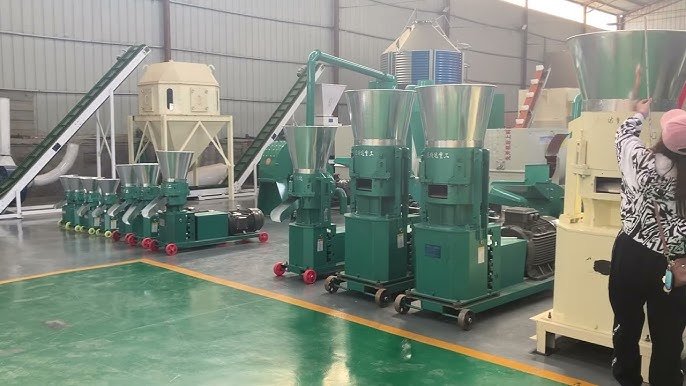
Rising commercial feed prices threaten the viability of Nigerian poultry and livestock farming. Waiting for prices to decrease is not a realistic strategy. Feed costs will likely continue increasing as Nigeria’s population grows and demand rises.
A MAIKONG feed making machine offers a proven solution. Thousands of Nigerian farmers have already made the switch. They report savings of 40-60% on feed costs. Many achieve full return on investment in under six months.
Beyond cost savings, you gain complete control over feed quality. You know exactly what ingredients go into your animal feed. You can optimize formulations for your specific birds or livestock. You eliminate dependence on commercial feed suppliers who may experience shortages.
MAIKONG brings over 20 years of manufacturing excellence to every machine. Our South African engineering ensures quality that withstands African conditions. Local technical support means you never face problems alone. Comprehensive training prepares your team for successful operation.
Whether you operate a small backyard farm or a large commercial operation, we have a solution for you. From compact manual models to fully automated production lines, MAIKONG equipment scales to match your needs. Customization options ensure the machine fits your specific requirements perfectly.
For agricultural equipment dealers and entrepreneurs, MAIKONG partnership opportunities offer profitable growth. Our dealer program provides attractive margins, territorial protection, and comprehensive support. Join Nigeria’s fastest-growing agricultural equipment distribution network.
Your Next Step Toward Feed Independence
Contact MAIKONG today to discuss your feed production needs. Our team is ready to answer questions, provide quotes, and help you select the perfect equipment. Start saving thousands on feed costs next month.
Email: Lucy@pelletmachine.co.za
Website: pelletmachine.co.za
For Farmers
Reduce feed costs by 40-60% immediately. Improve bird health and production. Control feed quality completely. Achieve return on investment in under 6 months.
For Dealers
Join a profitable partnership. Earn 35-40% margins. Receive exclusive territory protection. Access comprehensive technical and marketing support.
MAIKONG serves Nigerian agriculture with commitment and integrity. Every machine we sell represents a partnership. Your success is our success. We provide the tools, training, and support you need to transform your farming operation.
The question is not whether you can afford a feed pellet machine. The real question is whether you can afford to continue paying premium prices for commercial feed. Make the smart investment today. Your future profitability depends on it.