
 Imagine cutting your feed costs by forty percent while improving animal weight gain. That is what happens when you convert low-value roughage into high-quality feed pellets.
This guide explores how feed pelletizing machines handle roughage. You will discover equipment specifications, operation methods, and real results from Nigerian farms. Whether you run a small cattle ranch or manage a large livestock enterprise, understanding pelletizing machine technology helps you make informed purchasing decisions.
Roughage Processing Challenges in Nigerian Livestock Farming
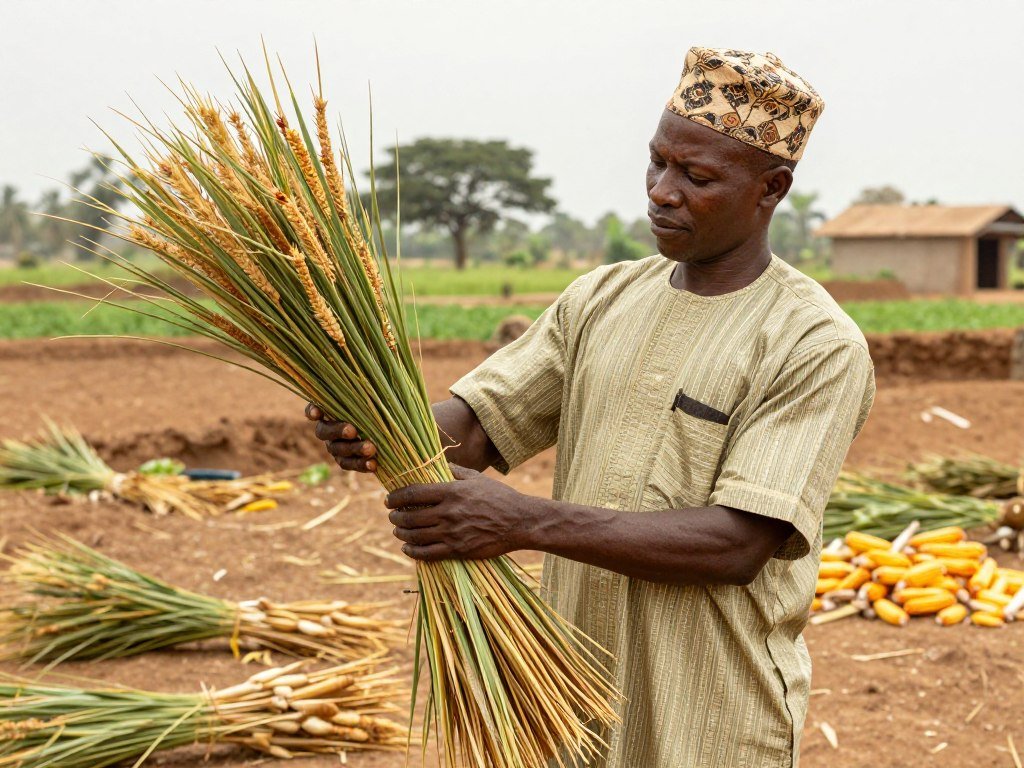
Roughage forms the foundation of ruminant diets across Nigeria. Cattle, sheep, and goats require fibrous materials for proper digestion. However, feeding raw roughage creates significant problems for farmers.
Common Issues with Raw Roughage Feeding
Animals waste up to thirty-five percent of loose hay and grass. They pick through materials, eating preferred parts while trampling the rest. This selective feeding results in nutritional imbalances and expensive waste.
Storage presents another headache. Loose roughage requires enormous space. A single ton of hay occupies fifteen cubic meters. Rain and humidity cause spoilage. Mold develops quickly in Nigeria’s climate, making stored feed dangerous for livestock.
Transportation costs eat into profits. Moving bulky roughage from field to feeding area demands multiple trips. Labor expenses add up when workers must handle loose materials daily.
Raw Roughage Problems
- High waste rates (30-40% typical)
- Inconsistent nutritional intake
- Massive storage requirements
- Rapid spoilage in humid conditions
- Expensive transportation needs
- Labor-intensive handling
Pelleted Feed Benefits
- Minimal waste (under 5%)
- Consistent nutrition per pellet
- Compact storage (4x reduction)
- Extended shelf life (6+ months)
- Easy bulk transport
- Simple automated feeding
How Pelletizing Solves These Problems
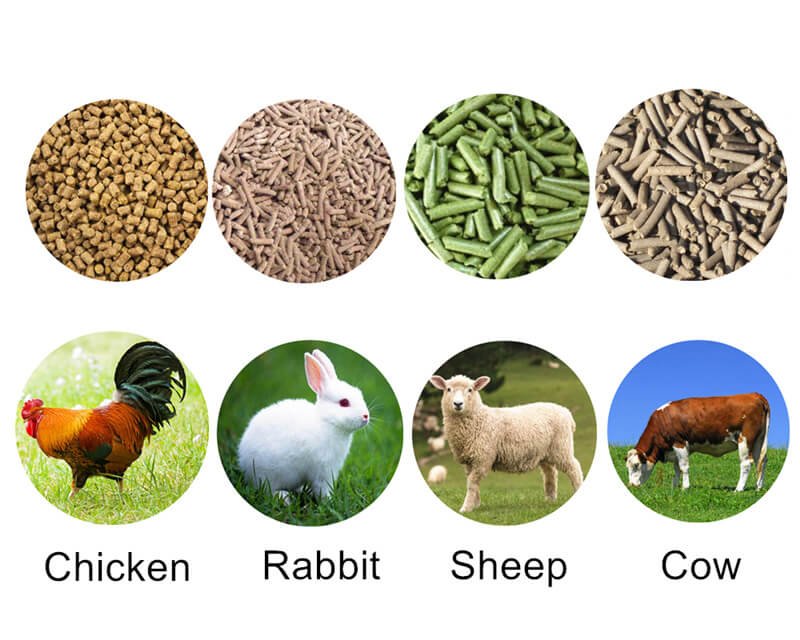
A feed pellet making machine compresses roughage into dense cylinders. This process eliminates selective feeding. Animals cannot pick apart pellets. They consume complete nutrition with every bite.
Pellets occupy seventy-five percent less space than loose roughage. A ton of pelleted feed fits into just four cubic meters. This dramatic reduction cuts storage costs and protects feed quality.
The pelletizing process generates heat. This natural heat treatment destroys harmful bacteria and mold spores. Pellets stay fresh for six months or longer when stored properly.
Become MAIKONG’s Exclusive Distributor in Your Region
MAIKONG offers profitable partnership opportunities for agricultural equipment dealers across Nigeria. Earn attractive margins on proven feed pellet machine technology. We provide marketing support, technical training, and spare parts inventory assistance. Exclusive territories available in Lagos, Kano, Kaduna, and sixteen other states.
Contact: Lucy@pelletmachine.co.za | +86-135-1090-7401
How a Feed Pellet Machine Processes Roughage Materials
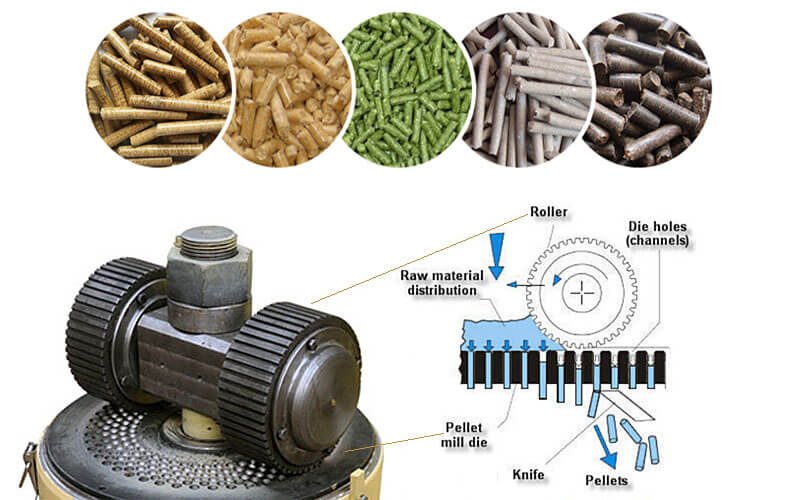
Understanding how a feed pelletizing machine works helps you choose the right equipment. The process involves three main stages that transform loose roughage into compact pellets.
Stage One: Size Reduction and Grinding
Raw roughage enters through the hopper. Long grass stems, hay, and stalks measure up to one meter in length. These materials are too large for direct pelletizing.
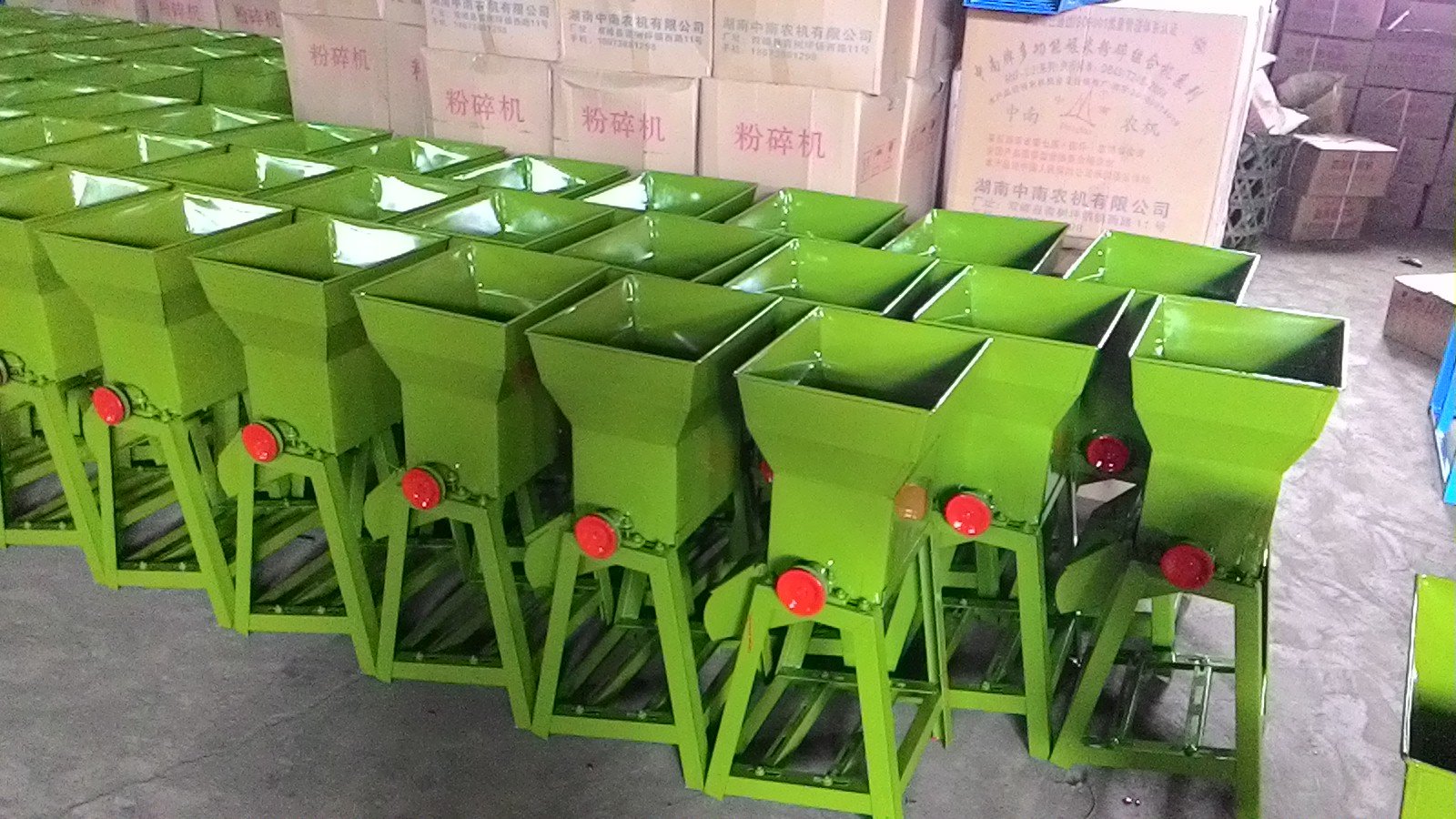
Hammers spinning at high speed smash the roughage into smaller pieces. The grinding chamber reduces particle size to three millimeters or less. This fine consistency is essential for proper pellet formation.
Different materials require different grinding approaches. Dry hay grinds easily. Fresh grass contains more moisture and needs additional processing time. The machine motor power determines grinding capacity.
Stage Two: Conditioning and Mixing
Ground roughage moves to the conditioning chamber. Here, steam and heat prepare materials for compression. Temperature rises to seventy-five degrees Celsius. This heat makes fibers more flexible.
Many farmers add supplements during this stage. Protein concentrates, minerals, and vitamins blend uniformly with the roughage base. The mixing process ensures every pellet contains identical nutrition.
Moisture content matters tremendously. Materials need twelve to fifteen percent moisture for optimal pelletizing. Too dry, and pellets crumble. Too wet, and they will not form properly.
| Processing Stage | Function | Key Parameters | Duration |
| Grinding | Reduce particle size | 2-4mm final size | 30-60 seconds |
| Conditioning | Add heat and moisture | 75-85°C, 12-15% moisture | 45-90 seconds |
| Pelleting | Compress into cylinders | 4,000-8,000 PSI pressure | 2-3 seconds per pellet |
| Cooling | Harden and dry pellets | Reduce to 25°C, 10% moisture | 8-12 minutes |
Stage Three: Compression and Pellet Formation
Conditioned material enters the pelletizing chamber. This is where transformation happens. Two main components create pellets: the die and the rollers.
The die is a thick steel disc with hundreds of small holes. Holes typically measure six to eight millimeters in diameter. Die rotation speeds reach three hundred revolutions per minute.
Heavy rollers press against the die surface. These rollers push material through the die holes under extreme pressure. Compression reaches six thousand pounds per square inch.
Natural lignin in plant materials acts like glue. Heat and pressure activate this binding agent. Particles stick together forming solid cylinders. No chemical binders are necessary.
Pellets emerge from the die at high temperature. They measure six to twelve millimeters in length. A cutting blade slices continuous streams into individual pellets.
Stage Four: Cooling and Screening
Hot pellets move to a cooling chamber. Air flows through the pellet mass, removing excess heat and moisture. This cooling process takes ten to fifteen minutes.
Proper cooling hardens pellets. They develop the durability needed for storage and handling. Skipping this step produces soft pellets that crumble during transport.
A screening system removes dust and broken pieces. Only whole pellets proceed to packaging. Dust and fines return to the grinding stage for reprocessing.
Get Free Technical Consultation for Your Farm
MAIKONG engineers provide personalized advice for Nigerian livestock operations. We analyze your roughage types, production volume needs, and budget constraints. Our team designs custom feed pellet machine solutions that maximize your return on investment. Twenty years of African farming experience guides our recommendations.
No obligation. Expert guidance in English and other Nigerian languages available.
MAIKONG Feed Pellet Machine Models for Roughage Processing
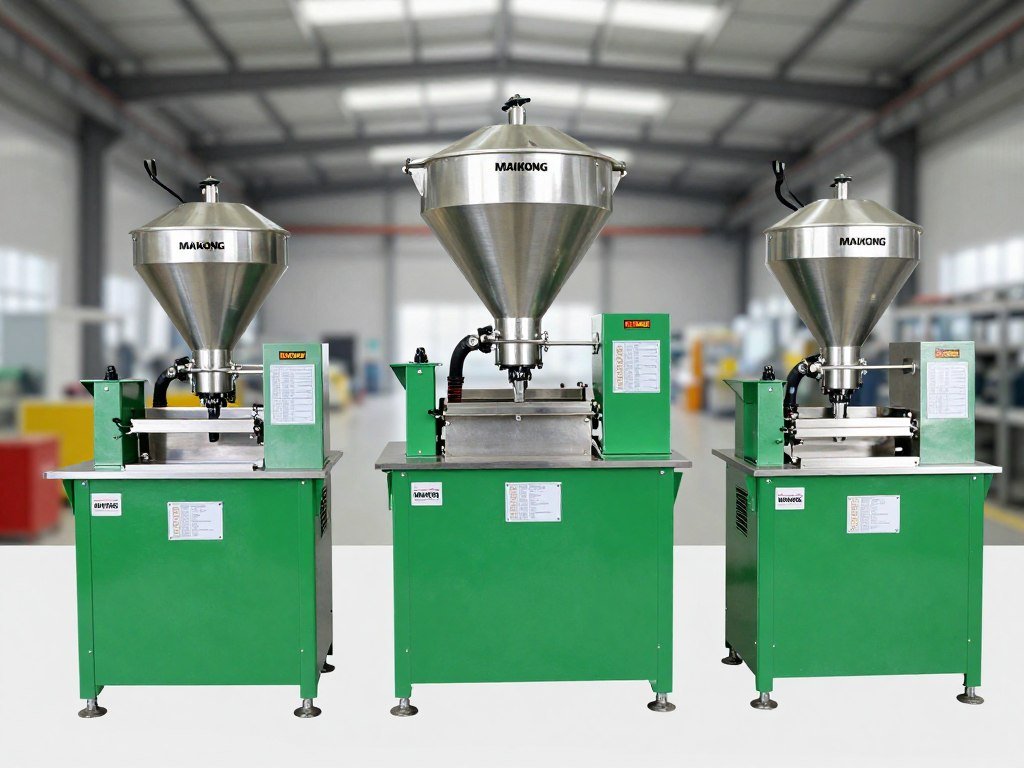
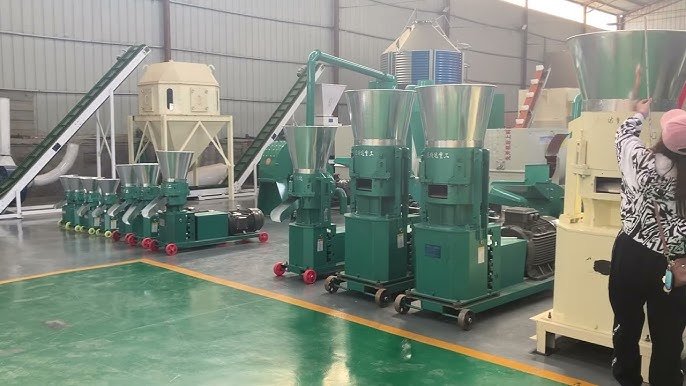
MAIKONG manufactures five primary feed pellet machine models for roughage processing. Each model targets specific production scales and farm sizes. Selection depends on your daily feed requirements and livestock numbers.
Small-Scale Manual Feed Pellet Machine (120-150 kg/hour)
This entry-level manual feed pellet machine suits farms with twenty to fifty cattle. The compact design requires minimal space. One operator can manage the entire process.
Power consumption stays low at eleven kilowatts. You can run this machine on standard single-phase electricity. Many Nigerian farmers appreciate the affordability of this model.
The manual feed pellet machine produces one hundred twenty to one hundred fifty kilograms of pellets hourly. Daily output reaches one thousand kilograms with eight hours of operation. This volume satisfies small cattle operations and sheep farms.
MAIKONG Model PM-150
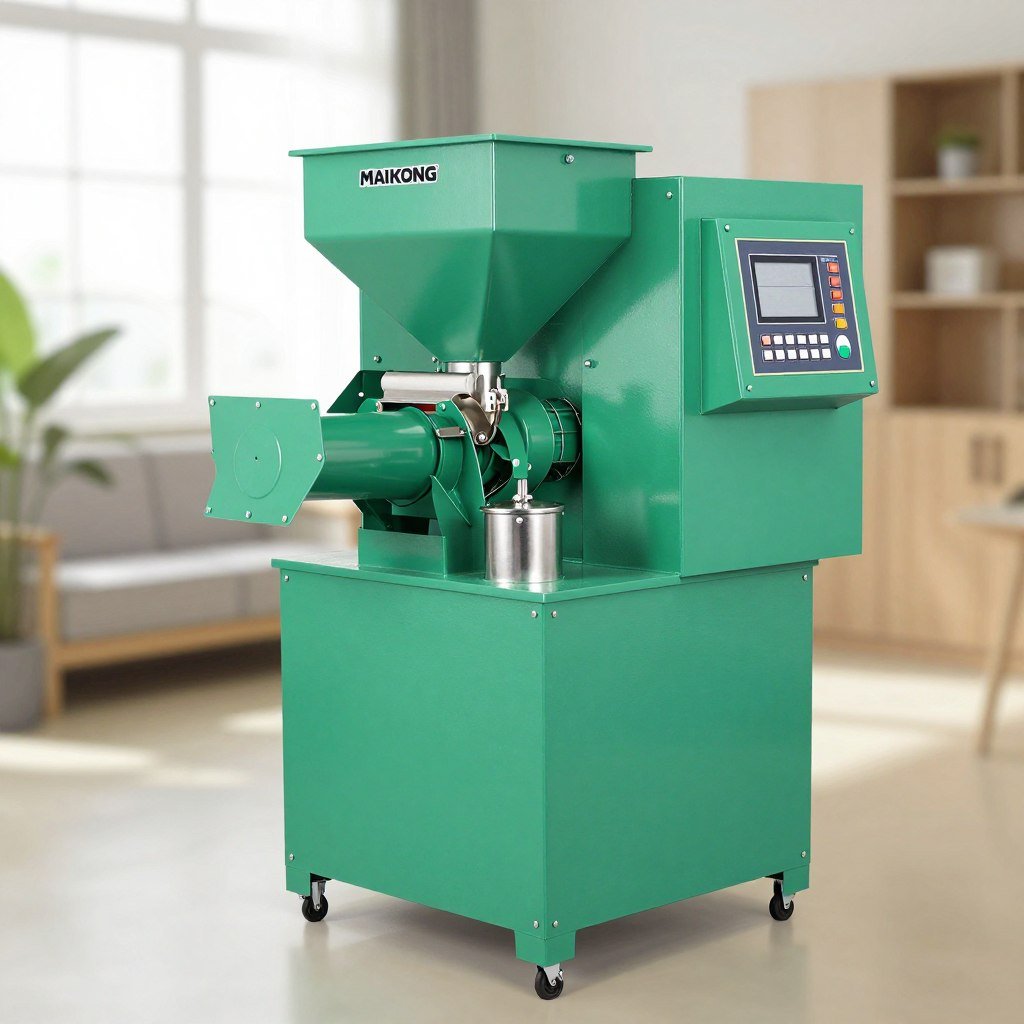
- Capacity: 120-150 kg/hour
- Motor Power: 11 kW
- Die Diameter: 200 mm
- Pellet Size: 4-8 mm diameter
- Weight: 280 kg
- Dimensions: 1100 x 500 x 1000 mm
Ideal For: Small cattle farms (20-50 head), sheep operations, starter livestock businesses
Price Range: Contact for current Nigerian pricing
MAIKONG Model PM-260
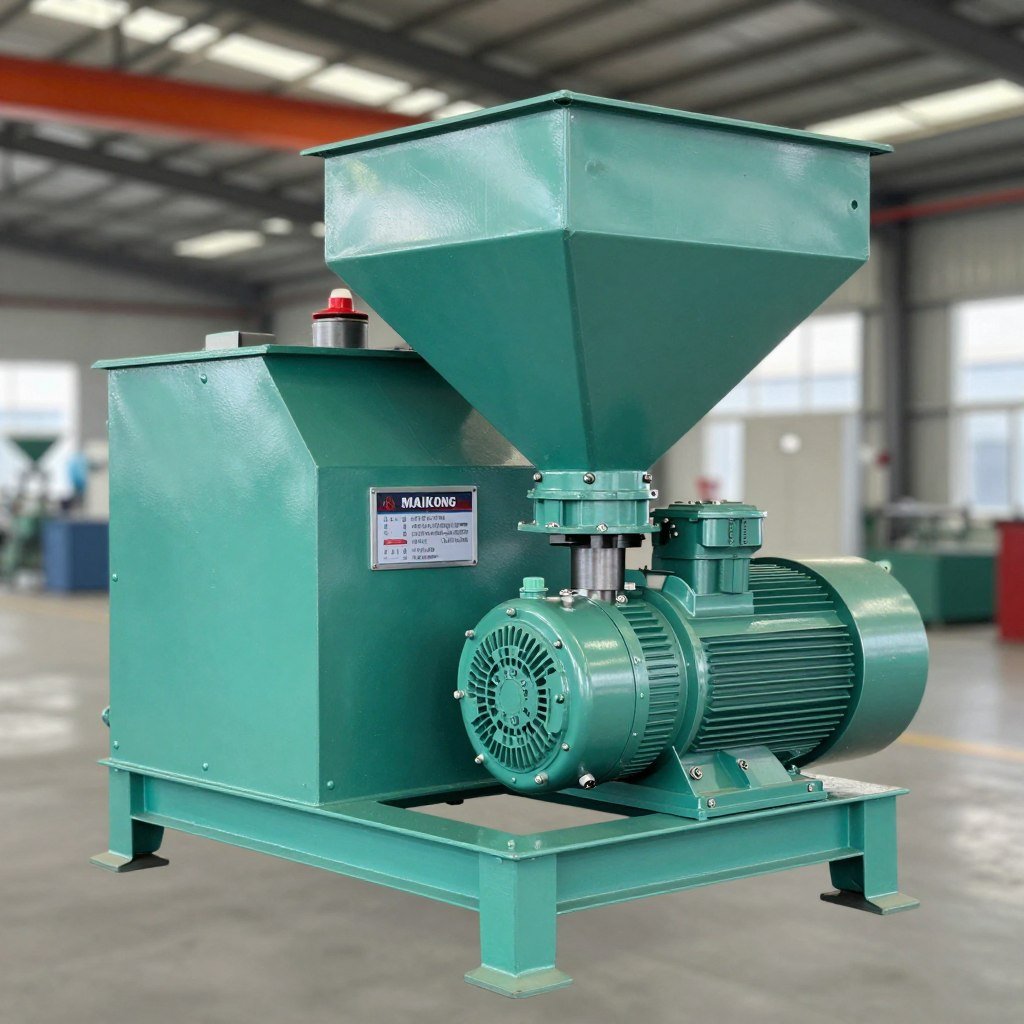
- Capacity: 250-300 kg/hour
- Motor Power: 22 kW
- Die Diameter: 260 mm
- Pellet Size: 4-10 mm diameter
- Weight: 450 kg
- Dimensions: 1300 x 600 x 1200 mm
Ideal For: Medium cattle ranches (50-100 head), commercial sheep farms, goat dairy operations
Price Range: Contact for bulk order discounts
MAIKONG Model PM-400
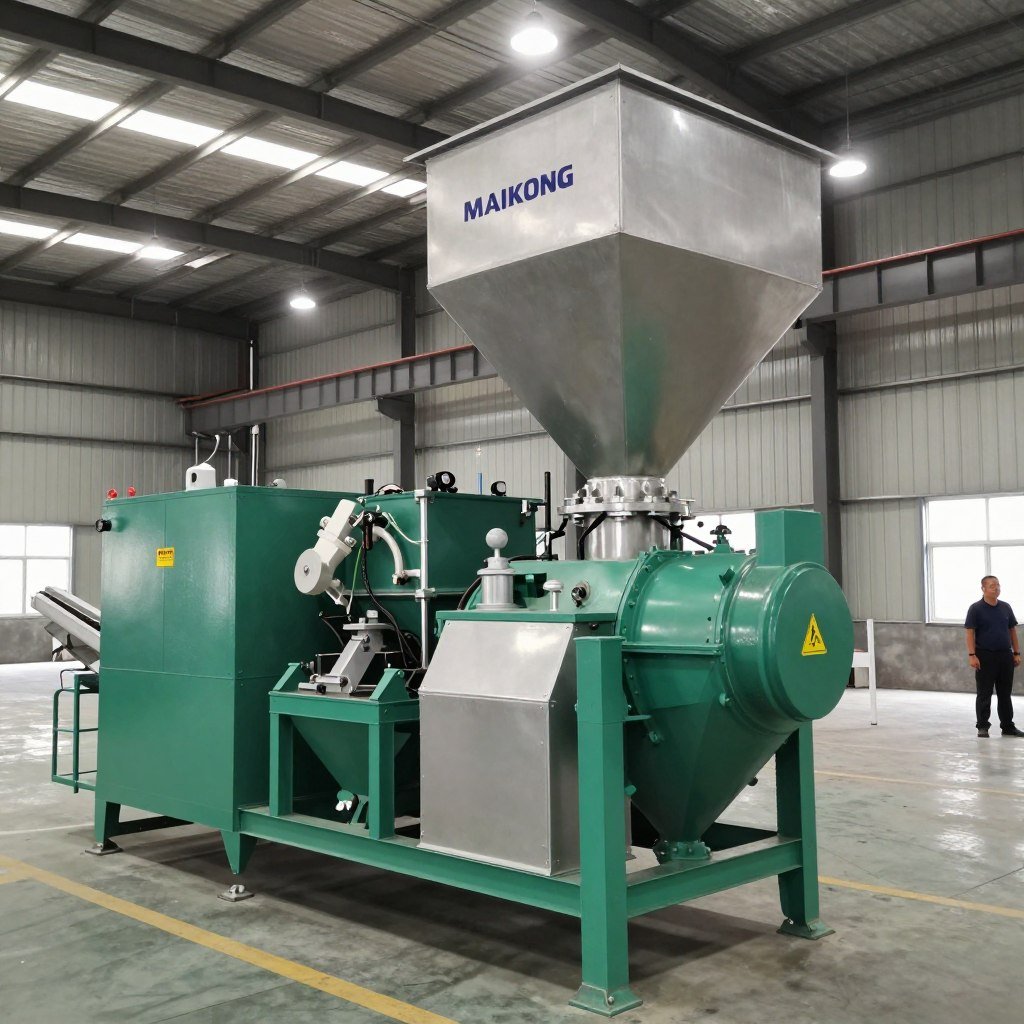
- Capacity: 400-500 kg/hour
- Motor Power: 37 kW
- Die Diameter: 400 mm
- Pellet Size: 6-12 mm diameter
- Weight: 850 kg
- Dimensions: 1600 x 800 x 1400 mm
Ideal For: Large cattle operations (100-200 head), commercial feed producers, agricultural cooperatives
Price Range: Competitive pricing for production lines
Key Features Across All MAIKONG Models
Every MAIKONG feed pellet machine includes reinforced dies. These dies withstand the abrasive nature of roughage materials. Standard dies last for processing three hundred tons of material before replacement.
Automatic lubrication systems reduce maintenance requirements. Oil pumps deliver grease to bearings and moving parts. This automation extends component life and reduces downtime.
Safety features protect operators. Emergency stop buttons halt machine operation instantly. Protective guards cover all moving parts. Electrical systems include overload protection.
Each machine ships with a complete spare parts kit. This kit includes replacement hammers, screens, bearings, and belts. Nigerian customers receive priority spare parts shipping from MAIKONG’s South African warehouse.
Special Considerations for Processing Different Roughage Types
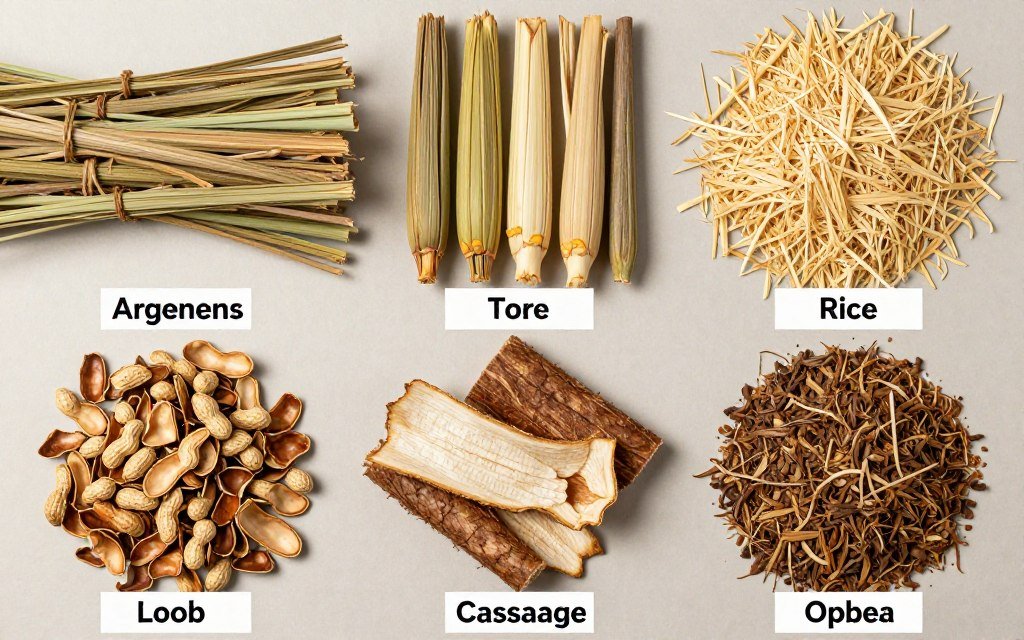
Nigerian farms have access to diverse roughage sources. Each material type behaves differently during pelletizing. Understanding these differences optimizes your feed pellet making machine performance.
Grass and Hay Pelletizing
Elephant grass dominates Nigerian pastures. This tall grass produces excellent pellets when properly dried. Target moisture content should reach twelve percent before processing.
Fresh grass requires pre-drying. Spread cut grass in sunlight for two to three days. Turn materials twice daily for even drying. Wet grass clogs the machine and produces poor-quality pellets.
Guinea grass and other native species pelletize similarly. Die holes should measure six millimeters for grass pellets. Smaller holes increase production time but create denser pellets.
Crop Residue Processing
Corn stalks and leaves provide abundant roughage after harvest. These materials contain more lignin than grass. Higher lignin content improves pellet durability.
Chop corn stalks into thirty-centimeter sections before grinding. This pre-cutting reduces motor load and speeds processing. The same approach works for sorghum and millet stalks.
Rice straw presents unique challenges. Its high silica content wears dies faster. MAIKONG recommends chrome-plated dies for regular rice straw processing. These specialized dies last three times longer than standard versions.
Pre-Processing Requirements by Material
- Fresh Grass: Sun-dry 2-3 days to 12% moisture
- Corn Stalks: Chop to 30cm lengths, air-dry 1 week
- Rice Straw: Chop finely, use chrome-plated dies
- Groundnut Shells: Grind to 3mm, mix with 20% grass
- Cassava Peels: Dry completely (8% moisture), grind fine
- Soybean Hulls: Pre-grind, blend with fiber sources
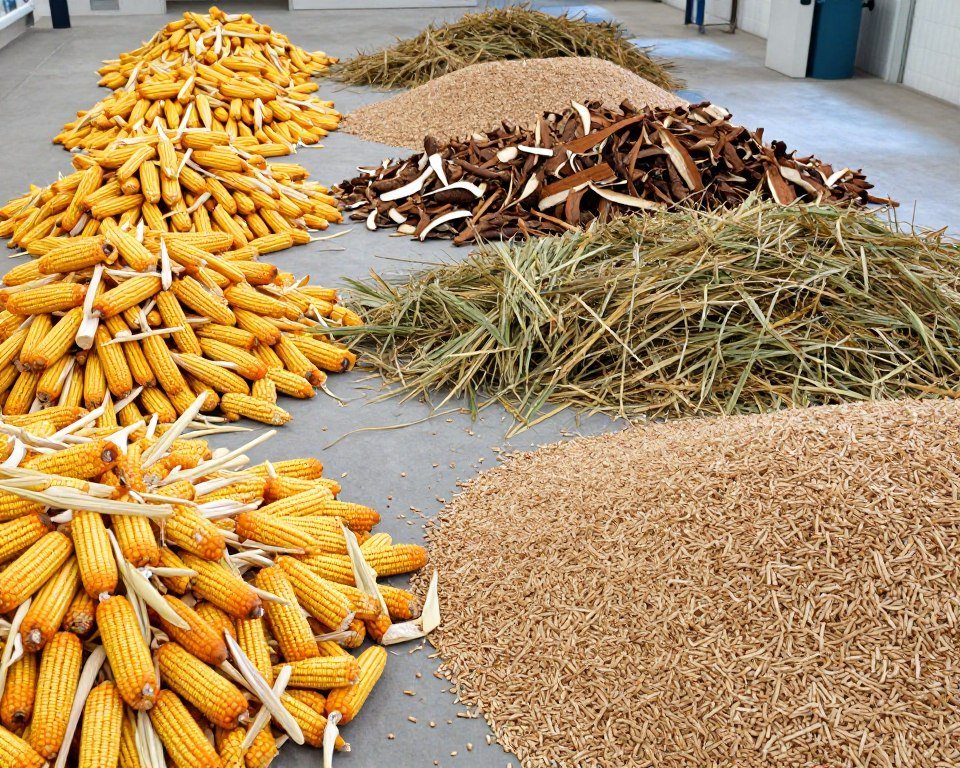
Agro-Industrial Byproducts
Cassava processing generates massive peel volumes. These peels contain valuable nutrients but spoil rapidly. Pelletizing preserves cassava peels for year-round feeding.
Dry cassava peels thoroughly before pelletizing. Target eight percent moisture content. Wet cassava peels produce sticky pellets that block die holes.
Groundnut shells work well in pellet blends. Mix forty percent groundnut shells with sixty percent grass for optimal results. Pure shell pellets tend to crumble during handling.
Brewery waste, palm kernel cake, and other industrial byproducts pelletize successfully. Each material requires specific moisture and particle size adjustments. MAIKONG technical support guides customers through these customizations.
Request Custom Equipment Quote for Your Farm
Tell us about your operation. MAIKONG provides detailed quotations within twenty-four hours. Our quotes include machine cost, shipping to Nigerian ports, installation support, and one-year warranty coverage.
Complete Feed Pellet Production Lines from MAIKONG
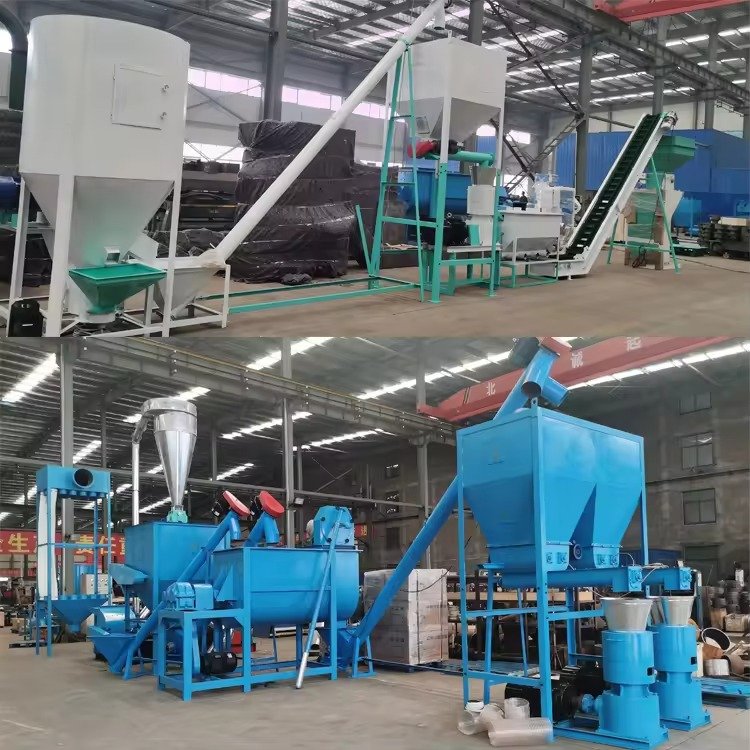
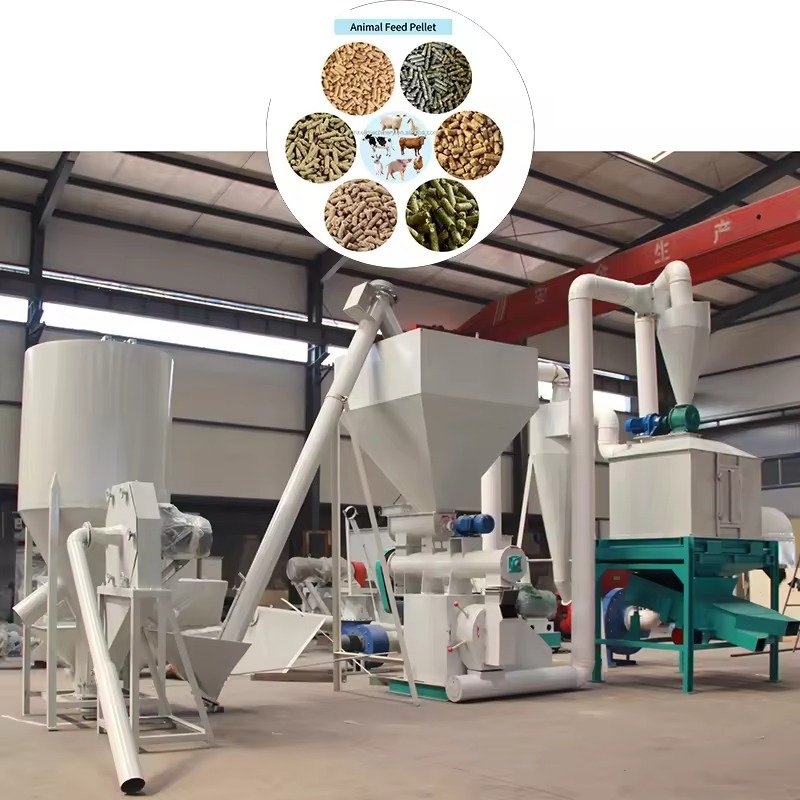
Individual machines work well for small operations. However, larger farms benefit from integrated production systems. MAIKONG designs complete feed pellet lines that automate the entire process.
Components of a Complete Production Line
A full pelletizing system includes seven main components. Each component handles a specific production stage. Together, they create a continuous automated process.
- Material Reception and Storage: Silos hold raw roughage before processing. Capacity ranges from five to fifty tons depending on production scale.
- Grinding System: Heavy-duty hammer mills reduce roughage to uniform particle size. Multiple screen sizes accommodate different material types.
- Mixing System: Batch or continuous mixers blend roughage with supplements. Accurate weighing ensures consistent formulation.
- Conditioning System: Steam and heat prepare materials for pelletizing. Temperature and moisture control optimize pellet quality.
- Pelleting System: High-capacity pellet machines compress materials into finished pellets. Multiple units increase total output.
- Cooling System: Counter-flow coolers reduce pellet temperature and moisture. This hardening step ensures storage stability.
- Packaging System: Automated baggers fill and seal fifty-kilogram bags. Weight sensors maintain accurate fill levels.
Production Line Capacities and Specifications
MAIKONG offers three standard production line configurations. Each targets different operation scales and investment levels.
| Line Specification | Small Scale | Medium Scale | Large Scale |
| Capacity (tons/hour) | 0.5 – 1.0 | 2.0 – 3.0 | 5.0 – 8.0 |
| Total Power (kW) | 45 – 60 | 120 – 150 | 280 – 350 |
| Floor Space Required (m²) | 150 – 200 | 400 – 500 | 800 – 1000 |
| Operators Needed | 2 – 3 | 4 – 5 | 6 – 8 |
| Daily Output (8 hours) | 4 – 8 tons | 16 – 24 tons | 40 – 64 tons |
| Investment Range | Contact for pricing | Contact for pricing | Contact for pricing |
Automation and Control Systems
Modern production lines incorporate programmable logic controllers. These computer systems manage the entire process. Operators monitor production from a central control panel.
Automatic feeding systems move materials between stages. Conveyor belts and bucket elevators eliminate manual handling. This automation reduces labor costs by sixty percent compared to manual operations.
Quality control sensors check pellet characteristics continuously. Temperature probes, moisture meters, and density sensors ensure consistent output. The system alerts operators when parameters drift outside specifications.
MAIKONG provides comprehensive training for production line operation. Our technicians spend two weeks at your facility during installation. They train your staff on equipment operation, maintenance procedures, and troubleshooting methods.
Real Results: Nigerian and African Feed Pellet Machine Success Stories
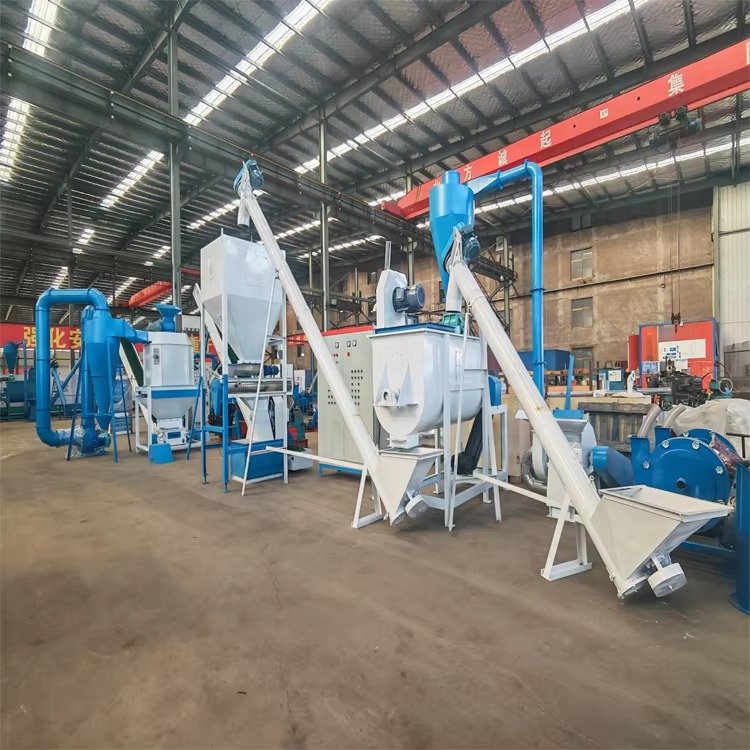
Theory matters less than proven results. MAIKONG equipment operates successfully across Africa. These case studies demonstrate real-world performance in conditions similar to Nigerian farms.
Case Study One: Kano State Cattle Ranch
Alhaji Musa Ibrahim manages four hundred cattle near Kano. His ranch consumed eighteen tons of commercial feed monthly. Feed costs exceeded two million naira each month.
In March two thousand twenty-two, Alhaji Musa installed a MAIKONG PM-400 feed pellet machine. He began processing local elephant grass and corn stalks. Production averaged three tons of pellets daily.
Results after twelve months:
- Feed costs reduced by forty-three percent
- Average daily weight gain increased from zero point six to zero point nine kilograms per animal
- Feed waste dropped from thirty percent to under five percent
- Annual savings reached ten point two million naira
- Equipment investment recovered in fourteen months
Alhaji Musa now produces surplus pellets. He sells excess production to neighboring farms. This additional income stream generates three hundred thousand naira monthly.
“The MAIKONG machine transformed my operation. My cattle gained weight faster. Feed bills dropped dramatically. The equipment paid for itself in one year.”
Case Study Two: Cross River Sheep Cooperative
Twenty-five sheep farmers formed a cooperative in Cross River State. Combined flock size totaled three thousand sheep. Members struggled with inconsistent feed quality and high commercial feed prices.
The cooperative purchased a MAIKONG PM-260 feed pelletizing machine in August two thousand twenty-one. They established a central processing facility. Members contribute roughage materials. The cooperative produces pellets for distribution.
Cooperative achievements:
- Processed twelve hundred tons of feed in first year
- Reduced individual farmer feed costs by thirty-eight percent
- Standardized nutrition across all member flocks
- Created four permanent jobs operating the facility
- Generated revenue selling pellets to non-members
The cooperative model works excellently for smallholder farmers. Shared equipment investment makes advanced technology accessible. MAIKONG supports similar cooperative projects throughout Nigeria.
Case Study Three: Ogun State Goat Farm
Mrs. Folake Adeyemi operates a commercial goat dairy near Abeokuta. Her farm houses six hundred milking goats. Quality nutrition directly impacts milk production and profitability.
Mrs. Adeyemi invested in a complete MAIKONG production line in January two thousand twenty-three. The system processes cassava peels, groundnut shells, and local grasses into specialized goat pellets.
Production outcomes:
Benefits Achieved
- Daily milk production increased fifteen percent
- Kid mortality decreased from twelve to four percent
- Feed cost per liter of milk reduced by forty percent
- Consistent year-round nutrition regardless of season
- Ability to customize pellet formulations for lactating versus dry goats
- Started commercial pellet sales generating additional income
Initial Challenges
- Learning curve for equipment operation
- Adjusting formulations for optimal goat nutrition
- Securing consistent roughage supply
- Training staff on maintenance procedures
MAIKONG technical support helped Mrs. Adeyemi overcome initial challenges. WhatsApp consultation provided immediate answers. Video calls enabled remote troubleshooting. Her operation now runs smoothly with minimal assistance.
Get Similar Results on Your Farm
Call for free consultation about your specific needs
Economic Analysis: Return on Investment for Feed Pellet Machines

Understanding investment returns helps make confident purchasing decisions. This section breaks down the economics of feed pellet machine ownership for Nigerian farms.
Investment Costs Breakdown
Total investment extends beyond equipment purchase price. Smart farmers calculate complete ownership costs before buying.
Equipment Costs
- Machine purchase price
- Shipping to Nigerian port
- Import duties and clearing
- Transportation to farm
- Installation and commissioning
- Initial spare parts inventory
Infrastructure Costs
- Housing and shelter construction
- Electrical installation (three-phase)
- Storage facilities for raw materials
- Finished product storage area
- Material handling equipment
- Safety equipment and fire suppression
Operating Costs
- Electricity consumption
- Operator wages
- Maintenance and repairs
- Die and hammer replacement
- Lubricants and consumables
- Insurance coverage
Cost Savings Calculations
Pellet production creates savings through multiple channels. These savings accumulate rapidly, especially for larger operations.
Commercial Feed Cost Comparison:
Commercial cattle feed costs approximately one hundred fifty naira per kilogram in most Nigerian markets. A cow consuming eight kilograms daily requires one thousand two hundred naira worth of feed each day.
Pellets produced from farm roughage cost forty to sixty naira per kilogram. This includes electricity, labor, and maintenance. The same cow eating pelleted roughage costs three hundred twenty to four hundred eighty naira daily.
Daily savings per animal: seven hundred twenty to eight hundred eighty naira. Monthly savings per animal: twenty-one thousand six hundred to twenty-six thousand four hundred naira.
For a one hundred cow operation, monthly savings reach two point one to two point six million naira. Annual savings exceed twenty-five million naira.
Waste Reduction Value
Reducing feed waste generates significant hidden value. Animals consuming loose roughage waste thirty to forty percent. Pelleted feed waste stays under five percent.
Consider a farm purchasing twenty tons of roughage monthly. At thirty-five percent waste, seven tons literally disappear. Pelletizing that same roughage saves six tons monthly. At commercial feed prices, this waste reduction equals nine hundred thousand naira monthly.
Payback Period Analysis
Most Nigerian farmers recover their feed pellet machine investment within twelve to twenty-four months. Payback speed depends on farm size and feed volume.
| Farm Size | Animals | Daily Pellet Need | Monthly Savings | Machine Model | Typical Payback |
| Small | 20-50 cattle | 160-400 kg | ₦432,000-1,080,000 | PM-150 | 18-24 months |
| Medium | 50-100 cattle | 400-800 kg | ₦1,080,000-2,160,000 | PM-260 | 14-18 months |
| Large | 100-200 cattle | 800-1,600 kg | ₦2,160,000-4,320,000 | PM-400 | 12-16 months |
| Commercial | 200+ cattle | 1,600+ kg | ₦4,320,000+ | Production Line | 10-14 months |
Additional Revenue Opportunities
Many farmers discover unexpected income streams after installing pelletizing equipment. Excess production capacity creates business opportunities.
Custom Pellet Production Services: Neighbors pay fees for processing their roughage. Service rates typically range from twenty to thirty naira per kilogram. A machine processing two hundred kilograms hourly for outside customers generates four thousand to six thousand naira per hour.
Commercial Pellet Sales: Surplus pellets find ready markets. Small farmers willingly pay seventy to ninety naira per kilogram for quality pellets. This price point offers buyers savings compared to commercial feed while providing sellers good margins.
Contract Manufacturing: Feed companies sometimes outsource pellet production. Long-term contracts provide stable additional income while your machine operates.
Operating Your Feed Pelletizing Machine: Best Practices
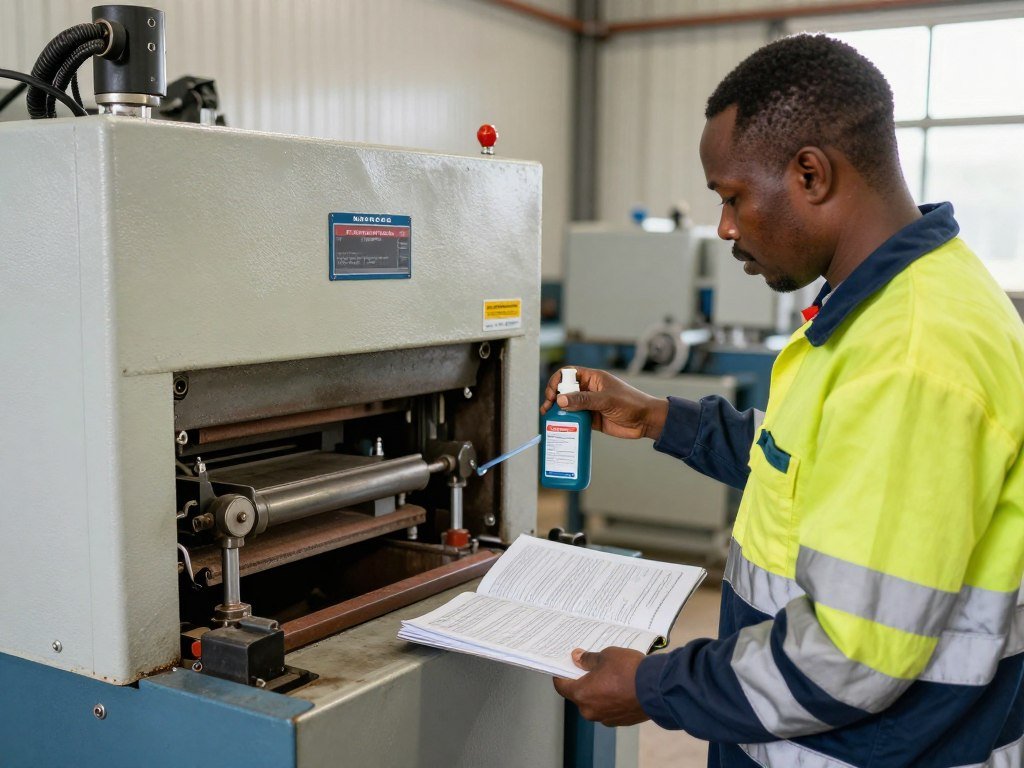
Proper operation extends equipment life and maintains pellet quality. These guidelines help operators maximize machine performance while avoiding common problems.
Daily Operation Procedures
Start each production day with equipment inspection. Check die condition for cracks or excessive wear. Examine belts for proper tension. Verify all safety guards are secure.
Run the machine empty for two minutes before adding material. Listen for unusual noises. Abnormal sounds indicate bearing problems or loose components. Address issues immediately before they cause damage.
Feed materials gradually into the hopper. Avoid overloading. The machine performs best when material flows steadily without surging. Consistent feeding produces uniform pellets.
Monitor pellet quality throughout operation. Check pellet hardness, length, and appearance. Adjust die speed or conditioning temperature if pellets appear soft or crumbly.
Maintenance Schedule
Regular maintenance prevents breakdowns and extends component life. Follow this schedule for optimal reliability.
Daily Maintenance Tasks
Perform these checks at the end of each production day.
- Remove dust and material buildup
- Check lubrication points
- Inspect belts and chains
- Clean die surface
- Verify electrical connections
Weekly Maintenance Tasks
Complete these procedures every seven operating days.
- Deep clean entire machine
- Grease all bearings
- Check motor alignment
- Inspect hammer mill condition
- Test safety systems
Monthly Maintenance Tasks
Schedule these comprehensive checks monthly.
- Replace worn hammers and screens
- Adjust die and roller clearances
- Inspect electrical systems
- Check foundation bolts
- Calibrate control systems
Annual Maintenance Tasks
Perform complete overhaul yearly.
- Replace all bearings
- Resurface or replace die
- Rebuild rollers
- Rewire electrical systems
- Repaint and refinish
Common Problems and Solutions
Even well-maintained machines occasionally develop issues. Recognizing problems early prevents expensive repairs.
Causes: Insufficient compression, low conditioning temperature, or high moisture content
Solutions: Reduce die hole size, increase steam temperature, or dry materials further before processing. Check roller pressure adjustment.
Causes: Worn die, dull hammers, or incorrect material moisture
Solutions: Replace die when holes enlarge beyond specifications. Sharpen or replace hammer mill blades. Adjust material moisture to optimal range.
Causes: Over-dried materials, damaged cooling system, or rough handling
Solutions: Increase material moisture slightly. Repair cooling equipment. Improve material handling procedures to reduce pellet breakage.
Causes: Excessive moisture, insufficient conditioning, or foreign objects
Solutions: Reduce material moisture. Extend conditioning time. Install magnetic separator to remove metal contamination. Check die hole polish.
Causes: Worn bearings, misaligned components, or overfeeding
Solutions: Replace worn bearings immediately. Check and correct shaft alignment. Reduce feeding rate to recommended levels. Verify motor specifications match requirements.
Safety Considerations
Pelletizing equipment operates at high speeds with significant force. Proper safety practices protect operators from injury.
Never operate the machine without guards in place. Rotating components can catch loose clothing or tools. Keep hands away from feeding areas during operation.
Wear appropriate personal protective equipment. Safety glasses protect eyes from flying particles. Hearing protection reduces noise exposure. Dust masks prevent respiratory irritation.
Lock out electrical power before performing maintenance. Even brief power interruptions can cause serious injury if equipment unexpectedly starts. Follow proper lock-out tag-out procedures.
Train all operators thoroughly before allowing independent operation. MAIKONG provides comprehensive training during installation. Refresher training should occur annually.
Why Choose MAIKONG for Your Feed Pellet Machine Needs
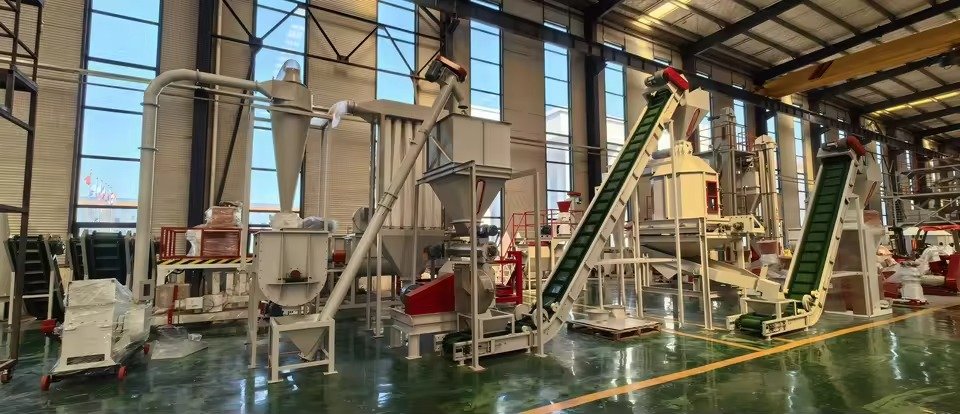
Selecting the right manufacturer matters as much as choosing the correct machine model. MAIKONG brings two decades of experience serving African agricultural markets. Our commitment extends beyond equipment sales to long-term partnership success.
Manufacturing Excellence Since 2003
MAIKONG established operations in South Africa twenty years ago. Our facility specializes in equipment for African farming conditions. We understand the unique challenges Nigerian farmers face.
Every machine undergoes rigorous testing before shipping. Quality control engineers run each unit for forty-eight hours under load. This testing identifies potential problems before equipment reaches customers.
We use premium components throughout our machines. Dies receive special hardening treatment. Bearings come from internationally recognized manufacturers. Electrical components meet strict safety standards.
Customization and OEM Services
Standard machines suit most applications. However, some operations need specialized solutions. MAIKONG offers comprehensive customization services.
Available Customizations:
- Capacity Modifications: Adjust motor power and die size for specific output requirements
- Special Dies: Custom hole patterns for unique pellet sizes or shapes
- Material-Specific Designs: Reinforced components for highly abrasive materials
- Voltage Adaptations: Configure for any electrical system worldwide
- Control System Integration: Connect to existing farm automation systems
- Branding Options: Private label equipment for distributors and resellers
OEM partnerships allow agricultural businesses to offer branded equipment. MAIKONG manufactures according to partner specifications. This arrangement supports business growth while maintaining quality standards.
Comprehensive Support Services
Equipment purchase marks the beginning of our relationship. MAIKONG provides ongoing support throughout equipment life.
Technical Support Available 24/7
Nigerian farmers access MAIKONG engineers through multiple channels. WhatsApp provides instant communication for urgent issues. Our technical team responds within two hours during business days, often much faster.
Video consultation solves many problems remotely. Engineers can observe machine operation through video calls. This remote diagnosis saves time and expense compared to waiting for technician visits.
Complex issues may require on-site service. MAIKONG maintains service partners throughout Nigeria. Technicians reach most locations within forty-eight hours of service requests.
Spare Parts Availability
Equipment downtime costs money. Fast spare parts delivery keeps machines running. MAIKONG stocks critical components in our South African warehouse.
Most spare parts ship within three business days. Nigerian customers receive parts within two weeks typically. Emergency orders can arrive faster through express shipping.
We provide detailed parts catalogs with exploded diagrams. These resources help customers identify needed components accurately. Ordering becomes simple with clear part numbers and descriptions.
Training and Education Programs
Successful equipment operation requires trained personnel. MAIKONG offers multiple training options for customer staff.
Installation Training: Our technicians spend two weeks at your facility during equipment commissioning. They train operators on proper procedures, maintenance requirements, and troubleshooting methods.
Online Training Modules: Video tutorials cover common operations and maintenance tasks. These resources provide refresher training for existing operators and onboarding for new staff.
Regional Workshops: MAIKONG conducts periodic training events in major Nigerian cities. These workshops cover advanced topics like formulation optimization and production line management.
Warranty and Service Agreements
Every MAIKONG feed pellet machine includes a comprehensive one-year warranty. This coverage protects against manufacturing defects and component failures.
Extended service agreements are available for customers seeking additional security. These agreements include annual maintenance visits, priority parts shipping, and expanded technical support.
Profitable Distributor Opportunities Across Nigeria
MAIKONG seeks established agricultural equipment dealers to represent our brand throughout Nigeria. Exclusive territorial rights protect distributor investments. Competitive wholesale pricing ensures healthy profit margins. Marketing materials, technical training, and sales support included. Join Africa’s fastest-growing pellet machine supplier network.

Distributor Benefits Include:
- Exclusive territory protection
- Wholesale pricing with 35-45% margins
- Marketing materials and promotional support
- Technical training for sales staff
- Demo equipment programs
- Co-op advertising funding
- Priority spare parts access
- Annual incentive programs
Ideal Distributor Profile:
- Established agricultural equipment business
- Existing customer base in livestock sector
- Service and support capabilities
- Financial stability for inventory investment
- Sales team familiar with farming community
- Warehouse and display facilities
Contact our partnership team: Lucy@pelletmachine.co.za | WhatsApp: +86-135-1090-7401
Complete Buying Guide: Selecting the Right Feed Pellet Machine
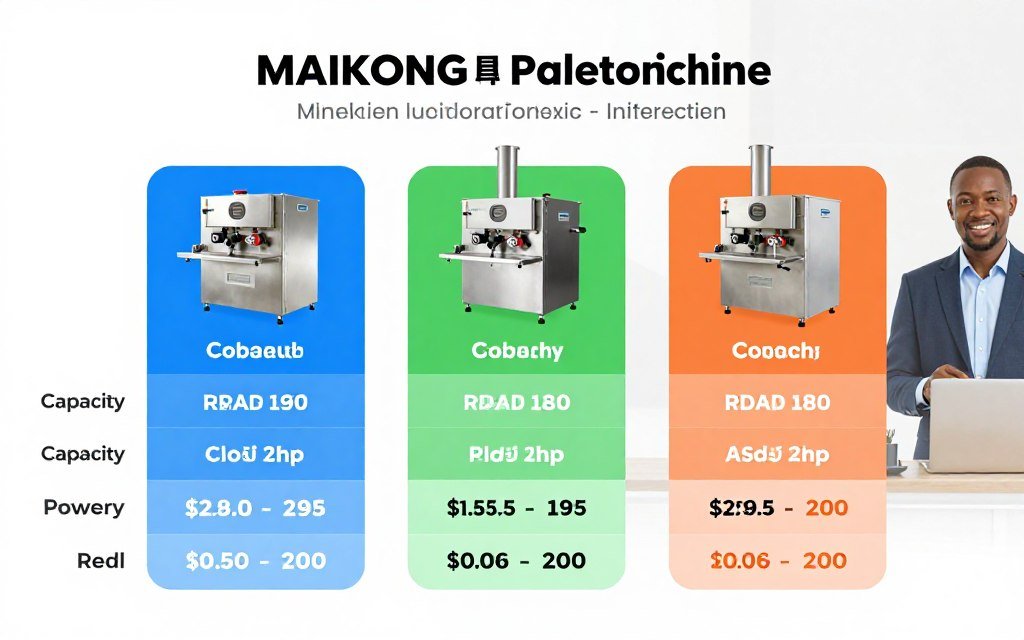
Choosing the appropriate pelletizing machine requires careful consideration of multiple factors. This guide walks through the decision process step by step.
Assess Your Production Requirements
Start by calculating daily feed needs. Multiply animal numbers by daily consumption per head. Cattle typically eat eight to twelve kilograms of pelleted roughage daily. Sheep consume one point five to two kilograms. Goats need one to one point five kilograms.
Add twenty percent to account for growth and future expansion. This buffer prevents outgrowing equipment capacity too quickly.
Consider production patterns. Will you operate daily or batch produce weekly? Continuous operations need reliable equipment with easy maintenance. Batch production allows for simpler machines.
Evaluate Available Roughage Materials
Material type influences machine selection. Soft grasses process easily with standard equipment. Tough stalks and woody materials need heavy-duty components.
Assess material consistency. Year-round availability allows continuous production. Seasonal materials require storage planning or batch processing strategies.
Consider material moisture content. Can you control drying before processing? High moisture materials need additional drying capacity.
Determine Budget and Financing Options
Calculate total project cost including equipment, installation, and infrastructure. Compare this against available capital and financing options.
Many Nigerian banks offer agricultural equipment loans. These programs typically finance up to seventy percent of equipment cost. Interest rates vary but generally fall between twelve and eighteen percent annually.
Government programs sometimes provide subsidies for agricultural mechanization. Check with state agricultural departments about available incentives.
Evaluate Support and Service Availability
Local support matters tremendously for long-term success. Verify spare parts availability in Nigeria. Confirm technical support accessibility.
Ask potential suppliers about response times for service calls. Request contact information for existing customers. Speaking with current users provides valuable insights.
Consider training availability. Will operators receive comprehensive training? Are refresher courses available?
Compare Total Cost of Ownership
Purchase price represents only part of total ownership cost. Factor in operating expenses, maintenance costs, and expected component replacement.
Calculate electricity costs based on motor power and expected operating hours. Compare with production output to determine cost per kilogram.
Estimate annual maintenance expenses. Budget for wear parts like dies, hammers, and belts. Factor in periodic servicing.
MAIKONG Price Range Guide (Subject to Change)
Small Scale Equipment (PM-150): Contact for current Nigerian pricing including delivery
Medium Scale Equipment (PM-260): Contact for detailed quotation with volume discounts available
Large Scale Equipment (PM-400): Contact for complete system pricing including installation
Complete Production Lines: Custom quotations based on capacity and automation requirements
All prices include: Equipment, technical documentation, spare parts kit, one-year warranty, installation support
Request Official Quote: Lucy@pelletmachine.co.za or WhatsApp: +86-135-1090-7401
Frequently Asked Questions About Feed Pellet Machines
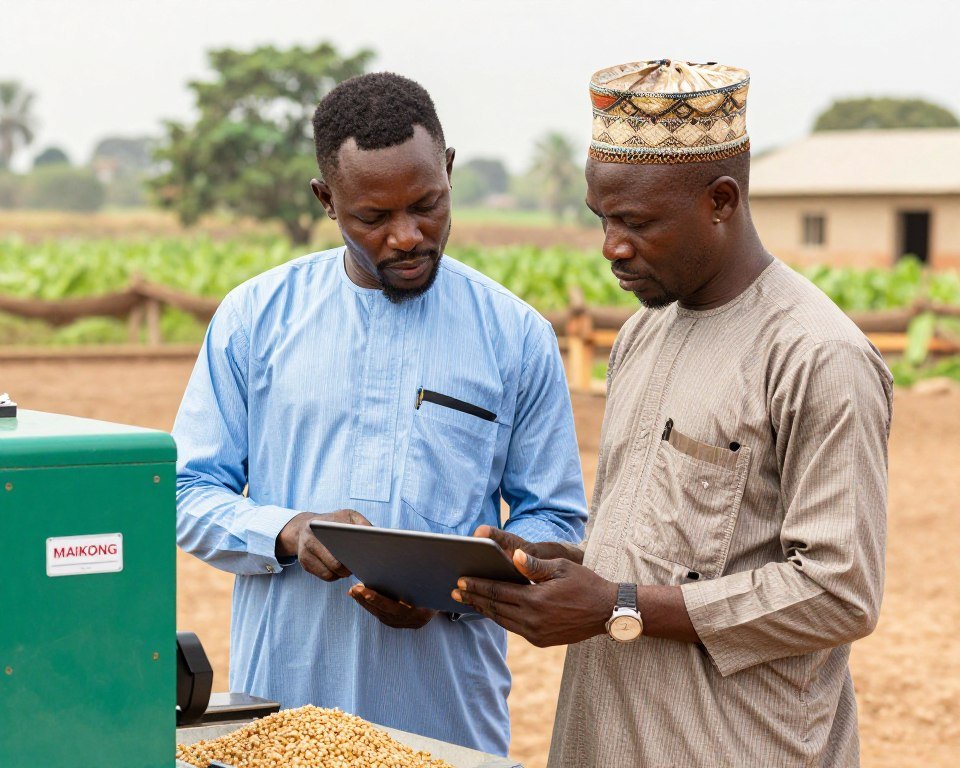
MAIKONG pelletizing machines operate reliably for ten to fifteen years with proper maintenance. Critical components like dies require replacement every three hundred to five hundred tons of production. Regular maintenance extends overall equipment life significantly. Many customers report twenty-plus years of service from well-maintained units.
Yes. MAIKONG feed pellet machines handle various roughage types including grass, hay, corn stalks, rice straw, cassava peels, and agro-industrial byproducts. Clean the machine thoroughly when switching between very different materials. Some materials may require die changes for optimal results. Mixed formulations work well once you establish proper ratios.
Power consumption varies by model. Small machines (PM-150) use eleven kilowatts per hour. Medium units (PM-260) consume twenty-two kilowatts. Large machines (PM-400) require thirty-seven kilowatts. Actual consumption depends on material type and processing conditions. Calculate approximately three to five naira electricity cost per kilogram of pellets produced.
Basic operation is straightforward. Anyone comfortable with farm equipment can learn within several days. MAIKONG provides two weeks of hands-on training during installation. This training covers operation, adjustment, maintenance, and troubleshooting. Video tutorials and technical support remain available after training. Most farmers successfully operate equipment with minimal prior technical experience.
MAIKONG sells individual machines to farmers. No minimum order requirements exist for standard models. We encourage farm cooperatives to combine orders for better shipping rates. Distributors receive quantity discounts on multiple unit purchases. Custom production lines require detailed planning regardless of quantity.
Standard models ship within five to seven business days from order confirmation. Sea freight from South Africa to Lagos typically requires three to four weeks. Customs clearance adds one to two weeks. Total delivery timeline averages six to eight weeks. Express air freight is available for urgent orders at additional cost.
Yes. Pelleted roughage provides complete fiber nutrition for ruminants. Many farmers feed exclusively pelleted diets with excellent results. Pellets actually improve digestibility compared to loose roughage. However, some farmers prefer mixing pellets with limited fresh forage for animal satisfaction. Both approaches work successfully.
All MAIKONG equipment includes a one-year comprehensive warranty from delivery date. This warranty covers manufacturing defects, component failures, and workmanship issues. Warranty service includes parts replacement and technical support. Wear items like dies and hammers are excluded. Extended warranty programs are available for purchase. Warranty claims receive priority processing.
MAIKONG does not directly provide financing. However, we work with Nigerian agricultural banks that finance equipment purchases. We provide documentation supporting loan applications. Many customers successfully obtain bank financing covering seventy to eighty percent of equipment cost. Government agricultural programs sometimes offer additional support.
Absolutely. MAIKONG welcomes customer visits to our South African manufacturing facility. Factory tours demonstrate production quality and testing procedures. Visitors can see various machine models operating. Arrange visits by contacting Lucy@pelletmachine.co.za at least two weeks in advance. Video factory tours are available for customers unable to travel.
Still Have Questions?
MAIKONG technical experts answer questions daily. We provide honest, detailed information helping you make informed decisions. No sales pressure. Just professional guidance based on twenty years of experience serving African farmers.
Contact us today:
- WhatsApp: +86-135-1090-7401 (instant messaging, voice calls, video calls)
- Email: Lucy@pelletmachine.co.za
- Website: pelletmachine.co.za
Transform Your Livestock Operation with MAIKONG Feed Pellet Machines
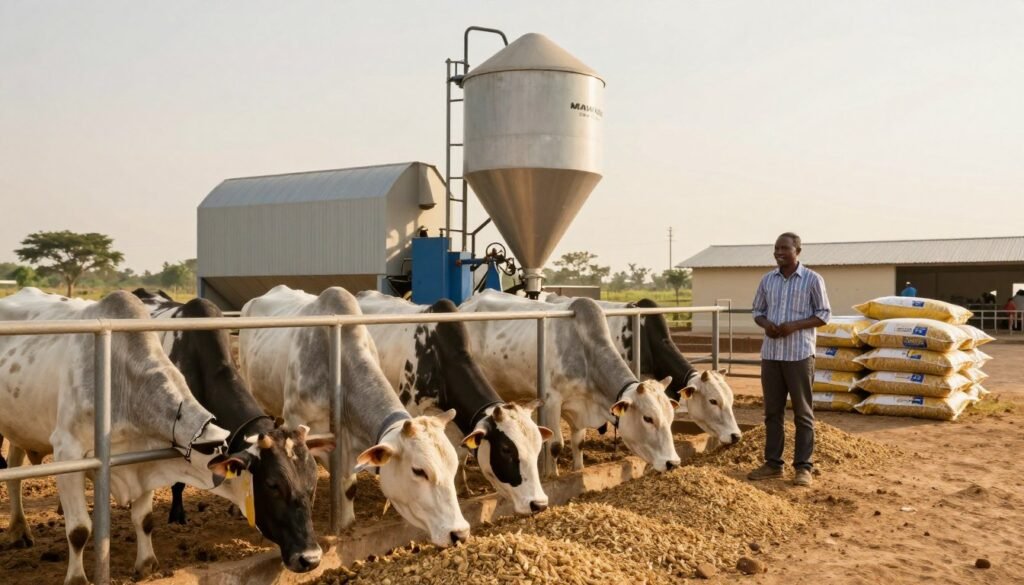
Converting roughage into nutritious pellets revolutionizes livestock farming economics. Feed costs decrease dramatically. Animal performance improves measurably. Waste drops to minimal levels. These benefits compound over time, creating substantial profit improvements.
MAIKONG feed pellet machines deliver proven performance in Nigerian conditions. Our equipment processes local roughage materials efficiently. Twenty years of African market experience informs every design decision. We understand what Nigerian farmers need.
Investment in pelletizing equipment pays returns quickly. Most operations recover costs within eighteen months. The equipment then generates savings year after year. Over ten years, cumulative savings exceed original investment many times over.
Beyond financial benefits, pellet production improves farm management. Consistent nutrition simplifies feeding protocols. Reduced storage requirements free valuable space. Automated feeding becomes practical. Overall operation efficiency increases.
The Nigerian livestock sector continues growing. Demand for quality feed expands steadily. Farmers producing their own pellets gain competitive advantages. They control costs, ensure quality, and capture additional revenue through surplus sales.
Starting your pellet production journey requires just one decision. Contact MAIKONG today. Our team answers questions honestly. We provide detailed quotations transparently. No obligation. No pressure. Just professional guidance from experienced agricultural equipment specialists.
Thousands of African farmers already benefit from MAIKONG equipment. Your operation can join this growing community of successful feed producers. The technology works. The economics make sense. The support exists.
Take the next step toward improved profitability and sustainable livestock production. Reach out to MAIKONG now. Transform your roughage into profit with proven pelletizing technology.
Start Your Feed Pellet Production Journey Today

MAIKONG stands ready to support your livestock operation with world-class feed pelletizing technology. Whether you manage twenty cattle or two thousand, we have solutions matching your needs and budget. Our commitment extends beyond equipment sales to lasting partnerships built on mutual success.
For Equipment Purchases & Technical Questions:
- WhatsApp/Phone: +86-135-1090-7401
- Email: Lucy@pelletmachine.co.za
- Response Time: Within 2 hours during business days
- Languages: English, other Nigerian languages supported
For Partnership & Distributor Inquiries:
- Partnership Email: Lucy@pelletmachine.co.za
- Website: pelletmachine.co.za
- About Us: Company Information
- Contact Page: Full Contact Details
Prefer Speaking Directly?
Available Monday-Saturday, 8:00 AM – 6:00 PM West Africa Time
Explore Our Complete Product Range:
Other Pellet Equipment
General Information
Join 500+ satisfied Nigerian farmers already using MAIKONG equipment. Make the decision today that transforms your farm’s profitability tomorrow. We look forward to partnering with you for long-term agricultural success.
Special Notice for Nigerian Customers
MAIKONG ships directly to all Nigerian ports including Lagos, Port Harcourt, and Calabar. We handle export documentation and provide support for customs clearance. Installation support available nationwide. Spare parts ship from South African warehouse with priority delivery to Nigeria.